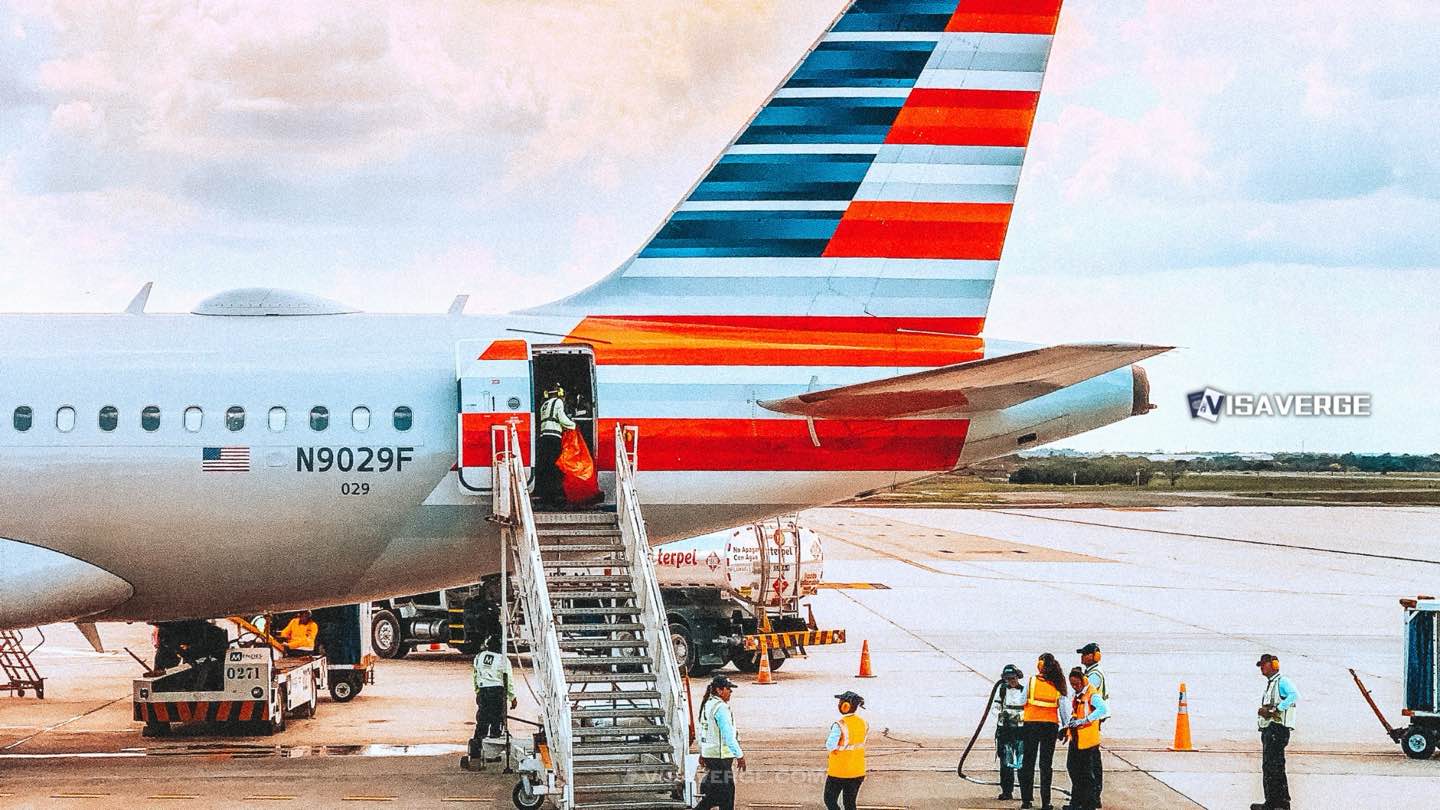
Federal investigators have released new evidence that could change the story behind the deadly American Airlines crash near Washington, D.C. The National Transportation Safety Board (NTSB) shared video footage and findings during a public hearing from July 30 to August 1, 2025, shedding light on what led to the tragedy at Ronald Reagan Washington National Airport.
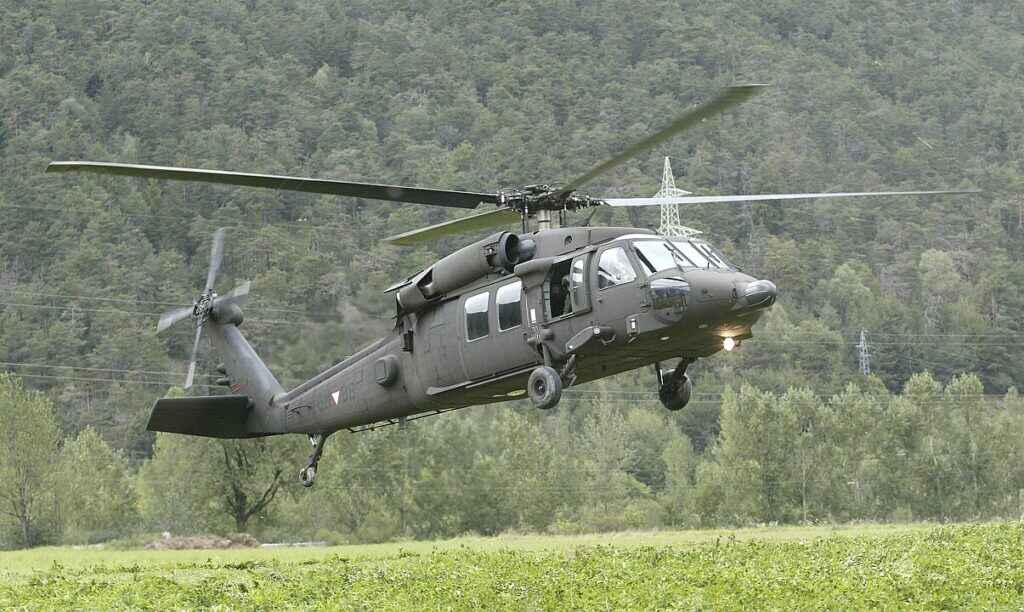
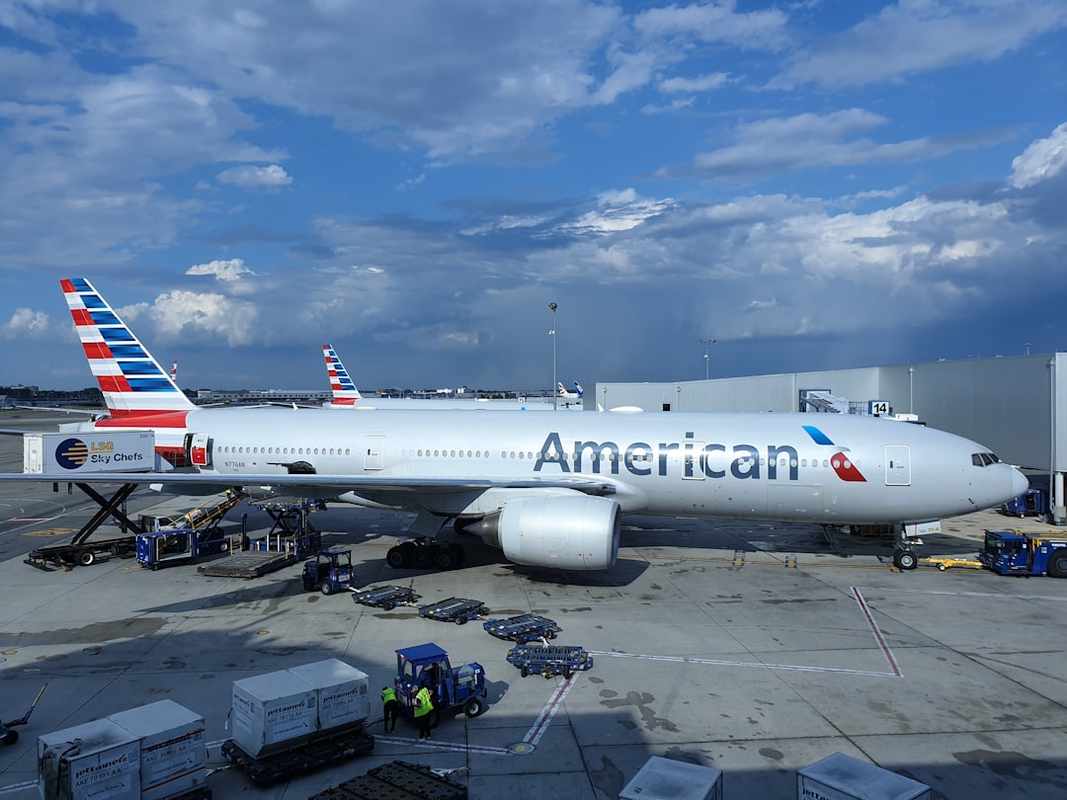
The American Airlines crash involved American Eagle Flight 5342, operated by PSA Airlines, and a US Army Black Hawk helicopter. Both aircraft collided in the air near Ronald Reagan Washington National Airport on January 29, 2025. All 67 people on board—64 on the plane and 3 on the helicopter—lost their lives, making this the deadliest airline disaster in the United States ?? in decades.
Key Evidence and Findings
During the three-day hearing, the NTSB presented new video evidence showing the moments before the collision. This footage is expected to play a major role in the final report. The NTSB’s preliminary report, released in March 2025, described the sequence of events but did not assign blame. The final report is still pending.
Some of the most important findings include:
- Altitude Violations: The Black Hawk helicopter was flying at 278 feet when it should have been below 200 feet for that route at Ronald Reagan Washington National Airport. NTSB Chair Jennifer Homendy noted that more than half of similar incidents involved helicopters flying too high, especially at night.
- ADS-B System Off: The Black Hawk’s Automatic Dependent Surveillance-Broadcast (ADS-B) system, which helps track aircraft location, was not working at the time. Investigators are trying to find out if this was due to a malfunction or if it was turned off on purpose.
- Air Traffic Control Issues: Only one controller was handling both aircraft, which is not standard for that time at Ronald Reagan Washington National Airport. Some important radio messages from the tower were likely missed by the helicopter crew because of overlapping radio use, leading to confusion.
- Cockpit Data: The helicopter crew may have had wrong altitude readings. One pilot thought they were at 400 feet, another at 300 feet, showing possible mistakes with instruments or human error. The crew was also using night vision goggles, which may have affected what they saw.
- TCAS Alert: The jet’s Traffic Collision Avoidance System (TCAS) gave an alert 19 seconds before the crash. The jet pitched up about one second before impact, possibly trying to avoid the collision.
- Wreckage Recovery: All major wreckage from both aircraft has been collected. The NTSB, with help from the FBI and Navy, is examining the debris and flight instruments for more clues.
Policy Changes and Immediate Actions
After the crash, the NTSB made urgent safety recommendations. The Federal Aviation Administration (FAA) and the Trump Administration quickly suspended all helicopter flights around Ronald Reagan Washington National Airport. There are plans to make these restrictions permanent.
The FAA is also speeding up efforts to modernize air traffic control. New technology, including artificial intelligence tools, is being used at 12 major airports to spot dangerous airspace areas and prevent future accidents. FAA Administrator Duffy has asked Congress for more funding to improve runway safety and upgrade technology faster.
The Transportation Safety Board of Canada ?? is also involved in the investigation because the aircraft was designed and built in Canada.
Stakeholder Responses
American Airlines CEO Robert Isom thanked federal officials for acting quickly and promised to keep working with investigators to improve safety. NTSB Chair Jennifer Homendy criticized the FAA and earlier administrations for not fixing known risks at Ronald Reagan Washington National Airport. She stressed the need for urgent reforms.
The FAA has admitted that changes are needed and is putting new technology and procedures in place. Senators Ted Cruz and Tammy Duckworth have raised concerns about the missing ADS-B data and whether air traffic control procedures were good enough.
Practical Impacts
- Flight Operations: All helicopter flights on the affected routes near Ronald Reagan Washington National Airport are suspended until further notice, affecting both military and civilian flights.
- Air Traffic Control: The FAA is increasing staffing and rolling out new technology at Ronald Reagan Washington National Airport and other high-risk airports.
- Passenger Safety: The crash has led to a nationwide review of collision avoidance rules and airspace management. New regulations may soon affect both commercial and military flights.
Investigation Timeline and Next Steps
American Eagle Flight 5342 collided with a US Army Black Hawk helicopter
NTSB released preliminary report
NTSB public hearing began
NTSB public hearing concluded
Final NTSB report expected
The NTSB’s public hearing continues through August 1, 2025, with testimony from experts in aviation, military, and industry. The final NTSB report, which will include the probable cause and recommendations, is expected by the end of 2025. The FAA and Congress are already working on airspace safety, technology upgrades, and staffing improvements, with more changes likely after the NTSB’s final report.
Background and Historical Context
On January 29, 2025, at 8:48 p.m., American Eagle Flight 5342, a Bombardier CRJ-700, collided with a US Army Black Hawk helicopter about half a mile southeast of Ronald Reagan Washington National Airport. Both aircraft crashed into the Potomac River. This disaster is the deadliest in the United States ?? in decades and has drawn comparisons to past midair collisions, raising old concerns about mixing military and commercial flights near busy airports.
Official Resources and Contacts
For those seeking more information, the NTSB provides updates on its official investigation page. The FAA also shares accident statements and safety news on its newsroom page. American Airlines posts updates for families and the public on its newsroom site.
For direct questions:
– NTSB Public Affairs: (202) 314-6100
– FAA Public Affairs: (202) 267-3883
– American Airlines Media Relations: (817) 967-1577
Looking Ahead
The NTSB’s final report is expected to provide clear answers and recommendations by late 2025. Experts expect more rules limiting helicopter flights near major airports, stronger collision avoidance requirements, and wider use of artificial intelligence in air traffic control. Congress will likely hold more hearings and may pass new laws to fix the safety problems found in this investigation.
As reported by VisaVerge.com, the new evidence—including cockpit data, video footage, and air traffic control records—offers a more detailed look at the American Airlines crash. These findings are already shaping new policies and could lead to lasting changes in how the United States ?? manages airspace and protects passengers.
Families, travelers, and aviation workers are watching closely as the investigation continues. The hope is that these changes will prevent future tragedies and make flying safer for everyone.
This Article in a Nutshell