

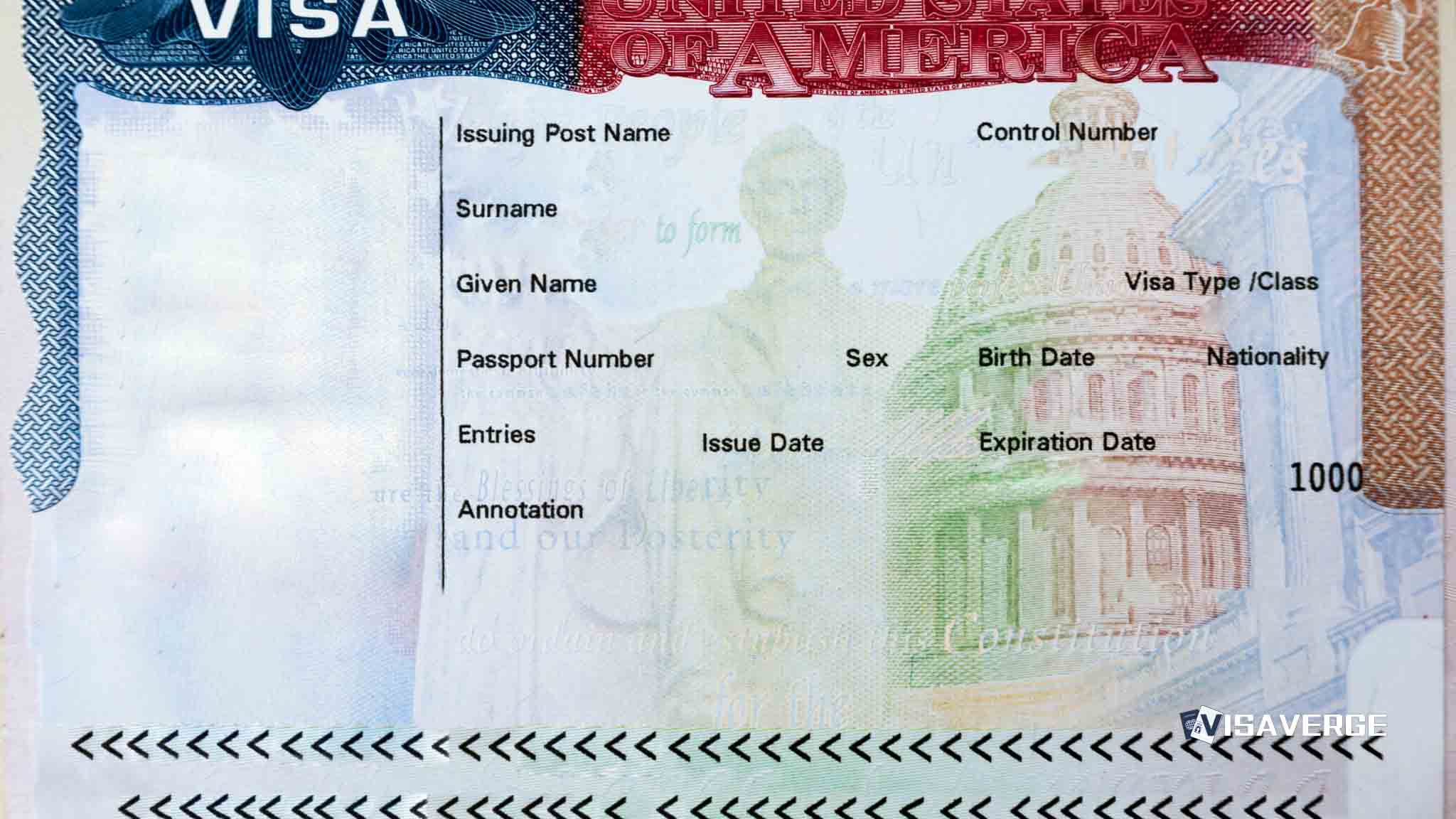
How Much Cash Can You Bring to the U.S. on a B-2 Tourist Visa?
B-2 visa holders must declare $10,000+ in cash or monetary instruments using FinCEN Form 105 to avoid seizure,…

Venezuelan TPS Holders Turn to Court to Keep Deportation Protections
Venezuelan nationals with Temporary Protected Status (TPS) are urging a judge to uphold their deportation protections. These measures…

Should Green Card Holders Stay Abroad for Long? Experts Weigh In
Green Card holders are expected to maintain permanent residency in the U.S. Living abroad for long periods can…

How to Fill I-9 Work Authorization Date Without Your OPT EAD Yet
For F-1 visa holders on post-graduate OPT awaiting an EAD card, complete the I-9's "authorized to work until"…

Trump’s Move to Close Department of Education: What It Means for Schools
President Trump’s executive order to dismantle the U.S. Department of Education aims to transfer educational control to states…

Changing Travel Plans After Visa Issuance: What Officials May Check
Immigration officials may monitor itinerary changes through airline passenger data, border checks, or communication with airlines. Travelers must…

Green Card Holders and International Students Rights in the U.S.
U.S. green card holders and students face tighter travel, tax, and visa rules in 2026, requiring strict compliance…

Global Population Expands to 8 Billion: Trends Shaping 1950 to 2023
From 1950-2023, global population surged from 2.5 to 8.09 billion, driven by medical advancements and declining mortality rates.…

Can you be jailed for protesting in USA?
In the U.S., the First Amendment protects peaceful protests, but recent state laws and proposed federal legislation have…
What to Do If You Get Married While Your I-485 Is Still Pending
If a primary applicant marries while their I-485 is pending, they should notify USCIS promptly, ideally within 30…

Friedrich Merz Leads Germany as Immigration Debate and Far-Right Rise Clash
Friedrich Merz, Germany's Christian Democratic Union leader, is set to become chancellor after the 2025 election, marking a…
Does a Pending I-129 Affect the Processing of I-485 Applications?
A pending Form I-129 does not usually delay USCIS's processing of Form I-485, as they serve different purposes…
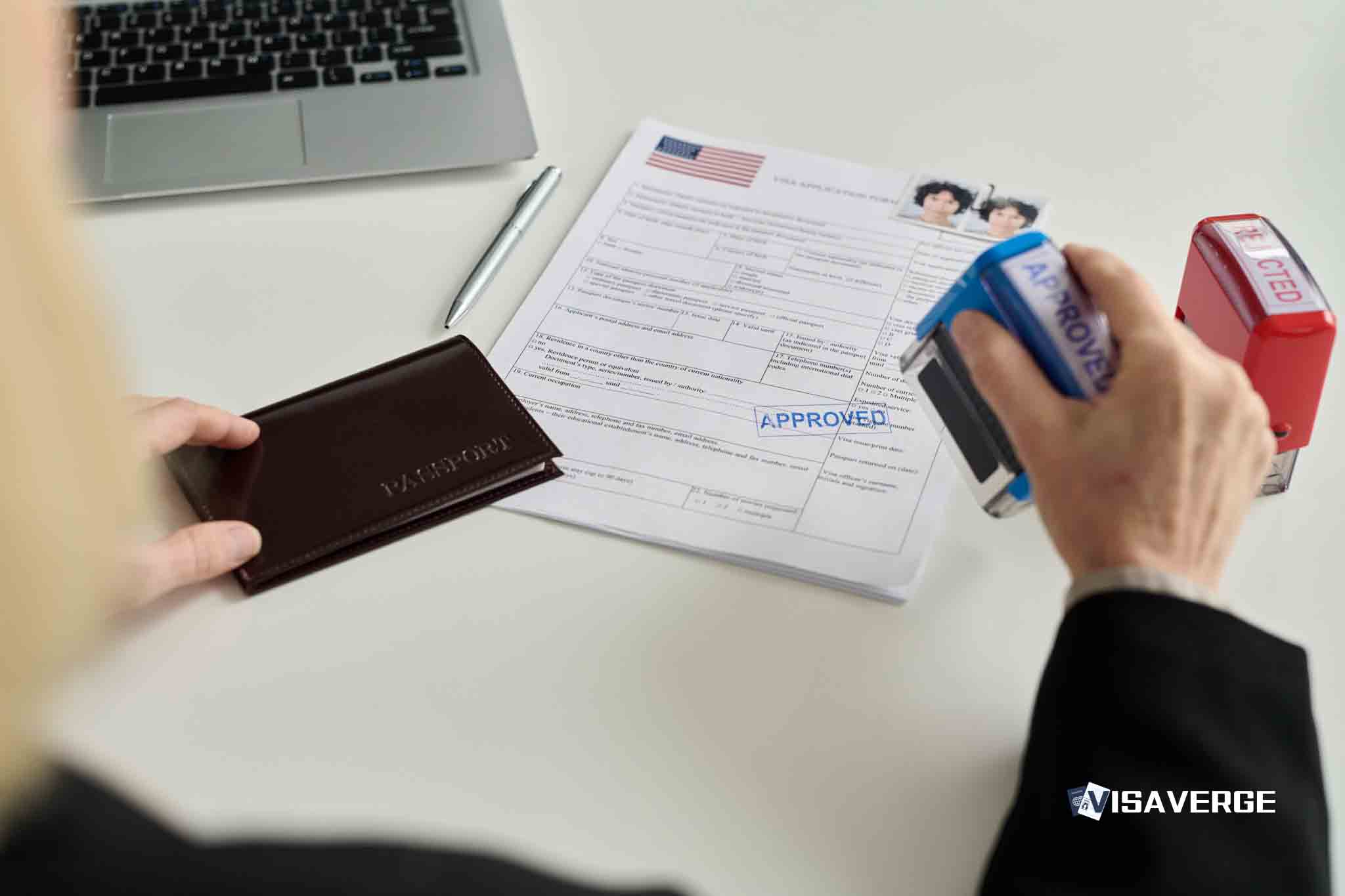
Do You Need a Certificate of Citizenship If You Already Have a U.S. Passport?
A U.S. passport is great for travel, but a Certificate of Citizenship offers permanent, non-expiring proof for federal…

Can Birthright Citizenship Be Changed Through Treaty Powers? Experts Doubt It
President Trump's effort to end birthright citizenship, including potential use of treaty powers, faces overwhelming constitutional barriers. The…