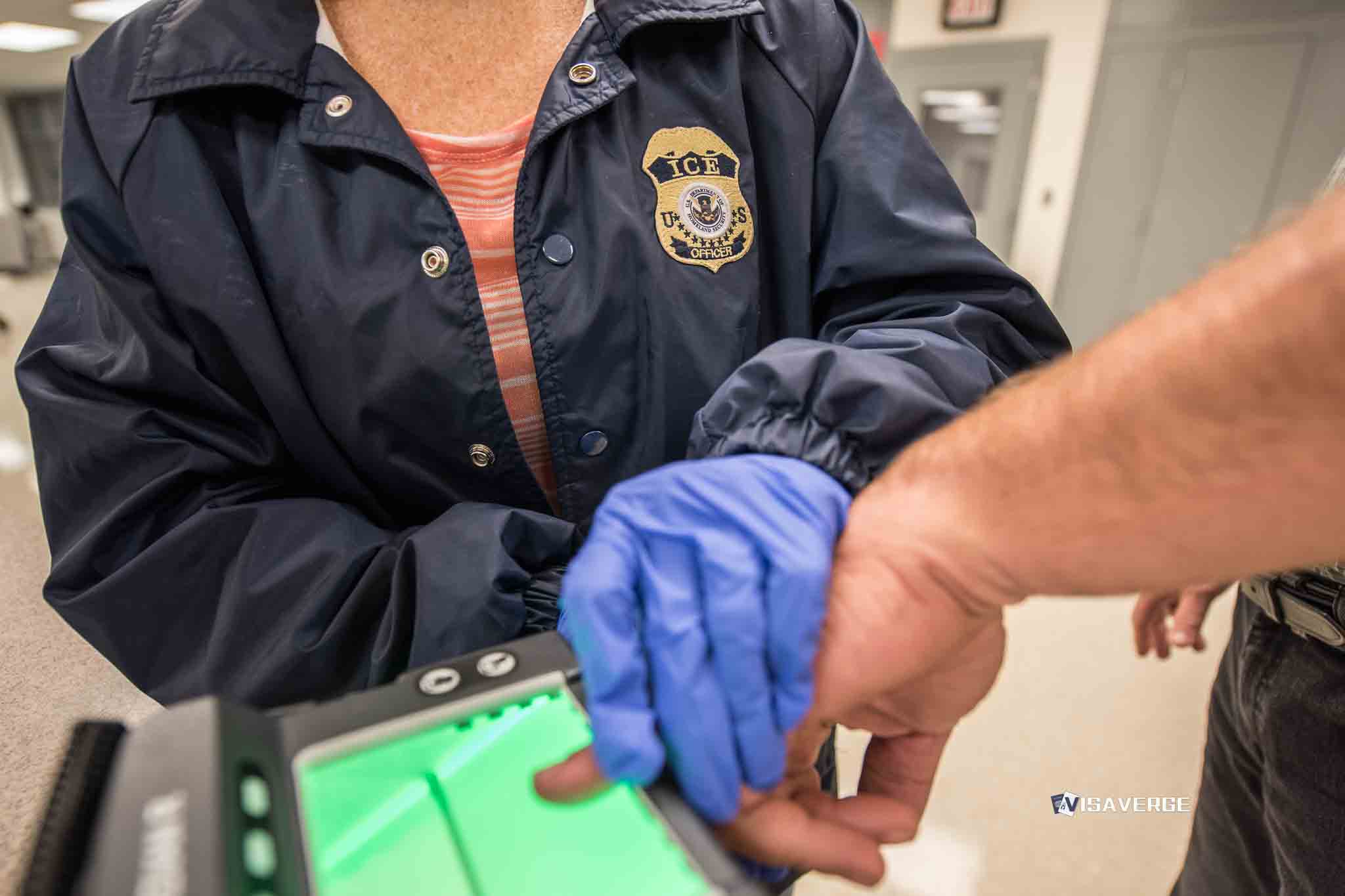
(VIRGINIA, UNITED STATES) Virginia ICE detention centers are using Solitary confinement at some of the highest rates in the country, with facilities in Farmville and Caroline County ranking among the top ten nationwide despite their relatively small size. From April 2024 through August 2025, 874 people were placed in solitary confinement in Virginia ICE jails, an increase of 250 placements over the total recorded between September 2018 and September 2023. Researchers say the scale and pace set Virginia apart from other detention centers and raise alarms about mental health harms, oversight gaps, and the treatment of vulnerable immigrants.
Solitary confinement in ICE detention generally means isolating a person for 20 or more hours per day, with little human contact, limited access to recreation, and sparse mental stimulation. The United Nations considers any solitary confinement over 15 days to be psychological torture. Between 2018 and 2023, the average solitary stay in Virginia lasted 34 days, far above the national average of 26 days during that period.

In early 2025, for vulnerable groups—people with mental health conditions, disabilities, or at risk due to sexual orientation, gender identity, or trauma—the national average reached 38 days per placement, up from 14 days in 2021. Medical groups warn that solitary can worsen anxiety, depression, and post-traumatic stress, and can trigger hallucinations or self-harm. These risks are sharper for people with preexisting conditions or trauma histories.
Free toolUSCIS Receipt Number DecoderA physician with detention health experience described a common scenario: a young asylum seeker placed alone after a panic episode, where isolation deepened his symptoms and created a cycle of discipline and further isolation. Doctors say that pattern is avoidable with clinical care and non-punitive management.
Virginia Leads in Solitary Placements
The Farmville and Caroline County facilities account for a disproportionate share of solitary confinement compared with their capacity, according to advocates and academic researchers who review ICE placement logs and inspection records. Nationwide, more than 10,500 people were placed in solitary confinement in ICE detention centers between April 2024 and May 2025. Virginia’s spike stands out within that broader surge.
ICE officials describe the practice as “administrative segregation” or “disciplinary segregation,” saying segregation is used as a last resort to protect safety when other options fail. But advocates and medical professionals argue the distinction is largely semantic inside detention centers, because conditions—extreme isolation, limited movement, and reduced programs—feel the same to the person inside the cell.
According to analysis by VisaVerge.com, the agency’s public data and inspection summaries often leave out key details, such as:
- the full reasons for placement
- whether alternatives were tried
- whether mental health staff cleared the decision
The first four months of 2025 coincided with a doubling of solitary confinement placements compared to historical rates, following new reporting rules that require facilities to document every placement, regardless of duration or vulnerability. Researchers warn that even with better reporting, the numbers likely undercount real use because facilities may misclassify or fail to log short stints.
While ICE detention policies have changed under different administrations, the trend shows increased use under both President Trump and President Biden, with a marked acceleration in 2025.
Oversight, Policy Context, and Human Impact
ICE says detention centers undergo audits and inspections, and staff must follow segregation policies that require reviews and mental health checks. The agency’s segregation policy and detention standards are public, including guidance on documentation and periodic review of placements. For reference, ICE’s segregation directive is available on its official site: ICE Directive on Segregation.
However, researchers and advocates say oversight staff have been stretched thin, even as Congress expanded immigration detention funding to $45 billion through 2029. Fewer eyes on daily operations, they argue, means more room for error, longer placements, and weaker accountability when vulnerable people are involved.
Data from Harvard-affiliated researchers and Physicians for Human Rights indicates a 56% rise in average quarterly solitary placements for vulnerable populations in fiscal year 2025 compared to 2022. That increase highlights that people at highest risk—those with mental illness, disabilities, or who face threats due to identity—are more likely to be placed in isolation, often for longer periods.
Advocates in Virginia, including the Virginia Interfaith Center for Public Policy, are pressing for bans or strict limits on solitary confinement in both correctional and immigration settings, arguing safer alternatives exist.
Human Consequences and Legal Impact
People inside Virginia ICE facilities describe a loss of sleep, constant anxiety, and a sense of time collapsing during extended isolation. Even short placements can disrupt legal cases if detainees miss:
- attorney calls
- mental health appointments
- evidence-gathering deadlines
Families report sudden communication gaps when a loved one is moved to segregation, especially in rural detention centers with limited phone access. Lawyers say they sometimes learn about a placement only after repeated call attempts fail, setting back asylum or bond hearings.
A parent in Northern Virginia described waiting days to learn why her son had been moved to “the hole,” the term many detainees use for segregation. When he finally called, he said he had been placed there after reporting threats from other detainees. Advocates say protective custody often functions like solitary confinement, punishing people who report safety concerns.
Alternatives and Recommendations
Critics argue that overreliance on isolation indicates failures in staffing, training, and clinical support. They point to alternatives that could reduce the use of segregation:
- specialized housing with robust mental health care
- increased recreation and group programming
- conflict mediation and de-escalation training
- improved documentation and timely mental health reviews
In many county-run facilities, those programs are thin, leaving segregation as a quick, if harmful, option.
Advocates also call for greater transparency and external accountability, including public release of facility-level data showing:
- number of placements over 15 days
- mental health clearance notes
- documentation that less-restrictive steps were attempted
They recommend a strict cap below the UN’s 15-day threshold, with immediate external review for any extension.
“Better transparency could deter prolonged isolation,” proponents say. They argue that public data and consistent record-keeping would make it harder for facilities to hide excessive or inappropriate use of segregation.
Key Facts at a Glance
| Metric | Figure |
|---|---|
| Virginia solitary placements (Apr 2024–Aug 2025) | 874 placements |
| Average solitary stay in Virginia (2018–2023) | 34 days |
| National average solitary stay (2018–2023) | 26 days |
| National placements (Apr 2024–May 2025) | 10,500+ placements |
| National average for vulnerable people (early 2025) | 38 days, up from 14 days in 2021 |
| Increase in quarterly placements for vulnerable groups (FY2025 vs. 2022) | 56% increase |
Looking Ahead
Virginia’s trajectory has placed state facilities at the center of the national conversation about segregation inside detention centers. Whether through stronger federal standards, state-level limits, or contract changes with local jail partners, the coming year is likely to test how far oversight can go to curb prolonged isolation.
For now, the numbers show a system leaning more heavily on a tool many medical and human rights groups consider inherently harmful—especially for people who came to the United States seeking safety.
This Article in a Nutshell
From April 2024 through August 2025, Virginia ICE facilities placed 874 people in solitary confinement, a rise of 250 placements compared with September 2018–September 2023. Farmville and Caroline County facilities show disproportionate use relative to size. Solitary typically involves 20+ hours of isolation per day; Virginia’s 2018–2023 average solitary stay was 34 days versus a national 26-day average. Nationally, more than 10,500 solitary placements occurred April 2024–May 2025, with the national average for vulnerable individuals reaching 38 days in early 2025. Researchers and clinicians warn of severe mental health harms, oversight gaps, and underreporting in ICE data. Advocates push for transparency, strict caps (below the UN’s 15-day threshold), better mental-health care, and non-punitive alternatives. The issue is prompting calls for federal and state reforms as funding for detention expands and inspection capacity lags.