Key Takeaways
- Canada plans to adjust immigration policies, welcoming 485,000 new immigrants in 2024, increasing to 500,000 by 2025-2026.
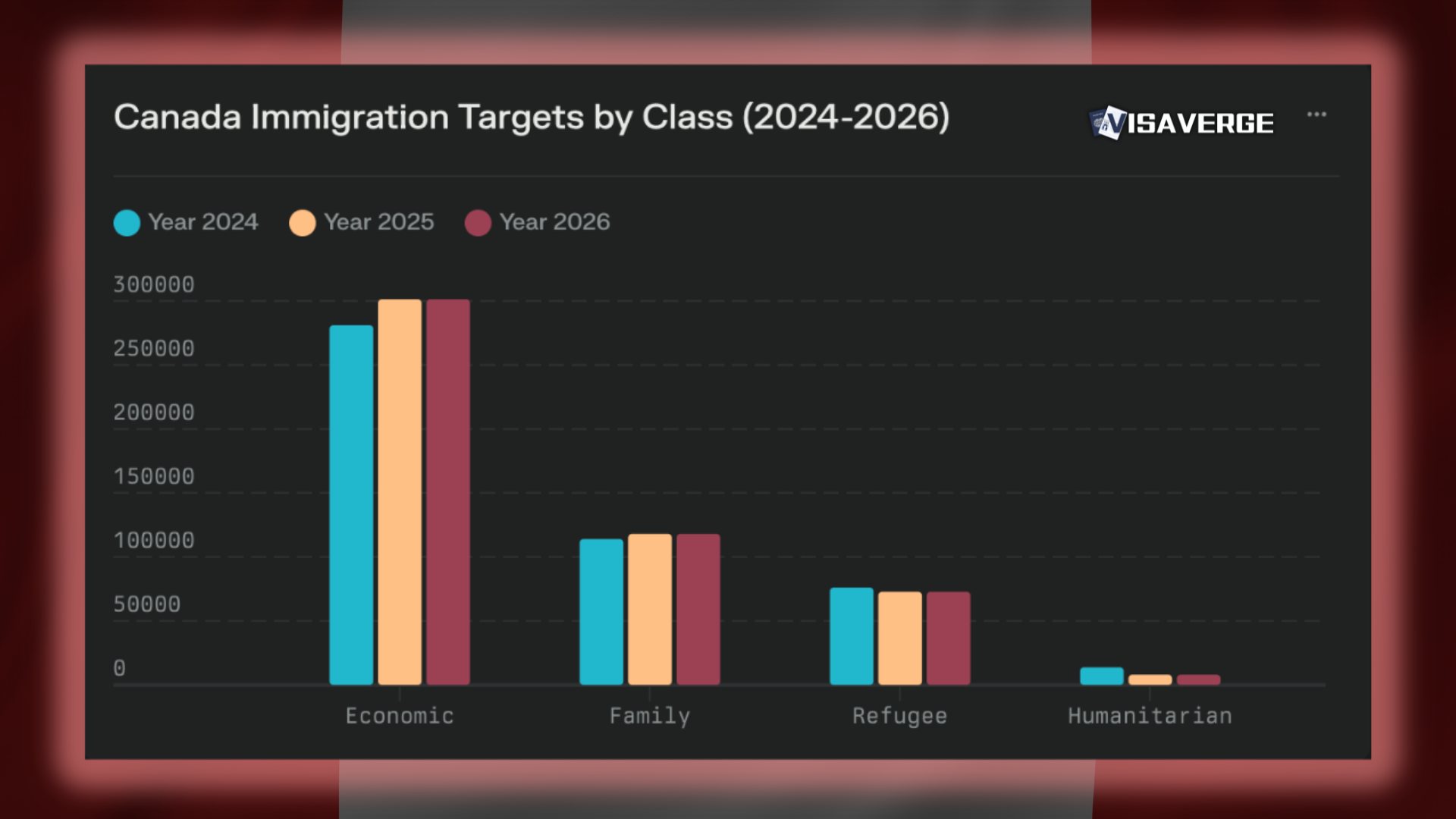
- Economic class immigrants dominate, with targets rising from 58% in 2024 to 60% by 2026, addressing labor shortages.
- Challenges include housing concerns and managing temporary residents, prompting potential target adjustments by Prime Minister Justin Trudeau.
Canada ?? is on the verge of implementing significant changes to its immigration system, a move expected to address both economic and social pressures. These changes will reflect a delicate balance between encouraging economic growth and maintaining sustainability. As the world watches, Canada prepares to adjust immigration targets and policies, aiming to better meet the needs of the nation.
Currently, Canada has set ambitious goals for new permanent residents. In 2024, the country plans to welcome 485,000 new immigrants, with targets set to rise to 500,000 by both 2025 and 2026. These figures are among the highest ever in Canadian history, highlighting the crucial role immigrants play in the nation’s economic strategy. The focus remains on economic growth, reuniting families, and honoring humanitarian commitments.

Economic Importance in Immigration
Economic class immigration occupies a significant portion of Canada’s immigration landscape. Approximately 58% of immigrants are expected to arrive through economic class programs like the Express Entry and the Provincial Nominee Program (PNP) in 2024. By 2026, this number may increase to 60%, showcasing the critical role skilled workers play in addressing labor shortages across Canada.
Free toolCanada Express Entry Points CalculatorThe Express Entry system, a point-based system for skilled immigrants, is set to increase its targets. In 2024, it plans to admit 110,700 people, with this number rising to 117,500 by 2026. In parallel, the PNP, which helps provinces select individuals whose skills meet regional needs, aims to reach 110,000 immigrants in 2024 and 120,000 by 2026. These programs are vital for tackling specific regional labor demands and ensuring that the immigration strategy aligns with local economic needs.
Family Reunification and Humanitarian Focus
Family reunification is another priority, with the goal of admitting 114,000 individuals in 2024, rising slightly to 118,000 by 2026. This category includes programs like spousal sponsorships and the Parents and Grandparents Program (PGP), which will see slight increases over the next few years.
Canada’s commitment to humanitarian efforts remains unwavering. The targets for refugees and protected persons are set at around 76,115 in 2024, with a slight decrease expected by 2026. Despite this reduction, humanitarian immigration continues to be an essential aspect of Canada’s global responsibilities.
Challenges and Possible Changes
Despite these plans, discussions have emerged around potential changes to immigration targets due to concerns about housing affordability and capacity issues within the country’s infrastructure. Prime Minister Justin Trudeau has expressed openness to adjusting these targets if deemed necessary, considering the country’s evolving needs.
A significant part of these discussions involves managing temporary residents. The number of non-permanent residents in Canada, including students, temporary workers, and asylum seekers, surged from 1.3 million in 2022 to 2.8 million by mid-2024. The government is looking to reduce these numbers to ensure sustainable population growth and lessen the strain on public services.
Economic Impact and Social Balance
Immigrants are vital to Canada’s economic stability, especially with an aging population and shortages in several labor sectors. Newcomers contribute significantly to industries such as accommodation, food services, transportation, warehousing, and professional services. The challenge lies in finding a balance between economic demands and social capacities. While businesses advocate for high immigration levels to fill labor gaps, there is also the need to integrate newcomers sustainably without overwhelming existing infrastructure.
Government’s Collaborative Approach
To achieve this balance, the federal government adopts a comprehensive approach, coordinating plans across various governmental levels and stakeholders. This strategy ensures that newcomers receive adequate support services while maintaining public confidence in Canada’s immigration system. This approach is essential to managing social concerns and economic needs efficiently.
Moving Forward
As Canada navigates potential changes in its immigration policies, the emphasis remains on finding a sustainable equilibrium between welcoming new arrivals and maintaining social cohesion. The forthcoming announcements are expected to reflect these priorities, addressing economic demands and public concerns over housing and infrastructure.
Canada’s immigration system is essential for driving economic growth, and while changes may be necessary, the focus remains on ensuring that this growth benefits all Canadians. The adjustments will be closely monitored as they play out amid complicated socio-economic challenges.
For more information on Canada’s immigration policies, you can visit the official Government of Canada Immigration and Citizenship website. As reported by VisaVerge.com, the evolution of these policies will have far-reaching impacts, not only shaping Canada’s domestic landscape but also influencing global immigration trends.
In conclusion, Canada’s immigration strategy stands at an intersection of opportunity and challenge. As the country gears up for potential policy shifts, balancing economic imperatives with societal needs will be key to maintaining its reputation as an open and inclusive nation.
Learn Today
Express Entry: A Canadian immigration program using a point-based system to select skilled workers for permanent residency.
Provincial Nominee Program (PNP): A Canadian program allowing provinces to nominate foreign nationals whose skills match regional labor market needs.
Family Reunification: An immigration policy focused on allowing family members of residents to join them in their host country.
Humanitarian Immigration: Programs aimed at providing refuge and protection to individuals fleeing persecution or human rights abuses.
Non-Permanent Residents: Individuals in Canada temporarily, including international students, temporary workers, and asylum seekers.
This Article in a Nutshell
Canada is poised for transformative immigration changes, seeking equilibrium between rapid economic growth and social infrastructure demands. With targets reaching 500,000 newcomers by 2025, Canada prioritizes skilled migration to fill labor shortages, alongside family reunification and humanitarian commitments. As challenges loom, adaptability remains crucial for sustaining an inclusive, prosperous future.
— By VisaVerge.com
Read more:
• Canada’s Ambitious Immigration Plan: What It Means for Newcomers
• Canada’s Immigration Support Hits Historic Low: What’s Behind the Shift?
• Facing the Facts: Immigrant Underemployment on the Rise in Canada
• Indian Students Protest in Canada: Work Permits Ending Soon
• India-Canada Diplomatic Rift: Future of Visa Services