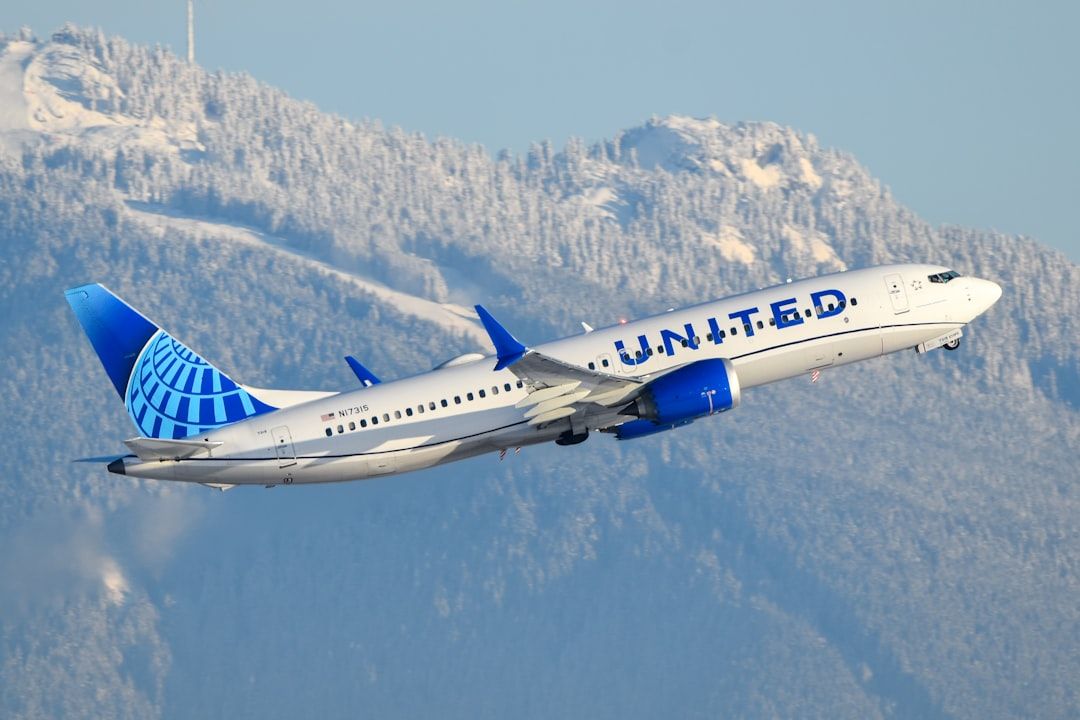
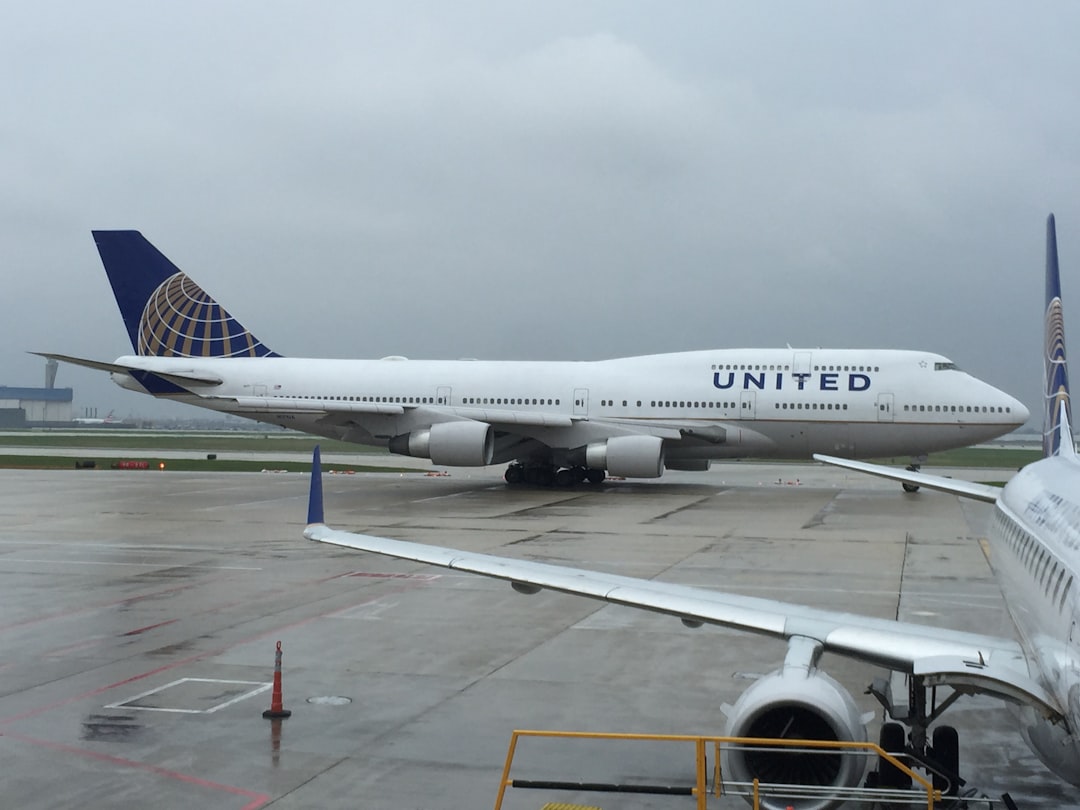
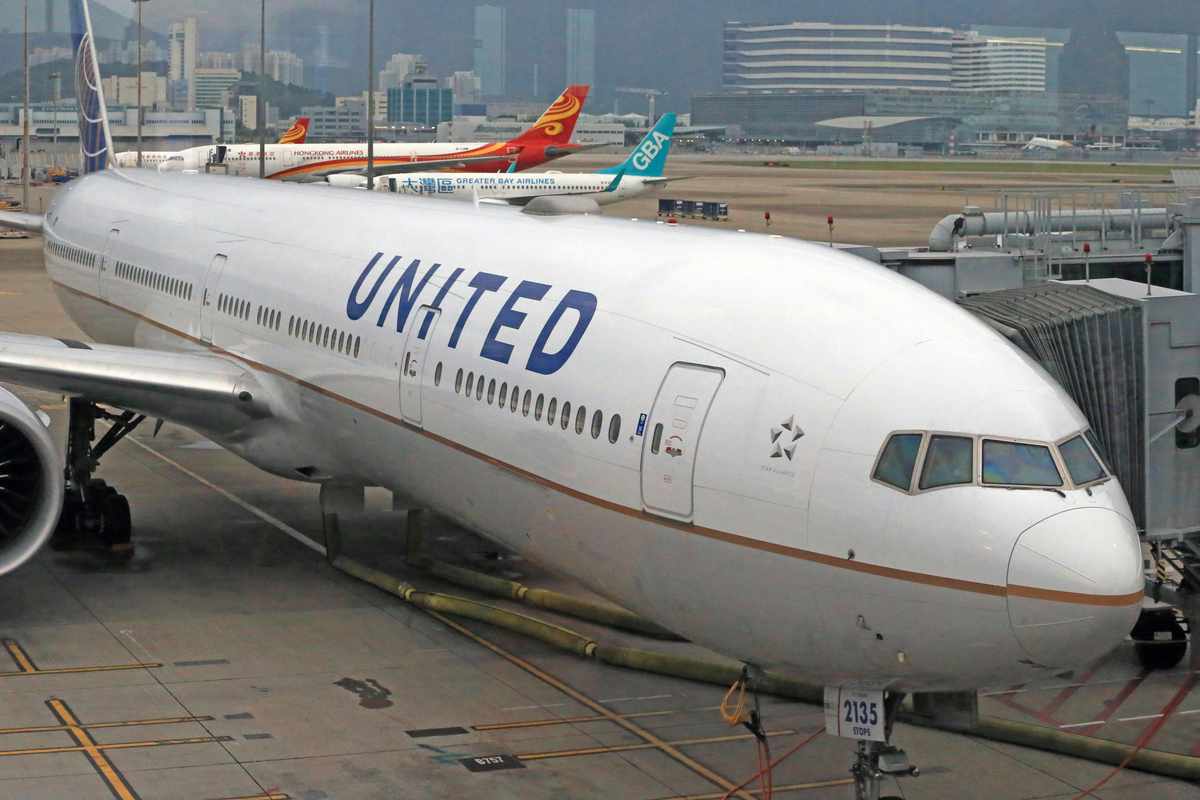
(GERMANY) United Airlines marked a rare transatlantic milestone in 2025: 35 years of nonstop service between Germany and the United States, more than 240,000 flights operated, and over 50 million passengers carried on those routes. The carrier now offers up to 4,740 daily seats across as many as 17 nonstop flights linking Frankfurt, Munich, and Berlin to six U.S. hubs, underscoring its position as the leading U.S. airline for Germany–U.S. connectivity.
United said its first German routes launched on May 16, 1990, when Boeing 767-200 aircraft connected Frankfurt to Chicago and Washington, D.C. That early schedule offered about 440 daily seats—one-tenth of today’s capacity. The steady buildup, and Germany’s strong demand for U.S. travel, helped push United’s totals past the 50 million passengers mark and more than 1.8 million tons of cargo moved over the 35-year period.
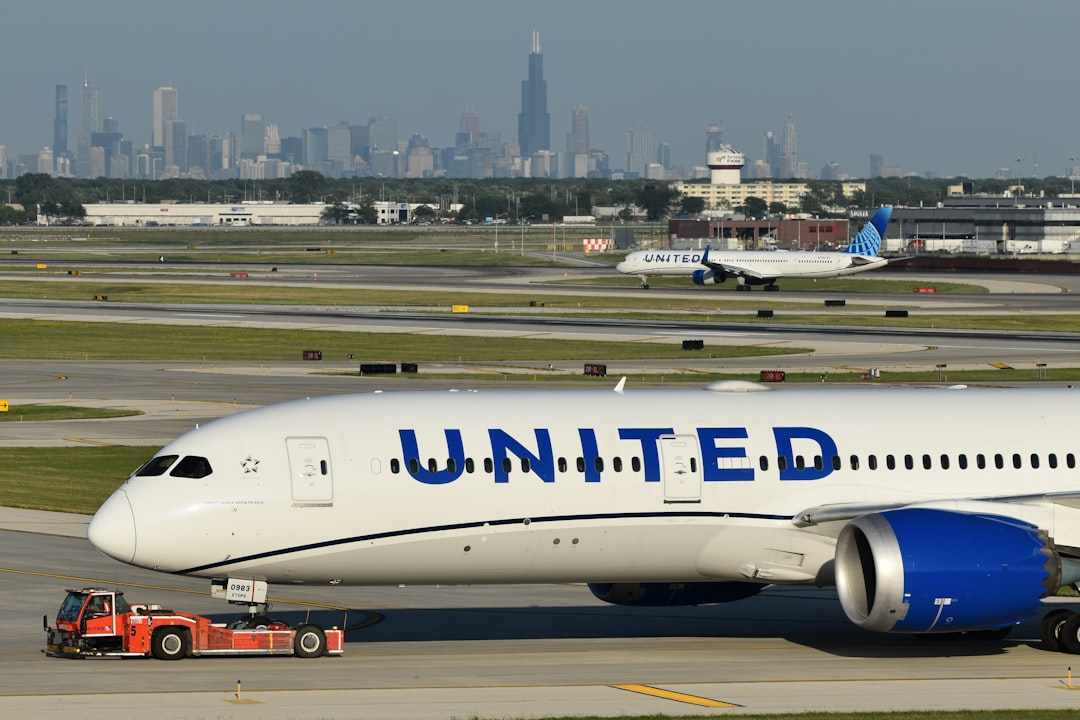
According to analysis by VisaVerge.com, these numbers reflect a broader rise in transatlantic mobility, where Germany remains one of Europe’s most active gateways to the United States. Seat occupancy on U.S. routes from German airports has been running above 90% in recent seasons, signaling demand that supports continued high-frequency service and larger aircraft.
Free toolB1/B2 Tourist Visa Stay Calculator onlineCapacity and routes in 2025
United Airlines’ current schedule features up to 17 daily nonstops from Germany to:
- Chicago (ORD)
- Denver (DEN)
- Houston (IAH)
- New York–Newark (EWR)
- San Francisco (SFO)
- Washington, D.C. (IAD)
The Frankfurt hub alone accounts for about 70 weekly departures, making it the carrier’s strongest German gateway.
On board, United deploys a mix of long-haul aircraft, including Boeing 787 Dreamliners, 777s, and 767-400ERs. Cabins typically include:
- Polaris Business (lie-flat travel)
- Premium Plus
- Economy Plus
- Economy
These cabin options help match price points with comfort needs on 8–11-hour transatlantic legs, serving both business travelers and families.
The network effect is a key part of United’s pitch. With six U.S. hubs in play, a traveler starting in Germany can connect onward to more than 300 destinations across North, Central, and South America. A single Frankfurt or Munich nonstop can feed dozens of same-day connections to secondary U.S. cities and beyond, reducing long layovers and overnight stops.
What it means for travelers and employers
For German residents planning trips to the United States, the capacity growth provides:
- More flight choices and better odds of finding convenient departure times or last-minute seats—especially in peak summer.
- Diversified recovery options during irregular operations, since multiple daily flights to the same U.S. hub offer rebooking paths that did not exist 30 years ago.
Travelers should still plan immigration and entry steps early. Many German citizens can enter the U.S. under the Visa Waiver Program using an approved Electronic System for Travel Authorization (ESTA) for stays of up to 90 days for tourism or business.
- Apply through the official portal at the U.S. government’s ESTA site and make sure passport details match your booking exactly.
- Families should complete each application separately and save confirmation numbers.
- If you’ve been denied ESTA before, or if your plans include longer stays, study, or work, you’ll likely need a visa from a U.S. Embassy or Consulate before flying.
Employers on both sides of the Atlantic benefit from the denser schedule:
- More same-day or next-day options can reduce trip times for in-person meetings, on-site work, and trade shows.
- Faster, more flexible travel supports urgent deployments—e.g., a U.S. engineer heading to a plant near Munich or a German executive meeting partners in Houston.
- Travelers should carry proper documentation for the purpose of travel, including invitation letters and employment support if relevant to the entry category.
United’s Berlin–New York/Newark route also hit a milestone: 20 years of continuous service and more than 1.7 million passengers since 2005. That nonstop has become a reliable bridge for tech, media, and cultural travel between the two cities, and it gives Berlin-based passengers a one-stop link to scores of U.S. and Latin American destinations.
Cargo and economic impacts
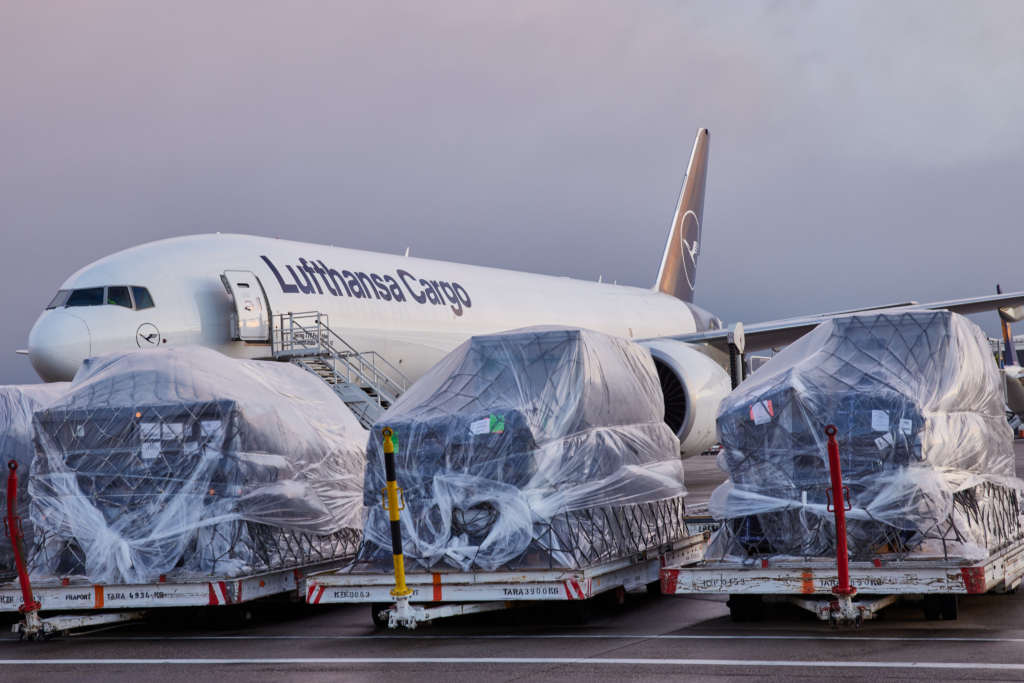
Cargo volumes have grown in tandem with the passenger boom. Since 1990, United has moved over 1.8 million tons of cargo between Germany and the United States, supporting sectors like:
- Automotive parts
- Pharmaceuticals
- High-value machinery
Widebody bellies remain vital for time-sensitive shipments, and frequent flights improve schedule reliability for exporters and importers.
Wider context and traveler considerations
While United’s totals stand out, the growth fits a larger picture across Germany. Airports such as Munich have reported milestones tied to U.S. routes since the early 1990s, and high load factors point to steady demand from both leisure and corporate travelers.
Frequent flyers say they value nonstop options to multiple U.S. hubs because it saves them a long domestic connection after landing in the United States. For passengers choosing an airline, the decision often comes down to schedule, price, and cabin experience. United’s up to 4,740 daily seats give it scale; competing carriers might match or surpass certain cabin features on specific routes, but United’s breadth of German gateways and U.S. hubs makes it an appealing option for travelers aiming for smaller American cities that require smooth connections.
Practical tips for booking Germany–U.S. trips in 2025
- Book early for peak months; high demand and >90% seat occupancy means late shoppers may pay more.
- Verify passport validity (ideally six months beyond planned return) and match all personal details across tickets and travel documents.
- If traveling under ESTA, use only the official government website and apply at least several days before departure; earlier is better.
- If not eligible for ESTA, plan extra time for a visa appointment and processing through a U.S. Embassy or Consulate.
- For medical needs, mobility assistance, or unaccompanied minors, request services from the airline as early as possible.
United Airlines says it remains the U.S. carrier with the largest offer of flights and seats between Germany and the United States in 2025. For Frankfurt-based fliers, that means more choices to Chicago, Newark, and Washington, D.C.; for Munich travelers, links to hubs like Denver and San Francisco are key; and for Berlin, the Newark service anchors long-haul access with deep U.S. connections.
The broader message: transatlantic travel has matured into a high-frequency, high-load market segment, not just a summer peak. The 35-year arc from two Frankfurt flights to a daily schedule of up to 17 nonstops shows how sustained demand, modern fleets, and strong hub connectivity can knit continents together—one flight at a time.
This Article in a Nutshell
United Airlines in 2025 celebrates three-and-a-half decades of nonstop Germany–U.S. air service, marking 35 years since its May 16, 1990 debut with Boeing 767-200 flights to Chicago and Washington, D.C. Over that period the carrier has operated more than 240,000 flights, transported over 50 million passengers and moved about 1.8 million tons of cargo. In 2025 United offers up to 4,740 daily seats across as many as 17 nonstop routes linking Frankfurt, Munich and Berlin to six U.S. hubs (ORD, DEN, IAH, EWR, SFO, IAD), with Frankfurt handling roughly 70 weekly departures. High load factors—above 90%—support sustained frequency and use of long-haul aircraft such as the Boeing 787, 777 and 767-400ER. The network connects German travelers to over 300 onward destinations in the Americas and delivers benefits for business travel, cargo reliability and flexible rebooking options. Travelers should verify ESTA eligibility or visa needs, book early for peak months, and confirm passport validity. United’s Berlin–Newark nonstop also marks 20 years continuous service, carrying more than 1.7 million passengers since 2005. The growth underscores robust transatlantic demand and the strategic role of hubs and modern fleets in sustaining high-frequency routes.