Key Takeaways
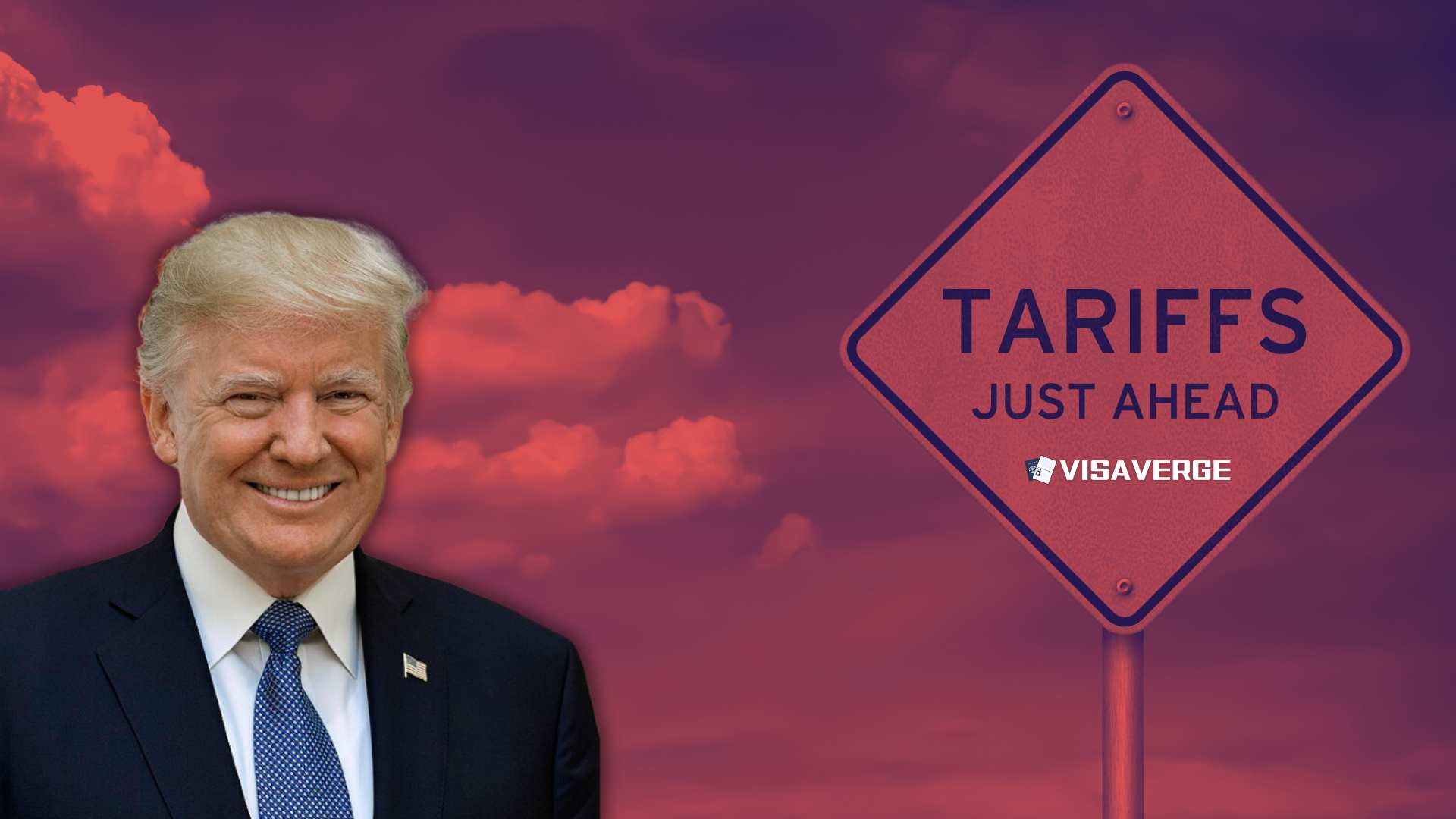
• The US raises tariffs on Canadian imports to 35% starting August 1, 2025.
• Tariff hike aims to pressure Canada over fentanyl trafficking concerns.
• Canada warns of retaliation; Canada-US trade relations face major risks.
On July 11, 2025, President Donald Trump announced a major change in trade policy between the United States ?? and Canada ??. The United States will raise tariffs on a wide range of Canadian imports to 35%, starting August 1, 2025. This is a sharp increase from the 25% tariffs that began in March 2025. The Trump administration says this move is a response to what it calls Canada’s lack of action in stopping fentanyl from entering the United States ??, even though Canada’s role in fentanyl trafficking is considered small by many experts.
This update explains what has changed, who is affected, what actions are required, and what these changes could mean for people and businesses on both sides of the border. It also looks at the possible effects on immigration, labor mobility, and the broader relationship between the United States ?? and Canada ??.
Free toolCanada Express Entry Points Calculator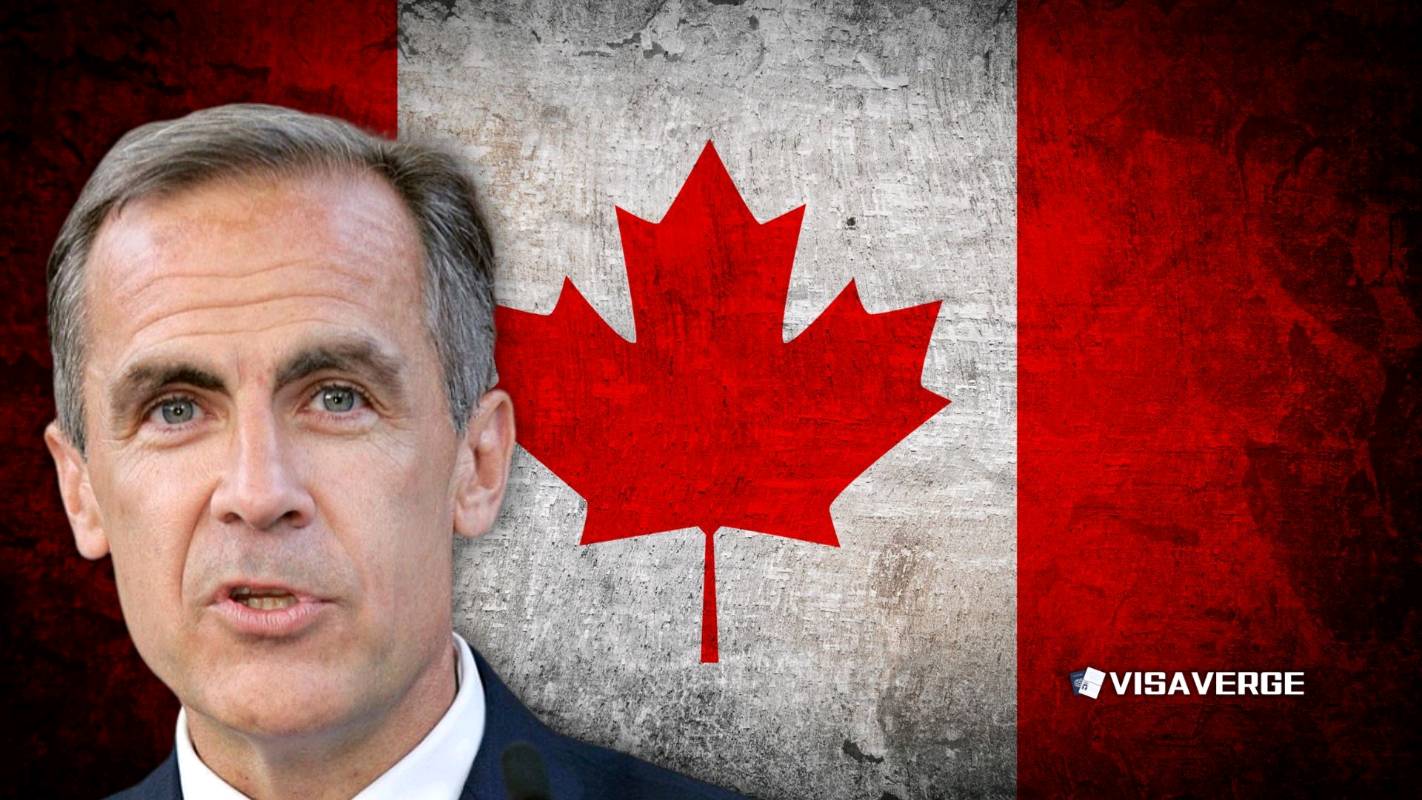
Summary of What Changed
- Tariff Increase: The United States ?? will apply a 35% tariff on many Canadian goods entering the country, starting August 1, 2025.
- Reason for Change: President Donald Trump says the increase is meant to pressure Canada ?? to do more to stop fentanyl from coming into the United States ??.
- Retaliation Warning: President Trump warned that if Canada ?? responds with its own tariffs, the United States ?? will match those and add them to the existing 35% rate.
- Canadian Response: Canadian Prime Minister Mark Carney has promised to defend Canadian workers and businesses and is seeking a solution through talks with the United States ??.
Who Is Affected
- Canadian Exporters: Businesses in Canada ?? that sell goods to the United States ?? will face much higher costs. This could make their products more expensive and less attractive to U.S. buyers.
- U.S. Importers and Consumers: American companies and shoppers who rely on Canadian goods may see higher prices and possible shortages, especially in industries like cars and farming.
- Workers: Jobs in both countries could be at risk if companies lose business or move production to avoid tariffs.
- Immigrants and Cross-Border Workers: While the main focus is on trade, ongoing economic trouble could affect people who move between the two countries for work or business.
Effective Dates and Timeline
- July 11, 2025: President Donald Trump announces the new 35% tariff.
- August 1, 2025: The new tariff rate takes effect. U.S. Customs and Border Protection will begin charging the higher rate on Canadian goods entering the United States ??.
- Ongoing: Canada ?? is considering its response. If Canada ?? imposes its own tariffs, the United States ?? has said it will increase its tariffs even more.
Required Actions for Those Affected
For Canadian Exporters:
– Review Product Lists: Check if your goods are on the list of items facing the new 35% tariff. The full list is expected to be released soon by the U.S. government.
– Plan for Higher Costs: Prepare for increased costs when selling to the United States ??. This may mean raising prices, cutting costs, or looking for new markets.
– Consider Relocation: President Trump has suggested that Canadian companies could move production to the United States ?? to avoid tariffs. This is a big decision that requires careful planning.
– Stay Informed: Watch for updates from the Government of Canada’s international trade website for the latest information and support.
For U.S. Importers and Businesses:
– Check Supply Chains: Find out if your business relies on Canadian goods that will now cost more.
– Budget for Higher Prices: Plan for possible price increases and delays.
– Look for Alternatives: Consider other suppliers or products if Canadian goods become too expensive.
For Workers and Families:
– Monitor Job Security: If you work in industries affected by trade with Canada ??, stay alert for changes in your job situation.
– Seek Support: Both governments may offer help or advice for workers affected by the tariffs.
For Immigrants and Cross-Border Workers:
– Watch for Policy Changes: While no immediate changes to immigration or visa policies have been announced, ongoing trade trouble could lead to new rules or restrictions in the future.
– Stay Connected: Follow updates from official sources, such as the U.S. Citizenship and Immigration Services and Immigration, Refugees and Citizenship Canada.
Implications for Pending Applications and Future Plans
If you are a business owner, worker, or immigrant with plans that depend on U.S.-Canada trade, it’s important to understand how these changes could affect you:
- Pending Trade Applications: If you have goods waiting to be shipped to the United States ??, check if they will arrive before or after August 1, 2025. Goods arriving after this date will face the new 35% tariff.
- Business Expansion or Relocation: Companies considering expanding or moving to the United States ?? may find this is now a more attractive option, but it comes with costs and risks.
- Work Permits and Visas: While the new tariffs do not directly change immigration rules, a long trade dispute could affect labor mobility agreements, such as those under the United States-Mexico-Canada Agreement (USMCA).
- Student and Professional Exchanges: If economic trouble continues, there could be fewer opportunities for students and professionals to move between the two countries.
Background and Context
The relationship between the United States ?? and Canada ?? has been mostly friendly, but trade tensions have grown since early 2025. In March, the United States ?? first imposed a 25% tariff on some Canadian goods. Now, the Trump administration is raising that to 35% for a wider range of products.
President Donald Trump says the reason for the increase is to force Canada ?? to do more to stop fentanyl from coming into the United States ??. Fentanyl is a powerful drug that has caused many deaths in the United States ??. However, experts say most fentanyl comes from other countries, and Canada’s role is small. Still, the Trump administration is using trade policy to try to solve this problem.
Prime Minister Mark Carney has responded by promising to protect Canadian workers and businesses. He says Canada ?? has made progress in fighting the fentanyl crisis and wants to work with the United States ?? to keep both countries safe. Carney also says Canada ?? will keep building strong trade partnerships around the world.
Step-by-Step Process of Tariff Implementation
- Announcement: President Donald Trump sends an official letter to Prime Minister Mark Carney and makes public statements about the new tariffs.
- Effective Date Set: The 35% tariff will start on August 1, 2025.
- Customs Enforcement: U.S. Customs and Border Protection will begin charging the new rate on Canadian goods entering the United States ?? from that date.
- Possible Retaliation: If Canada ?? responds with its own tariffs, the United States ?? will raise its tariffs even higher.
Practical Implications for Stakeholders
For Canadian Exporters:
– Higher Costs: Goods sent to the United States ?? will cost more, making it harder to compete.
– Possible Job Losses: If companies lose business, they may have to lay off workers.
– Need for New Markets: Businesses may look to sell their products in other countries to make up for lost sales in the United States ??.
For U.S. Consumers and Businesses:
– Higher Prices: Products from Canada ?? may become more expensive in U.S. stores.
– Supply Chain Problems: Industries like cars and farming, which rely on Canadian parts or products, could face delays or shortages.
For Both Governments:
– Risk of Trade War: If both sides keep raising tariffs, it could lead to a trade war that hurts both economies.
– Pressure to Negotiate: Both countries may feel pressure to find a solution before the situation gets worse.
Expert Analysis and Perspectives
Trade experts warn that using tariffs to solve problems like drug trafficking is unusual and risky. They say it could set a bad example for other countries and make trade disputes harder to solve in the future. Many experts also point out that Canada’s role in fentanyl trafficking is small, and the tariff increase may not solve the real problem.
Canadian officials say the tariff hike is unfair and not based on facts. They stress that Canada ?? is working hard to fight the fentanyl crisis and wants to work with the United States ?? as partners, not rivals.
The Trump administration, however, insists that the tariffs are needed to protect American interests and push Canada ?? to do more.
Future Outlook and Possible Developments
- Negotiations: Talks between the two countries are expected to continue before the August 1 deadline. Canada ?? has said it is open to finding a solution.
- Economic Impact: If the tariffs stay in place for a long time, both economies could suffer. Jobs could be lost, and supply chains could be disrupted.
- Policy Changes: If either side makes concessions or new facts come out about the fentanyl crisis, the tariffs could be changed or removed.
Official Resources for More Information
- Government of Canada – Trade Policy: For updates and support, visit the Government of Canada’s international trade website.
- Office of the U.S. Trade Representative: For official U.S. policy documents and statements, see the U.S. Trade Representative website.
- Prime Minister’s Office (Canada): For statements from Prime Minister Mark Carney, check the official PMO website.
Common Questions and Answers
Why are tariffs being increased?
President Donald Trump says the increase is to pressure Canada ?? to do more to stop fentanyl from entering the United States ??.
What goods are affected?
A wide range of Canadian exports will face the 35% tariff. The full list will be released soon by the U.S. government.
What can Canadian businesses do?
Businesses can look for new markets, try to get exemptions, or consider moving production to the United States ?? to avoid tariffs.
Will this affect immigration or visa policies?
There are no immediate changes to immigration or visa rules. However, if the trade dispute continues, it could affect labor mobility and cross-border work in the future.
Summary Table: Key Facts and Dates
| Event/Policy | Date/Deadline | Details/Impact |
|---|---|---|
| Initial U.S. tariffs | March 2025 | 25% tariff on select Canadian goods |
| Tariff increase announced | July 11, 2025 | 35% tariff, effective August 1, 2025 |
| Canadian response | Ongoing | Vows to defend workers, seeks negotiation |
| Retaliation warning | July 11, 2025 | U.S. will match any Canadian retaliatory tariffs |
Actionable Takeaways and Next Steps
- Stay Updated: Businesses and individuals should regularly check official government websites for the latest news and guidance.
- Prepare for Higher Costs: Both Canadian exporters and U.S. importers should plan for increased costs and possible delays.
- Consider Legal Advice: Companies with complex supply chains or cross-border operations may want to seek legal or trade advice.
- Monitor Immigration News: Anyone planning to move, work, or study across the border should watch for any changes in immigration or visa policies.
As reported by VisaVerge.com, these new tariffs mark a turning point in U.S.-Canada trade relations, with possible ripple effects for workers, businesses, and families on both sides of the border. The situation is changing quickly, and both governments are working to find a solution that protects their people and economies.
For the most current and official information on Canada’s trade policy and how it may affect you, visit the Government of Canada’s international trade website.
By staying informed and prepared, businesses and individuals can better manage the challenges and opportunities that come with these new trade rules.
Learn Today
Tariff → A tax imposed on imported goods to increase their cost and protect domestic industries.
Fentanyl → A powerful synthetic opioid drug linked to significant overdose deaths in the US.
Retaliation → A government’s countermeasure, such as imposing tariffs, in response to another country’s actions.
USMCA → The United States-Mexico-Canada Agreement regulating trade and labor mobility among the three countries.
Customs and Border Protection → US agency enforcing import tariffs and controls at the national borders.
This Article in a Nutshell
On August 1, 2025, the US sharply increases tariffs on Canadian goods to 35%, pressuring Canada over fentanyl. This raises costs for exporters, importers, and consumers, risking trade disruptions, job losses, and possible cross-border policy impacts amid ongoing tensions between the two countries.
— By VisaVerge.com