- Major 2026 shifts include new $100,000 H-1B fees and wage increases for employers.
- Immigrant visas are paused for 75 countries causing significant delays for families.
- Lawful permanent residents face tighter travel scrutiny and enhanced border enforcement operations.
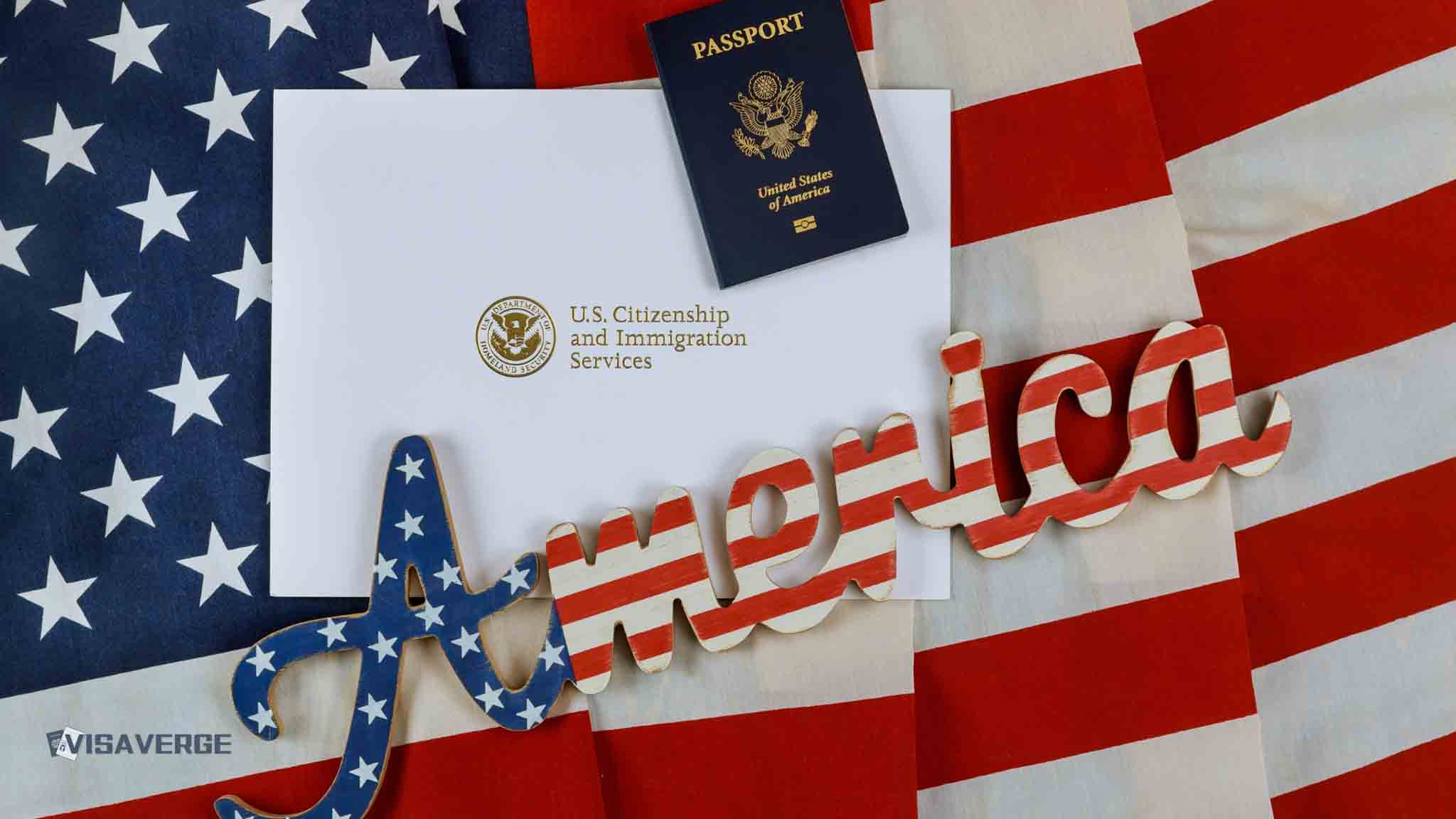
(UNITED STATES) U.S. immigration policy is heading into another sharp shift in 2026, with new visa restrictions, tougher enforcement, and a more expensive H-1B visa regime reshaping how workers, students, families, and green card holders move through the system. The changes also sit against a wider political backdrop, where trade fights and retaliatory tariffs draw headlines while immigration agencies tighten the rules that govern who can enter, stay, and work in the country.

New Restrictions Across Visa Categories
Beginning January 21, 2026, the administration paused immigrant visas for nationals of 75 countries, a move that immediately slowed family and employment immigration for many applicants. The same period brought broader scrutiny at the border and inside the country, with green card holders facing tougher travel checks and ICE expanding enforcement operations. Visa applicants from affected countries now face longer waits, more interviews, and a higher risk of delay.
April 2026 brought another round of movement through the visa bulletin, the monthly chart that tells applicants when they may file or finish permanent residence cases. Employment-based categories received fresh updates, and that matters for people already waiting in line with approved petitions. A forward shift in the visa bulletin can open the door to adjustment filings. A slowdown can trap families in limbo for months.
Free toolCanada Express Entry Points CalculatorAccording to analysis by VisaVerge.com, these changes show a system moving toward tighter control at every stage, from consular processing to final admission at the port of entry. For applicants, the practical effect is clear: documents that once moved with predictability now face closer review and longer decision times.
H-1B Visa Costs and Employer Pressure
The H-1B visa program is undergoing one of its most dramatic changes in years. New rules now require a $100,000 fee in addition to wage increases, raising the cost of hiring foreign professionals for employers across technology, finance, engineering, and health care. For companies that rely on global hiring, that is not a routine adjustment. It changes staffing budgets and forces a harder look at who gets sponsored.
Workers already in the pipeline feel the pressure too. The H-1B visa remains the main route for many skilled foreign nationals to work in the United States, but the higher cost now pushes employers to narrow sponsorship decisions. That affects new graduates, midcareer specialists, and firms that once used H-1B hiring to fill gaps quickly.
Green Card Holders, Asylum, and Enforcement
Green card holders also face a more cautious environment. Travel has become more sensitive, with more questioning and greater scrutiny for lawful permanent residents returning from trips abroad. For many families, that raises anxiety at the airport and creates new pressure to carry strong evidence of residence, ties, and travel purpose.
The asylum system is changing as well. New rule changes have tightened access, while expanded enforcement adds more arrests and removals. Those shifts affect people already inside the United States, including families trying to keep cases alive while they wait for hearings, appeals, or work authorization. The policy message is unmistakable: fewer pathways, more checks, and faster enforcement.
Citizenship verification executive orders also add another layer of concern. Applicants and advisers are watching how those orders will shape documentation standards and eligibility review. In an immigration system already stretched by backlogs, every extra step creates another point where a file can stall.
What Employers and Families Are Watching Now
For employers, the biggest immediate issue is cost. The H-1B visa fee increase changes the math for every petition, especially when companies file for several workers at once. For families, the visa bulletin remains the document to watch because it decides when green card cases can move forward. For travelers, the pause on immigrant visas for nationals of 75 countries and the tighter border checks mean more preparation before any trip.
The larger pattern is one of restriction, not expansion. While retaliatory tariffs can reshape trade flows, the immigration measures now moving through Washington change people’s daily lives directly. They determine whether workers can accept jobs, whether parents can reunite with children, and whether students or professionals can stay in status.
Official guidance continues to matter. Applicants checking the latest Visa Bulletin should track their priority dates carefully. Employers sponsoring an H-1B visa worker should also monitor USCIS updates on filing rules and fee requirements at USCIS. Small timing errors now carry bigger consequences.
Across the system, the message is consistency harder to find and harder to rely on. Families waiting for immigrant visas, students planning work transitions, and employers building teams all need to read each new notice closely. The visa bulletin remains the pace setter, but enforcement and fees now shape the rest of the journey.
Adjustment Filings and the Queue Ahead
Families with pending adjustment cases are also watching how the visa bulletin interacts with employment-based filings. When dates move, applicants can file Form I-485, the application to register permanent residence or adjust status, through USCIS. When dates stall, work permits and travel documents often remain tied to older filing stages, creating more uncertainty for households.
Employers face planning problems. A higher filing cost changes not only hiring budgets, but also timelines for projects that depend on specialized staff. Companies that sponsor engineers, analysts, researchers, and health workers now need to weigh each petition against needs, caps, and the risk that a delayed case can leave a position open for months.
Travel advisers are telling green card holders to keep old and new records together before any trip. That means passports, residency cards, tax papers, employer letters, and proof of U.S. ties. Border officers are asking more questions, and travelers who cannot show a clear pattern of residence face more delay at inspection.
Taken together, the changes mark a tougher phase for immigration processing. The visa bulletin still offers the clearest monthly signal, but fee hikes, visa pauses, and enforcement shifts now shape the outcome far earlier in the process. For many families, the question is no longer only when a date becomes current, but whether the entire path stays open long enough to reach it safely.