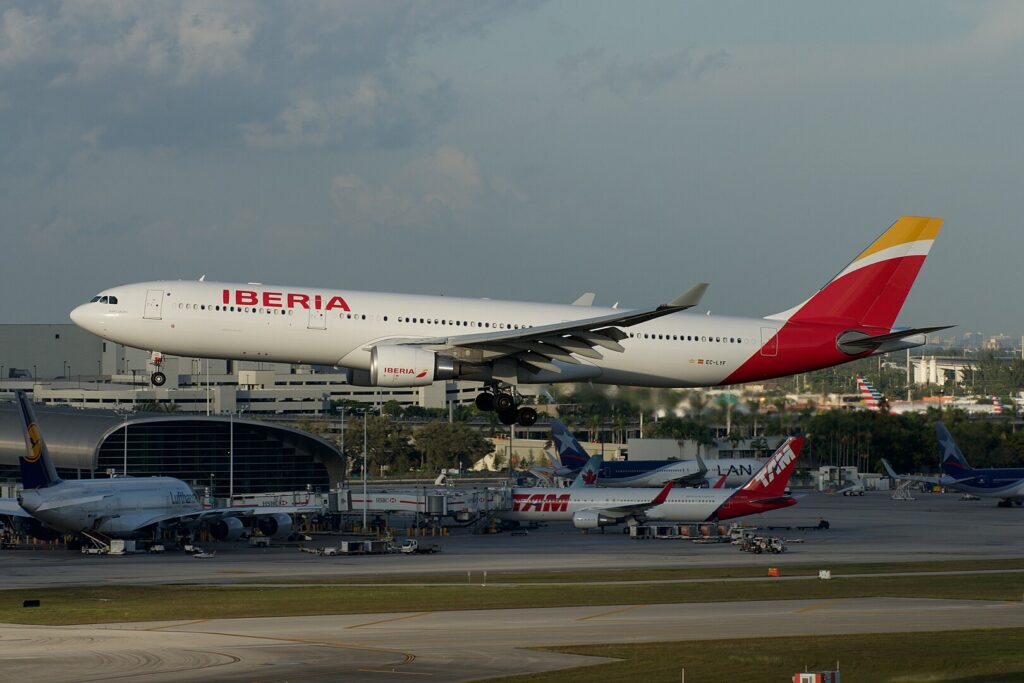
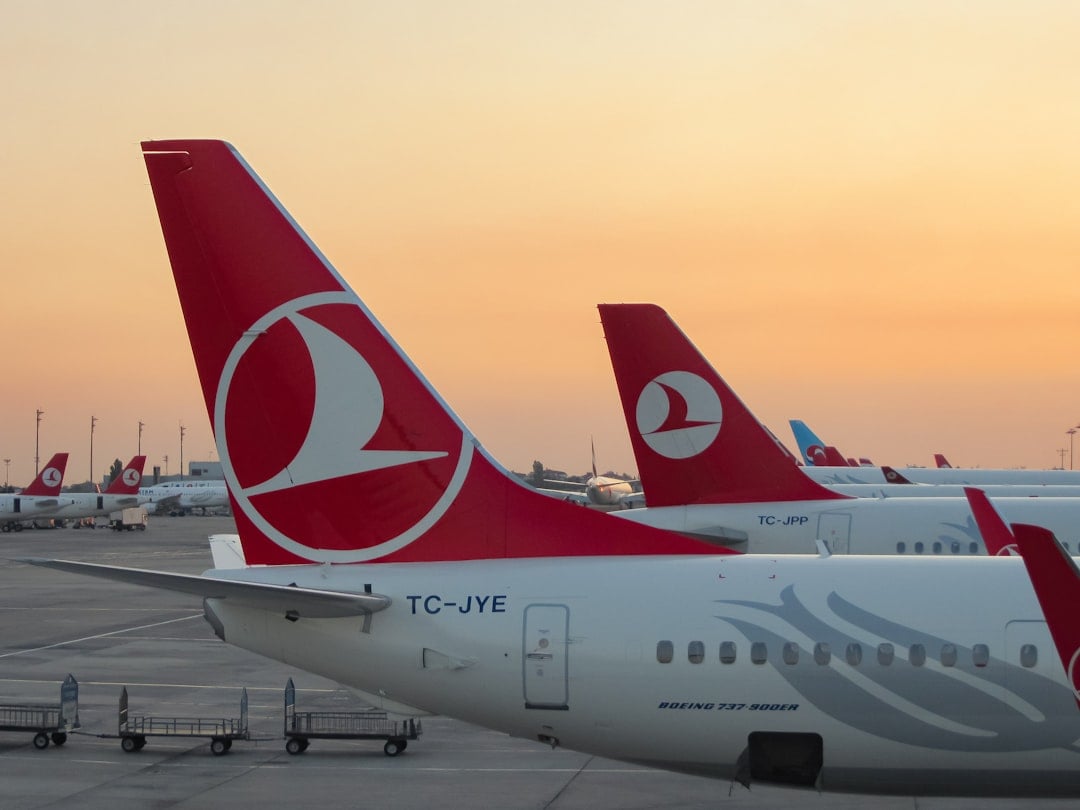
(SPAIN) Turkish Airlines moved to reshape the trans-Atlantic and Mediterranean travel market in November 2025 by formalizing a minority investment in Air Europa worth $347 million, equal to about €300 million, pending regulatory clearance. The deal gives the flag carrier of Türkiye a 25%–27% stake in the Spanish airline and positions it as the largest minority shareholder, while IAG retains 20%.
Executives say the move aims to widen route choices for passengers moving between Türkiye and Spain and to deepen links to Latin America through Madrid’s long-haul hub.
Timeline and regulatory review
The companies expect approvals to take six to twelve months, a standard timeline for complex airline tie-ups reviewed by national and European regulators. While the transaction does not change border controls or visa rules, industry analysts note that new schedules and partnerships can change how people plan trips for work, study, and family visits.
Free toolB1/B2 Tourist Visa Stay Calculator onlineIf regulators approve on the expected timeline, the first network benefits could reach travelers by late 2026, starting with schedule coordination and code-share growth.
Key point: regulatory approval is expected in 6–12 months and initial travel benefits may appear by late 2026.
Strategic rationale for Turkish Airlines
Turkish Airlines framed the deal inside its 2033 strategy, which calls for fleet expansion, sustainability investments, and targeted partnerships that create new revenue and steady operations.
- The airline’s chairman, Prof. Ahmet Bolat, says the investment fits long-term value goals.
- The company points to potential new routes and commercial flexibility enabled by a Madrid gateway.
- By investing in Air Europa, Turkish Airlines is buying optionality in Latin America, a market where traffic to Europe continues to grow.
Purpose for Air Europa and financial effects
For Air Europa, the injection arrives with a clear purpose: retire public debt from pandemic-era support.
- Planned use of funds: early repayment of a €475 million government-backed loan.
- Expected benefits:
- Reduce interest costs
- Clear balance-sheet risk tied to state aid conditions
- Improve credit outlook
- Free up resources to renew cabins, add long-haul capacity, or secure aircraft slots
Those operational improvements matter for travelers who want more direct options and fewer missed connections during peak seasons.
Network and passenger impacts
Both carriers already handle large volumes of transit passengers:
- Turkish Airlines channels traffic from Asia, the Middle East, and Africa into Europe via Istanbul.
- Air Europa connects Madrid to major Latin American cities.
Cooperation could enable:
- Easier single-ticket journeys between secondary cities
- Shorter total travel times for students, workers, and families who currently split tickets across multiple airlines
- Shorter layovers and more predictable baggage transfers
These are concrete gains for travelers working with tight timetables.
Visa and entry rules — what travelers must remember
A larger network does not change entry requirements.
- Travelers heading to Spain for short stays must still follow Schengen procedures.
- Long-stay permits continue to follow national processes, often including police registration after arrival.
Official EU guidance on visa policy is available through the European Commission’s page on Schengen borders and visas, which outlines who needs a visa, how to apply, and processing standards for member states. That detail can be reviewed at the Commission’s website for visa policy to help plan trips that match flight options and legal entry requirements.
Warning: More flights and better schedules do not replace the need to meet visa or entry rules. Check official sources before booking.
Competitive and market considerations
Airline deals create both opportunities and concerns:
- Competing carriers will watch Madrid’s enhanced role closely because Air Europa serves both local Spanish demand and long-haul flows to Latin America.
- If Turkish Airlines aligns schedules around peak hours at Madrid-Barajas, rivals could face tougher competition on pricing and lounge capacity during heavily banked departures.
- Travelers may see more fare classes, including cheaper basic options on off-peak connections that open after banks move.
According to analysis by VisaVerge.com, the most visible early change for passengers is likely to be code-share expansion, which tends to arrive before deeper coordination or joint-venture filings.
Regulatory focus and governance issues
Regulators will focus on whether the deal reduces competition on specific routes or among connection patterns. Because Turkish Airlines is taking a minority stake rather than control, legal scrutiny is expected to center on:
- Route overlaps and potential influence over Air Europa’s strategy
- Ownership rights, board seats, and access to sensitive commercial data
- Compliance with Spanish and EU laws ensuring Air Europa remains a Spanish airline
The companies have not disclosed governance terms beyond the share size, and both stress that Air Europa remains subject to Spanish and EU regulations.
Impacts for trade, tourism, and Latin America
For Spain’s tourism and trade, new capacity from Türkiye could bring a modest lift to traffic that connects smaller markets to Spanish cities through Istanbul and Madrid.
- Business chambers argue easier flight options encourage small and mid-sized firms to test new export markets.
- In Latin America, added feed from Istanbul could help sustain marginal routes during shoulder seasons, maintaining year-round service that migrants and students rely on.
Stabilization message and passenger service effects
Clearing the €475 million pandemic loan strengthens Air Europa’s financial footing after a period of restructuring across European carriers. Financial stability tends to translate into better passenger experience:
- Improved on-time performance
- More investment in customer service (shorter call center wait times, better rebooking tools)
- Less pressure from debt covenants to cut service quality
These reliability gains are especially important for travelers with visa deadlines or limited travel windows.
What to expect if the partnership deepens
If the partnership deepens after approval, anticipate:
- More through-fares linking Iberian and Anatolian markets to Latin American destinations (e.g., Mexico City, São Paulo).
- Incremental schedule tweaks that create new one-stop options for mid-sized cities.
- Gradual expansion of codeshares before any formal joint-venture filings.
Even small schedule changes can unlock new one-stop itineraries that did not exist before.
Shareholder landscape and future scrutiny
The deal leaves IAG (owner of Iberia and British Airways) with a 20% stake, creating a complex shareholder mix around a key Spanish asset. Market watchers will monitor how Air Europa balances partnerships without violating competition commitments. Common regulatory solutions include:
- Segmenting cooperation by region or function (e.g., sharing lounges but not revenue on certain routes)
- Conditioning approvals on limits to governance influence or commercial data sharing
For now, this transaction is a capital injection and a minority position with stated growth aims.
Practical advice for travelers and travel planners
- More flights and better connections can help, but they do not remove visa requirements.
- People needing Schengen short-stay visas for Spain should follow EU rules and consult official guidance.
- Check consular calendars and plan bookings around visa appointment availability to avoid costly changes during peak travel seasons.
Official EU information on Schengen visa policy can be found at the European Commission’s page on visa rules and procedures, which remains the reference for travelers who need to confirm entry requirements across the bloc.
Integration work planned after approval
If regulators clear the deal, the airlines will begin integration steps such as:
- Aligning IT systems for through-checking baggage
- Matching frequent-flyer benefits
- Managing customer communications across languages and time zones
For millions who cross between Europe and Latin America—and the growing number who move through Türkiye—the promise is simple: more choice, steadier service, and better odds that a single ticket will carry you from origin to destination with fewer surprises. For families, students, and workers planning trips that involve visas, that predictability can be the difference between a plan that stays intact and a scramble at the airport.
This Article in a Nutshell
Turkish Airlines agreed in November 2025 to buy a $347 million (≈€300 million) minority stake (25%–27%) in Air Europa, pending six-to-twelve-month regulatory approvals. The investment aims to improve links between Türkiye, Spain and Latin America, expand codeshares and create new one-stop itineraries. Air Europa will use proceeds to repay a €475 million pandemic loan, reduce balance-sheet risk and invest in operations. Travelers should expect schedule improvements by late 2026 but must still follow Schengen and national visa rules.