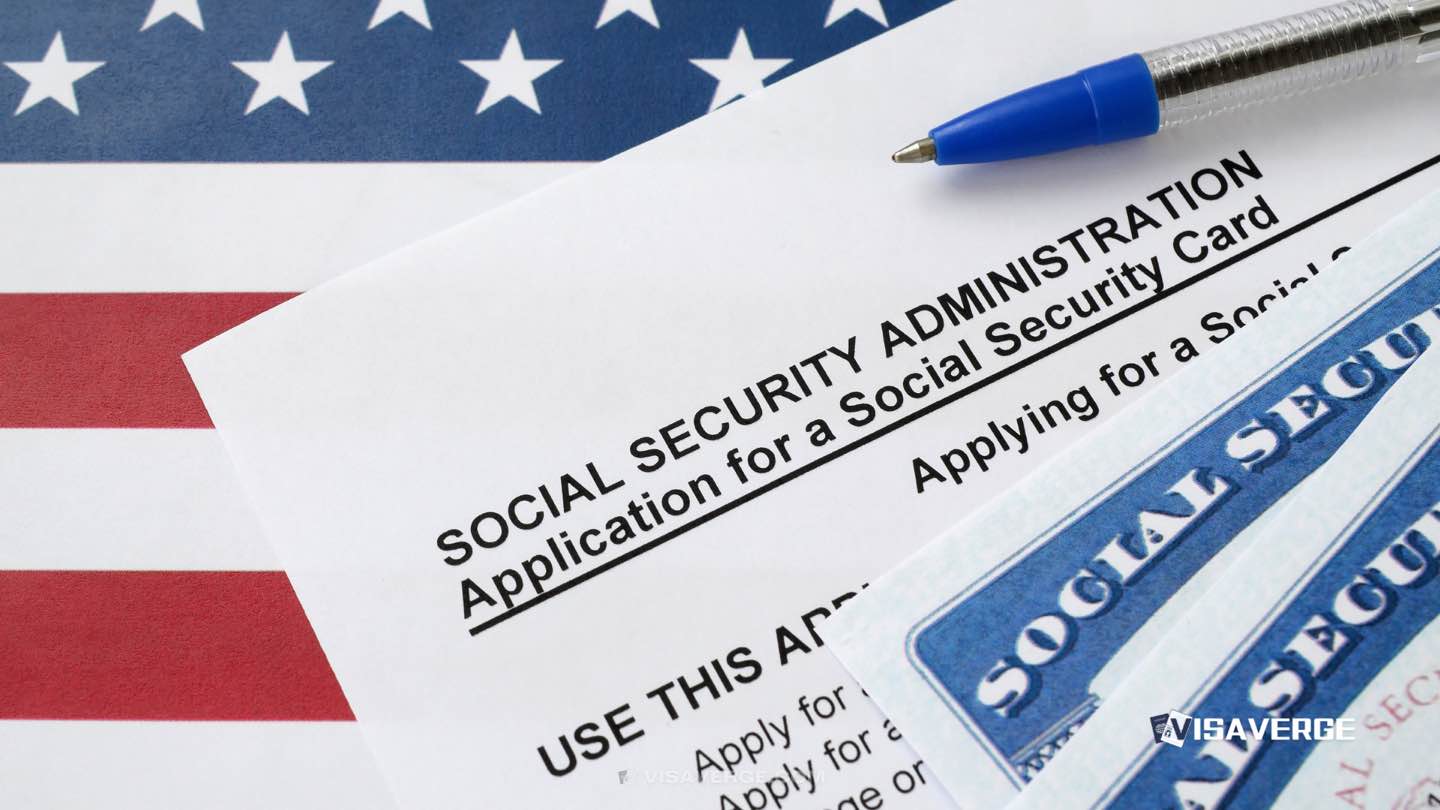
- SSA will issue a Freedom 250 commemorative card to U.S.-born babies from July 2 through December 31, 2026.
- Only newborns enrolled through Enumeration at Birth qualify; no extra paperwork or fee is required.
- The limited-edition card has the same legal purpose, and more than 3.5 million children are born yearly in the U.S.
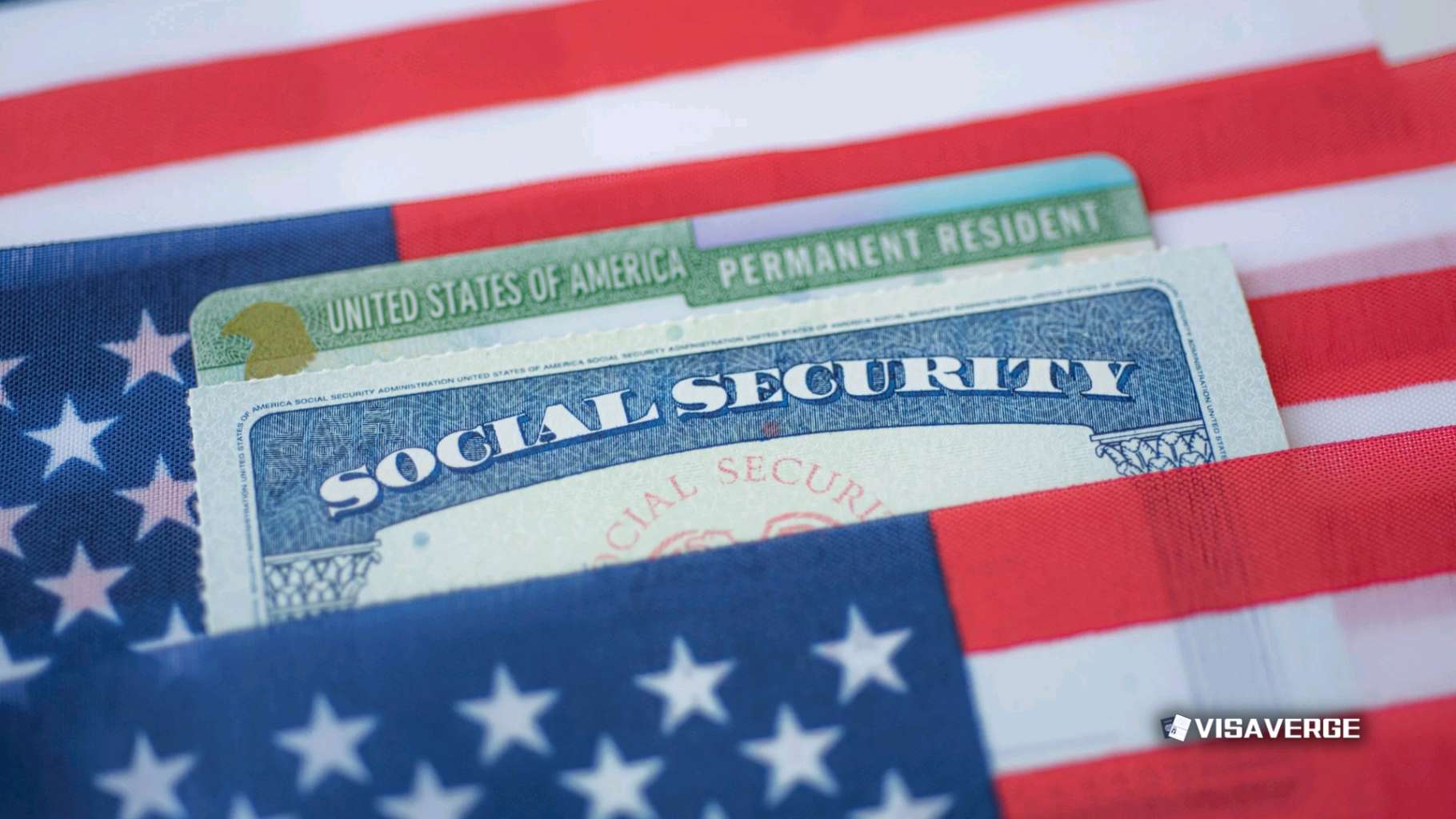
(UNITED STATES) — The Social Security Administration is issuing a Freedom 250 commemorative Social Security card to babies born in the United States between July 2, 2026, and December 31, 2026, marking the country’s 250th anniversary.
The limited-edition card goes only to newborns whose original Social Security number is assigned through Enumeration at Birth, the program parents use when they request a number during birth registration at hospitals, birthing centers, or with licensed midwives.
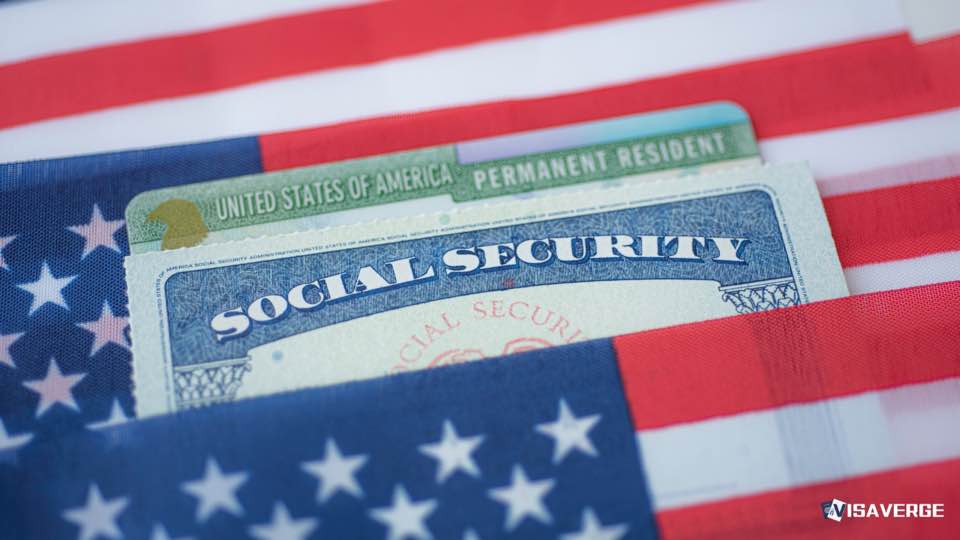
Parents do not need to file extra paperwork, pay a fee, or sign up separately. The commemorative version is issued automatically during the standard birth registration process.
Children born before July 2, 2026, or after December 31, 2026, receive the standard Social Security card instead. The same applies to anyone who later asks for a replacement or duplicate card, even if that person was born during the qualifying period.
The commemorative design features the official Freedom 250 logo in black ink. Its function does not change: the card carries the same legal purpose as a standard Social Security card, and the child’s Social Security number remains unchanged.
The agency said the design comes at no additional cost to families or taxpayers. Only original cards issued through Enumeration at Birth during that six-month period carry the commemorative version, making it a one-time release tied to the anniversary year.
The rollout covers a narrow birth window, but the scale is still large. More than 3.5 million children are born annually in the United States, which means millions of families could receive the commemorative card during the program.
The card arrives through a process many parents already complete before leaving a medical facility. During birth registration, parents can request a Social Security number for a newborn, allowing the agency to issue the original card without a separate application after birth.
That automatic process also defines the boundary of who qualifies. A newborn delivered in the United States within the eligible period can receive the commemorative card if the original number is issued through the birth-registration channel; someone seeking a card later through replacement or duplicate procedures does not.
The agency also attached a fraud warning to the program. SSA will never call, text, or email parents to request payment for a commemorative card, and it will not ask for information beyond what families already provide during standard birth registration.
That point matters in a system where routine government services often attract impostors seeking fees or personal data. In this case, families do not need to buy anything, register on a separate platform, or respond to outreach promising special access to the Freedom 250 design.
The commemorative card changes appearance, not status. It works identically to the standard version used for the same legal and administrative purposes, with the black-ink anniversary logo as the only visible distinction.
Because the card is restricted to original issuance at birth, the design also creates a sharp divide between newborns in the eligible window and everyone else. A child born on July 1, 2026, receives the regular card; a child born one day later, with an original number issued through Enumeration at Birth, receives the anniversary version.
The same cutoffs apply at the end of the year. Babies born after December 31, 2026, fall outside the program, and any later request for another copy returns to the standard format rather than the commemorative one.
Families interested in the limited-edition card do not need to change how they handle birth paperwork. Completing the usual registration and requesting a Social Security number through the birth process remains the only step required for eligible newborns to receive the Freedom 250 version.