- New citizens must update Social Security records to reflect their naturalized status for taxes and benefits.
- The update removes work restrictions from the card, simplifying the onboarding process for new employment.
- Applicants should use online digital tools like oSSNAP to accelerate processing and minimize office wait times.
New U.S. citizens should update their Social Security record soon after naturalization. The change protects payroll records, tax filings, and future benefits, and it removes the old work-only restriction that often appears on a citizen’s card.
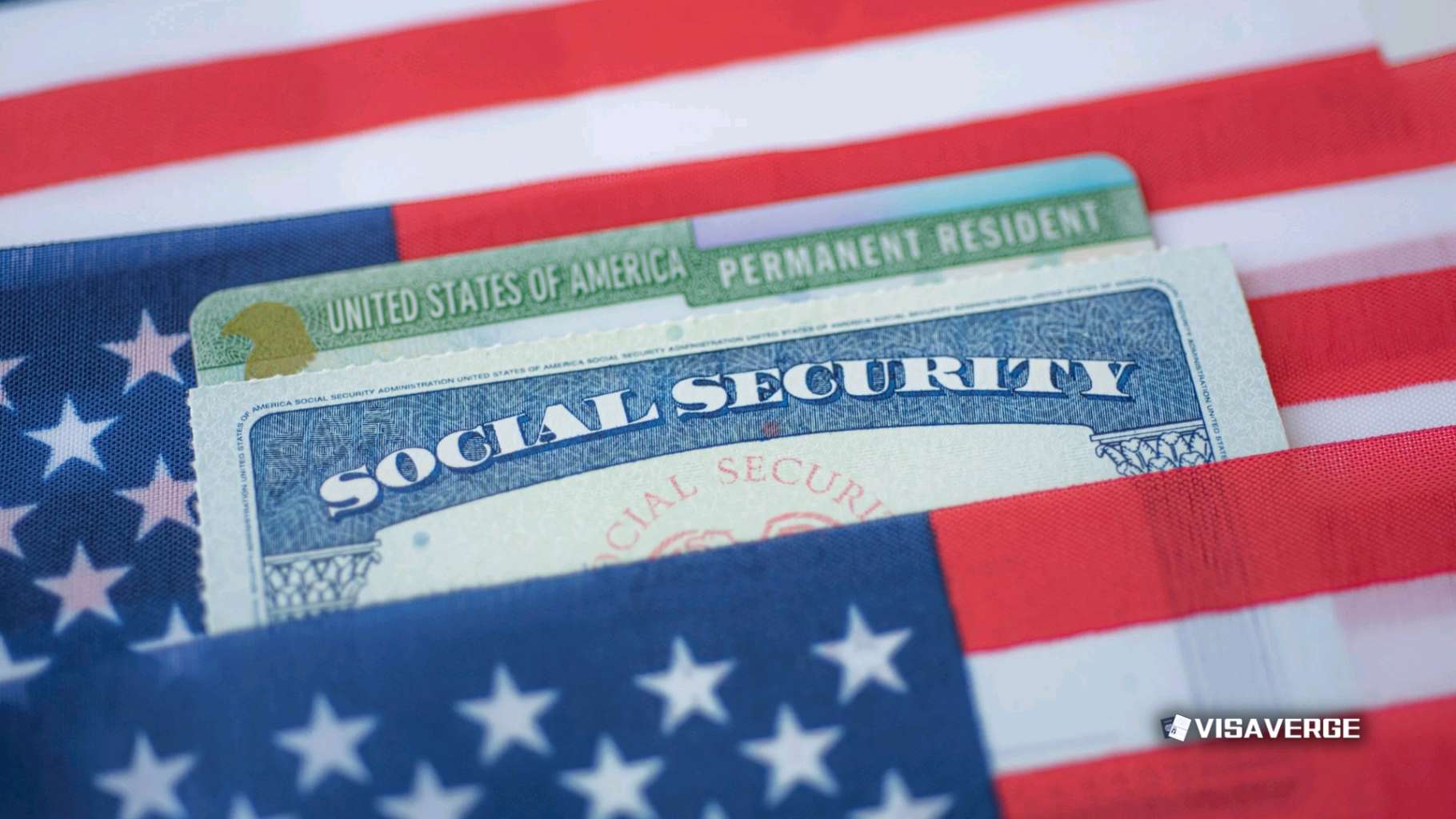
The Social Security Administration still keeps the same Social Security Number, but the status attached to that number needs to match citizenship. VisaVerge.com reports that this shift matters most for people starting new jobs, correcting wage reports, or asking for public benefits after naturalization.
Why the record update comes first
After naturalization, a green card holder becomes a U.S. citizen, and that change should show up in Social Security files. If the record stays tied to old immigration status, employers and agencies can see mismatches. Those errors can delay paychecks, tax reporting, and benefits claims.
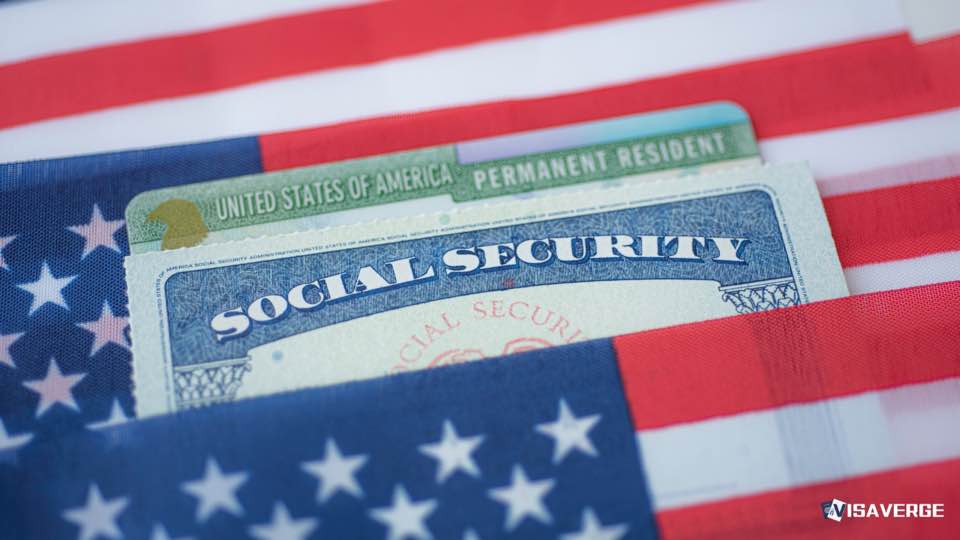
Many new citizens also want a replacement card because older cards often said, “Valid for Work Only with DHS Authorization.” That wording no longer fits a citizen. A corrected record confirms full work permission without extra immigration proof.
The card itself does not expire. Even so, an updated card reduces confusion during job onboarding, bank checks, and government paperwork. The update is especially useful right after naturalization, when people are changing jobs, filing taxes for the first time as citizens, or arranging new direct deposits.
The policy shift now shaping the process
The process changed sharply after USCIS suspended the Enumeration Beyond Entry program in early 2025. Before that pause, USCIS had added a Social Security option to the April 1, 2024 edition of Form N-400, promising smoother data sharing after naturalization. That automatic path no longer works for new cases.
As a result, new citizens must take the lead and apply through Social Security. People who checked the Form N-400 box before the suspension may still see some processing if the request already started, but the default system is now manual.
SSA has also pushed more digital tools. On February 23, 2026, it issued an emergency message that streamlined automated replacement requests for U.S. citizens 18 and older with a valid state-issued driver’s license or ID from participating states. The agency also expanded oSSNAP, the Online Social Security Number Application Process, to help users start requests and track next steps.
For official guidance, the SSA posts updates and online services through its official website.
The fastest route for most people
Online service is the quickest path for many citizens. Start with a my Social Security account or oSSNAP on the SSA site. The online route works best for replacement requests, simple record updates, and cases that do not need complicated name or status changes.
A typical online sequence looks like this:
- Log in or create an account. SSA uses ID.me or Login.gov for access.
- Start
Form SS-5. Choose replacement card or record update. - Enter your new status. Provide the SSN and citizenship details.
- Upload or present documents if asked. Some requests still need verification.
- Book an appointment if required. oSSNAP may send you to an office visit.
When online processing stays fully digital, card delivery often takes 7 to 10 business days. Mail delays can stretch that to 2 to 4 weeks. Eligible adults in participating states who only need a replacement or a marriage-related name change can receive a mailed card in 5 to 10 business days under the February 2026 emergency process.
When an office visit is required
Some updates still need an in-person appointment. That applies when identity needs closer review, when a person is not eligible for the automated route, or when documents need direct checking. SSA says appointments cut wait times sharply, with visits averaging about 6 minutes.
To do this by phone or in person:
- Find the nearest office through SSA’s locator.
- Book an appointment by calling 800-772-1213 or using the online system.
- Complete
Form SS-5. - Bring original documents or certified copies.
- Wait for the card to arrive by mail after the visit.
The card is usually mailed 7 to 14 days after an office appointment.
Mail requests remain limited
Mail is still available, but it is the least attractive option because original documents must travel through the mail. That creates delay and risk. SSA still accepts mailed Form SS-5, and mailed cases generally take 2 to 4 weeks.
Many new citizens choose online or office processing instead. Both options give more control over timing and document return.
Documents SSA accepts
SSA asks for originals or certified copies. Photocopies do not work. One document can sometimes serve more than one purpose.
Proof of citizenship
Certificate of Naturalization(Form N-550)- U.S. passport
Certificate of Citizenship(Form N-560)
Proof of identity
- Unexpired U.S. driver’s license
- State ID card
- U.S. passport
Proof of name change
- Marriage certificate
- Divorce decree
- Court order
Other documents if needed
- Birth certificate
- Green card (
I-551) - Employment authorization document (
I-766) I-94
For many foreign-born citizens, the Certificate of Naturalization is the strongest document. SSA verifies it and returns it after review.
What happens to work rights
Once the update is complete, the old restriction disappears. A citizen no longer needs DHS work authorization to be hired. That matters on day one at a new job, because payroll systems need the correct status.
The corrected record also helps with tax reporting and benefits tracking. Earnings posted under the wrong status can create problems later, especially for retirement or disability claims. Social Security records also support survivor benefits, so accuracy now helps family members later.
The update also makes it easier to show status to banks and other institutions that ask for a Social Security card during account checks. It does not replace a passport or certificate, but it gives a clean federal record tied to citizenship.
Common delays and easy fixes
Name changes, wrong birth details, and missing identity documents are the most common causes of delay. When the name changed more than two years ago, SSA wants earlier-name proof too. Parents filing for minors need extra documents and should expect more review.
People who lose the naturalization certificate must replace it through USCIS first, which adds time and cost. Keeping the certificate safe matters because SSA often asks for it when citizenship is new.
The agency’s digital push has also made future management easier. A my Social Security account can support direct deposit changes, tax forms, and later record updates. SSA said online transactions rose 16% year-over-year through February 2026, and office wait times fell as more people moved online.
Why the update matters now
More than a paperwork step, the Social Security update marks the shift from immigrant status to full civic status. It ties naturalization to real life: work, taxes, banking, and benefits all move faster when records match.
SSA’s newer tools are meant to reduce backlogs and keep the process moving after the EBE pause. For new citizens, that means a clearer path, fewer repeat visits, and a card that reflects the status they already earned.