- Presidential Proclamations 10949 and 10998 expanded travel bans for 2026, affecting 75 countries.
- Total entry suspensions apply to nineteen specific nations including Afghanistan, Syria, and Haiti.
- A tiered system adds enhanced security screening and social media reviews for many travelers.
(UNITED STATES) The U.S. travel ban expanded under Presidential Proclamations 10949 and 10998 now sits at the center of visa and border enforcement in 2026. Backed by Section 212(f) of the Immigration and Nationality Act, the policy creates tiered restrictions that range from total entry bans to tighter screening and a broader pause on immigrant visas for nationals from 75 countries.
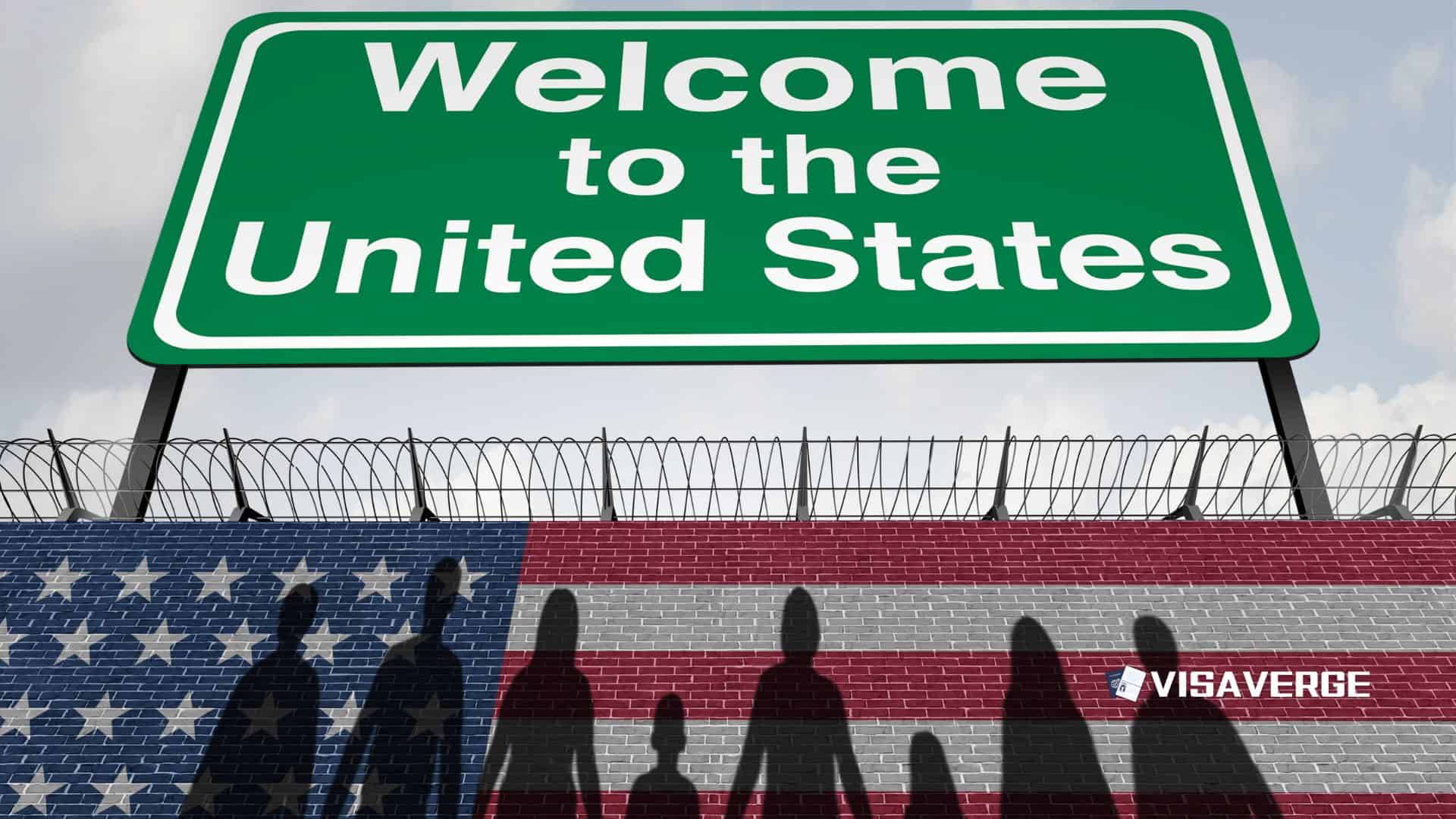
The effect is immediate and uneven. Some travelers face complete refusal at the border. Others can still enter, but only after longer checks, extra interviews, and deeper security review. Families, employers, students, and refugees are all feeling the strain as consulates and ports of entry apply the rules with little room for flexibility.
The January 1, 2026 rules now drive entry decisions
The current system took effect on January 1, 2026 and built on earlier 2025 actions, including Executive Order 14161 and the later proclamations. The government says the measures respond to weak vetting, poor screening, and gaps in information-sharing. In practice, they create a layered system that depends on nationality, birth country, dual citizenship, long-term residence, and even recent travel history.
Free toolB1/B2 Tourist Visa Stay Calculator onlineThat means a traveler’s passport alone does not tell the whole story. Officers at consulates and Customs and Border Protection may also look at where a person was born, where they lived before coming to the United States, and whether they hold another nationality. VisaVerge.com reports that this broader screening approach is one reason travelers are seeing more unpredictable outcomes at both consular interviews and airport arrivals.
For readers who want the official policy framework, the U.S. State Department visa page remains the main public reference point for visa rules and updates.
Nineteen countries face total entry suspension
Under the strongest tier, nationals from 19 countries face a complete suspension on entry. That means no immigrant visa and no non-immigrant visa issuance. The list includes Afghanistan, Myanmar (Burma), Chad, Republic of Congo, Equatorial Guinea, Eritrea, Haiti, Iran, Libya, Somalia, Sudan, Yemen, Burkina Faso, Mali, Niger, South Sudan, Syria, and additional nations brought into the core list through Proclamation 10998.
These travelers are not just subject to more checks. They are blocked from entering altogether unless a narrow exemption or waiver applies. Visa issuance for these nationals is fully suspended as of January 1, 2026.
The list has grown through 2025. It began with a narrower set of affected countries and then expanded under later executive and proclamation actions. Officials tied the expansion to security concerns such as weak passport controls and terrorism risks. For affected families, that means long-planned reunions, job moves, and school plans can end at the consular window.
Partial restrictions still tighten the path for several countries
A second tier applies to countries such as Burundi, Cuba, Laos, Sierra Leone, Togo, Turkmenistan, and Venezuela. Nationals from these countries do not face a total ban, but they do face tighter visa controls, longer screening, and limits on certain categories.
This tiered approach matters because it can slow a case even when the visa remains available. Interviews take longer. Background checks expand. Biometric checks, including fingerprints and facial scans, become part of the process. Social media review also plays a larger role for some applicants, especially in employment-related categories.
The new USCIS Vetting Center, launched on December 5, 2025, centralizes checks for terrorism, crime, and fraud concerns. It also expands digital review for H-1B and H-4 applicants and others. That extra scrutiny does not end a case on its own, but it adds time and uncertainty.
Immigrant visa processing has also slowed for 75 countries
Separate from the entry bans, the State Department paused approval of immigrant visas for nationals born in at least 75 high-risk countries beginning in January 2026. This pause affects green card pathways, including family-based, employment-based, and diversity cases.
That pause does not stop all visa activity. Tourist, business, and student visas are treated differently. But for people waiting on immigrant visas, the effect is direct: even when a priority date becomes current, the case still cannot move to final issuance if the nationality or birth-country rules apply.
The April 2026 Visa Bulletin shows that some categories moved forward, including EB-2 for most countries and F2A worldwide. Yet those advances do not help applicants blocked by the pause. The result is a legal backlog layered on top of a policy freeze. Many green card applicants are stuck even after years of waiting.
Exemptions exist, but they are narrow
The system does include exemptions. They are limited and reviewed case by case by consular officers or CBP. Lawful permanent residents are generally exempt when returning from abroad, although re-entry can still involve closer screening. U.S. citizens and nationals are not covered by the ban, but dual nationals may still draw extra attention if they travel on a non-U.S. passport.
Existing valid non-immigrant visas issued before January 1, 2026 remain valid on paper, including B-1/B-2, F-1, and H-1B visas. Even so, that does not guarantee admission. Officers can still question a traveler more closely at the airport or land border. Immigrant visas issued before the pause are honored, but new ones are not being issued for affected nationals.
Other exempt or specially treated groups include diplomats, UN officials, athletes traveling for competition, immediate relatives of U.S. citizens, asylees, refugees with prior approval, and some humanitarian parole recipients. Afghan Special Immigrant Visa cases remain a major concern, especially because processing has been complicated by Afghanistan’s total ban.
Waivers require heavy documentation and do not move quickly
Some travelers can ask for a waiver. The government says waivers may be granted for undue hardship, national interest, or when the traveler poses no security threat. Family ties, a U.S. job offer, or medical needs can support a request. Approval rates are low.
The waiver process often relies on Form DS-5535, which asks for extensive background information, including social media history and travel details. The form is available through the State Department’s visa forms page. Applicants should expect the request to add more time, not less.
That is why many lawyers advise preparing evidence early. Strong waiver files usually include proof of family relationships, employment letters, medical records, and other documents that show a real need to travel. For many applicants, the hardest part is not the paperwork. It is the wait after filing.
Employers, schools, and families face immediate disruption
The policy reaches far beyond individual travelers. Employers in tech, healthcare, and academia are dealing with talent shortages tied to Pakistan, Iran, and other countries affected directly or indirectly by the restrictions. Universities are warning students and faculty that travel outside the United States can be risky if re-entry depends on an affected nationality or birth country.
Families face the sharpest pain. Parents and children remain separated. Spouses wait longer for reunions. Refugees and asylum seekers face new layers of fear, especially when border processing turns into a security screen rather than a humanitarian review. According to analysis by VisaVerge.com, this is one of the biggest legal-immigration slowdowns seen since the start of the current administration’s enforcement push.
What travelers and applicants are doing now
People with valid visas and a possible need to travel should treat the next trip as time-sensitive. Many are moving earlier than planned, carrying extra proof of residence and work ties, and avoiding non-essential travel. Those with dual nationality are carrying U.S. passports when they have them. Others are waiting until the situation stabilizes rather than risk being stranded abroad.
Applicants already in the system are watching the Visa Bulletin closely, but they are also checking whether their country of birth or passport country blocks final visa issuance. Employers are auditing employee files, dependents, and travel histories. Schools are warning students about re-entry problems before summer travel.
The government has also linked the travel ban to broader changes, including H-1B fee shifts and stricter asylum screening. Legal challenges continue in federal court, including litigation in New York over the 75-country pause. For now, the policy remains in force, and enforcement at airports and consulates continues to shape daily decisions for millions of people.