- The Supreme Court ruled that federal immigration judges must follow administrative procedures rather than filing lawsuits in federal court.
- The unsigned ruling cited the party-presentation principle, reversing a lower court decision based on jurisdictional errors.
- A 2017 policy requiring supervisor approval for remarks remains in effect for all 750 immigration judges.
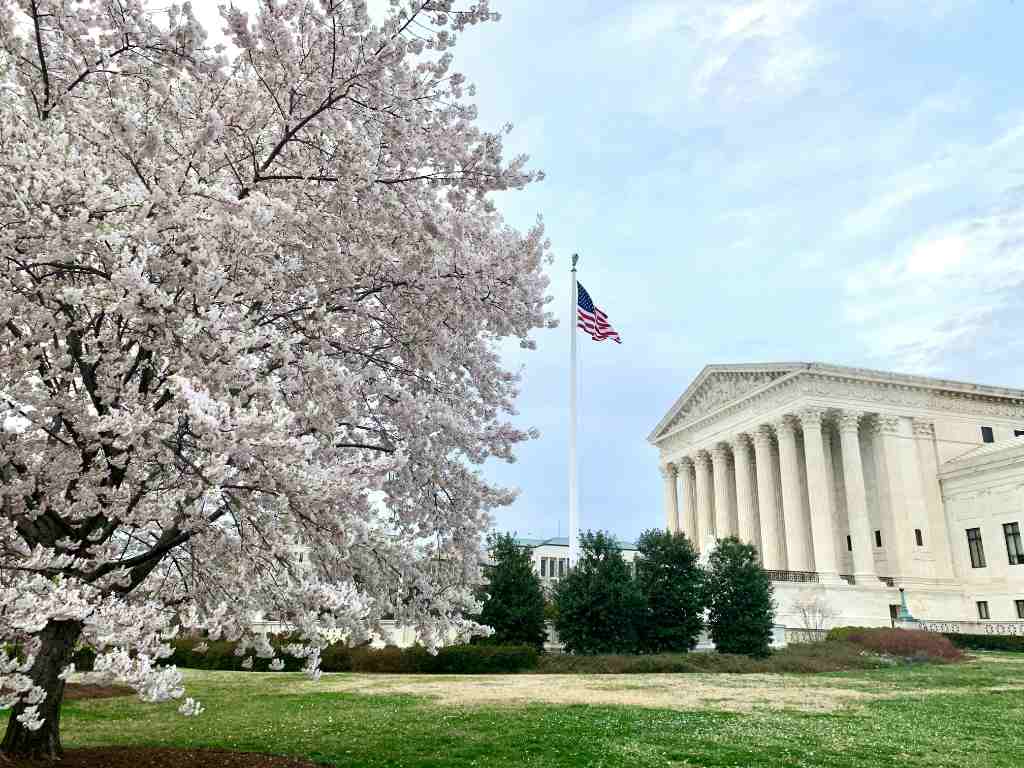
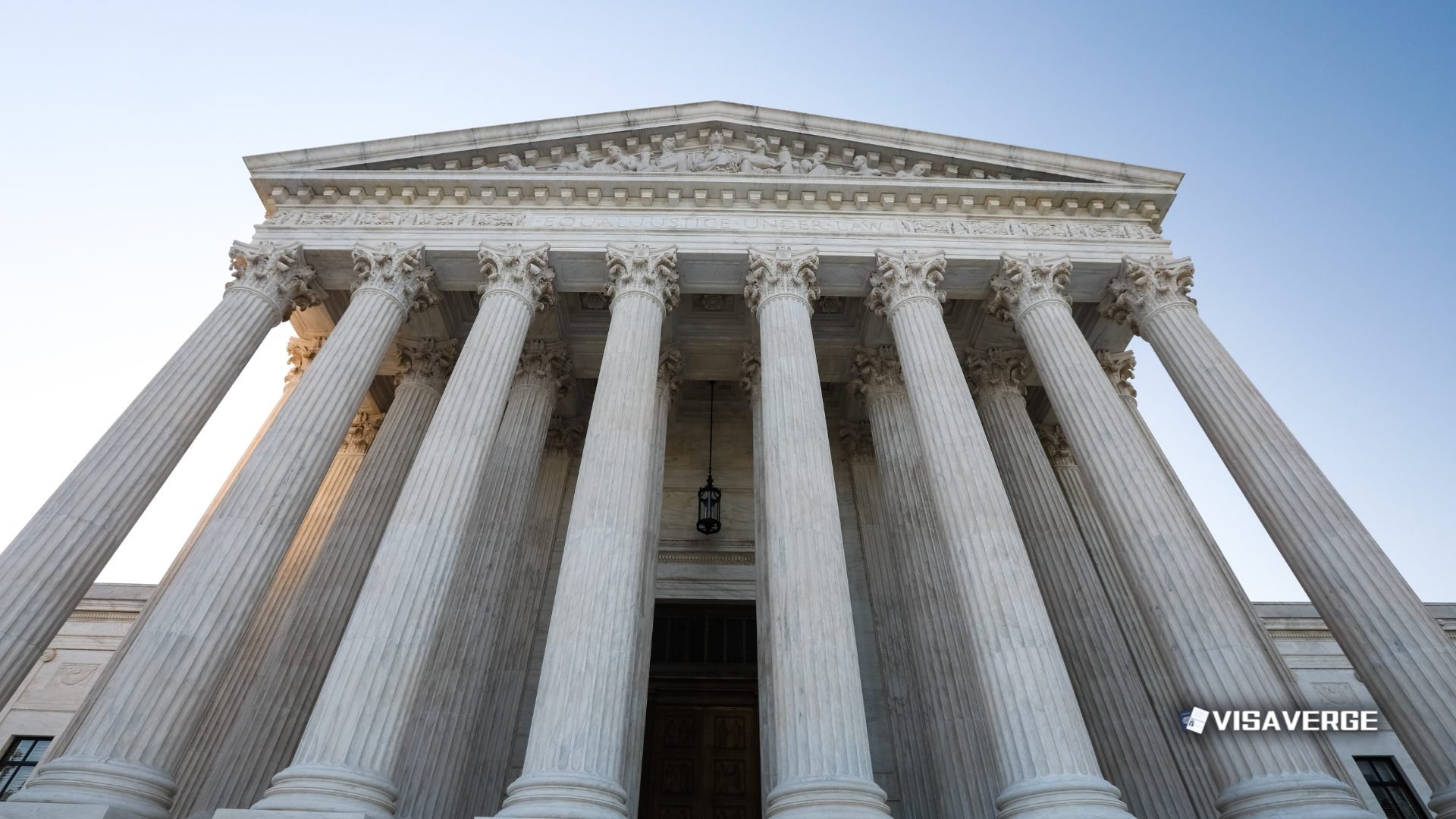
(UNITED STATES) — The U.S. Supreme Court ruled on May 26, 2026 for the Trump administration in Margolin v. National Association of Immigration Judges, No. 25-1009, reversing a lower court decision that had let federal immigration judges challenge speech restrictions in federal court.
The unsigned ruling did not decide whether the policy violates the First Amendment. Instead, the justices said the Richmond-based 4th U.S. Circuit Court of Appeals erred on jurisdictional grounds by relying on an argument the National Association of Immigration Judges had not raised, invoking the party-presentation principle.
Free toolUSCIS Receipt Number Decoder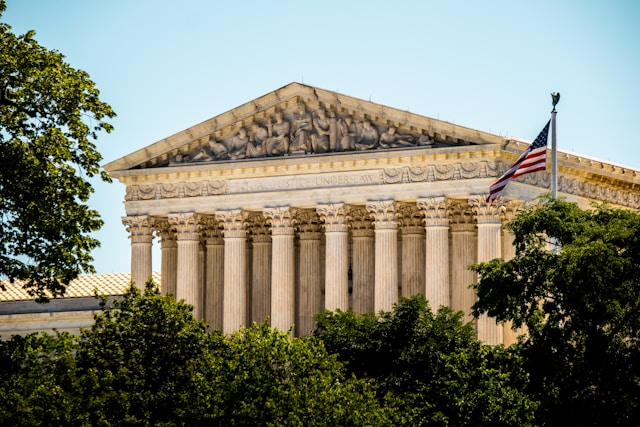
That sends the dispute away from federal district court and back toward the administrative system the administration says governs federal workplace disputes, including proceedings through the Merit Systems Protection Board. The decision leaves the speech policy in place while that process continues.
At issue is a policy enacted in 2017 and updated in 2021 that requires the nation’s 750 immigration judges to obtain prior supervisor approval before making any “official” remarks. It covers personal-capacity appearances when a judge is invited because of the job or speaks on agency-related subject matter.
The lawsuit came from the National Association of Immigration Judges, known as NAIJ, which formerly represented the judges as a union before decertification during President Trump’s first term. The judges argue the rule operates as a prior restraint on speech. The administration says the Civil Service Reform Act requires personnel disputes to go through administrative channels first.
The Supreme Court’s action fits a broader pattern in which the Trump administration has pressed for tighter control over the Executive Office for Immigration Review, the Justice Department unit that houses the immigration courts. The ruling strengthens that position without resolving the constitutional fight over what judges may say in public.
Recent personnel moves form part of that backdrop. Over 80 new immigration judges had been hired as of May 21, 2026, amid a push to speed deportations and replace judges viewed by the administration as too lenient.
The case also arrived during heavy use of the court’s emergency docket. The Supreme Court had issued 35 emergency orders as of May 20, 2026, allowing the administration to keep restrictive immigration and personnel policies in force while litigation continued.
Solicitor General D. John Sauer, writing in Justice Department filings, argued that the lower court’s approach created a “new loophole” and “wreaked havoc” with federal employment laws. Sauer said the 4th Circuit “outdid itself” by reviving an argument the parties had waived, adding that “the role of courts is to ‘call balls and strikes,’ not to take ‘a turn at bat.’”
Attorney General Pamela Bondi has framed similar rulings as a defense of presidential authority against lower-court intervention. “This Supreme Court ruling [referring to executive power victories] vindicates what the Department of Justice has been arguing for months: local district judges do not have the jurisdiction to. unilaterally halt President Trump’s policy agenda. Department of Justice attorneys will continue fighting to protect the executive branch from gross judicial overreach,” Bondi said.
Alex Abdo, Litigation Director at the Knight First Amendment Institute, which represents the judges, criticized the court’s approach on Tuesday. “It’s disappointing that the Court failed to take this opportunity to make clear that public servants can go directly to court to challenge broad restrictions on their speech. Forcing public employees to wade through cumbersome and potentially futile administrative proceedings before challenging prior restraints allows unconstitutional censorship to persist,” Abdo said.
The practical effect is immediate inside the immigration court system. Judges still need approval before speaking publicly about systemic issues such as processing delays, case trends, or the effects of policies including mandatory detention without bond.
That restriction reaches beyond formal speeches or agency statements. Under the policy, a judge invited to speak because of the position, or asked to discuss agency-related subject matter, must first secure supervisory approval even when appearing in a personal capacity.
Critics say those limits keep the public from hearing directly from judges who see the immigration system at close range. Supporters of the policy argue immigration judges are federal employees inside a Justice Department adjudicative system and must follow the same administrative rules that govern other workplace disputes.
The Supreme Court did not settle that clash. Its ruling turned on forum, not substance, and treated the central error as the lower court’s departure from the issues the parties themselves had presented.
That jurisdictional focus matters in federal employment law because channeling claims through the Merit Systems Protection Board can delay constitutional review. Lawyers for the judges argued that forcing employees into that route leaves speech restrictions in force while the administrative process unfolds.
Critics of that process also question whether it offers a neutral venue in disputes involving executive branch control. They argue that workers challenging speech restraints face an uphill fight if their claims must proceed through a system tied to the same administration enforcing the policy.
The administration has answered that federal courts cannot bypass the review structure Congress established in the Civil Service Reform Act simply because plaintiffs frame their objections as constitutional claims. That argument prevailed on Tuesday, at least on the question of where the case belongs.
The ruling leaves NAIJ and the judges it represents still pressing the same First Amendment objections, but on a different track. Their challenge now returns to administrative proceedings rather than the direct federal court path the 4th Circuit had allowed.
Tuesday’s decision also hands the Trump administration another Supreme Court win touching immigration governance and executive control. In a court term marked by frequent emergency intervention, the justices again cleared the way for the administration to keep a disputed policy in place while the underlying fight continues.
Official case materials are available through the Justice Department’s [Office of the Solicitor General briefs](https://www.justice.gov/osg/briefs), while broader administration statements on immigration policy appear in the [USCIS Newsroom](https://www.uscis.gov/newsroom) and [DHS News Releases](https://www.dhs.gov/news-releases). For immigration judges who want to speak publicly about the courts they serve, the approval requirement remains intact.