Key Takeaways
- February 2025 recorded 8,450 illegal border crossings, a 70% drop from January and the lowest since tracking began.
- Trump administration policies enabled swift deportations, restricted asylum claims, and saw cooperation from Mexico and increased border enforcement.
- ICE deported 37,660 individuals and arrested 20,000 undocumented migrants in early 2025, with possible future detentions on military bases.
In a major turn of events at the U.S.-Mexico border, President Donald Trump announced that February 2025 witnessed the lowest recorded number of illegal border crossings in U.S. history. Citing a sharp decrease in apprehensions, President Trump declared that the “invasion” of the United States has officially come to an end. This announcement, based on government data, underscores what the Trump administration sees as a victory for its stringent immigration policies.
Border Statistics: February 2025

The U.S. Border Patrol reported apprehending approximately 8,450 individuals entering the U.S. without authorization in February 2025. This represents a drastic decline and marks a historic low since tracking began. To put this in perspective:
- The figures show a 70% drop compared to January 2025, with 29,000 apprehensions.
- It reflects an 85% decrease from February 2024 numbers.
- If sustained, it would mark the lowest total monthly apprehensions since October 1999.
This unprecedented dip in border crossings has fueled discussions about the effectiveness and implications of current border policies under the Trump administration.
Free toolUSCIS Receipt Number DecoderPresident Trump’s Comments and Policy Stance
President Trump wasted no time highlighting these numbers as evidence of his administration’s successful crackdown on illegal immigration. In a series of social media posts, Trump emphasized that every individual caught crossing the border illegally was either deported immediately or prosecuted in accordance with U.S. law. Furthermore, he reiterated his administration’s firm stance, declaring the southern border “CLOSED to all Illegal Immigrants.”
Trump warned that those attempting to cross into the U.S. unlawfully would face not only rapid deportation but also severe legal penalties for violations of immigration laws.
What is Driving the Decline in Illegal Immigration?
Experts point to several combined factors contributing to the sharp reduction in crossings. These include hardline policies, enhanced cooperation from Mexico, and increased border enforcement efforts.
- Trump Administration Policy Changes:
- Policies enacted by the administration allowed federal agencies to deport individuals without permitting them to make asylum requests, narrowing the scope for legal entry.
- Migrants apprehended at the border are swiftly removed without prolonged processing.
- Cooperation from Mexico:
- Mexico increased its own enforcement efforts along its northern border, apprehending 622 migrants in February alone. This also included significant drug seizures during border operations.
- The Mexican government’s collaboration follows sustained pressure from the Trump administration to clamp down on migrant flows within its territory.
- Increased Border Patrol and Military Presence:
- The U.S. deployed around 3,000 additional active-duty troops to the southern border, providing further support to an already robust Border Patrol presence.
- These reinforcements have tightened surveillance and control in known crossing hotspots.
- Economic Factors:
- Higher smuggling fees have reportedly deterred individuals from attempting the journey. Smugglers operating in Tijuana, for instance, have raised prices to $6,000-$10,000, making illegal entry financially inaccessible for many.
New Enforcement Measures Rolled Out in 2025
February also saw the implementation of several new measures aimed at further reducing illegal immigration:
- Registry of Undocumented Migrants:
- A federal rule introduced in late February requires undocumented individuals aged 14 and above to self-report their presence in the U.S. Those who fail to register risk facing fines or prosecution.
- Mass Deportations:
- Immigration and Customs Enforcement (ICE) reported deporting 37,660 individuals in the first month of the Trump administration’s enforcement campaign. This represents one of the most aggressive deportation efforts in recent years.
- Increased ICE Arrests:
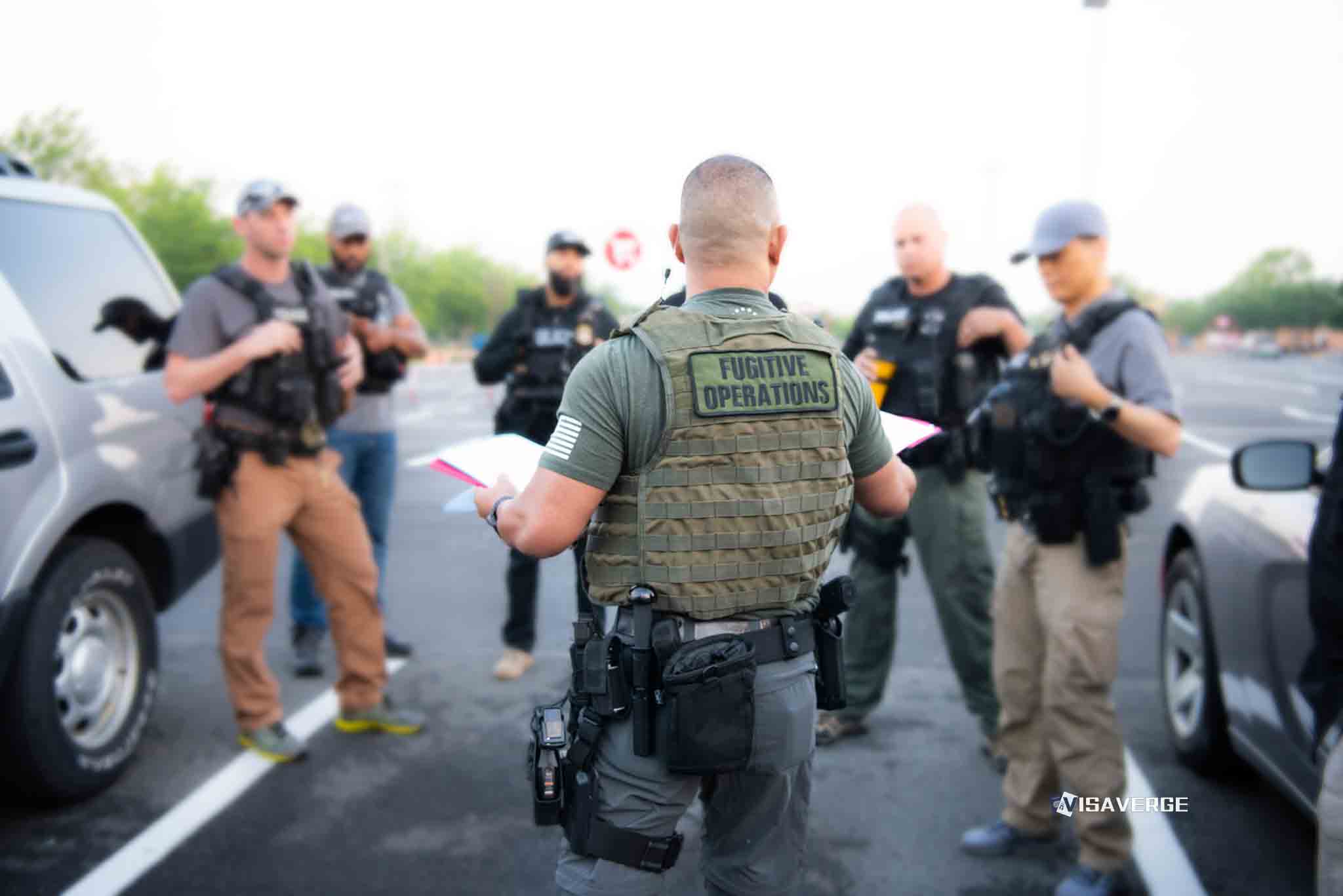
- ICE carried out over 20,000 “at-large” arrests of undocumented migrants nationwide between January and February 2025. These arrests target individuals living within the U.S. without authorization.
- Potential Detention at Military Bases:
- A memo from the Department of Homeland Security proposed using military bases as temporary detention centers for undocumented migrants. If implemented, these facilities would have the capacity to detain up to 10,000 individuals.
Impacts on Border Regions
While the drop in crossings might appear solely as a win for immigration enforcement, its effects on border communities and migrant-related activities are more nuanced.
- Smuggling Operations & Prices:
- Smugglers in locations such as Tijuana adapted to the stricter enforcement by doubling their fees. They have also begun using drones to guide migrants who attempt to bypass more fortified sections of the border wall.
- Economic Repercussions in Mexico:
- Communities in Mexico that rely on remittances from family members in the U.S. are feeling the effects. For instance, a region in Chiapas reported a 40% reduction in remittances in February, impacting local economies heavily dependent on this income.
- Travel Delays:
- With heightened border security, travelers between Tijuana and San Diego, as well as Arizona and northern Mexico, have reported longer waiting times. For legitimate border crossings, this creates additional challenges for commuters and businesses.
Criticism and Debates Surrounding Trump’s Approach
While President Trump has praised the results, not everyone is convinced of the long-term success or fairness of these measures. Critics argue that the historic drop in crossings may be less about policy success and more about shifting migration patterns and external conditions.
- Historical Trends:
- Immigration experts caution against linking short-term data to specific policies, noting that migration rates often rise and fall due to complex factors like economic conditions, weather, and changes in migrants’ countries of origin.
- Legal and Humanitarian Concerns:
- The practice of rapid deportation without allowing asylum claims has prompted concern from humanitarian groups. These policies may prevent legitimate asylum seekers from accessing safety, leading to potential violations of international laws.
- Military Readiness:
- The proposal to house migrants on military bases has sparked debate, with critics arguing that it deprioritizes military preparedness in favor of immigration enforcement.
- Potential Data Flaws:
- Immigration watchdogs have expressed concerns that some of the data cited by the White House could be interpreted out of context or manipulated to support a specific narrative.
Looking Ahead: The Future of U.S. Immigration Enforcement
As the situation at the southern border continues, several developments are likely to shape the immigration landscape moving forward:
- Implementation of the Migrant Registry:
- More details are expected from the Department of Homeland Security regarding how undocumented individuals can comply with the new self-reporting requirements.
- Legal Pushback:
- Immigration advocacy groups may challenge the scope and legality of recent measures, including deportation policies and the use of military bases for detentions.
- Sustained Collaboration with Mexico:
- Continued cooperation between the U.S. and Mexican authorities will play an essential role in maintaining low crossing numbers.
- Challenges to Policy Sustainability:
- Questions remain regarding how sustainable these enforcement strategies will be, especially considering economic and humanitarian fallout.
Concluding Thoughts
The decrease in illegal border crossings in February 2025 is a milestone that has prompted both celebration and scrutiny. President Trump’s assertion that the “invasion” of the U.S. is “over” represents a pivotal moment in the administration’s immigration agenda. However, as VisaVerge.com notes in its analysis, immigration is influenced by many factors, including global events, regional stability, and domestic policies. While the success of current measures is evident in the numbers, the broader implications for families, communities, and foreign relations continue to unfold.
For more information about U.S. immigration regulations and updates, you can visit the official U.S. Citizenship and Immigration Services (USCIS) page to stay informed.
Learn Today
Apprehensions → The act of detaining individuals by authorities, typically for entering a country without legal authorization.
Asylum Requests → Applications by individuals seeking protection in a foreign country due to persecution or threats in their home country.
Deportation → The formal removal of a person from one country to another for violating immigration laws or policies.
Remittances → Money sent by migrants to their home country, often supporting families and local economies in their origin regions.
Enforcement Campaign → Coordinated efforts designed to strengthen compliance with laws, including measures like arrests, deportations, and border surveillance.
This Article in a Nutshell
Historic Border Crossing Drop: February 2025
February 2025 marked a record low in illegal U.S.-Mexico border crossings, dropping 85% from last year. President Trump hailed it as a triumph of strict immigration policies, including rapid deportations and increased military presence. Critics argue humanitarian and economic consequences loom. The milestone sparks debates on enforcement sustainability and ethical considerations.
— By VisaVerge.com
Read more:
• Pentagon Deploys 3,000 Troops to US-Mexico Border Amid Policy Crackdown
• Canada Border Services Agency Targets Rejected Refugees in Record Deportations
• UFW Lawsuit Targets Border Patrol Tactics in Central California Raids
• Peter Navarro Proposes Redrawing U.S.-Canada Border, Sparking Tensions
• Border Patrol Agents Stop School Bus, Raising Concerns Over Student Safety