Key Takeaways
- TikTok is exploited by smugglers targeting Indian nationals in Canada for illegal U.S. crossings, challenging border security.
- Social media’s vast audience aids smugglers, raising accountability concerns as it facilitates illegal activities.
- Illegal border crossings increased 526% since 2024, driven by social media and Canada’s immigration policy changes.
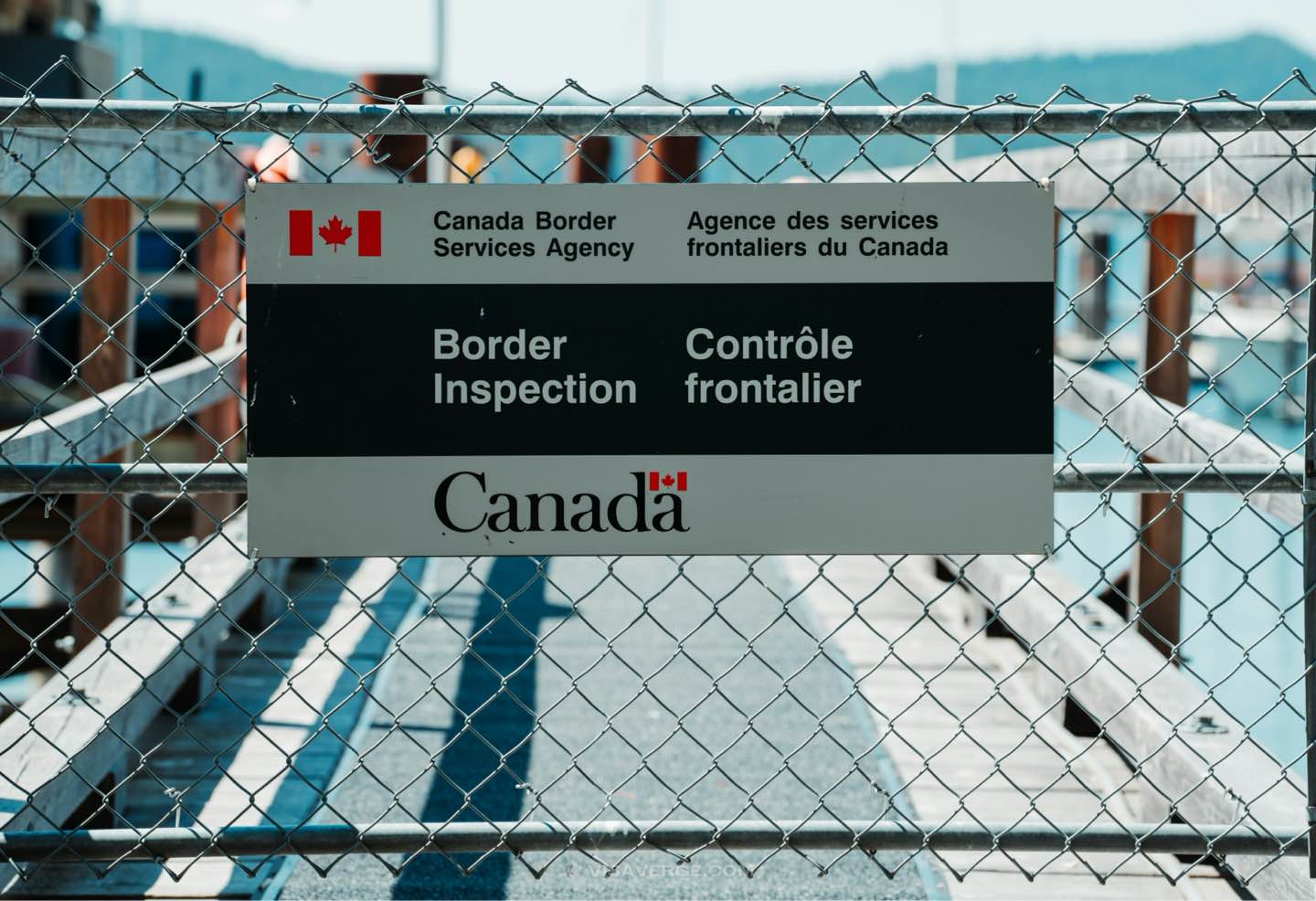
The emergence of smugglers advertising illegal methods to cross the Canada-U.S. border on TikTok presents a significant challenge. This development spotlights how certain social media platforms have, intentionally or not, become tools for illicit activities. The primary target of these advertisers is Indian nationals in Canada ?? on temporary visas, offering to smuggle them into the United States ??.
Smuggling Techniques and Tactics

These smuggling networks have embraced modern technology by leveraging TikTok to attract potential clients. Advertisements often claim to offer safe passage from Canadian locations like Montreal, Brampton, and Surrey into the U.S., avoiding official crossing points. The operation usually commences with an Uber ride to a discreet border area, where the journey continues on foot, guided remotely via phone or messaging services like WhatsApp.
Free toolCanada Express Entry Points CalculatorSmugglers depict these treks as brief and straightforward, with promises of safety. In one example, smugglers described a “40-minute walk through the jungle” to reach the destination. Such clandestine crossings can be costly, with prices soaring up to $5,000 per crossing.
Role of Social Media
Social media, notably TikTok, plays a key role in these operations due to its vast audience and ability to target specific groups. Smugglers often share testimonials from supposed satisfied clients, aiming to entice more individuals by showcasing successful border crossings. This use of social media for illegal activities raises concerns about the accountability of these platforms in regulating content that fosters criminal behavior.
Increasing Trends and Statistics
There’s been a notable surge in illegal crossings from Canada into the U.S. Since January 2024, approximately 13,000 people have been apprehended, reflecting a dramatic 526% increase from previous years. This escalation is linked to effective social media advertising and the perceived simplicity of crossing the northern border as opposed to more fortified entry points elsewhere.
Demographics and Driving Factors
Most individuals opting for these illegal crossings are Indian nationals on student or work visas in Canada. Many are responding to recent shifts in Canadian immigration policies that have narrowed their path to permanent residency. The United States represents an appealing option due to its larger economy and the possibilities it promises.
Expert Insights
Political scientist Shinder Purewal suggests that Canada’s more accessible visa processes compared to the U.S. make it an initial port of call for those eventually aiming for U.S. entry. Law enforcement agencies have voiced concerns about the formidable task of overseeing the extensive and open northern border, which is challenging due to its length and varied terrain.
Ethical and Legal Complexities
The promotion of illegal border crossings using social media presents critical ethical and legal dilemmas. While platforms like TikTok maintain policies against illegal content, enforcing these regulations across millions of posts remains a complex task. This situation calls for more collaboration between social media companies and law enforcement to restrain such activities.
Conclusion
The advertising of illegal border crossings on TikTok underscores how digital platforms can be manipulated for unlawful purposes. This trend not only adds to the complexity of border security but also raises broader concerns about technology’s role in facilitating cross-border crime. Counteracting these issues requires joint efforts from governments, social media companies, and international entities to manage and mitigate risks associated with such criminal enterprises. For further details on official border security measures, refer to the U.S. Customs and Border Protection website.
As reported by VisaVerge.com, this trend demands concerted international efforts to effectively manage and curtail the implications of these illegal activities, ensuring the safety and integrity of borders worldwide.
Learn Today
Smugglers: Individuals or groups that illegally transport people across international borders, often using deceptive or secretive methods.
Temporary Visas: Permits allowing individuals to temporarily reside in a foreign country for work, study, or tourism.
Clandestine Crossings: Secret or unauthorized border crossings to avoid detection by law enforcement authorities.
Social Media Platforms: Digital environments like TikTok used to connect users and share content, sometimes facilitating illegal activities.
Apprehended: Captured or detained by authorities, especially in the context of individuals attempting illegal border crossings.
This Article in a Nutshell
Smugglers exploit TikTok to lure Indian nationals in Canada into illegal U.S. crossings, offering guidance via Uber and messaging apps. This alarming trend spotlights social media’s unintended role in criminal activities, exacerbating border security challenges. Tackling this issue requires enhanced collaboration between governments and tech platforms to safeguard borders effectively.
— By VisaVerge.com
Read more:
• Visa Policies Impact Punjab Students’ Canada Dreams
• Trudeau Reduces Student Work Permits in Canada Policy Shift
• Canada Tightens Study Permits: New Caps and PGWP Changes
• Impending Expiration of Work Permits for 200,000 International Students
• Canada Expands Entry Ban on Iranian Officials