- Minor traffic tickets and arrests now trigger automatic SEVIS terminations and visa revocations for international students.
- Over 1,500 students faced status loss without notice as DHS expands NCIC database enforcement protocols.
- Students must choose between lengthy USCIS reinstatement or risky travel and re-entry to regain legal standing.
International students on F-1 visas face a much harsher enforcement climate in 2026. Traffic tickets, arrests, citations, and even dismissed charges can lead to SEVIS record terminations, visa revocations, travel problems, and deportation proceedings after an National Crime Information Center (NCIC) database flag triggers review by ICE and DHS.
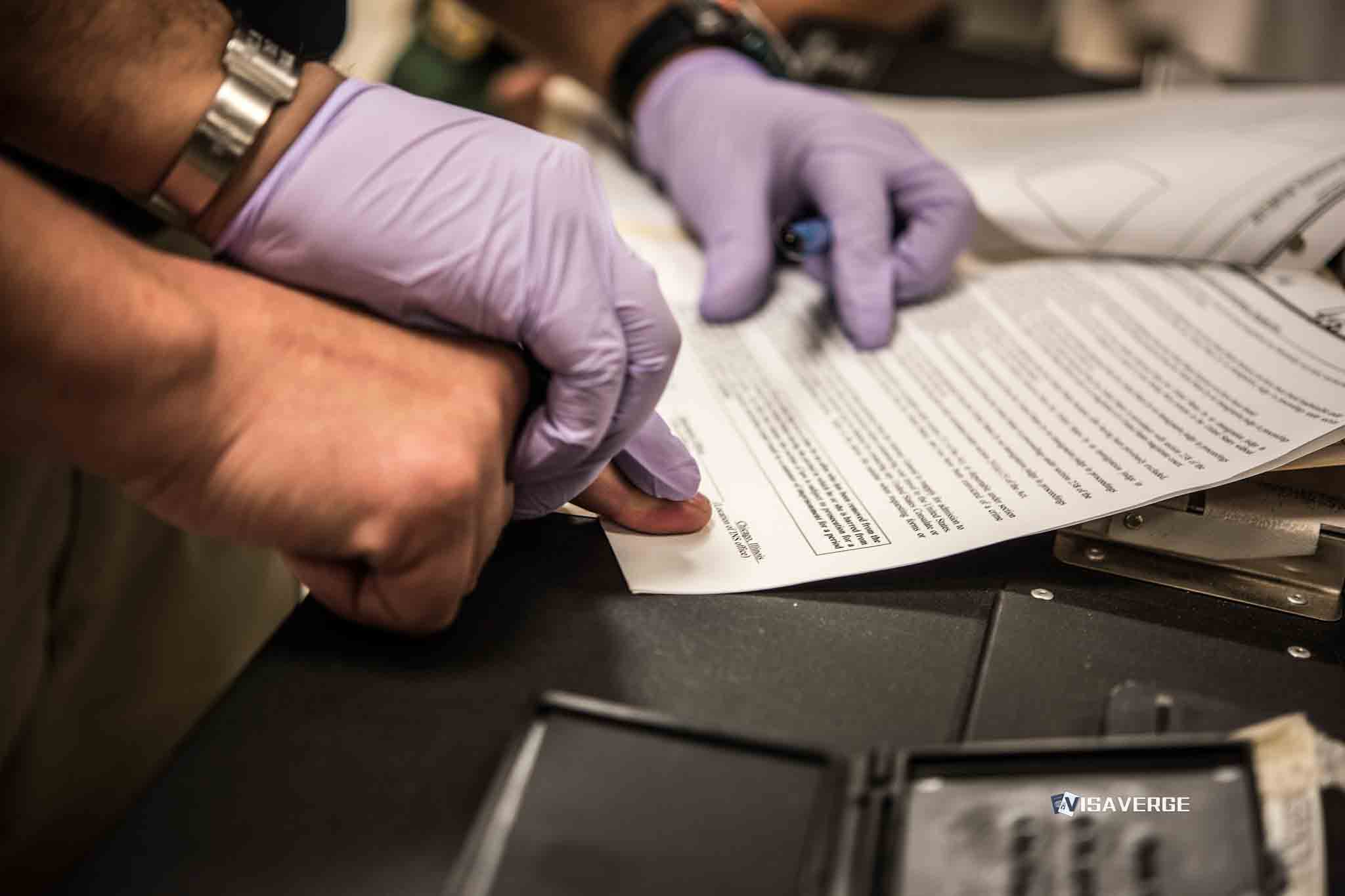
What changed is not a simple rule about speeding tickets. The shift is that federal officers are treating more law-enforcement records as status issues. Under the current approach, a student can lose immigration status even without a conviction, and schools often learn about the problem after the record is already terminated.
The enforcement wave began in spring 2025, when DHS expanded ICE authority over SEVIS records for a wider set of issues, including minor traffic violations and older police encounters. By early April 2025, students at Arizona State, Cornell, North Carolina State, the University of Oregon, the University of Texas, and the University of Colorado had visas revoked and legal status ended without advance notice to their schools.
Free toolOPT Timeline Calculator OnlineICE review now reaches far beyond serious crimes
By April 2026, the impact had spread to more than 1,500 students across hundreds of institutions, with some legal groups saying the number is even higher. Universities reported SEVIS terminations with blunt language such as “OTHER—Individual identified in criminal records check and/or has had their visa revoked.” Those notices have been tied to speeding, reckless driving, DUI, suspended licenses, underage drinking, trespassing, and dismissed misdemeanors.
At Minnesota State University in Mankato, five students lost status for reasons that were not made clear in the termination notice. Students at Tufts and the University of Alabama also faced detention. The pattern is consistent: an automated database check identifies a record, ICE reviews it, and the student may lose status without school input.
A single traffic stop can therefore become an immigration problem within days. The practical effects are immediate. Students can lose access to classes, campus jobs, and other student benefits. According to analysis by VisaVerge.com, the broader fear is not just punishment for one violation, but a system that treats routine contact with police as a status threat.
Why a traffic ticket now triggers immigration review
Not every citation ends in removal, but many now start the chain. Minor traffic infractions such as speeding, failure to signal, or parking violations can appear in the National Crime Information Center (NCIC) or related law-enforcement systems. ICE then checks whether the student should be treated as out of status or as a public-safety concern.
Arrests without conviction also matter. A case that is later dropped can still trigger a review. So can charges that were dismissed in court. ICE has been using broad “criminal records check” language, which allows termination without waiting for a conviction. That is one reason enforcement feels unpredictable to students and university officials alike.
The 2025 crackdown broke with older practice. In the past, a visa revocation did not automatically end a student’s lawful stay if the student remained in valid F-1 status. Under the current system, the visa, the SEVIS record, and the student’s ability to remain enrolled are all much more fragile.
Travel, renewals, and the cost of a termination
Visa renewal is one of the hardest problems after a SEVIS termination. A revoked visa can create lasting barriers under INA § 222(g), which generally requires the next visa application to be filed in the home country. Travel after termination is also risky, because re-entry is not assured and new scrutiny is likely.
Students who leave the United States after a termination often need a new I-20, a new SEVIS record, and a new F-1 visa if the old visa is no longer valid. That path can be faster than a reinstatement request, but it also resets the student’s immigration timeline and creates a new refusal risk at the consulate.
Reinstatement and re-entry remain the two paths back
Students usually have two choices after losing status: ask USCIS for reinstatement or leave and start again with a new record. Each path has costs and risks.
- USCIS reinstatement with Form I-539: Students must show the violation was not willful or repeated, that they have not worked without authorization, and that they have been out of status for less than five months unless exceptional circumstances apply. The filing fee is about $805, including biometrics and the SEVIS fee. Processing often takes 6-12+ months. A pending case cannot be used for travel.
- Travel and re-entry: Students obtain a new I-20, pay the $350 SEVIS fee, and seek a new visa if needed. This is faster, but the student returns in initial status and may lose eligibility timing for benefits such as OPT or CPT.
Neither route is safe for students with serious criminal histories. Criminal convictions can make reinstatement impossible and can lead to removal proceedings.
For official filing information, USCIS provides the Form I-539 page, and the ICE SEVIS guidance page remains the main federal reference point for student record rules.
Court fights and policy uncertainty continue
Lawsuits filed since April 2025 have challenged the terminations as arbitrary, and judges have restored status in some minor or dismissed-case disputes. That relief has been temporary and case-specific. No clear nationwide rule has replaced the fast-moving enforcement system.
The broader policy climate is still tightening. A March 17, 2026 DHS proposal to replace “duration of status” is under review. Separate travel restrictions that took effect on January 1, 2026, also affect F-1 students from countries including Afghanistan, Iran, and Somalia in varying ways. Those changes do not all work the same way, but they add to the pressure on international enrollment.
Universities have warned that this climate is already hurting the United States’ appeal to foreign students. International offices now urge students to report any stop, ticket, arrest, or citation right away. In this environment, even a minor traffic matter can become the first step toward loss of status, visa problems, or a forced departure from the country.