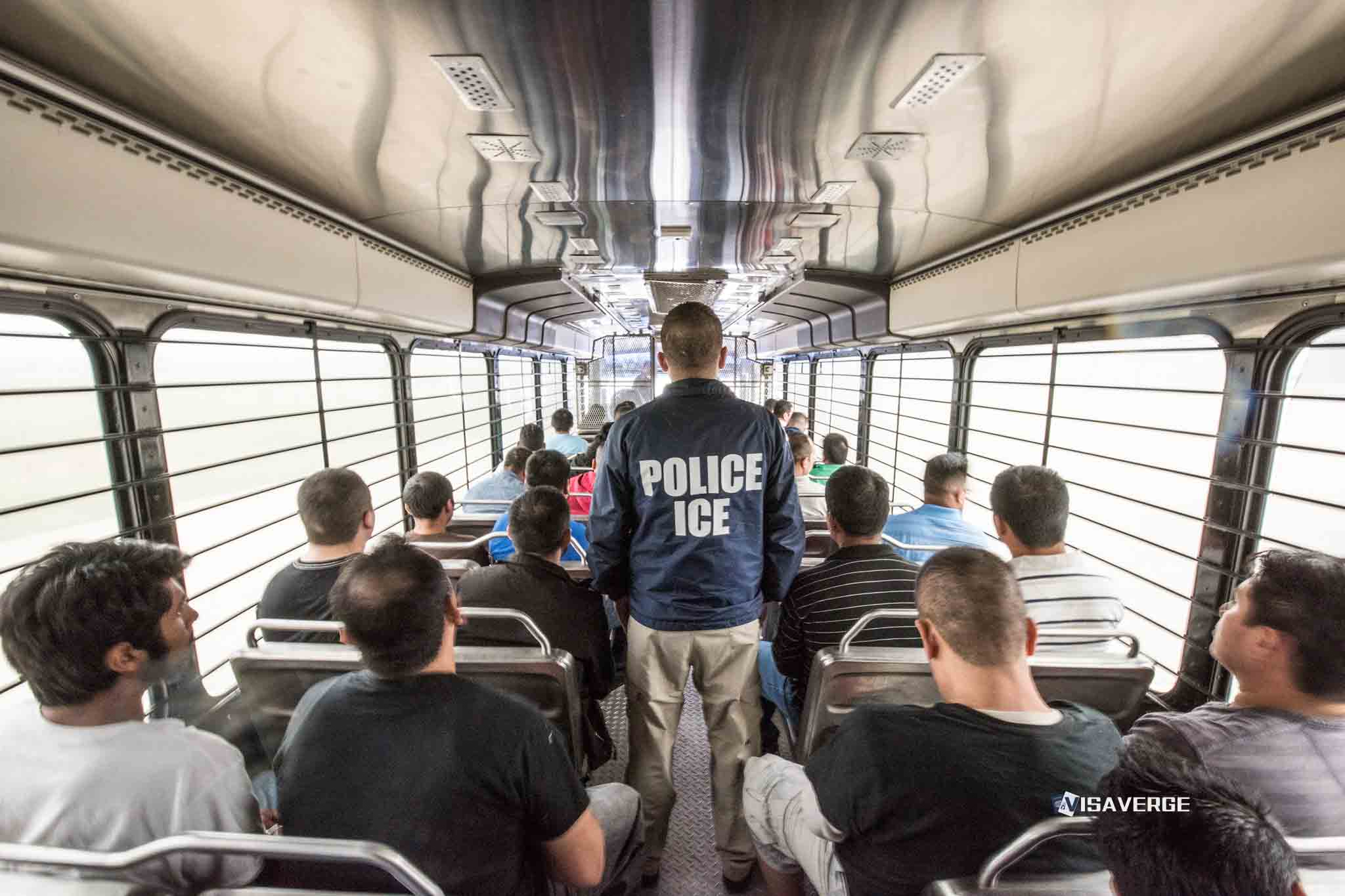
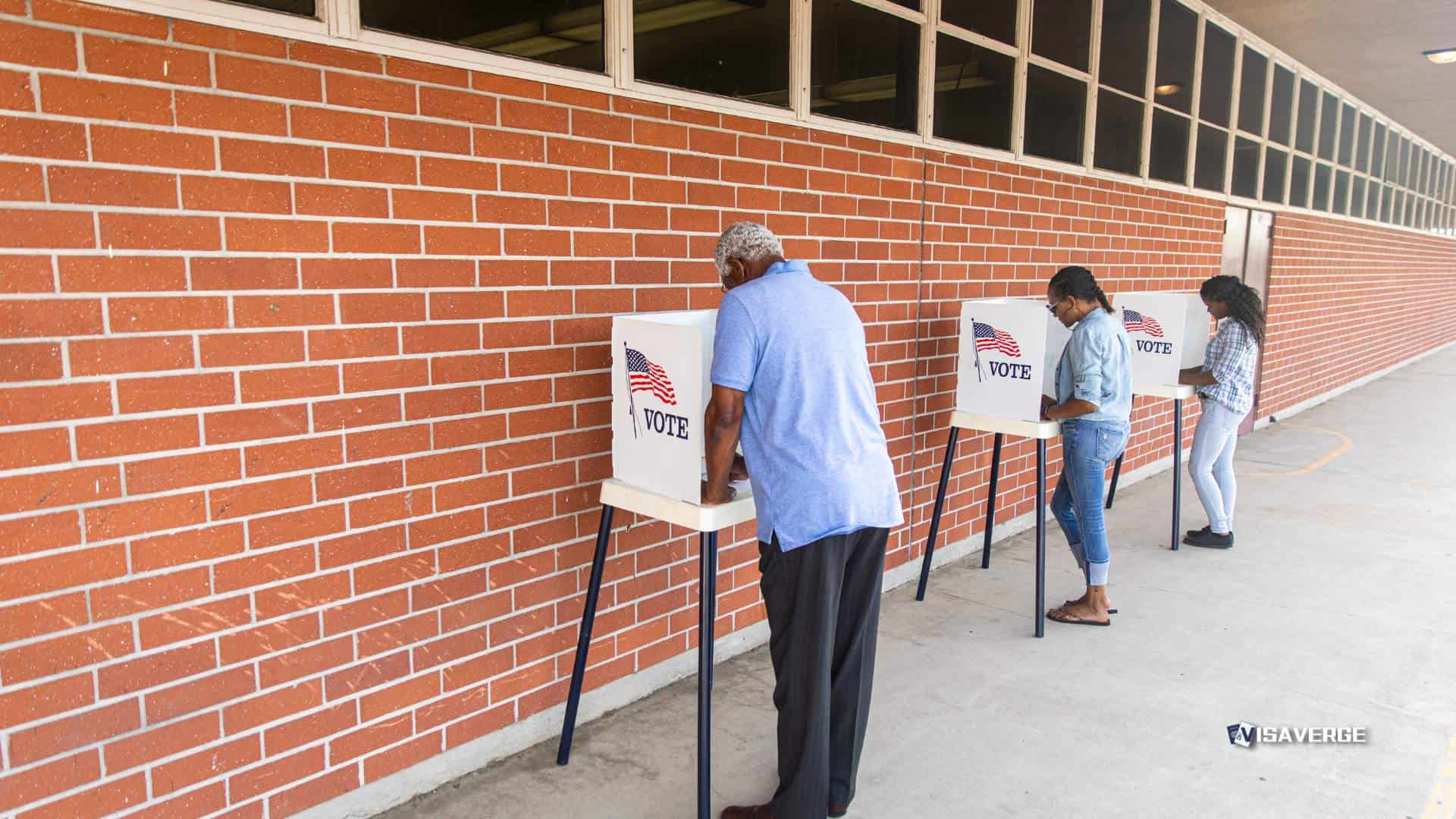
ICE and Homeland Security Investigations obtained individual voter files from Webb County, Texas, and Forsyth County, North Carolina, while investigators expanded the effort beyond those counties to seek records from additional states and counties. The new reporting also says DHS has ordered ICE to push stricter penalties, including deportation, in cases involving immigrants accused of voting illegally.
- An HSI analyst asked the Texas Secretary of State’s general counsel for information on “dates and methods of registration” and “elections voted in,” after earlier outreach to Texas election officials in April and May.
- County officials later provided the files from Webb County, Texas, and Forsyth County, North Carolina, as ICE and DHS broadened the review into a multi-agency examination of state and local election systems.
- A Washington Examiner report says DHS directed ICE this week to enforce stricter penalties, including deportation, for immigrants accused of voting illegally.
- The same reporting says a March 2025 case in Philadelphia involved an undocumented immigrant accused of voting in seven elections since 2008.
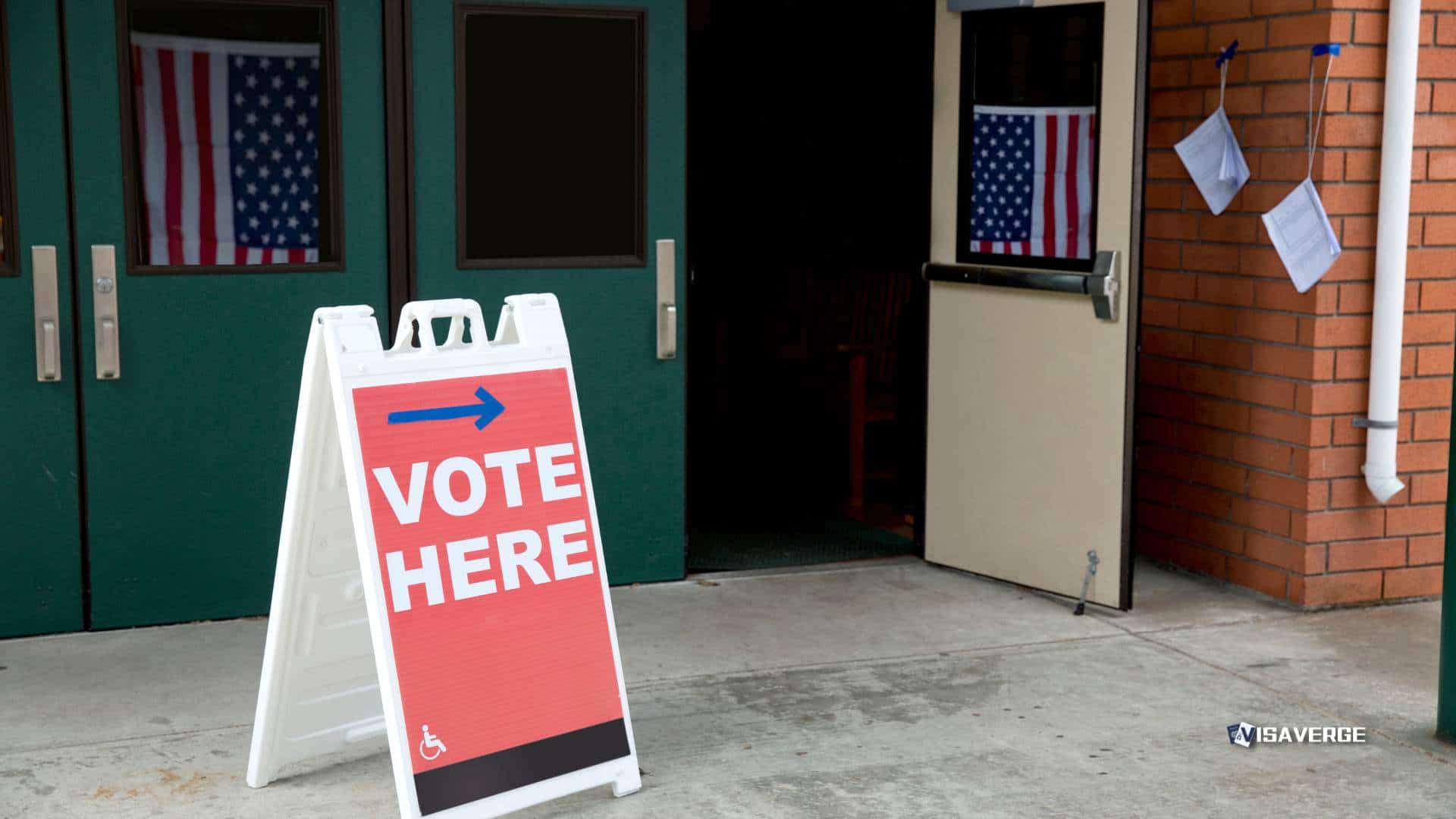
(TEXAS) Texas election officials say a statewide review to confirm the citizenship of every registered voter is now in full swing, with county offices working through a list of 2,724 potential noncitizens identified after the state ran the entire Texas voter rolls through the federal SAVE database in 2025. The program, managed by U.S. Citizenship and Immigration Services, aims to verify whether registered voters are United States ?? citizens and legally eligible to vote, as Texas tightens compliance with its 2021 Election Integrity Protection Act.
Under the process, the Secretary of State’s Office sends counties the names of people flagged as possible noncitizens. Local election offices then mail notices asking each person to prove citizenship. Voters have 30 days to respond. If they do not, their registration is canceled — but can be restored right away when they provide proof.
Free toolSubstantial Presence Test Calculator
Texas officials say the check covered more than 18 million registered voters. The largest county totals came from Harris (362), Dallas (277), Bexar (201), and El Paso (165). State leaders argue the review protects confidence in elections; voting rights groups warn the process may sweep up eligible voters, especially naturalized citizens, who could face confusion or delays if records are incomplete.
How the verification works
The screening relies on the Systematic Alien Verification for Entitlements — the SAVE database — maintained by USCIS. Texas gained expanded, no-cost access after a directive during the administration of President Trump, allowing bulk uploads that speed up cross-checks. Texas was among the first states to use this broader access for voter list reviews.
The state says the tool is more precise than earlier methods, but it still requires careful follow-up by counties. The reported workflow is:
- The state compares the Texas voter rolls with the SAVE database and identifies “potential noncitizens.”
- Counties receive the list of names and contact those voters.
- Each voter gets a notice explaining what to send — typically a passport, birth certificate, or naturalization certificate — and the 30-day response period.
- If proof isn’t received in time, the county cancels the registration. Once the person shows proof, the county reinstates it without delay.
Texas describes this as a compliance step under the 2021 Election Integrity Protection Act, which tightened ID rules and raised penalties for election offenses. In June 2025, the state also sent 33 cases to the Attorney General’s Office for investigation involving people flagged as potential noncitizens who may have voted in the November 2024 general election.
Debate over accuracy and voter impact
Experts caution that the SAVE database wasn’t designed to determine voter eligibility; it verifies immigration status for public benefits and other government uses. That distinction matters because timing gaps can occur when someone becomes a U.S. citizen, especially if federal records haven’t updated yet.
- Naturalized citizens may get flagged by mistake due to old or missing data.
- Name mismatches, mail delays, or language barriers can also cause eligible voters to miss the 30-day window.
- Voting rights groups warn this could lead to removal right before an election.
Texas officials say they’ve taken steps to reduce errors, including working with counties before making referrals. Still, advocates urge greater transparency on:
- How often flags are resolved in favor of citizens
- How long reinstatements take
- How counties handle notices in languages other than English
According to analysis by VisaVerge.com, a central tension lies in balancing the state’s stated goal of secure rolls with the real-world risk that eligible voters — often naturalized citizens — may face extra hurdles. Multiple academic studies over the past decade have found little evidence of widespread noncitizen voting, even as states adopt new checks. Critics argue that targeted audits or post-election investigations may be safer than sweeping list maintenance that relies on databases built for other purposes.
For immigrants, the stakes are personal. A naturalized voter who receives a notice must often gather records quickly amid work and family responsibilities. If the person was sworn in recently, their status may not yet be visible in SAVE. A canceled registration can be restored, but the process can still cause stress — and confusion at the polls if the deadline falls near an election.
Community groups say bilingual notices, clear instructions, and prompt county responses are essential to avoid harm.
Legal and political context
Texas leaders describe the process as part of statewide maintenance of accurate lists. Key points:
- The 2021 law expanded ID requirements and penalties while requiring local officials to keep cleaner voter files.
- Texas says the SAVE-based review fits that mission and is pushing for federal policy changes that would require documentary proof of citizenship for voter registration nationwide.
- Texas lawmakers placed a proposed constitutional amendment on the November 2025 ballot to reinforce that only citizens may vote.
The federal role is complex. USCIS runs SAVE and provides guidance on proper use. The system does not confirm citizenship in all cases; it confirms records agencies can use to check immigration status. Program documents stress that agencies must follow up with individuals when there are mismatches. Texas says county outreach and the chance to restore a canceled registration reflect those safeguards.
Advocates for tighter rules say the numbers — 2,724 potential noncitizens among more than 18 million voters — show the need for ongoing checks. Voting rights groups counter that the raw number matters less than the error rate and the burden placed on eligible voters. They want public reporting on:
- How many flagged voters later proved citizenship
- How long reinstatement took
- How counties handled notices in languages other than English
Practical guidance for people who receive a notice
Counties typically accept the following documents:
- U.S. passport
- U.S. birth certificate
- Consular Report of Birth Abroad
- Naturalization certificate
Important procedural notes:
- Voters have 30 days to respond to the notice.
- If someone cannot respond within 30 days, counties say they will cancel the registration but will restore it immediately once proof arrives.
- Voters should contact local election offices to confirm which documents are accepted and the quickest way to submit them.
What to watch next
The next major test for the program will be the November 2025 election as counties finish reviewing cases. Observers will monitor:
- How many cancellations are reversed after voters provide proof (a key fairness metric)
- Whether any of the 33 cases referred to the Attorney General’s Office in June 2025 lead to charges
- How counties handle outreach, language access, and timely reinstatements
For official background on the federal system Texas is using, USCIS provides agency guidance on the USCIS SAVE program: https://www.uscis.gov/save.
This Article in a Nutshell
Texas officials ran the state’s voter rolls—more than 18 million registrations—through USCIS’s SAVE database in 2025 and identified 2,724 potential noncitizens. Counties are notifying flagged individuals and giving them 30 days to submit citizenship documents; registrations are canceled if voters fail to respond but are immediately reinstated upon proof. The largest counts are in Harris, Dallas, Bexar and El Paso counties. Officials frame the effort as compliance with the 2021 Election Integrity Protection Act; voting-rights groups caution that SAVE wasn’t built to determine voter eligibility and that naturalized citizens may be mistakenly flagged. In June 2025, Texas sent 33 cases for investigation tied to the November 2024 election. Observers will watch how many cancellations are reversed and how counties provide language access and timely reinstatements ahead of the November 2025 ballot.