Key Takeaways
- The U.S. grants Temporary Protected Status to Lebanese nationals residing since October 16, 2024, due to escalating conflict.
- TPS offers about 11,000 Lebanese nationals protection from deportation and work permits for 18 months, reflecting humanitarian concerns.
- This TPS decision balances humanitarian aid with U.S. geopolitical strategies amidst criticism over the conflict’s arms involvement.
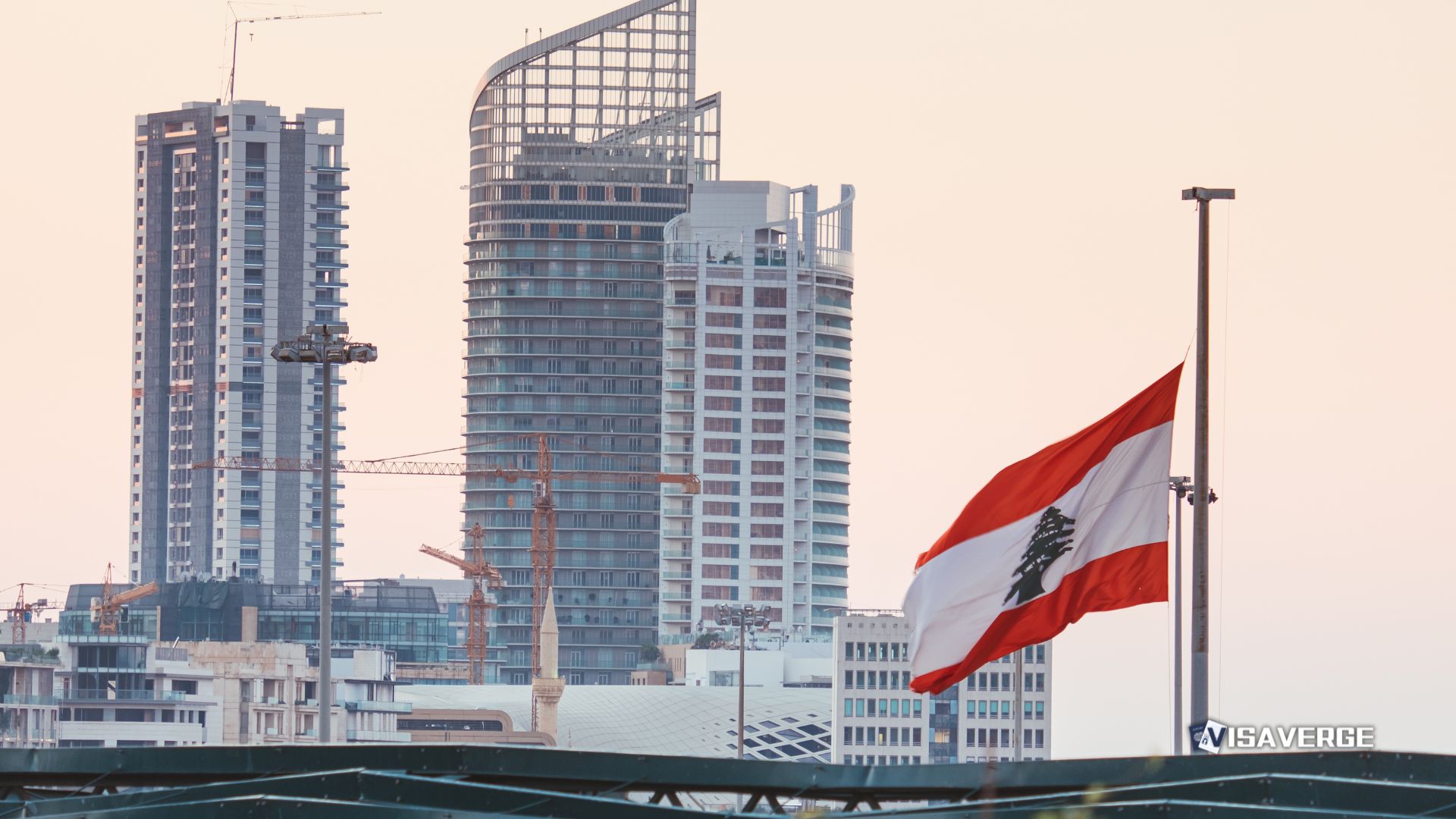
The United States has provided Temporary Protected Status (TPS) to Lebanese nationals due to the increasing violence in the Middle East. This move, announced by the Department of Homeland Security (DHS), allows about 11,000 Lebanese nationals to stay and work in the U.S. for 18 months if they were in the country as of October 16, 2024.
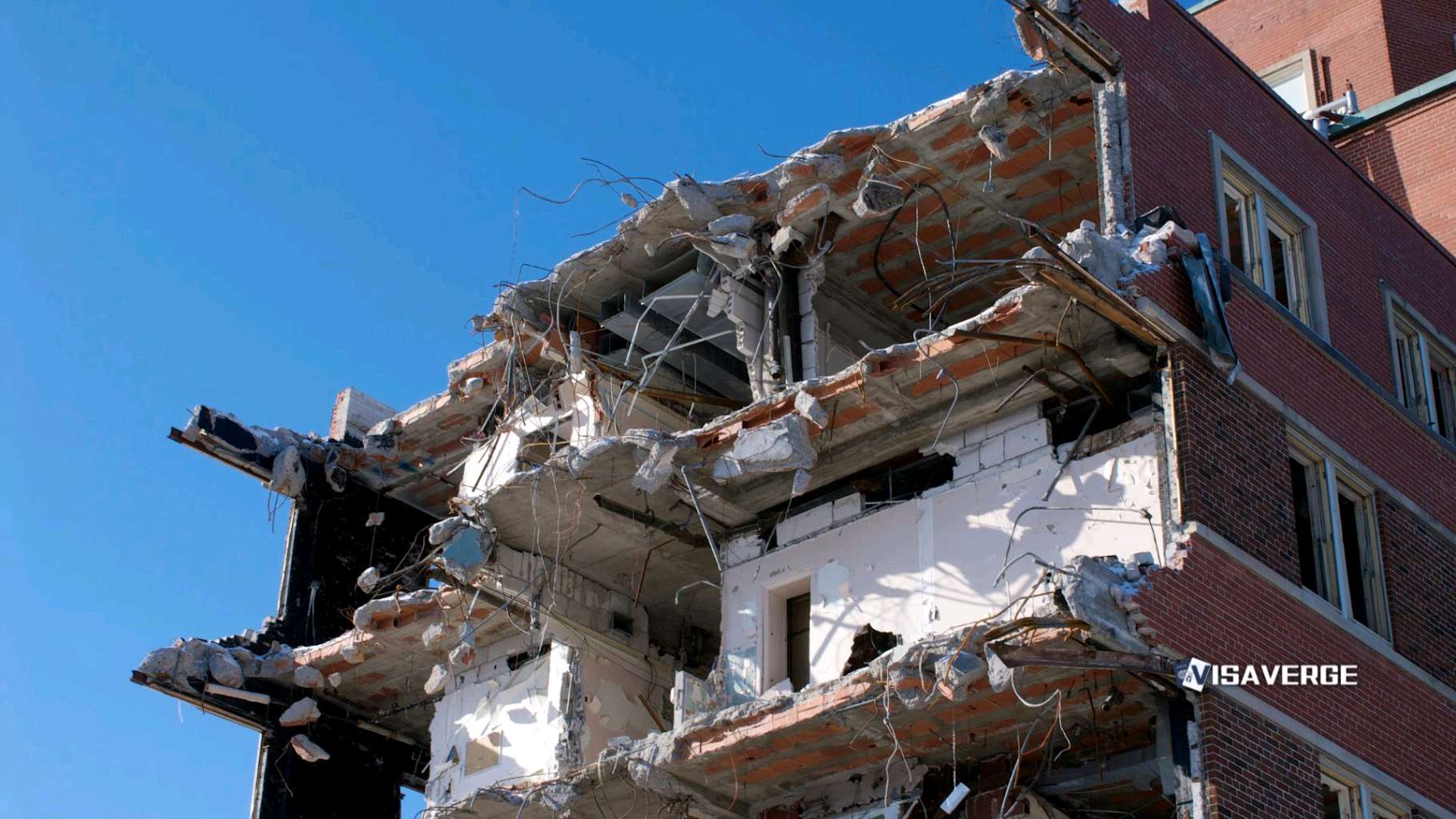
This decision is largely influenced by the escalating conflict involving Israel and Hezbollah, which has resulted in many people being hurt and displaced. The Temporary Protected Status is meant to stop Lebanese nationals from having to go back to unsafe conditions. Humanitarian concerns are a key factor, along with political reasons, such as maintaining diplomacy in the region and addressing the views of Arab American communities in important states like Michigan ??.
To be eligible for TPS, Lebanese nationals must have been living in the U.S. continuously since October 16, 2024. Anyone arriving after this date doesn’t qualify. Those eligible can apply for work permits and will not be deported during the TPS period.
Free toolUSCIS Receipt Number DecoderTPS provides a crucial break from deportation and includes the possibility to apply for a work permit. Additionally, there is the Deferred Enforced Departure (DED), which offers similar protections and work opportunities until January 25, 2026.
The broader implications of offering TPS to Lebanese nationals reflect the U.S.’s effort to manage the humanitarian fallouts of the conflict while keeping strategic partnerships intact. Even as the U.S. supports Israel’s actions against Hezbollah, there is criticism regarding the involvement in supplying arms used in these conflicts. VisaVerge.com’s investigation reveals that this decision fits into the U.S.’s commitment to humanitarian principles despite these complex challenges.
There could be an impact on diplomatic relations as this policy shows a U.S. response to emergency humanitarian needs while juggling its foreign goals. It brings to light how difficult managing refugees can be during conflicts, emphasizing how important it is to provide safe places for people affected by violence.
Demographics indicate that around 11,000 Lebanese nationals in states such as California and Michigan will benefit from these protections. There are also about 1,740 Lebanese students on F-1 visas who might get special relief measures, which could include being allowed more work hours and having lighter course loads.
Immigration and human rights groups generally see the TPS designation as a crucial step to safeguard at-risk populations. However, many call for additional steps, such as humanitarian parole, to deal with ongoing needs. Some critics argue for more comprehensive solutions to address the reasons behind such displacement and conflict.
In conclusion, granting Temporary Protected Status to Lebanese nationals represents a significant policy move that balances the urgent need for humanitarian protection with geopolitical strategies. By providing essential protections to those impacted by the conflict, this decision echoes broader efforts to promote stability in a region marked by ongoing turmoil. For more details on TPS and its implications, please visit the Department of Homeland Security’s official webpage.
Learn Today
Temporary Protected Status (TPS): A U.S. immigration status allowing individuals from certain countries to stay and work temporarily due to crisis.
Department of Homeland Security (DHS): U.S. federal agency responsible for public security, managing immigration, and enforcing laws and regulations.
Humanitarian Parole: Immigration provision allowing individuals temporary entry into the U.S. for urgent humanitarian reasons or public benefit.
Deferred Enforced Departure (DED): A discretionary stay of removal allowing certain individuals to stay and work temporarily in the U.S.
F-1 Visa: A student visa permitting foreign nationals to study in the U.S., with conditions on work and course load.
This Article in a Nutshell
The U.S.’s Temporary Protected Status for Lebanese nationals highlights compassion amidst Middle East turmoil. With 11,000 benefiting, the move addresses humanitarian needs, supports strategic diplomacy, and impacts communities in key states. Balancing protection and geopolitical aims, it underscores challenges in conflict-driven migration, offering safety and work opportunities for those in dire situations.
— By VisaVerge.com
Read more:
• U.S. Embassy Issues Security Alert Amid Lebanon Conflict
• India Issues Emergency Travel Advisory Amid Iran-Israel Tensions
• US Citizens Advised to Leave Lebanon Immediately
• India Travel Advisory: Avoid Non-Essential Trips to Lebanon
• Biometric Passports Updates in Indonesia, Issues in Lebanon & Kenya