Spanish
Official VisaVerge Logo Official VisaVerge Logo
  • Home
  • Airlines
  • H1B
  • Immigration
    • Knowledge
    • Questions
    • Documentation
  • News
  • Visa
    • Canada
    • F1Visa
    • Passport
    • Green Card
    • H1B
    • OPT
    • PERM
    • Travel
    • Travel Requirements
    • Visa Requirements
  • USCIS
  • Questions
    • Australia Immigration
    • Green Card
    • H1B
    • Immigration
    • Passport
    • PERM
    • UK Immigration
    • USCIS
    • Legal
    • India
    • NRI
  • Guides
    • Taxes
    • Legal
  • Tools
    • H-1B Maxout Calculator Online
    • REAL ID Requirements Checker tool
    • ROTH IRA Calculator Online
    • TSA Acceptable ID Checker Online Tool
    • H-1B Registration Checklist
    • Schengen Short-Stay Visa Calculator
    • H-1B Cost Calculator Online
    • USA Merit Based Points Calculator – Proposed
    • Canada Express Entry Points Calculator
    • New Zealand’s Skilled Migrant Points Calculator
    • Resources Hub
    • Visa Photo Requirements Checker Online
    • I-94 Expiration Calculator Online
    • CSPA Age-Out Calculator Online
    • OPT Timeline Calculator Online
    • B1/B2 Tourist Visa Stay Calculator online
  • Schengen
VisaVergeVisaVerge
Search
Follow US
  • Home
  • Airlines
  • H1B
  • Immigration
  • News
  • Visa
  • USCIS
  • Questions
  • Guides
  • Tools
  • Schengen
© 2025 VisaVerge Network. All Rights Reserved.
Immigration

Spain Grants Legal Status to 500,000 Undocumented Migrants Under Royal Decree January 27, 2026

Spain approved a royal decree to regularize 500,000 undocumented migrants, granting them work permits and legal protections. The move aims to fill workforce gaps and integrate people into the formal economy. It marks a significant departure from the restrictive enforcement measures and deportation programs currently being executed in the United States.

Last updated: January 27, 2026 10:20 pm
SHARE
Key Takeaways
→The Spanish government approved a royal decree to regularize 500,000 undocumented migrants by early 2026.
→Eligible individuals will receive provisional residence and work permits if they meet specific residency requirements.
→Spain’s rights-based approach contrasts with restrictive policies and mass deportation operations currently unfolding in the United States.

(SPAIN) — Spain’s Spanish Socialist-led coalition government approved a royal decree on January 27, 2026 to regularize approximately 500,000 undocumented migrants, a move the government cast as a rights-based shift that contrasts with tougher enforcement drives elsewhere.

Elma Saiz, Minister for Inclusion, Social Security, and Migration, called it a “historic day,” saying: “We are strengthening a migratory model based on human rights, on integration and on coexistence that is compatible with both economic growth and social cohesion.”

Spain Grants Legal Status to 500,000 Undocumented Migrants Under Royal Decree January 27, 2026

“We are strengthening a migratory model based on human rights, on integration and on coexistence that is compatible with both economic growth and social cohesion.”

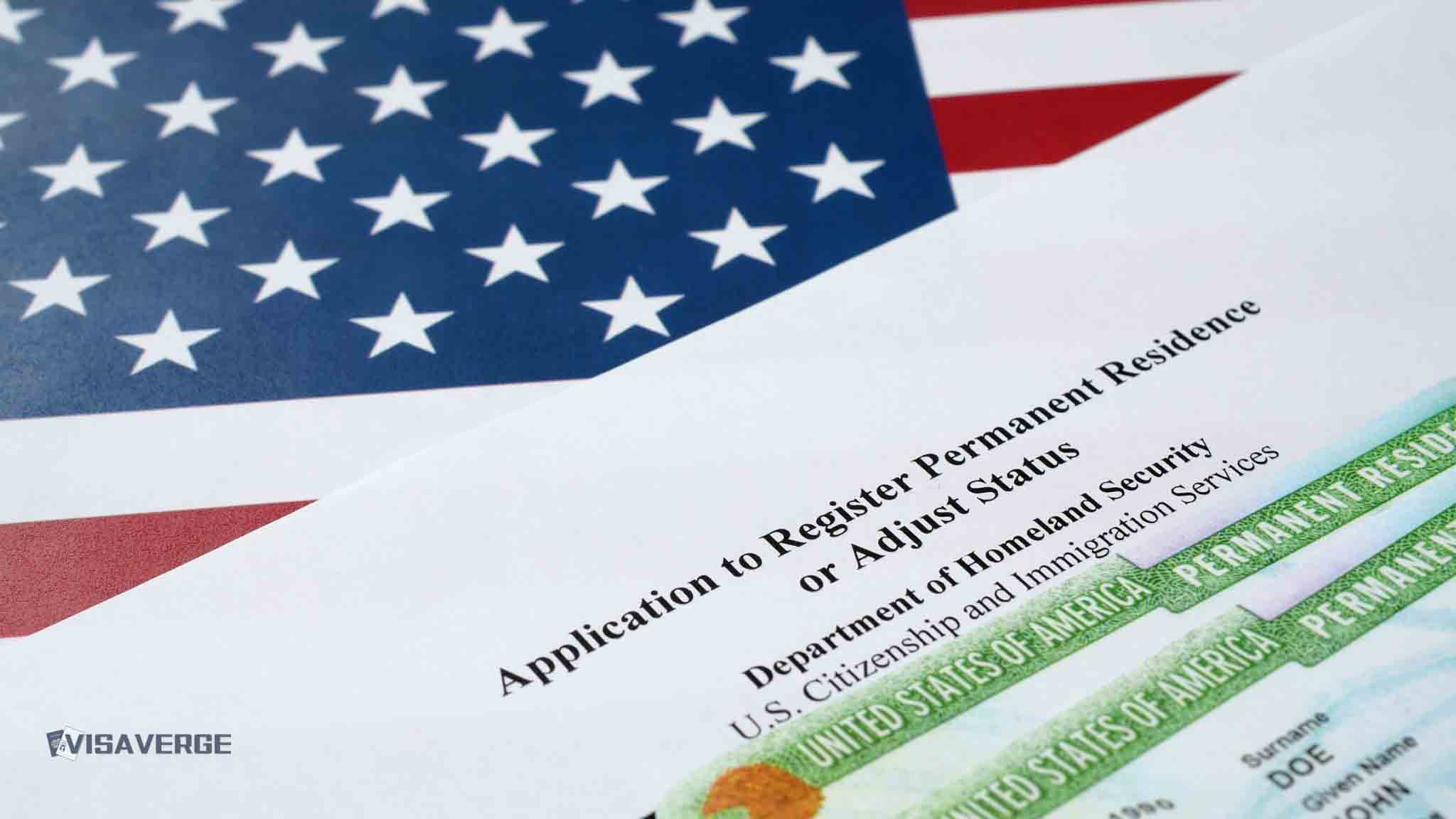
Saiz said the measure aims to “dignify and recognize people who are already in our country.” The decree targets people already living and working in Spain without papers, bringing them into a legal framework with access to work and services.

Under the approved royal decree, the regularization applies to undocumented migrants and asylum seekers who can prove they lived in Spain for at least five months prior to December 31, 2025. The government framed the plan as a way to move people out of the shadows of the Spanish economy.

Applicants must have a clean criminal record. The decree sets out a practical focus on proof of presence, an area that often determines whether people can access legal status.

Common forms of verification listed include municipal registration (padrón), medical records, utility bills, or money transfer receipts. The range of documents reflects how many undocumented migrants build paper trails through daily life rather than formal employment contracts.

→ Analyst Note
Gather and organize proof of residence before the application window opens: padrón certificates, dated medical records, utility bills, and money-transfer receipts. Make copies, keep originals safe, and ensure names/dates match across documents to reduce verification issues.

Eligible individuals will receive a one-year provisional residence and work permit. Spain said the provisional status can later be converted into standard residency, positioning the measure as an entry point into longer-term legal residence.

Filing an application triggers an immediate enforcement protection: all administrative deportation procedures and expulsion orders against the individual are suspended. That pause changes the risk calculus for undocumented migrants who have avoided contact with authorities.

Applicants also gain immediate access to the public healthcare system and the right to work in any sector. Those benefits, tied to the filing itself, aim to reduce the vulnerability that comes with irregular status and informal employment.

Officials set a timeline that turns on both the residence cutoff and a narrow application window. The government said the process is expected to open in April 2026 and run through June 30, 2026.

The cutoff date of December 31, 2025 makes older records central to many applications, with municipal registration and other dated paperwork likely to carry weight. A limited window can also push demand into a short period as people gather documents and seek appointments.

Spain’s announcement drew attention in broader immigration debates because it runs against restrictive approaches adopted by other major powers and some European neighbors. Irene Montero, Podemos MEP, criticized an international trend of crackdowns, saying: “Racism is answered with rights. If they [other nations] kidnap children and murder, we give papers.”

“Racism is answered with rights. If they [other nations] kidnap children and murder, we give papers.”

Prime Minister Pedro Sánchez has argued migration is essential to fill workforce gaps and counteract Spain’s aging population. Sánchez has said migration accounted for 80% of the country’s economic growth over the last six years.

Spain also cast regularization as a way to formalize work, moving people from informal labor into jobs that generate social security and tax revenue. The government presented the measure as an integration tool that links legal status to participation in public systems.

Many of the roughly half a million people expected to benefit come from Latin America, including Colombia, Peru, and Honduras. Spain said the decree would shift workers into the formal economy, changing how they interact with employers and public institutions.

The contrast with the United States featured prominently in political messaging around the decree, even as Washington issued no joint statement or endorsement of Spain’s internal move. U.S. Department of Homeland Security and USCIS actions in early 2026 reflected a different posture under the Trump administration.

Official sources to verify Spain regularization details and referenced U.S. policy actions
→ SPANISH GOVERNMENT ANNOUNCEMENT La Moncloa newsroom (Royal Decree, Jan 27, 2026):
https://www.lamoncloa.gob.es/
→ USCIS POLICY MEMORANDUM Policy Memorandum PM-602-0194 (Jan 1, 2026):
https://www.uscis.gov/
→ DHS NEWSROOM U.S. Department of Homeland Security:
https://www.dhs.gov/newsroom

Kristi Noem, Secretary of Homeland Security, defended aggressive enforcement tactics on January 19, 2026, saying: “Every single action taken by our ICE agents is in accordance with the law and follows the protocols we have used for years. Federal law enforcement officers are facing a more than 1,300% increase in assaults against them as they put their lives on the line to arrest criminals and lawbreakers.”

“Every single action taken by our ICE agents is in accordance with the law and follows the protocols we have used for years. Federal law enforcement officers are facing a more than 1,300% increase in assaults against them as they put their lives on the line to arrest criminals and lawbreakers.”

A USCIS policy memorandum, PM-602-0194, dated January 1, 2026, expanded a hold on immigration benefits, including green cards and naturalization, for nationals from nearly 40 “high-risk” countries, including nations added under Presidential Proclamation 10998. DHS also terminated Family Reunification Parole (FRP) programs for nationals of Colombia, Cuba, Ecuador, El Salvador, Guatemala, Haiti, and Honduras, effective January 14, 2026.

Spain’s debate over regularization unfolded as U.S. officials pursued what was described as a “mass deportation blitz,” with Noem and Acting ICE Director Todd Lyons overseeing what was described as the largest immigration operation in U.S. history, particularly targeting cities like Minneapolis. Spanish officials, in describing the contrast, referred to a “climate of fear” for migrants in America compared to the “regularization” path in Spain.

For official updates on Spain’s decree, readers can consult the Spanish Government newsroom at La Moncloa. The U.S. immigration-benefits hold appears in the USCIS document titled Policy Memorandum `PM-602-0194`, while enforcement and program announcements appear in the DHS newsroom.

Spain’s government presented the January 27, 2026 royal decree as both an administrative shortcut and a statement of policy direction, pairing legal access with a public argument about integration and coexistence. Saiz, outlining that framing, said: “We are strengthening a migratory model based on human rights, on integration and on coexistence that is compatible with both economic growth and social cohesion.”
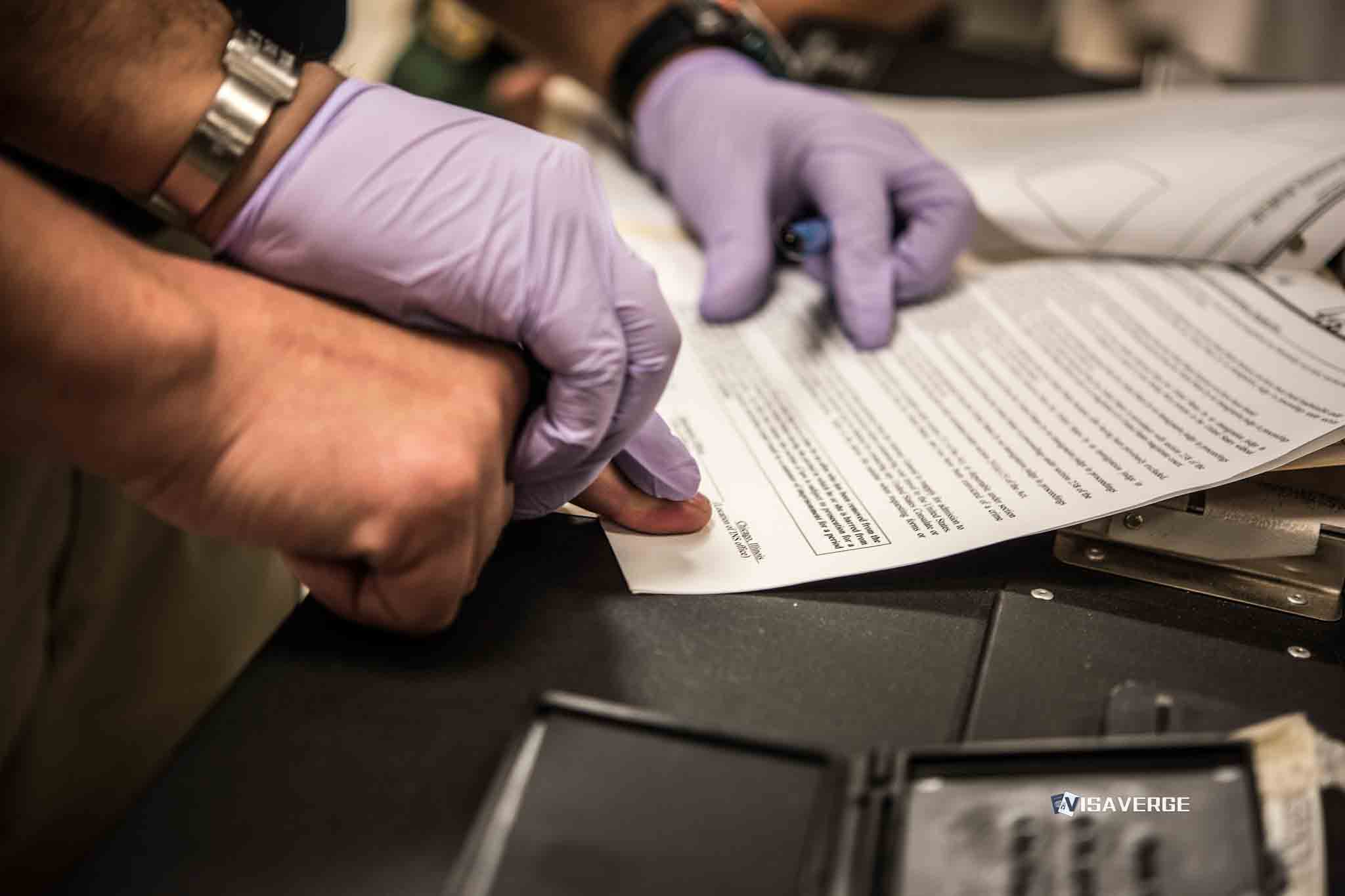
“We are strengthening a migratory model based on human rights, on integration and on coexistence that is compatible with both economic growth and social cohesion.”

→ In a NutshellVisaVerge.com

Spain Grants Legal Status to 500,000 Undocumented Migrants Under Royal Decree January 27, 2026

Spain Grants Legal Status to 500,000 Undocumented Migrants Under Royal Decree January 27, 2026

Spain has launched a massive initiative to regularize 500,000 undocumented migrants, emphasizing human rights and economic integration. The decree allows those present before 2026 to obtain work and residency permits. This policy stands in stark opposition to the ‘mass deportation blitz’ and restrictive benefits holds implemented by the U.S. Department of Homeland Security, highlighting a growing global divide in immigration management philosophies.

Share This Article
Facebook Pinterest Whatsapp Whatsapp Reddit Email Copy Link Print
What do you think?
Happy0
Sad0
Angry0
Embarrass0
Surprise0
Visa Verge
ByVisa Verge
Senior Editor
Follow:
VisaVerge.com is a premier online destination dedicated to providing the latest and most comprehensive news on immigration, visas, and global travel. Our platform is designed for individuals navigating the complexities of international travel and immigration processes. With a team of experienced journalists and industry experts, we deliver in-depth reporting, breaking news, and informative guides. Whether it's updates on visa policies, insights into travel trends, or tips for successful immigration, VisaVerge.com is committed to offering reliable, timely, and accurate information to our global audience. Our mission is to empower readers with knowledge, making international travel and relocation smoother and more accessible.
Subscribe
Login
Notify of
guest

guest

0 Comments
Inline Feedbacks
View all comments
H-1B Workforce Analysis Widget | VisaVerge
Data Analysis
U.S. Workforce Breakdown
0.44%
of U.S. jobs are H-1B

They're Taking Our Jobs?

Federal data reveals H-1B workers hold less than half a percent of American jobs. See the full breakdown.

164M Jobs 730K H-1B 91% Citizens
Read Analysis
Top 10 States with Highest ICE Arrests in 2025 (per 100k)
News

Top 10 States with Highest ICE Arrests in 2025 (per 100k)

ICE Training Explained: ERO’s 8-Week Program and HSI’s 6-Month Curriculum
Immigration

ICE Training Explained: ERO’s 8-Week Program and HSI’s 6-Month Curriculum

ICE Appearing in California Hospitals Sparks Urgent Staff Calls for Guidance
Healthcare

ICE Appearing in California Hospitals Sparks Urgent Staff Calls for Guidance

ICE Arrest Tactics Differ Sharply Between Red and Blue States, Data Shows
Immigration

ICE Arrest Tactics Differ Sharply Between Red and Blue States, Data Shows

IRS 2025 vs 2024 Tax Brackets: Detailed Comparison and Changes
News

IRS 2025 vs 2024 Tax Brackets: Detailed Comparison and Changes

No Verified Reports of ICE Breaking Into Ecuadorean Consulate in Minneapolis
News

No Verified Reports of ICE Breaking Into Ecuadorean Consulate in Minneapolis

REAL ID: What Documents Count as Proof of Identity
Airlines

REAL ID: What Documents Count as Proof of Identity

Did Obama Deport More People Than Trump? Key Facts Explained
News

Did Obama Deport More People Than Trump? Key Facts Explained

Year-End Financial Planning Widgets | VisaVerge
Tax Strategy Tool
Backdoor Roth IRA Calculator

High Earner? Use the Backdoor Strategy

Income too high for direct Roth contributions? Calculate your backdoor Roth IRA conversion and maximize tax-free retirement growth.

Contribute before Dec 31 for 2025 tax year
Calculate Now
Retirement Planning
Roth IRA Calculator

Plan Your Tax-Free Retirement

See how your Roth IRA contributions can grow tax-free over time and estimate your retirement savings.

  • 2025 contribution limits: $7,000 ($8,000 if 50+)
  • Tax-free qualified withdrawals
  • No required minimum distributions
Estimate Growth
For Immigrants & Expats
Global 401(k) Calculator

Compare US & International Retirement Systems

Working in the US on a visa? Compare your 401(k) savings with retirement systems in your home country.

India UK Canada Australia Germany +More
Compare Systems

You Might Also Like

Supreme Court Reviews Tattoo-Based Visa Denial Case in L.A.
News

Supreme Court Reviews Tattoo-Based Visa Denial Case in L.A.

By Oliver Mercer
U.S. Weighted H-1B Rule Sparks Debate Over H-1B Visa, AI, India Futures
H1B

U.S. Weighted H-1B Rule Sparks Debate Over H-1B Visa, AI, India Futures

By Sai Sankar
Voluntary Departure Program offers ,000 and tickets to self-deport
Immigration

Voluntary Departure Program offers $1,000 and tickets to self-deport

By Visa Verge
Romania and Bulgaria Join Schengen — Golden Visa Options for Indians
Immigration

Romania and Bulgaria Join Schengen — Golden Visa Options for Indians

By Shashank Singh
Show More
Official VisaVerge Logo Official VisaVerge Logo
Facebook Twitter Youtube Rss Instagram Android

About US


At VisaVerge, we understand that the journey of immigration and travel is more than just a process; it’s a deeply personal experience that shapes futures and fulfills dreams. Our mission is to demystify the intricacies of immigration laws, visa procedures, and travel information, making them accessible and understandable for everyone.

Trending
  • Canada
  • F1Visa
  • Guides
  • Legal
  • NRI
  • Questions
  • Situations
  • USCIS
Useful Links
  • History
  • USA 2026 Federal Holidays
  • UK Bank Holidays 2026
  • LinkInBio
  • My Saves
  • Resources Hub
  • Contact USCIS
web-app-manifest-512x512 web-app-manifest-512x512

2026 © VisaVerge. All Rights Reserved.

2026 All Rights Reserved by Marne Media LLP
  • About US
  • Community Guidelines
  • Contact US
  • Cookie Policy
  • Disclaimer
  • Ethics Statement
  • Privacy Policy
  • Terms and Conditions
wpDiscuz
Welcome Back!

Sign in to your account

Username or Email Address
Password

Lost your password?