Key Takeaways
- Simplifying visa rules and establishing data center zones are crucial for leadership in the digital age.
- The U.S. seeks to streamline AI visas; the UK considers specialized AI visas to attract global talent.
- Economic benefits of data centers are clear, but sustainable energy solutions are vital to address environmental concerns.
The digital age is upon us, significantly driven by the power of artificial intelligence (AI). Nations worldwide understand the fierce competition to lead in this digital revolution. Two pressing needs are taking the spotlight: easing visa rules for AI specialists and creating zones for data centers. Addressing these needs is crucial for any country wanting to be a leader in AI and related fields.
The Need for Simplified Visa Rules

AI is not just a buzzword; it’s reshaping industries, economies, and societies at large. This transformation demands a surge in skilled professionals who can navigate this fast-evolving field. Countries like the United States ?? and the United Kingdom ?? are taking steps to ensure they attract the best talent globally.
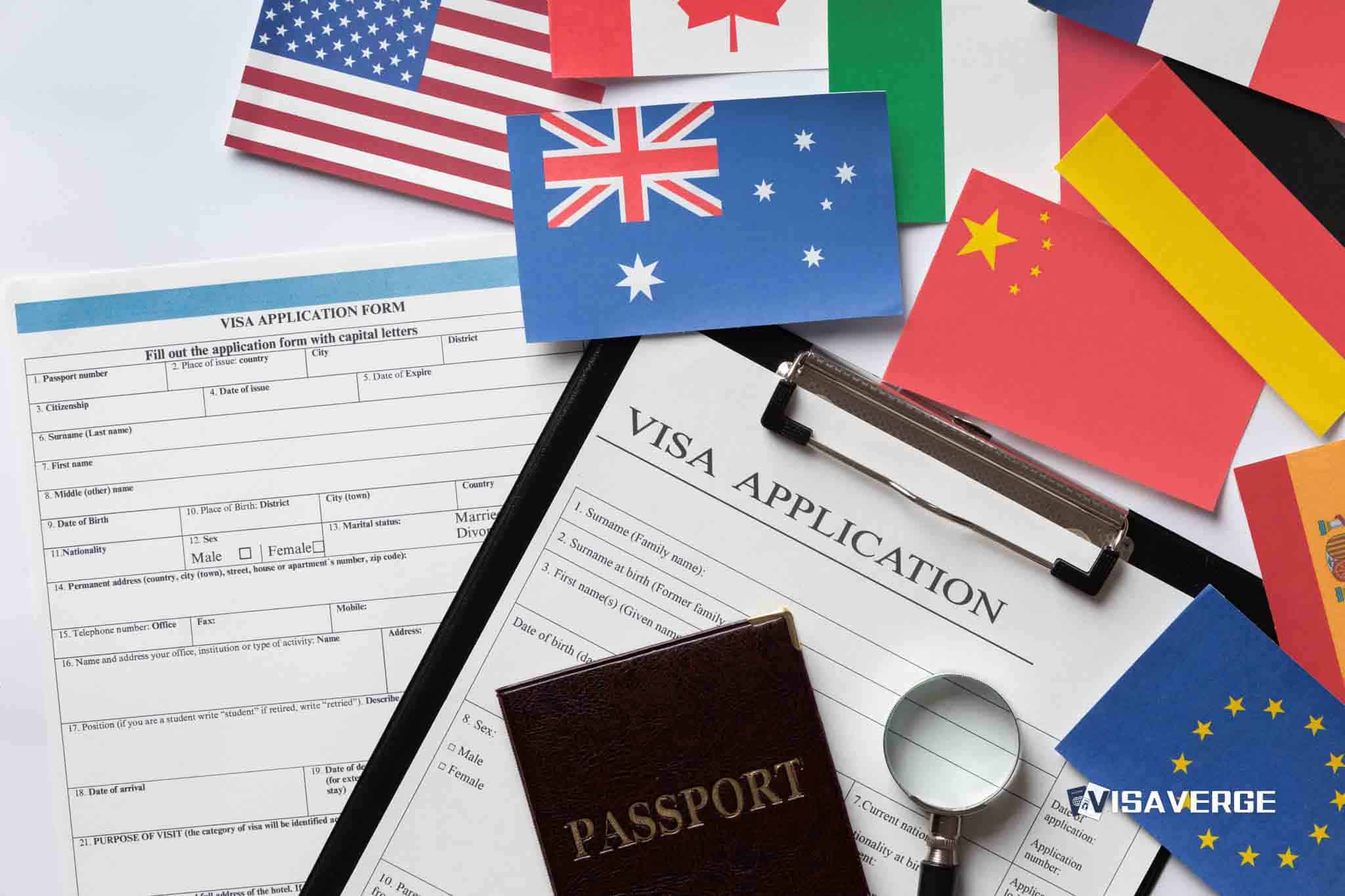
United States Initiatives: The U.S. views AI talent as a vital resource not just for economic growth but also for national security. As part of this strategic focus, the Biden administration has been trying to streamline visa processes. This involves making visa procedures quicker and more accessible for AI experts. Such steps likely include speeding up visa processing times and securing more slots for visa interviews.
Free toolDS-160 Form Filling Online Helper ToolUnited Kingdom Proposals: In the UK, the discussion is centered around reducing the complex and costly procedures that currently exist. The UK government recognizes that these barriers may deter AI specialists from moving there. Recommendations have been made to create specialized visas aimed directly at AI professionals. This move would make it far simpler for experts in AI to bring their skills to the country, thus bolstering the UK’s position as a hub for cutting-edge technology.
Global Perspective: Aligning visa policies with technological requirements is now seen as a strategic advantage. Simplifying the entry for AI specialists aligns with long-term national interests in maintaining an edge in innovation.
Establishing Data Center Zones
As more data is generated, collected, and analyzed, data centers have become critical infrastructure components in the technology ecosystem. Data centers power the digital economy, but they must expand to accommodate the growing demand.
U.S. Data Center Growth: With tech giants like Amazon, Google, and Microsoft investing massively, the U.S. is witnessing a boom in data center developments. These companies are building “hyperscale” data centers to handle the immense computing power required by AI applications.
Challenges in the UK: In contrast, the UK faces hurdles such as high power costs and delayed energy connections. These issues are pressing given impending nuclear power station closures. The call for setting up specialized zones that can meet energy and infrastructure needs is growing louder.
Strategic Importance: Establishing zones specifically for data centers can quickly lead to infrastructure development. Such zones can be positioned near reliable energy sources, ensuring uninterrupted operation.
Economic and Environmental Considerations
While both the import of AI talent and the expansion of data centers are economically beneficial, they do raise environmental concerns.
Economic Benefits: The data center sector is a powerful engine of economic growth. Not only does it bring in significant investment, but it also boosts demand for skilled labor and services affiliated with tech development.
Environmental Challenges: Data centers consume large amounts of electricity, contributing substantially to energy consumption. In the United States, these facilities could represent a notable share of future electricity growth. Addressing this issue involves exploring renewables and other sustainable energy sources.
Strategic Policy Recommendations
Simplify Visa Processes: Making it easier and faster for AI specialists to get visas can attract a wide array of global talent. This means reducing financial and administrative barriers.
Dedicated Data Center Zones: Creating zones equipped with the necessary infrastructure for data centers is key. These zones should strategically align with energy availability and digital connectivity.
Sustainable Energy Investments: To lessen environmental impacts, integrating renewable energy into data operations is crucial. Options could include solar and nuclear energy to keep operations sustainable and efficient.
Foster Public-Private Partnerships: Cooperation between governments and private sectors can drive not only infrastructure but also innovation in AI.
Regional Innovation Clusters: Encouraging technology hubs outside traditional areas can distribute economic benefits more evenly, easing pressure from places like London or Silicon Valley.
Conclusion
The call to relax visa rules for AI specialists and create data center zones is a clarion call for innovation and competitiveness. By simplifying bureaucratic processes and prioritizing infrastructure, governments can create fertile ground for technological progress. This move not only supports economic growth but also ensures these advancements happen sustainably. For more detailed information about visa processes, you can visit the official U.S. Citizenship and Immigration Services website. Balancing these needs allows countries to confidently move forward into the digital future. As VisaVerge.com reports, these measures are integral to maintaining a forward-thinking approach in the rapidly evolving tech landscape.
Learn Today
Artificial Intelligence (AI): Technology simulating human intelligence processes, crucial in driving modern industry, economy, and society changes.
Visa Rules: Regulations that govern the process of obtaining permission for a foreign individual to enter or work in a country.
Hyperscale Data Centers: Large facilities that provide scalable cloud computing resources to meet the demands of massive data processing tasks.
Renewable Energy: Energy from natural sources like solar or wind, considered sustainable and less environmentally harmful compared to fossil fuels.
Public-Private Partnerships: Collaborations between government entities and private companies aimed at enhancing infrastructure and technological innovation.
This Article in a Nutshell
In the digital age, nations vie for AI leadership by easing visa processes and creating data center zones. Simplified visas attract global talent, driving innovation and economic growth. Data zones, strategically placed, address infrastructure needs. This dual approach promotes technological advancement, ensuring competitive edges in an evolving global tech landscape.
— By VisaVerge.com
Read more:
• US Airlines New Refund Rule for Canceled, Delayed Flights
• British Airways Cancels Gatwick to New York Flights Until 2025
• Is Premium Processing Available for OPT?
• Lakshmi Balakrishnan’s Allegations Against Oxford University
• How to Apply for an Australian Work Visa from Dubai