Key Takeaways:
- A record number of Indian students applied to U.S. schools in 2023, primarily for AI and machine learning studies.
- The “ChatGPT Effect” drove a four-fold increase in AI-related applications from India to the U.S. compared to 2022.
- Indian tech professionals, like Sundar Pichai and Satya Nadella, highlight the career success potential of U.S. education.
Why Are Indian Students Flocking to U.S. Schools for AI Studies?
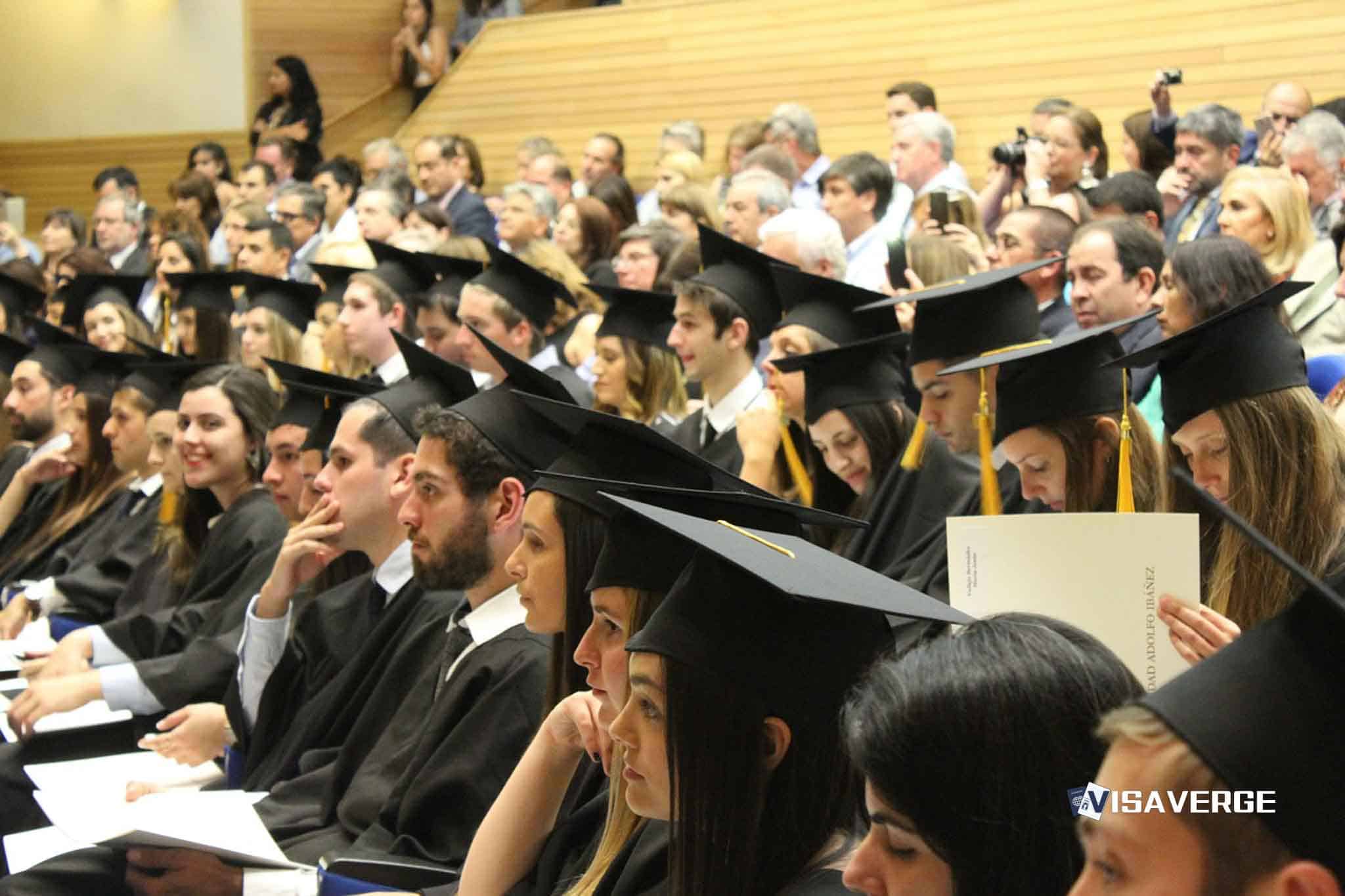
In 2023, a remarkable trend was observed: a record number of Indian students applied to study in U.S. schools. The driving factors behind this surge were the excellent academic environment and the potential for these students to have a significant impact on their careers. Many were particularly interested in fields like artificial intelligence (AI) and machine learning, which promise ample opportunities in both the U.S. and major Indian tech hubs such as Mumbai and Bengaluru.
What Is Fueling the Surge in AI Applications?
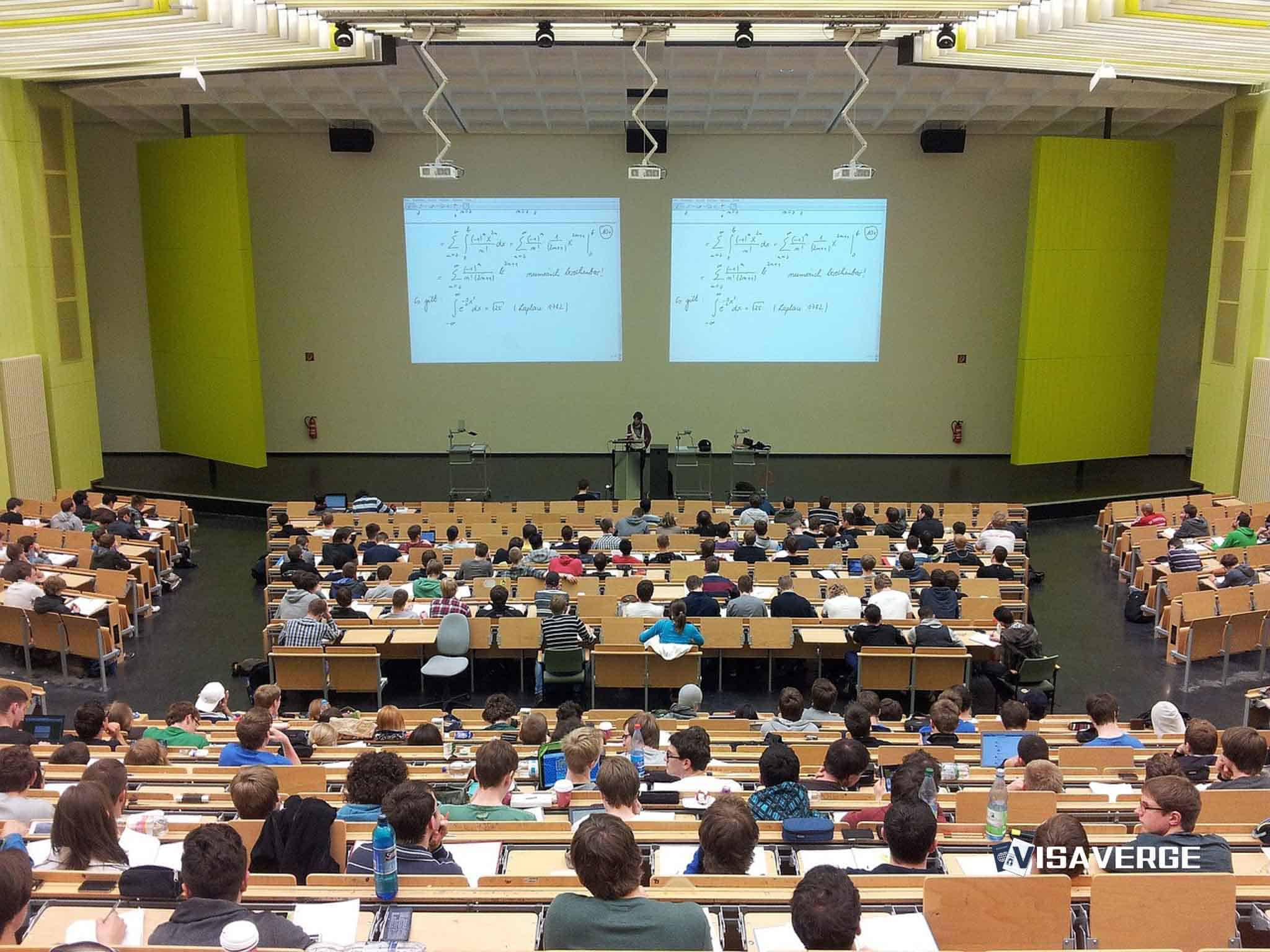
The year 2023 saw Indian students submitting four times more applications to U.S. schools for AI and machine learning studies compared to the previous year. This massive increase is driven by the “ChatGPT Effect,” a term coined for the enthusiasm surrounding the growth of AI models. Data analytics also saw an almost five-fold increase in applications, while cybersecurity and computer forensics experienced an eight-fold rise.
How Have Past Indian Students Thrived in the U.S. Tech Industry?
Indian students are not new to the U.S. tech sector. Many have followed a path that has led to significant success. Sundar Pichai, CEO of Google’s parent company Alphabet, and Satya Nadella, CEO of Microsoft, are prime examples of Indian immigrants who have risen to the top of American tech companies.
Free toolOPT Timeline Calculator OnlineThese individuals are not outliers. Indians have made substantial contributions to the tech world, following in the footsteps of other migrant leaders like Chinese-born American Fei-Fei Li, who co-directs Stanford University’s Human-Centered AI Institute, British-Hong Kong-American Andrew Ng, who co-founded and served as CEO of Google Brain, and Russian-Israeli-Canadian-American Ilya Sutskever, co-founder and chief scientist of OpenAI, the creator of ChatGPT.
How Does Indian Experience in U.S. Tech Benefit India?
The benefits flow both ways. By pursuing advanced degrees and cutting-edge research in the U.S., many Indians have eventually returned home to drive technological growth. Since the 1960s, thousands of Indians have attended U.S. universities for advanced STEM degrees. While some have stayed in the U.S., many have returned to India to contribute significantly to its tech ecosystem.
“There is a symbiotic relationship between Silicon Valley and Bengaluru,” argues one tech expert. This partnership has led to numerous American tech companies establishing offices in India, providing thousands of job opportunities for Indian professionals. Companies like Wipro and Infosys are making their mark globally, thanks to the expertise brought back by Indian graduates from U.S. institutions.
Why Is a U.S. Education Essential for Aspiring AI Experts?
For those eyeing a career in burgeoning sectors like AI, U.S. education remains a valuable investment. Universities in the U.S. offer high-caliber programs that integrate AI and other cutting-edge technologies into their curriculum. This kind of education opens doors to numerous possibilities, enabling Indian students to be at the forefront of global technological advancements.
Conclusion: The Future Looks Bright for Indian Students in AI
The increasing number of Indian students opting for AI studies in U.S. schools symbolizes not just a trend but a robust shift in educational preferences. These students are well-positioned to contribute meaningfully both to the American tech industry and India’s growing tech landscape. With a solid education in AI, machine learning, data analytics, and other related fields, they are gearing up to tackle future technological challenges and opportunities.
By studying in the U.S., Indian students gain invaluable experience and skills, which in turn benefit their home country. The strong ties between Silicon Valley and Indian tech hubs like Bengaluru continue to grow, making this relationship a win-win for both countries.
For more information on the immigration process for Indian students, you can visit the U.S. Citizenship and Immigration Services (USCIS) website.
By investing in a U.S. education, Indian students are not just chasing academic excellence—they’re preparing to be the leaders of tomorrow’s tech innovations.
Learn Today:
Glossary of Immigration Terms
- STEM Degrees
- Definition: Academic programs focusing on science, technology, engineering, and mathematics. Indian students often pursue these degrees in the U.S. to gain advanced knowledge and skills, particularly in cutting-edge fields like AI and machine learning.
- ChatGPT Effect
- Definition: A term describing the surge in interest and applications for AI and machine learning studies, influenced by the growth and popularity of AI models such as ChatGPT. This effect has notably increased the number of Indian students applying to U.S. schools.
- Symbiotic Relationship
- Definition: A mutually beneficial relationship between two entities. In the context of immigration and tech, this refers to the exchange of knowledge and expertise between Silicon Valley and Indian tech hubs like Bengaluru, fostering growth in both regions.
- Visa
- Definition: An authorization issued by a country, allowing foreign nationals to enter and stay for a specific period and purpose. Indian students typically require a student visa to study in the U.S. and benefit from its educational system.
- Silicon Valley
- Definition: A renowned technology hub in California, USA, home to many leading tech companies and startups. Indian students often aspire to work here to gain valuable experience, which they can later use to contribute to India’s tech industry.
This Article In A Nutshell:
In 2023, Indian students surged to U.S. schools for AI studies due to exceptional academic settings and career opportunities in tech. Past success stories like Pichai and Nadella inspire new waves. U.S. education boosts India’s tech landscape. The future is bright for Indian AI enthusiasts bridging Silicon Valley and Bengaluru.
— By VisaVerge.com
Read more
- Indian Students Banned: Australia’s Visa Shakeup Sparks Outrage
- UK Graduate Visa Update for Indian Students: MAC Recommends Continuation
- Relief for Indian Students Caught in US OPT Fraud Case
- Indian Students at Pro-Palestine Movement on US Campus: Parents Concerned and Warned
- US Visa Appointments for Indian Students Starting Late May