- Fee-funded agencies like USCIS and the State Department generally continue processing petitions and visas.
- Appropriations-funded operations like immigration court hearings for non-detained individuals usually pause.
- Employers face bottlenecks as Department of Labor filings often freeze during funding lapses.
(United States) A U.S. government shutdown does not stop immigration work across the board, but it does split the system in half. Fee-funded services at USCIS, many visa operations at the State Department, and essential border checks usually keep moving, while immigration court hearings, many Department of Labor filings, and some electronic systems slow down or pause.
That divide matters fast for families, workers, students, and travelers. A filing that depends on one agency can keep moving while another required step freezes, which is why shutdown planning starts with the funding source, not the form number.
How the shutdown split shapes the immigration path
The first question is simple: does the service run on user fees or on annual congressional funding? Fee-funded operations keep running because applicants pay for them directly. Appropriations-funded operations lose money when Congress misses the deadline.
Free toolB1/B2 Tourist Visa Stay Calculator onlineThat is why USCIS usually keeps processing green cards, family petitions, work permits, and naturalization cases during a U.S. government shutdown. Forms such as Form I-485, Form I-130, Form I-140, Form I-129, and Form N-400 remain in play because the agency is fee-funded. Biometrics appointments and interviews also continue unless a local office faces building access problems.
The Department of State follows a similar pattern. Visa interviews and passport services generally continue, including at embassies and consulates. The official USA.gov shutdown guidance explains that many fee-funded services remain available even when the rest of government contracts.
| India | China | ROW | |
|---|---|---|---|
| EB-1 | Feb 01, 2023 ▲109d | Jul 01, 2023 | Current |
| EB-2 | Nov 01, 2013 | Oct 01, 2021 ▲30d | Jan 01, 2025 |
| EB-3 | Jan 01, 2014 | Jan 08, 2022 ▲7d | May 15, 2024 ▼109d |
| F-1 | Jan 22, 2020 | Jan 22, 2020 | Jan 22, 2020 |
| F-2A | Sep 22, 2026 ▲31d | Sep 22, 2026 ▲31d | Sep 22, 2026 ▲31d |
USCIS keeps working, but delays still spread
USCIS remains one of the most resilient parts of immigration during a funding lapse, yet it is not immune. Staff paid through appropriations can be furloughed, and that affects customer service, file movement, and coordination with other agencies. FBI background checks can also slow cases even when the petition itself stays active.
Some programs are more exposed than others. E-Verify, EB-5 Regional Centers, Conrad 30 J-1 waiver work, and non-minister religious worker cases can pause if the related funding dries down. In past shutdown periods, USCIS accepted late H-1B filings when employers could prove that a Labor Department delay caused the problem. That kind of documentation matters.
According to analysis by VisaVerge.com, applicants who keep receipts, case numbers, and screenshots are better positioned when agencies later review missed deadlines tied to shutdown timing.
Why immigration court hearings are among the first casualties
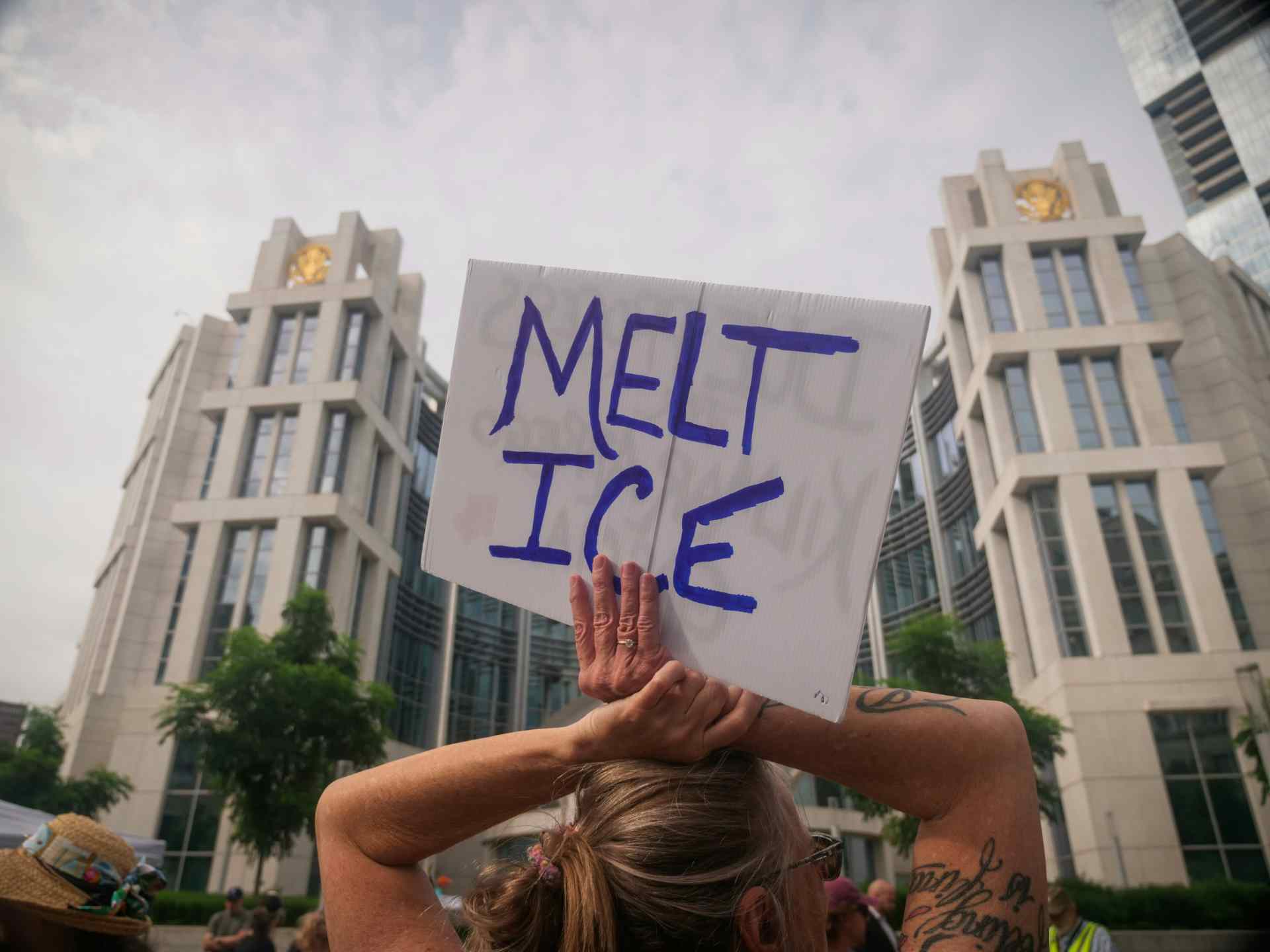
Immigration court hearings are usually hit harder than USCIS filings because the Executive Office for Immigration Review depends on annual appropriations. Non-detained hearings are often cancelled. Judges, court staff, and DHS trial attorneys can be furloughed. Detained dockets continue only in limited fashion for public safety and custody cases.
For people in removal proceedings, that means waiting longer for a hearing date and living with more uncertainty. A delay of weeks can turn into months, and backlogs grow even more when a shutdown lands on top of an already crowded docket. The system already carries more than 3 million pending cases, so each missed hearing adds strain.
People scheduled for court should check the automated court line and attend if they receive a new notice. Missing a hearing because of confusion can cause far worse problems than the shutdown itself.
Department of Labor filings often freeze first for employers
The Department of Labor creates the sharpest bottleneck for employers. Labor condition applications for H-1B, H-1B1, and E-3 workers, plus PERM labor certifications and prevailing wage requests, usually stop when funding lapses. Without those approvals, a worker’s next USCIS step may sit on hold.
That is especially hard for tech companies, hospitals, schools, and small firms that need a worker to start on a fixed date. If a labor filing stalls, the later immigration petition cannot move in the normal way.
There is one important twist. During some recent funding gaps, DOL continued more operations than in older shutdowns because parts of its budget had already been approved. Employers still need to check current status before assuming a filing is blocked.
Border checks stay open, but travel takes longer
Customs and Border Protection treats ports of entry as essential. Airports, land crossings, and seaports keep operating. TSA screening and air traffic control also continue. That means people can still enter and leave the country during a shutdown.
Still, the experience changes. Secondary inspection lines get longer when fewer officers are available for support work. Discretionary programs can also pause, including some trusted traveler activity. In February 2026, Global Entry enrollment was suspended in one instance, showing how a shutdown can hit even a system that usually runs smoothly.
Travelers should carry passports, green cards, visas, I-94 records, approval notices, and employer letters in their hand luggage. International arrivals should build in extra time. Three hours is a safer buffer at busy airports.
Visa and passport work continues, but appointments tighten
Visa processing at embassies and consulates usually keeps going because it is fee-funded. Passport agencies also stay open when fee support remains in place. That helps students, workers, and families who already have interviews booked.
The bigger problem is capacity. When support staff are furloughed, appointment slots shrink, follow-up reviews slow down, and high-demand posts get backed up. People seeking B-1/B-2, H-1B, or F-1 visas feel that first.
Urgent travel requests can still succeed if the applicant shows medical need, a death in the family, or a pressing work or school deadline. Embassy portals are the best place to check for local instructions.
Students, workers, and schools feel the indirect hit
The Student and Exchange Visitor Program keeps SEVIS running because it is fee-funded. Schools can still report changes for F-1, M-1, and J-1 students. USCIS also continues to process OPT applications.
The trouble comes from outside the classroom. If consular visa appointments slow down, students abroad arrive late. Universities then have to offer deferrals, remote starts, or revised arrival plans. That is why international offices usually tell students to watch for embassy updates and keep close contact with their school.
For employers, the fastest rule is simple: do not assume a shutdown means the whole system closed. It rarely does. It means different pieces move at different speeds.
What applicants and employers should do now
A few habits reduce the damage:
- File as early as possible, especially for USCIS forms and labor filings.
- Save every receipt, notice, screenshot, and email.
- Check USCIS, State, CBP, and EOIR websites daily.
- Keep original identity and work papers ready for travel or inspection.
- Ask for expedited handling when a shutdown creates a job loss, family emergency, or school deadline.
- Train HR teams on I-9 procedures and remote verification rules.
That discipline matters because delays are easier to prove when records are complete. In a shutdown, paperwork becomes protection.
The human cost comes after the headline fades
Shutdowns do not just slow agencies. They delay nursing care, split families, and push start dates back for workers who were ready to begin. A J-1 waiver can stall rural medical staffing. A postponed court hearing can leave a family waiting another year. A missed visa appointment can cancel a semester abroad.
The first wave is usually administrative. The deeper damage follows later, when agencies reopen and spend months clearing the queue. People who planned ahead recover faster. People who did not often pay again for medical exams, travel, rescheduled interviews, and lost time.
Official shutdown updates remain available through USA.gov, while agency sites post local changes as they happen. For immigration matters, the pattern stays the same: USCIS often keeps moving, immigration court hearings often stop, and every other step depends on which office pays the bill.