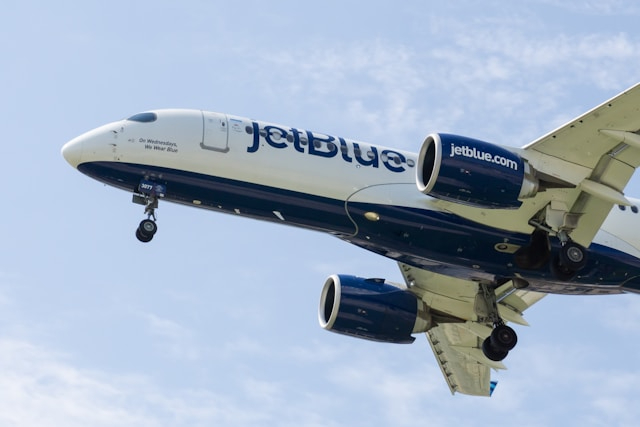
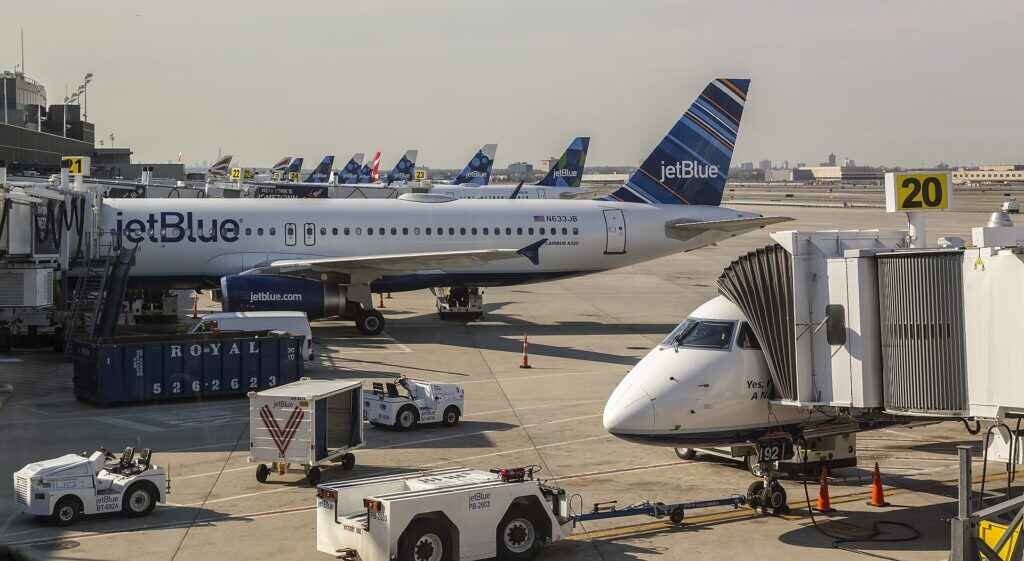
- JetBlue will officially end all flight operations at Manchester-Boston Regional Airport starting July 8, 2026.
- The airline cited underperforming route metrics and rising jet fuel costs as primary reasons for the exit.
- Affected passengers will receive full refunds or rebooking options as the carrier shifts focus to Boston.
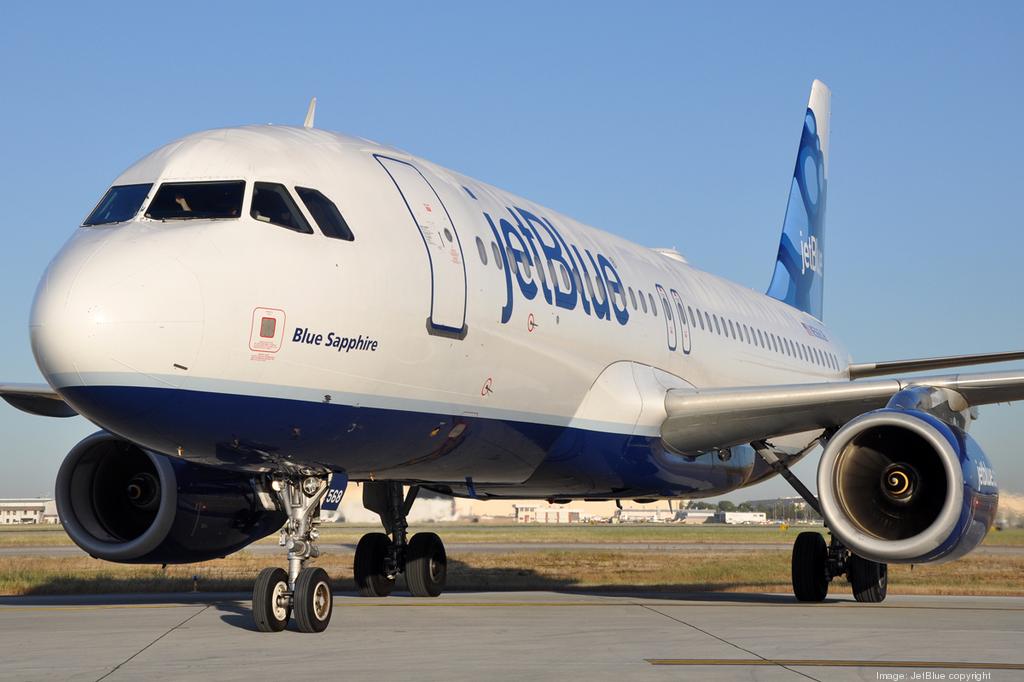
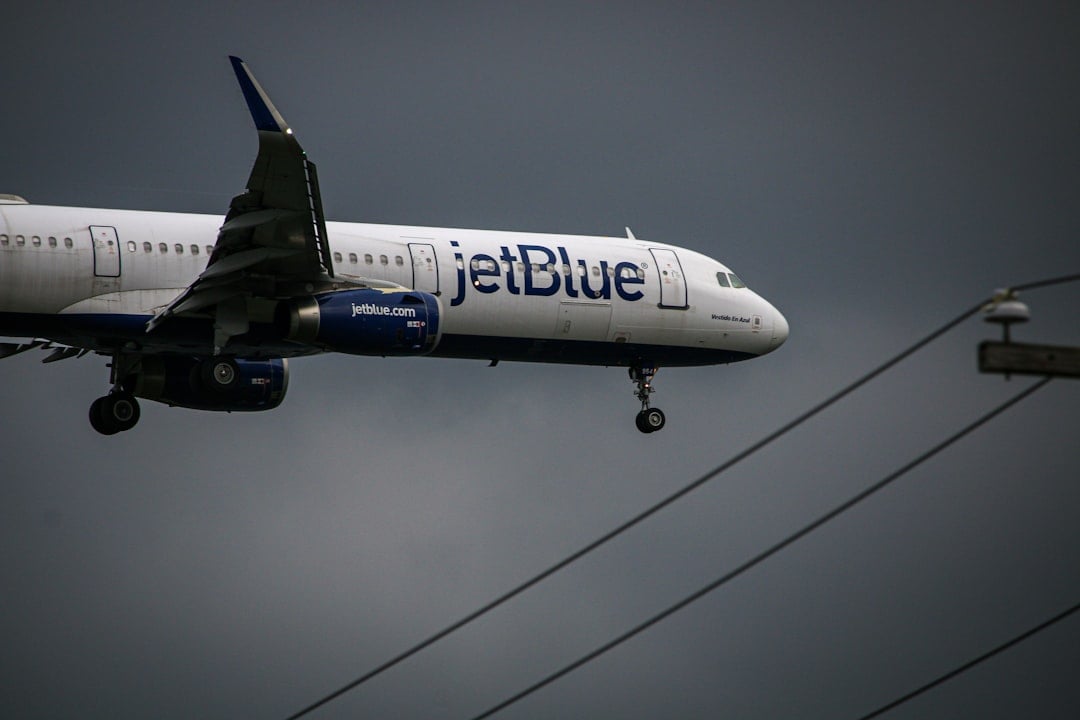
(MANCHESTER, NEW HAMPSHIRE) – JetBlue is ending service at Manchester-Boston Regional Airport, with the airline scheduling its last flight from the New Hampshire airport for July 8, 2026.
The carrier said it is dropping a “small number of underperforming routes” and moving aircraft to routes with stronger demand. Manchester is among the services being cut.
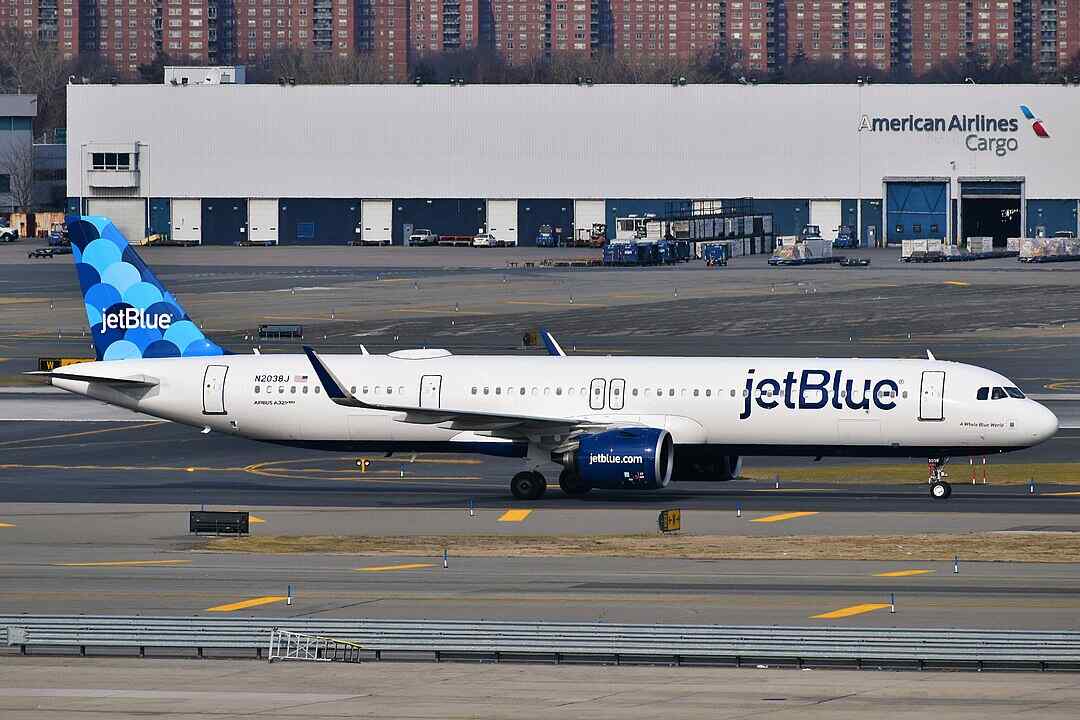
Customers affected by the end of JetBlue service at Manchester-Boston Regional Airport will be contacted directly, the airline said. They will be offered alternate JetBlue flight options, where available, or a full refund to the original form of payment.
Manchester-Boston Regional Airport said it had spent the past two years trying to keep JetBlue service at MHT. Airport officials said they used air service incentives, marketing efforts, and promotional activities in that push.
Those efforts were not enough to overcome JetBlue’s business challenges, the airport said. It added that a recent spike in jet fuel prices worsened those pressures.
JetBlue said it remains committed to serving New England. The airline pointed in particular to Boston, which it described as a focus city.
The decision pulls JetBlue out of the Manchester market on July 8, 2026, ending service at an airport that had tried for two years to hold onto the carrier. Airport officials framed the outcome as a commercial decision shaped by route performance and higher operating costs.
JetBlue’s explanation centered on network allocation. By describing Manchester as part of a “small number of underperforming routes,” the airline tied the cut to a broader effort to place aircraft where demand is stronger.
That leaves existing travelers with two options from the airline: rebooking on another JetBlue itinerary if one is available, or receiving money back on the original payment method. JetBlue said it will reach out to affected customers directly rather than requiring them to first discover the change on their own.
Manchester-Boston Regional Airport’s statement offered a different window into the same decision, stressing the amount of time and effort spent trying to preserve service. Air service incentives, marketing efforts, and promotional activities formed the core of that campaign, which the airport said stretched across two years.
Airport officials said those measures could not offset the business environment facing the airline. They cited a recent spike in jet fuel prices as an added strain on JetBlue’s economics at Manchester.
Jet fuel costs can weigh heavily on smaller routes because airlines have less room to absorb weaker performance. JetBlue did not provide a longer breakdown of the Manchester decision beyond its statement that it was removing underperforming flying and redeploying aircraft to stronger-demand routes.
The airline’s reference to Boston also placed the move inside its wider New England posture. JetBlue said it remains committed to the region, especially Boston, even as it leaves Manchester-Boston Regional Airport.
That distinction matters inside the regional market because Manchester has long competed with larger airports in the area for airline service and passenger traffic. JetBlue’s decision keeps its New England presence intact while narrowing where it chooses to fly.
Manchester passengers booked beyond July 8, 2026 now face a transition that depends on what alternate JetBlue flights are available in their itineraries. If no substitute fits, the airline said it will provide a full refund to the original form of payment.
Airport officials, after two years of air service incentives, marketing, and promotions, now face the loss of one more carrier from the field. JetBlue, meanwhile, will end its Manchester chapter on July 8, 2026 and shift those aircraft to markets where it sees stronger demand.