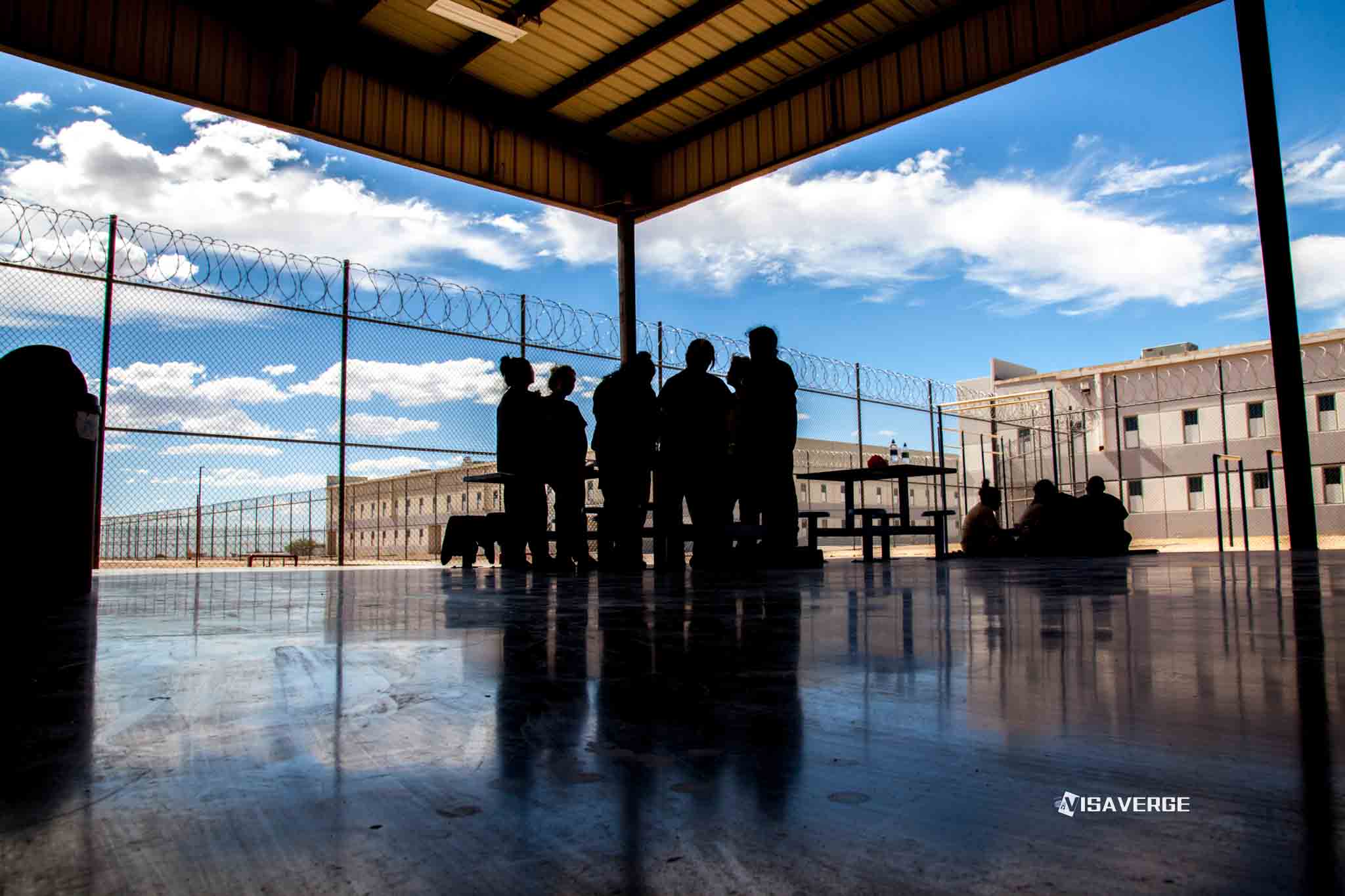
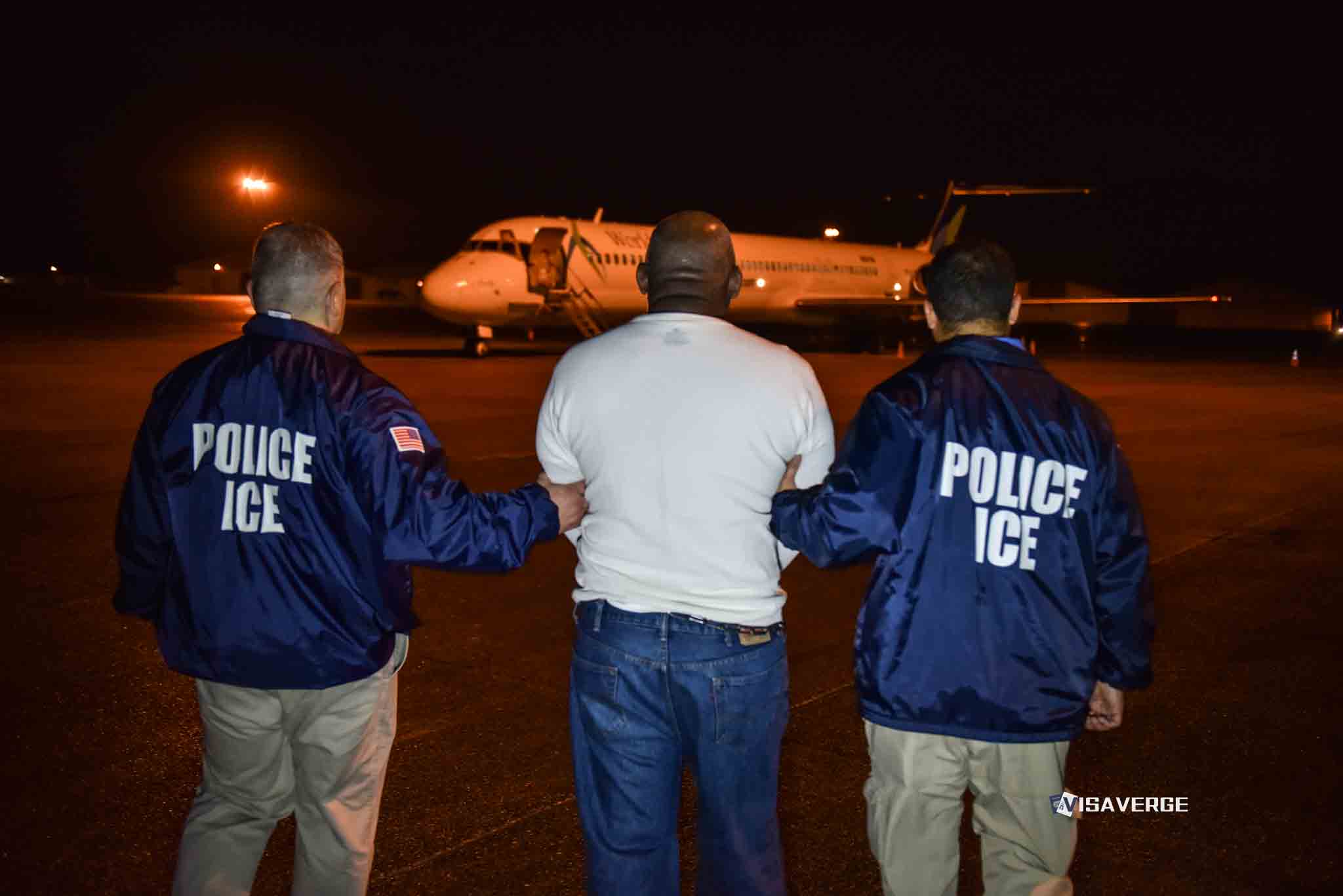
Senator Jon Ossoff says more than 500 credible reports of human rights abuses in immigration detention centers since January 2025 demand urgent action now. DHS and ICE deny wrongdoing, setting up a sharp clash over safety, medical care, and oversight.
Ossoff released his findings on August 6, detailing 510 reports from facilities in Georgia and across the United States. On August 7, DHS publicly rejected the claims. On August 8, Ossoff said DHS blocked access and slowed his team’s work, calling for transparency and independent checks.
Free toolUSCIS Receipt Number Decoder
What Ossoff’s team says they found
- Interviews and inspections
- 46 interviews with detainees and multiple site inspections in several states, including Georgia and Texas.
- Types of allegations
- Reports include deaths in custody, physical and sexual abuse, denial of medical care, overcrowding, unsanitary conditions, and family separations.
- Specific cases cited
- A 4-year-old U.S. citizen with cancer deported to Honduras without needed medication after his mother’s removal.
- Pregnant women told to “just drink water” instead of receiving medical exams.
- Detainees shackled for long periods and people forced to sleep on concrete floors.
- Solitary confinement used after requests for mental health help.
- Use of flash-bang grenades and rubber bullets during protests about conditions.
- Focus on pregnant women and children
- Team logged 14 cases involving mistreatment of pregnant women and 18 cases involving children (including denial of care and separations).
- Ossoff argues these patterns indicate systemic problems, not isolated mistakes.
DHS, ICE, and White House response
- DHS Assistant Secretary Tricia McLaughlin: Calls the allegations false and says detainees receive:
- Full medical care
- Regular meals
- Access to lawyers and family
- She also states Ossoff’s staff were never blocked from facilities.
- White House spokesperson: Says detention sites have “the highest standards”, are “safe, clean,” and hold people awaiting final removal proceedings.
Advocacy groups and independent experts
-
Groups such as Human Rights Watch, Americans for Immigrant Justice, and the National Immigrant Justice Center say many of Ossoff’s findings match their own reports, particularly in Florida and Georgia.
- They cite medical neglect, overcrowding, and transfers that cut off legal help.
- They warn that expanding detention beds without stronger oversight may increase harm.
- Analysis from VisaVerge.com suggests long-term fixes will require:
- Enforceable standards
- Regular independent inspections
- Real penalties for noncompliance
Why this matters for families, employers, and communities
- Families
- Transfers and solitary confinement can separate families and make it hard to reach lawyers.
- Parents worry about children’s safety and medical needs.
- Employers
- Detained workers cannot attend court or work, disrupting businesses and local economies.
- Communities
- Hospitals and social services feel pressure when people leave detention in poor health.
- Trust in public systems erodes when abuse claims go unanswered.
Congressional actions and oversight
- Ossoff has sent oversight letters to:
- DHS
- Department of Justice
- Department of Defense
seeking records on detention standards, medical care, and use-of-force incidents.
- Lawmakers are discussing proposals for:
- Stronger rules
- Independent inspections
- Alternatives to detention for vulnerable people (pregnant women, children, those with serious health needs)
- Political split
- Supporters say these changes could lower costs and reduce harm.
- Opponents warn stricter limits could weaken enforcement.
Possible solutions on the table
- Independent inspections with public reports and quick fixes for violations.
- Stronger medical protocols for pregnancy care, mental health, and chronic conditions.
- Limits on solitary confinement, requiring clear medical and legal reviews.
- Reduced use of force, with transparent incident logs and body-camera policies where feasible.
- Alternatives to detention (community supervision, case management) for those at low flight risk or with special needs.
- Better tracking to prevent transfers that cut off access to attorneys and family.
How detainees and families can act now
- Report abuse
- Use facility grievance systems.
- Contact advocacy groups.
- Call ICE’s Detention Reporting and Information Line: 1-888-351-4024.
- Seek legal help
- Groups like the National Immigrant Justice Center provide guidance on rights and possible relief.
- Keep records
- Save names, dates, medical notes, and any photos or messages that document conditions or denial of care.
- Request medical attention in writing
- Ask to see a clinician and keep copies of all requests and responses.
If you or a loved one is detained, act quickly: document conditions, call the hotline, and contact a lawyer.
Official resources and oversight
- ICE says it uses the 2025 National Detention Standards, conducts regular inspections, and allows visits by Congress and legal teams.
- To review detention policies and oversight claims, visit ICE’s detention management page: ice.gov/detain/detention-management.
- Ossoff counters that DHS has obstructed parts of his investigation and calls for more open access and data sharing.
Policy backdrop, funding, and the legal landscape
- Advocates say problems have grown with:
- Increased enforcement
- More private contractors
- A planned expansion of detention capacity and ICE staffing
- Funding
- Tens of billions in federal funding are set aside over the next decade to build capacity.
- Supporters: expansion needed for border security and faster removals.
- Critics: adding beds without reforms will worsen abuse risks and legal backlogs.
- Legal actions
- Federal courts have paused some deportations and demanded due process in certain cases.
- Advocates have filed FOIA requests and lawsuits seeking records on deaths, medical care, use of force, and solitary confinement.
Human impact: case snapshots
- A mother reports a 7-month pregnancy, receives no exam after fainting, is told to drink water, and later needs emergency care for complications.
- A child with asthma sleeps on a concrete floor during a cold snap after a transfer, without an inhaler for two days.
- A detainee requests mental health support after a family death and is placed in solitary “for observation” for over a week.
What to watch next
- Whether DHS grants broader access to Ossoff’s staff and releases more detailed detention data.
- New Congressional hearings or subpoenas for records about deaths, medical denials, and use of force.
- Legislative efforts to set enforceable minimum standards and expand alternatives for vulnerable people.
- Further court rulings on medical neglect and access to counsel.
Bottom line and practical next steps
- The abuse claims are serious and documented by Ossoff and multiple advocacy groups, while DHS and ICE deny them.
- Immediate actions if affected:
- Call the hotline: 1-888-351-4024.
- Document conditions and seek legal counsel.
- Community groups and faith organizations can help locate counsel, gather records, and press for medical care.
- For updates or to share reports:
- Contact Senator Jon Ossoff’s office for case updates or to share reports with investigators.
- For legal help and complaint templates, contact the National Immigrant Justice Center.
- For policy updates and facility lists, use ICE’s detention management portal.
As the dispute unfolds, the stakes are clear: Jon Ossoff is pressing for answers on human rights abuses in immigration detention centers, and the government must show whether current standards truly protect people in its custody.
This Article in a Nutshell