(OAKLAND, CALIFORNIA) Passengers at Oakland International Airport faced fresh uncertainty over the weekend as the federal government shutdown entered its fourth week, triggering staffing shortages among air traffic controllers and new flight disruptions across the United States ??. On Sunday, October 26, 2025, a shortage at Oakland’s air traffic control center led to a temporary ground stop that began around 8:27 a.m. Pacific Time and pushed delays well into the evening, despite the stop lifting by 10:30 a.m.
The episode exposed how a single staffing gap can create a chain reaction across busy routes. Flights at Los Angeles International Airport were among those hit after issues in Oakland cascaded into the broader air traffic control zone. What started in the Bay Area quickly affected travelers hundreds of miles away—an illustration of how tightly connected U.S. airspace operations are, especially during a prolonged shutdown.
Many travelers at Oakland International Airport expressed worry that the situation will only get worse if the stoppage in federal funding continues. Erin Sposato, waiting near the security line, explained the mood in plain terms: “I wouldn’t go to work if I didn’t get paid.” Another passenger, Lucero, described a disrupted return from Disneyland, with her departure pushed from 2:50 p.m. to nearly 4:00 p.m.
Free toolB1/B2 Tourist Visa Stay Calculator onlineWhile some said they could drive within California in a pinch, many worried about missed work, medical appointments, and family obligations if delays pile up.
Officials, staffing numbers, and immediate risks
Transportation Secretary Sean Duffy warned Sunday that the shutdown’s effects on the system are building:
“Come Tuesday, paychecks will stop for roughly 13,000 air traffic controllers across the country.”
According to federal figures, approximately 13,294 air traffic controllers are currently working without pay. Since early October, about 10% of the nation’s controllers have been calling in sick. Controllers missed their first full paycheck on Friday, October 24, adding financial strain to an already stressful job.
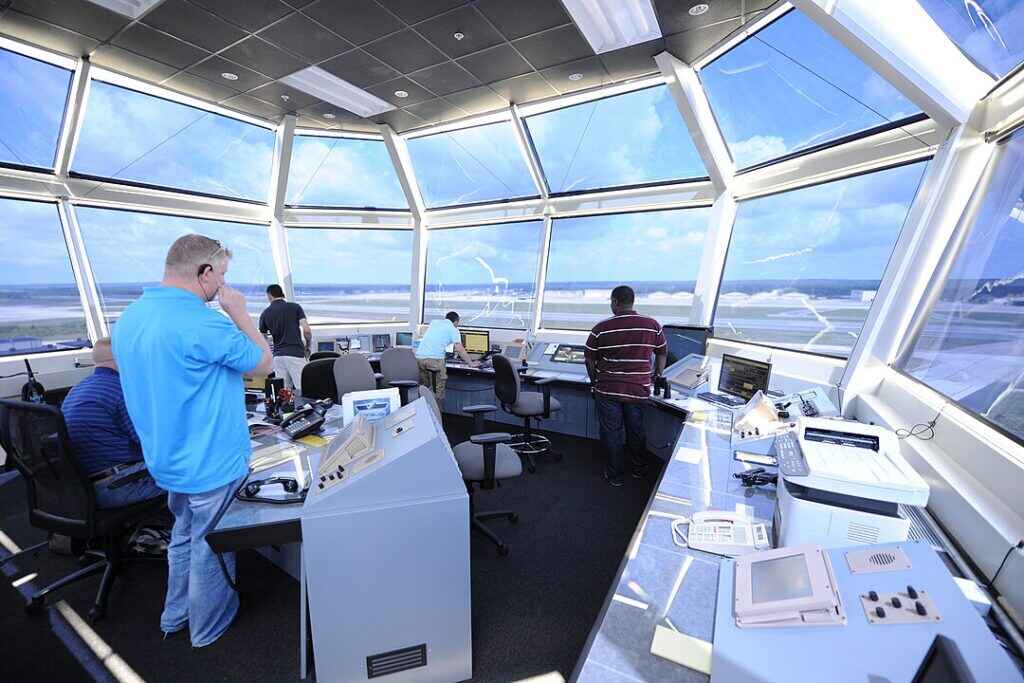
Union leaders say there’s no organized sick-out, and they’ve urged members to report for duty. Still, the math is unforgiving: even modest absenteeism can strain a system that runs near capacity most days. When fewer controllers are on shift, managers reduce the number of planes that can depart, arrive, or transit a sector safely. That translates into:
- Ground stops
- Longer taxi times
- Airborne holding
- Missed connections — especially at hub airports
Ripple effects across U.S. airports
The FAA has warned of staff shortages at least eight major airports, including:
- Dallas
- Houston
- Las Vegas
- Nashville
- Chicago
- Newark
- Boston
On October 26 alone, multiple airports experienced ground stops or heavy delays, with Newark averaging 82-minute delays and San Francisco averaging 44-minute delays.
Air traffic control is designed with layers of redundancy, but those layers thin when staffing drops. Key points:
- En route centers must have enough certified controllers to staff radar positions, supervise trainees, and handle breaks.
- Tower and approach facilities need sufficient staffing to manage busy airspace near airports.
- If one facility falls behind, neighboring centers often absorb extra traffic, increasing pressure systemwide.
Travelers can monitor national advisories and delays issued by the FAA’s command center. The agency posts active constraints, ground stops, and expected program times for major airports throughout the day. For the latest operational notices, check the FAA advisories here: https://www.fly.faa.gov/adv/advAdvisories.jsp.
Human impact and immigration concerns
For many local passengers, the shutdown is an inconvenience. For others—especially noncitizens—missed or canceled flights can affect immigration plans and legal timelines.
- Students on F-1 visas, workers on H-1B status, and families with pending green card interviews often travel for school, work, or biometrics appointments.
- A missed flight may mean a missed deadline, a rescheduled interview, or extra unplanned costs.
Analysis by VisaVerge.com notes that disruptions can create cascading problems—from rebooking flights to shifting important dates—that add stress for people already juggling strict immigration rules.
International travelers passing through Oakland face another layer of worry: if connections misfire, onward flights or return trips could fall outside planned stays. While airlines usually rebook passengers, rebooking may not resolve issues when visa validity or work authorization periods are tight.
Passengers at Oakland expressed support for federal workers keeping the system running without pay. As Sposato said: “Thankfully, I don’t fly for work, but I can definitely see it trickling down and affecting a lot of people.”
Operational strain beyond pay
Industry veterans note that the stress on controllers is not just financial. The job already demands:
- Long shifts
- Heavy workload
- Constant focus to keep aircraft separated
During a shutdown, morale suffers as bills come due with no paychecks in sight. Training pipelines also slow because instructors must prioritize day-to-day operations over mentoring. That makes it harder to repair the shortage even after funding is restored.
Advice for travelers
Airlines and airports, including Oakland, have urged passengers to build in extra time. Practical steps include:
- Arrive earlier than normal, especially for morning flights.
- Keep a close eye on airline apps and text alerts.
- Consider nonstop flights when possible to avoid missed connections.
- If you have time-sensitive appointments (school reporting dates, legal check-ins), book earlier flights or add a buffer day.
- Carry key documents in your hand luggage to rebook quickly if needed.
What happened at Oakland on October 26 — and why recovery can be slow
Oakland International Airport’s experience on October 26 underscores how fragile the system can be under prolonged strain. Even after the ground stop lifted by mid-morning, recovery took hours as crews and aircraft were out of position.
- Some flights departed late because they had to wait for a slot in controlled airspace.
- Others landed late, forcing crews to “time out” under duty rules, which can lead to cancellations later in the day.
Outlook and warnings
Federal officials have not offered a clear date for when the government shutdown will end. What is clear:
- Continued staffing shortages are likely to drive more flight disruptions, not fewer.
- The FAA has cautioned that major hubs from the West Coast to the East Coast may see recurring delays if controller availability remains tight.
- The agency’s warnings about multiple airports suggest that no region is immune.
For travelers in the Bay Area, Sunday’s delays were a reminder to plan for change and prepare for longer lines. For the people managing airspace, the day was another test of how to keep planes moving safely with fewer hands on deck. For families—citizens and immigrants alike—every canceled flight carries a cost measured in missed moments, lost wages, and the anxiety of not knowing if tomorrow’s plans will hold.
This Article in a Nutshell
On October 26, 2025, Oakland International Airport experienced a temporary ground stop after staffing shortages at the Oakland air traffic control center began around 8:27 a.m. PT and lifted by 10:30 a.m., yet delays persisted into the evening. The federal government shutdown left about 13,294 controllers working without pay and roughly 10% reporting absences since early October, contributing to constrained operations and cascading disruptions across major hubs including Newark and San Francisco. Officials warn that continued funding gaps will likely cause recurring delays. Travelers faced missed connections, longer taxi and holding times, and specific risks for visa-dependent passengers; authorities advise monitoring FAA advisories and allowing extra time for travel.