Key Takeaways:
- The Biden administration aims to ban extra airline fees for parents to sit with children under 13.
- Proposed rules include fee-free adjacent seating, refunds, transparent communication, and DOT enforcement against non-compliance.
- Families could save up to $200 per round-trip flight under the new regulations, expected to enforce by 2025.
Will Airlines Stop Charging Parents for Sitting With Their Children?
The Biden administration is making strides to eliminate unnecessary airline fees, particularly focusing on charges that parents face to sit with their children during flights. This initiative is a significant move towards consumer protection and affordability in air travel.
What Does the New Rule Propose?
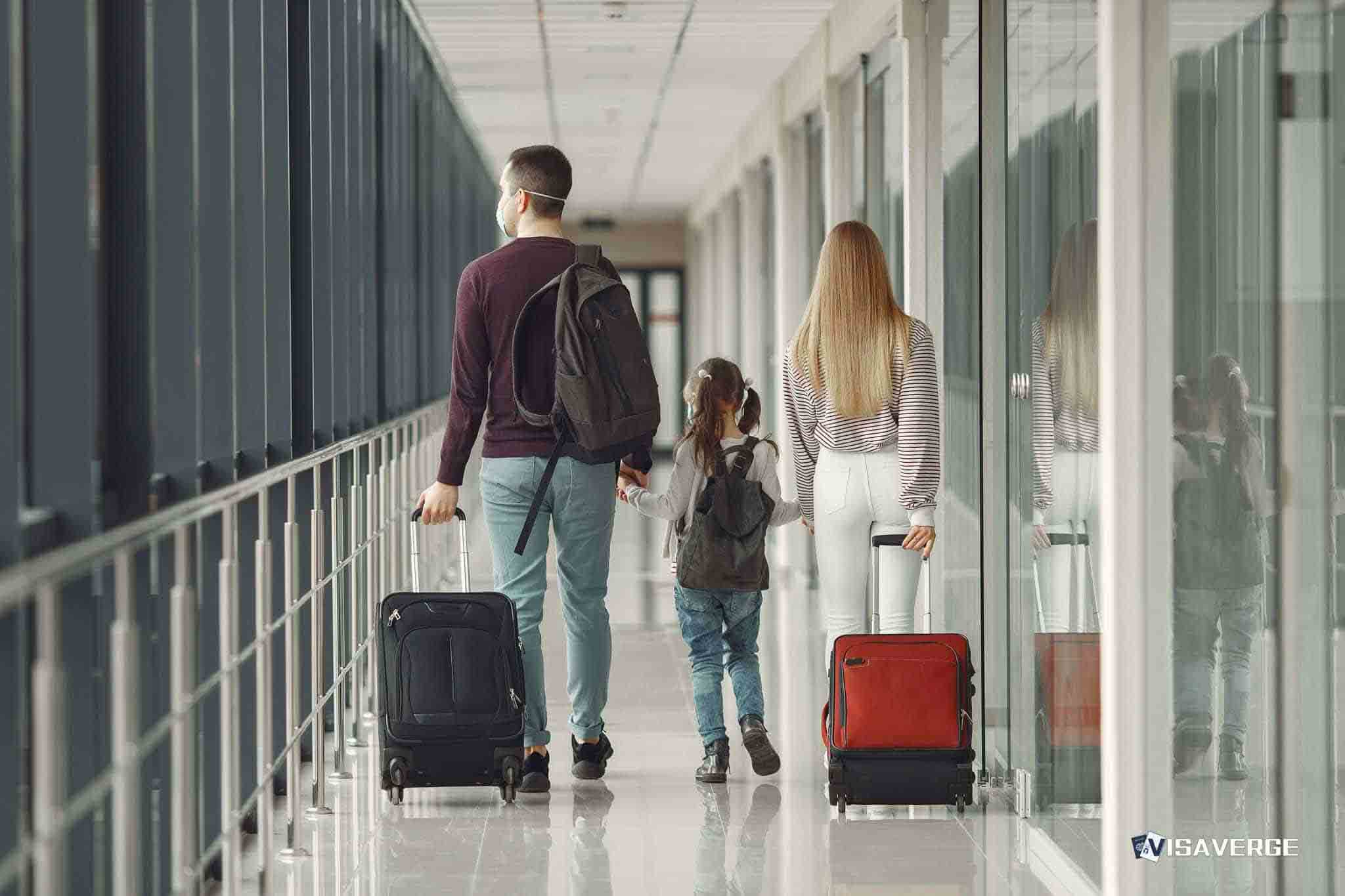
The U.S. Department of Transportation (DOT) has announced a new rule aiming to ban airlines from charging additional fees for parents to sit with their children. The rule targets families with children aged 13 and under, ensuring they can sit next to their parents or accompanying adults without extra costs. According to VisaVerge.com, the goal is to alleviate the financial and logistical burdens on traveling families.
Here are the key components of the proposed rule:
- Fee-Free Adjacent Seating
- 48 Hours Window: Airlines must provide adjacent seats within 48 hours of booking.
- Definition of Adjacent: Seats next to each other in the same row, not separated by an aisle.
- Refund and Rebooking Options
- When Seats are Unavailable: Airlines must offer either a full refund or the option to wait for suitable seating. If adjacent seats don’t open up, families can rebook on the next available flight with no extra charge.
- Seat Availability Across All Classes
- Including Basic Economy: The rule mandates the availability of adjacent family seats in every class of service.
- Disclosure Requirements
- Transparent Communication: Airlines need to clearly inform consumers about their right to fee-free family seating.
- Enforcement and Penalties
- DOT Authority: The DOT will have the power to impose fines on airlines that violate this rule.
How Much Can Families Save?
The Biden administration estimates that this rule could save a family of four up to $200 in seat fees for a round-trip flight, assuming a fee of $25 per seat assignment. This could make a substantial difference for families who travel frequently.
Why is This Change Needed?
Transportation Secretary Pete Buttigieg emphasizes the necessity of this rule to reduce the stress and financial burden on families traveling with young children. He mentions the nature of traveling families, saying, “For many families, sitting together is not optional, especially when children are too young to feed themselves, fasten their seatbelts, or communicate effectively.”
What Are the Historical Context and Legislative Backing?
This proposal follows President Biden’s call for a ban on family seating junk fees in his 2023 State of the Union address. Subsequently, Secretary Buttigieg encouraged the ten largest airlines to voluntarily scrap these fees. As a result, Alaska, American, Frontier, and JetBlue have already adopted policies ensuring fee-free family seating for kids under 13.
The DOT’s ability to propose this rule comes from the Federal Aviation Administration (FAA) Reauthorization Act of 2024, which grants the department specific powers to address seating issues. This legislative support will likely fortify the rule’s legal standing against opposition from airlines.
What is the Timeline for Implementation?
The proposed rule is currently in a 60-day public comment period. During this time, stakeholders, including the general public, can provide feedback. After reviewing these comments, the DOT may adjust the proposal before finalizing it. However, due to the regulatory process timeline, the rule is expected to come into effect in 2025 at the earliest.
What Are the Broader Implications?
This proposed rule is one of several initiatives by the Biden administration to enhance consumer protections in air travel. Other rules include requiring airlines to issue automatic refunds for canceled or significantly delayed flights and clearly disclose fees for baggage and cancellations.
While the airline industry, represented by groups like Airlines for America (A4A), claims that its member carriers already make efforts to accommodate families, the proposed rule would establish a standard, legally enforceable protocol for all airlines. This would ensure uniformity and fair treatment across the board.
How Can Families and Stakeholders Participate?
During the 60-day public comment period, families and other stakeholders can share their views and suggestions on the DOT’s official page for regulatory feedback. This is an opportunity to influence and shape the final version of this significant consumer protection rule.
What Could This Mean for Future Air Travel?
The successful implementation of this rule could lead to a considerable shift in airline seating policies. It could set a precedent not just in the U.S. ?? but potentially influence global practices, making air travel more family-friendly worldwide.
As air travel continues to recover post-COVID-19, such regulations aim to reduce stress and financial strain for millions of passengers, ensuring a more pleasant travel experience for families.
Learn Today:
Glossary of Specialized Immigration Terms
- Consumer Protection:
Policies and regulations designed to safeguard buyers, in this case, air travelers, from unfair or exploitative practices by businesses, ensuring that they receive fair treatment and information. - Fee-Free Adjacent Seating:
A policy proposed by the U.S. Department of Transportation (DOT) that would prevent airlines from charging extra for parents to sit next to their children on flights, ensuring seats are assigned together without additional cost. - Federal Aviation Administration (FAA) Reauthorization Act of 2024:
Legislation that grants specific powers to the Department of Transportation to address issues related to seating and other aspects of passenger rights within the airline industry. - Public Comment Period:
A designated timeframe during which the general public, stakeholders, and interested parties can provide feedback on a proposed rule or regulation before it is finalized, in this case, a 60-day period for the new seating rule. - Transparent Communication:
Mandated requirement for airlines to clearly inform passengers about their rights, including the provision of fee-free family seating, ensuring consumers have accurate and comprehensive information regarding airline policies.
This Article In A Nutshell:
The Biden administration is working to stop airlines from charging parents to sit with their children. New rules proposed by the U.S. Department of Transportation aim to make family seating free, easing the financial burden on traveling families and promoting a more consumer-friendly air travel experience.
— By VisaVerge.com
Disclaimer: The information provided in this article is for informational purposes only. If you reference or use any content from this article, please attribute it to VisaVerge.com by including a link to the original source. We appreciate your adherence to our content usage policies and your commitment to giving proper credit.
Read more
- Top 10 USA Airlines Most Likely to Lose Your Luggage
- US Airlines Sue DOT Over Fee Disclosure Rule: A Fight Over Transparency and Costs
- Southwest Airlines Announces Job Cuts and Closure of Four Airports
- New Airlines Refund Policy for Canceled and Delayed Flights
- Couple’s Flight Nightmare with Farting Dog on Singapore Airlines