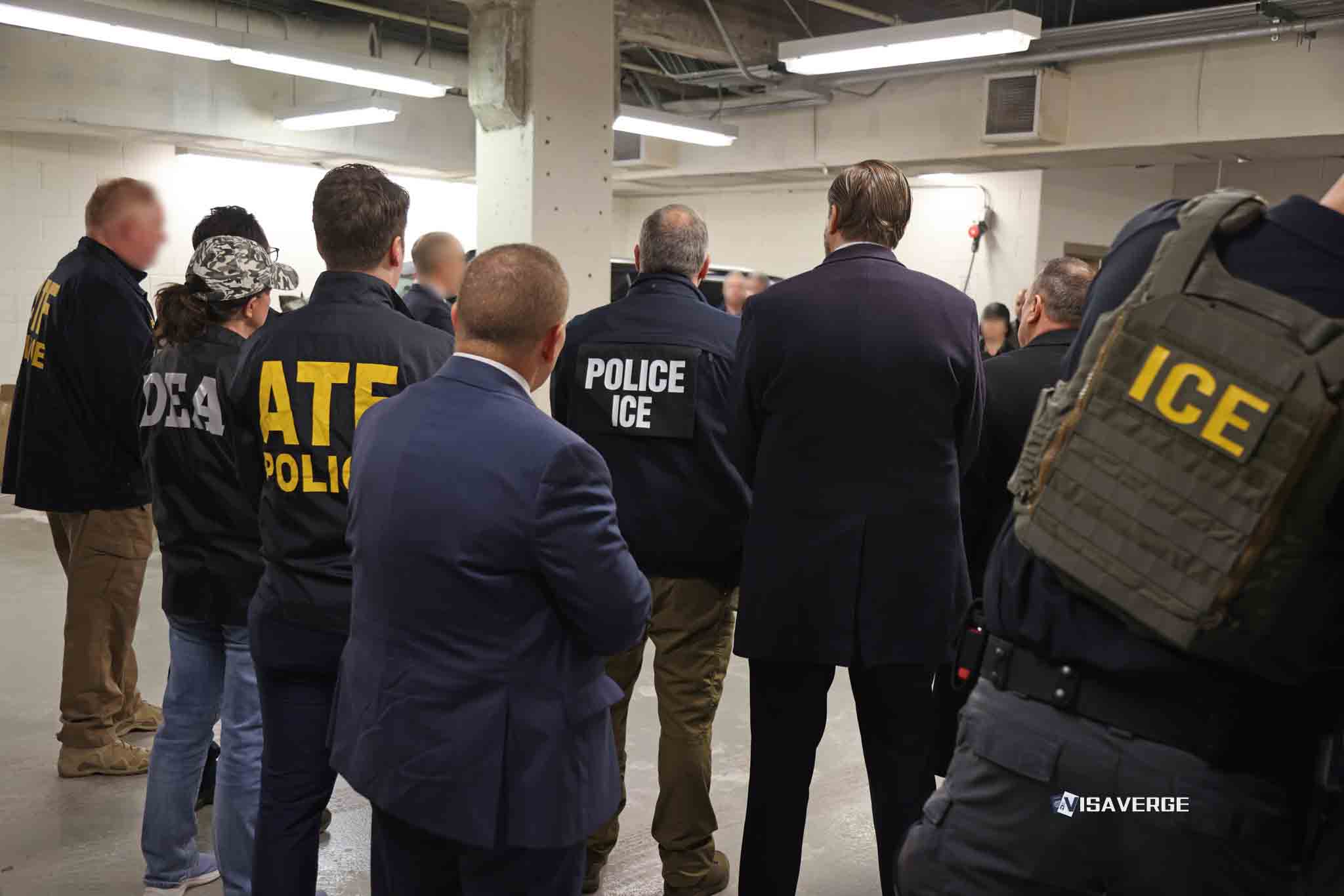
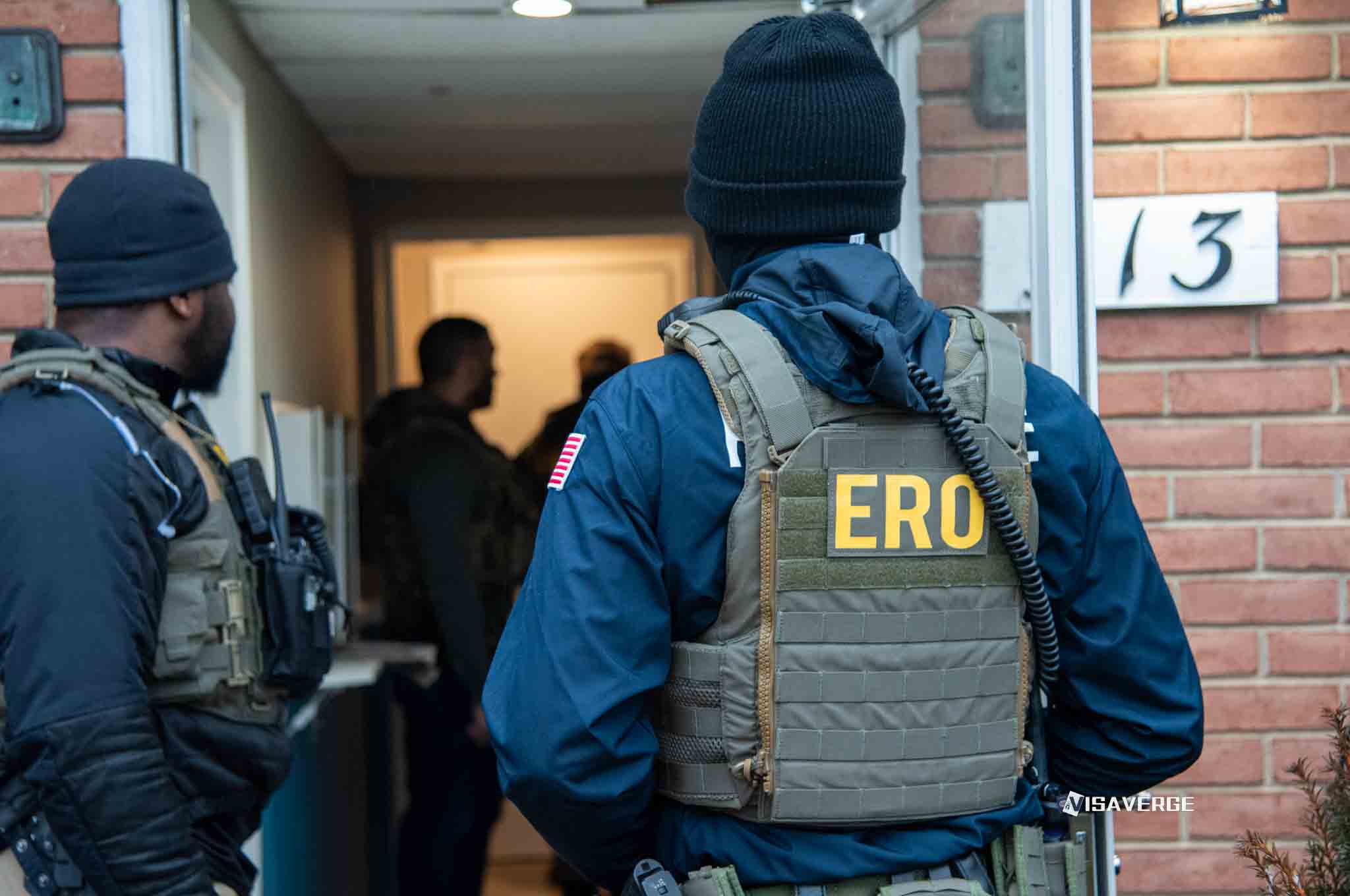
(COLORADO) Mesa County officials are preparing to file a countersuit against Governor Jared Polis and Attorney General Phil Weiser, escalating a legal fight over Colorado’s new immigration law. The move comes after the state sued a Mesa County sheriff’s deputy for allegedly breaking the law by sharing information with federal immigration authorities. This conflict, unfolding in August 2025, highlights growing tensions between state and local leaders over how immigration law should be enforced in Colorado.

The Mesa County Board of Commissioners’ Decision
The Mesa County Board of Commissioners voted on July 30, 2025, to move forward with the countersuit. Their decision directly responds to the state’s lawsuit against Deputy Alexander Zwinck, who was accused of violating Colorado Senate Bill 25-276. This law, signed by Governor Polis in May 2025, restricts local law enforcement from working with federal immigration agencies except in very limited situations. Mesa County leaders argue the law is unfair, saying it targets local law enforcement and puts public safety at risk.
Free toolUSCIS Receipt Number DecoderThe Incident Leading to the Lawsuit
The state’s lawsuit followed a June 5, 2025, traffic stop involving Deputy Zwinck. During the stop, Zwinck shared information about Caroline Dias Goncalves, a Brazilian college student, with a Signal chat group that included Immigration and Customs Enforcement (ICE) agents. Dias Goncalves was then detained by ICE for over two weeks before being released. After the incident, the Mesa County Sheriff’s Office disciplined Zwinck with three weeks of unpaid leave and reassigned him. Another deputy received two weeks of unpaid leave, and several supervisors were also disciplined. The sheriff’s office has since stopped using the Signal chat for these types of communications.
Understanding Colorado’s New Immigration Law
Colorado Senate Bill 25-276 expanded earlier rules by clearly banning local government workers, including police, from sharing personal information about people with federal immigration authorities, except in very specific cases. Breaking this law can lead to civil fines of up to $50,000 per incident. The law is part of a larger trend in states led by Democrats to limit how much local police can help federal immigration agents. These changes often respond to stricter federal immigration policies seen during President Trump’s administration.
Key Voices in the Dispute
Mesa County Sheriff Todd Rowell has publicly apologized for the events that led to Dias Goncalves’s detention. He said the sheriff’s office should not have taken part and stressed the need for better training and clearer rules for deputies. The Mesa County Commissioners claim the new law is unconstitutional, takes away local control, and makes it harder to keep the community safe by limiting cooperation with federal agencies.
Attorney General Phil Weiser, on the other hand, says the law is needed to protect immigrants’ rights and to make sure Colorado follows its own rules. His office points out that the lawsuit against Deputy Zwinck is a civil case, not a criminal one, and aims to make sure the law is followed. Governor Polis has also defended the law, saying it helps protect immigrant communities and supports Colorado’s values.
What This Means for Law Enforcement and Communities
Police departments across Colorado now face more pressure to follow the new immigration law. They must update their policies, retrain officers, and make sure they do not break the law to avoid large fines. Some police leaders worry the law makes it harder to deal with crimes involving non-citizens. The federal government has also criticized Colorado’s actions, saying state laws like this get in the way of federal immigration enforcement.
For immigrants and their families, the law aims to provide more protection from being reported to federal authorities for minor issues. Supporters believe this helps build trust between immigrant communities and local police. However, some community members worry that the ongoing legal fight could lead to confusion and uneven enforcement across the state.
Details of the Countersuit and Legal Process
Mesa County’s countersuit will likely argue that SB 25-276 is unconstitutional. The county is expected to claim that the law goes against federal authority over immigration and takes away local control over police work. The legal battle will play out in state court, with both sides preparing for what could become a high-profile case. The outcome may set new rules for how much states can limit local cooperation with federal immigration agencies.
Legal experts say this case could set important examples for other states. It will test how far states can go in protecting immigrants while balancing public safety. Both immigrant rights groups and law enforcement associations are watching closely. Immigrant advocates support the state’s efforts, while police groups back Mesa County’s challenge.
Background and National Context
Colorado has passed several laws in recent years to limit local involvement in federal immigration enforcement. These efforts began during President Trump’s time in office and led to the passage of SB 25-276 in 2025. The current dispute reflects a larger national debate over “sanctuary” policies and the role of local police in immigration matters. Other states are watching Colorado’s case to see how courts handle these issues.
Looking Ahead: What’s Next?
The legal fight between Mesa County and state leaders is expected to last for months, possibly even years if appeals are filed. The case could influence new laws in other states and might lead to more federal action or lawsuits about state “sanctuary” laws. As reported by VisaVerge.com, the outcome could affect how local police and federal immigration authorities work together, not just in Colorado but across the United States ??.
Practical Steps for Affected Communities
- ? Law enforcement agencies should review and update their policies to make sure they follow SB 25-276. Training for officers is key to avoid costly penalties.
- ? Immigrants and their families can seek help from groups like the Colorado Immigrant Rights Coalition for information and support.
- ? Community members can follow updates on the case through official sources such as the Mesa County Board of Commissioners and the Colorado Attorney General’s Office.
Conclusion and Takeaways
The legal battle between Mesa County and Colorado’s leaders over the new immigration law is more than just a local dispute. It raises big questions about who controls immigration enforcement and how best to protect both public safety and immigrant rights. As the case moves forward, it will shape how police, immigrants, and communities across Colorado—and possibly the country—deal with immigration law. For now, those affected should stay informed, seek legal advice if needed, and watch for updates from official government sources.
This Article in a Nutshell