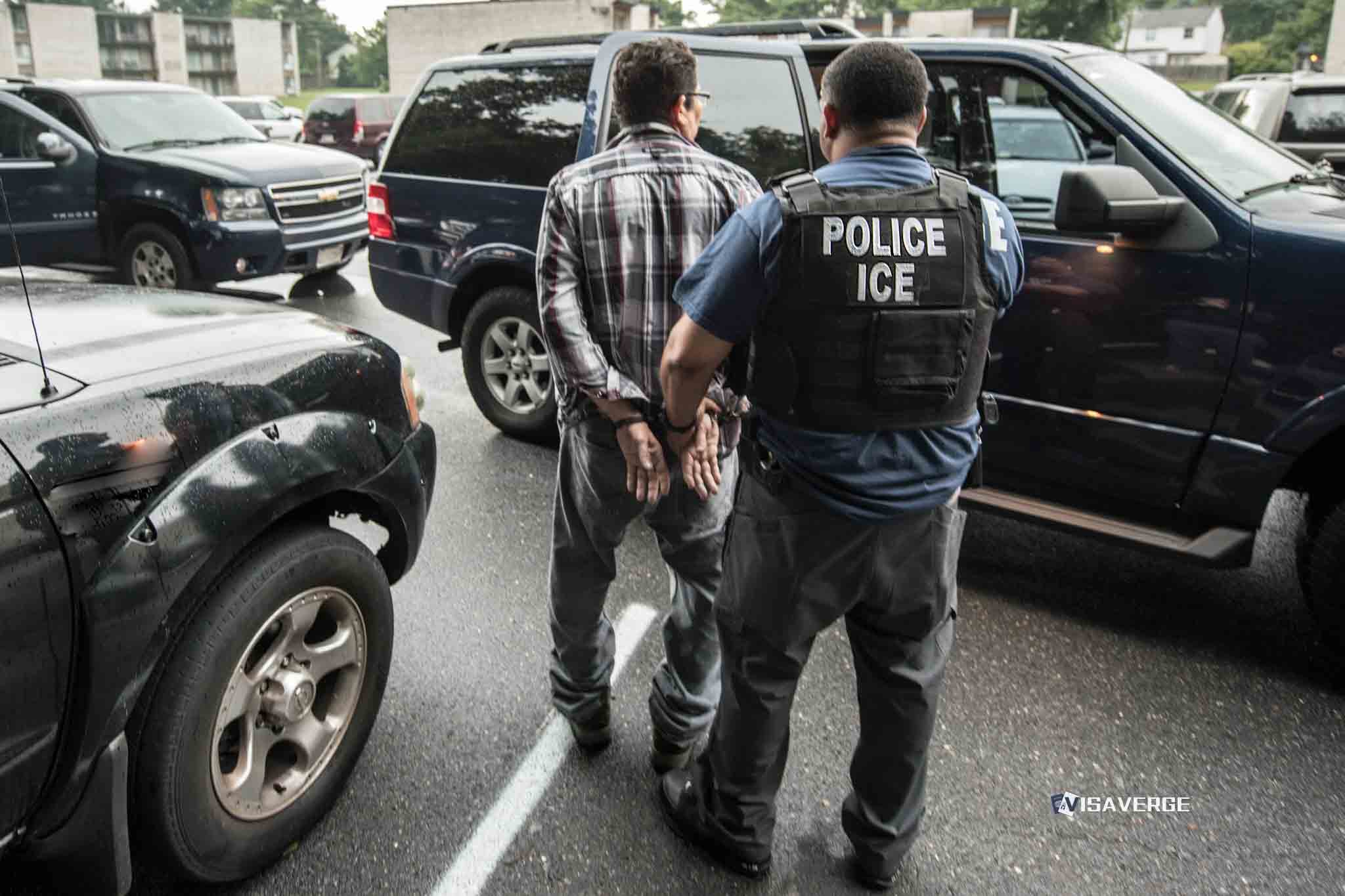
(LOS ANGELES) Los Angeles is facing a sharp economic shock after aggressive federal immigration raids that began in early June cut deeply into the region’s labor force and jolted key industries.
New data show a 3.1% June drop in California’s private-sector workforce—about 465,000 fewer people at work—while losses up to $275 billion and tax hits near $23 billion are projected.

What the numbers say
- During the week of June 8–14, large-scale immigration raids in Los Angeles and statewide coincided with a steep, sudden fall in the labor force. The 3.1% contraction, equal to about 465,000 workers, arrived at a speed likened by economists to the first month of the Great Recession.
- Estimated statewide economic losses hover around $275 billion, with up to $23 billion in annual tax revenue at risk if mass deportations continue.
- Immigrant-heavy sectors are taking the biggest blow: agriculture, construction, hospitality, food service, and retail. Produce is rotting in fields, projects are delayed, and the food supply chain is strained, raising prices for families across the United States ??.
- On the streets of Los Angeles, the Fashion District reports a 30% drop in foot traffic. International visits are projected to fall 9.2% this year, squeezing hotels and tourism businesses.
“These enforcement actions are having a massive impact on productivity and timelines,” said economists Giovanni Peri (UC Davis) and Edward Flores (UC Merced). They warn the effects ripple far beyond Los Angeles, weakening supply chains that depend on steady labor.
Free toolUSCIS Receipt Number Decoder
Policy and legal status
President Trump’s administration has escalated enforcement, targeting not only people with criminal records but also long-term residents and essential workers.
A federal appeals court upheld a lower court’s temporary order blocking indiscriminate stops and arrests in Southern California, yet enforcement continues in other forms. U.S. Attorney Bill Essayli said federal immigration law will continue to be enforced despite state and local opposition.
| India | China | ROW | |
|---|---|---|---|
| EB-1 | Feb 01, 2023 ▲109d | Jul 01, 2023 | Current |
| EB-2 | Nov 01, 2013 | Oct 01, 2021 ▲30d | Jan 01, 2025 |
| EB-3 | Jan 01, 2014 | Jan 08, 2022 ▲7d | May 15, 2024 ▼109d |
| F-1 | Jan 22, 2020 | Jan 22, 2020 | Jan 22, 2020 |
| F-2A | Sep 22, 2026 ▲31d | Sep 22, 2026 ▲31d | Sep 22, 2026 ▲31d |
This posture:
– Keeps pressure on workplaces and neighborhoods.
– Adds uncertainty for employers who depend on a stable labor force to meet deadlines.
Impact on daily life in Los Angeles
Mayor Karen Bass warned families are being left destitute when breadwinners are detained, destabilizing entire neighborhoods and businesses.
- City centers have emptied out in many communities.
- People are skipping school events, delaying doctor visits, and staying away from churches out of fear.
- Governor Gavin Newsom has condemned the raids, criticized the “militarization” of Los Angeles, and warned of likely economic contraction if mass deportations continue.
- He visited affected businesses, promoted “know your rights” resources, and highlighted risks to wildfire recovery and other time-sensitive projects requiring specialized crews.
Sector-by-sector pressure
- Agriculture
- Fields lack workers and produce is spoiling.
- Shortages push prices higher along the supply chain, from processors to grocery stores.
- Construction
- Job sites report delays and cost overruns.
- Public works and disaster rebuilding projects face fresh risk as contractors struggle to staff crews.
- Hospitality and food service
- Restaurants shorten hours or close for days.
- Hotels see weaker bookings; international tourism is forecast to drop 9.2% in 2025.
- Retail
- Neighborhood stores in immigrant hubs report fewer customers and falling revenue.
- The Fashion District’s 30% foot-traffic decline is a warning sign for sales tax receipts.
Business leaders describe the sales hit as “horrific” and warn continued raids could cripple local economies. When workers vanish and families retreat indoors, cash registers go quiet.
Tax base and long-term costs
- Undocumented immigrants contributed $8.5 billion in state and local taxes in 2022.
- Researchers estimate this would climb to $10.3 billion if more people could work lawfully.
- Current enforcement puts up to $23 billion in yearly tax revenue at risk, according to statewide projections.
UCLA Anderson and other forecasters warn of a likely contraction later in 2025 if deportations continue. Economists compare the speed and severity of the labor-force decline to the early shocks of the Great Recession and the first months of the pandemic.
What employers and families can do now
- Employers
- Prepare contingency staffing plans.
- Consider reduced hours and communicate transparently with customers about delays.
- Document project impacts for potential discussions with lenders or local authorities.
- Families
- Seek trusted legal help and “know your rights” workshops offered by groups like the Coalition for Humane Immigrant Rights (CHIRLA) and the ACLU of Southern California.
- Keep proof of U.S.-born children’s needs and household bills organized in case a breadwinner is detained.
- Community
- Local officials are scaling up emergency assistance and outreach.
- Residents can check the Governor’s Office site for updates and resources: Governor’s Office.
VisaVerge.com provides plain-language explainers; confirm details through official agencies and local legal aid clinics nearby first.
Human-scale examples
Consider a South L.A. catering company that serves hotels and conventions. Last month:
– It lost half its staff in a week as workers stayed home.
– The owner cut hours and declined new contracts.
– Two families tied to the shop turned to relatives for rent help.
Multiply that story across dozens of blocks, and you see quieter streets and dimmer storefronts. Teachers and clinic workers report missed appointments and canceled parent meetings. Fear does not just shrink the labor force; it erodes daily routines that keep neighborhoods steady and children focused.
What to watch next
- Court rulings: Legal challenges continue and could change the scope of enforcement in coming months.
- Workforce data: Monitor whether June’s 3.1% drop deepens or if employers find stopgaps.
- Prices and supply chains: Food prices may rise as agricultural shortages spread through distributors and retail.
- Public projects: Delays to infrastructure and wildfire recovery could widen if skilled crews remain short.
Bottom line: Los Angeles businesses and families are carrying the heaviest load from the immigration raids. The data—3.1% fewer private-sector workers, $275 billion at stake, and a 30% plunge in Fashion District foot traffic—show how fast the shock hit. City and state leaders urge calm, legal support, and community care. Employers and residents who plan ahead, stay informed through official channels, and lean on trusted local networks will be better positioned to weather the months ahead.
This Article in a Nutshell
Aggressive federal immigration raids in early June triggered a 3.1% drop in California’s private workforce, straining agriculture, construction, hospitality, and retail. Produce spoils, projects delay, and small businesses close. Local leaders urge legal aid, contingency planning, and community support to mitigate economic losses and protect families and recovery efforts.