(INDIANA, UNITED STATES) Indiana’s push for tougher immigration laws in 2025 has exposed a rare public split among Republicans, as House Bill 1531 moves through the Statehouse with sharp debate over how far the state should go in targeting people who are in the country illegally and the employers who hire them.
The bill, already passed by the Indiana House, would ban so‑called sanctuary cities, give legal protections to local agencies that honor federal immigration detainers, and push more businesses to use E‑Verify to check if new hires can work in the United States 🇺🇸. Supporters say House Bill 1531 mirrors hardline Trump‑era policies and is needed because, in their view, President Biden has failed to control the southern border. Opponents inside and outside the party argue the measure invites racial profiling, hurts local police work, and could scare immigrant families away from reporting crimes or working with schools and hospitals.
What House Bill 1531 would do
House Bill 1531 is the centerpiece of a wider crackdown package that Indiana Republicans advanced this year. The measure backs what lawmakers call “interior enforcement” by requiring state and local agencies to help federal immigration authorities instead of stepping back from cooperation.
Key provisions include:
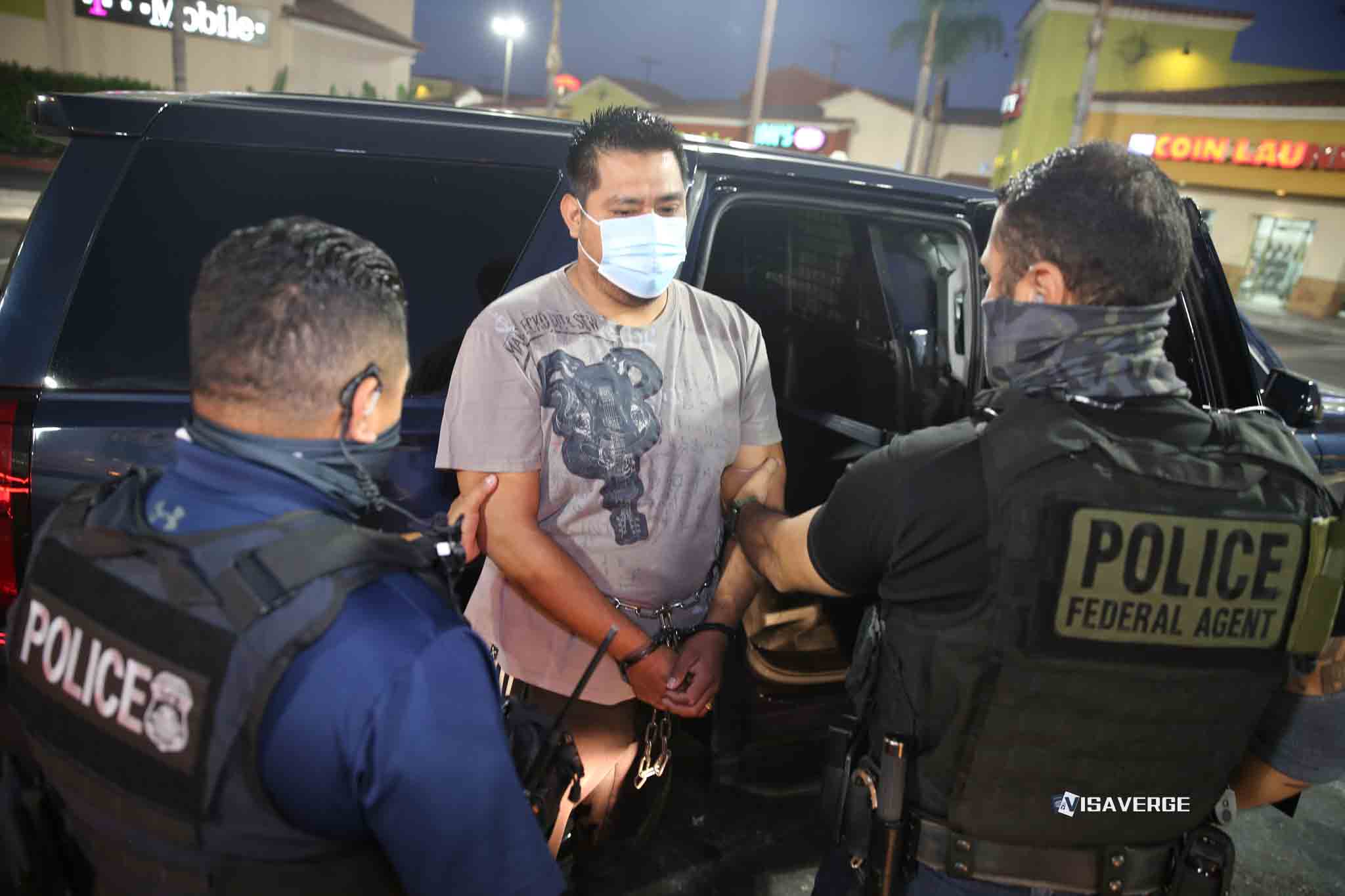
- Banning city or campus policies that limit contact with U.S. Immigration and Customs Enforcement (ICE).
- Giving the state Attorney General the power to sue public bodies that act as sanctuary cities.
- Offering immunity from lawsuits to government agencies and employees who hold people for ICE based on detainer requests.
- Pushing for wider use of E‑Verify among employers to screen work authorization.
Critics warn the immunity provision could keep people detained even when they would otherwise be released. Sponsors of immigrants paroled into the country would face new reporting rules, with state officials able to require updated contact and support information.
The fight over E‑Verify and thresholds
Perhaps the fiercest fight centers on E‑Verify, the federal database for checking worker authorization. Democrats added an amendment requiring E‑Verify only for businesses with at least ten employees. Conservative activists are urging Senate Republicans to remove that threshold.
Senate Republicans frame House Bill 1531 as a direct response to what they call federal failure at the border, tying undocumented migration to local crime and drug problems. They point to tools like the federal E‑Verify program (E‑Verify) as a way to keep unauthorized workers out of the labor market and say banning sanctuary cities will stop local policies that they believe attract people who are in the country illegally.
According to analysis by VisaVerge.com, Indiana is part of a wider trend of Republican‑led states seeking to make local officers and jail officials more active partners with federal immigration agencies.
Companion bills and recent legislative actions
Alongside House Bill 1531, lawmakers passed other measures that strengthen state involvement in immigration enforcement:
- House Bill 1393 (Rep. Garrett Bascom, R‑Lawrenceburg)
- Requires jails and detention centers to notify county sheriffs when they have probable cause to believe a person booked is in the country unlawfully.
- Sheriffs must then report that information to ICE.
- The Senate softened original language to shift responsibility away from officers on the street and toward county jails and sheriffs’ offices.
- Became Public Law 121 on April 30, 2025.
- Opponents warn it could still lead to racial profiling during arrests and booking.
- House Bill 1399
- Creates a new Class A misdemeanor for unlawful presence in Indiana by a noncitizen.
- Civil rights groups say pairing this new crime with the reporting rules in HB 1393 and HB 1531 could pressure local police to act as federal agents and increase the risk of stops based on appearance or language.
Political split within the Republican Party
The most striking feature of this year’s immigration fight is how openly Republicans have split over tactics and priorities.
- Some lawmakers, like Rep. Bascom, push for closer cooperation with ICE and tighter rules on local jails.
- Others warn aggressive enforcement against workers could damage sectors that depend on immigrant labor — especially agriculture.
- U.S. Rep. Marlin Stutzman, who has strong ties to Indiana farming, has backed bipartisan efforts in Washington to grant legal status to undocumented farmworkers.
- Stutzman argues mass deportation in that sector would leave crops to rot and businesses to close.
- Senate Republicans at the Statehouse have stalled some employer‑focused crackdowns, showing limits on workplace enforcement even as they emphasize border security.
Impact on immigrant families and local communities
For immigrant families and mixed‑status households in Indiana, the mix of new crimes, reporting duties, and bans on sanctuary cities creates fresh uncertainty about daily life.
- People may hesitate before:
- Driving to work,
- Calling police in an emergency,
- Entering a courthouse or jail building.
- Advocates say residents may avoid schools, hospitals, and other services for fear that minor interactions could result in information being sent to ICE.
- Local officials also worry broad E‑Verify use without clear worker protections could push jobs into the underground economy, where:
- Wage theft is harder to challenge,
- Unsafe working conditions are more likely.
Important: These changes could have unintended public‑safety consequences if residents avoid reporting crimes or cooperating with authorities out of fear.
Legal questions and federal preemption
Legal challenges are likely if House Bill 1531 becomes law. Courts in other states have struck down or limited some attempts to criminalize immigration status or force local officers to carry out federal duties.
- Under long‑standing Supreme Court doctrine, the federal government has primary authority over immigration and who may stay in the country.
- States, however, can pass laws affecting employment, licensing, and public safety.
- Indiana officials say their bills respect that line by focusing on cooperation with federal agencies and employment checks, rather than creating a separate state immigration system.
What’s next
As the Senate weighs changes to House Bill 1531, including the ten‑employee E‑Verify threshold, a broad set of stakeholders are pushing for last‑minute adjustments:
- Business groups, worried about labor impacts.
- Sheriffs, concerned about operational burdens and community trust.
- Immigrant advocates, focused on civil‑rights and public‑safety consequences.
Debates remain intense, and the final Senate version — along with any potential legal challenges — will determine how far Indiana goes in tying local life to federal immigration enforcement.
House Bill 1531 seeks to ban sanctuary cities, expand interior enforcement cooperation with ICE, grant immunity for honoring detainers, and broaden E‑Verify use. Democrats added a ten‑employee threshold for E‑Verify, sparking intra‑party debate. Companion bills create reporting duties for jails and a misdemeanor for unlawful presence. Supporters cite border failures; critics warn of racial profiling, public‑safety risks, and labor disruptions. The Senate may amend the bill and legal challenges are likely.