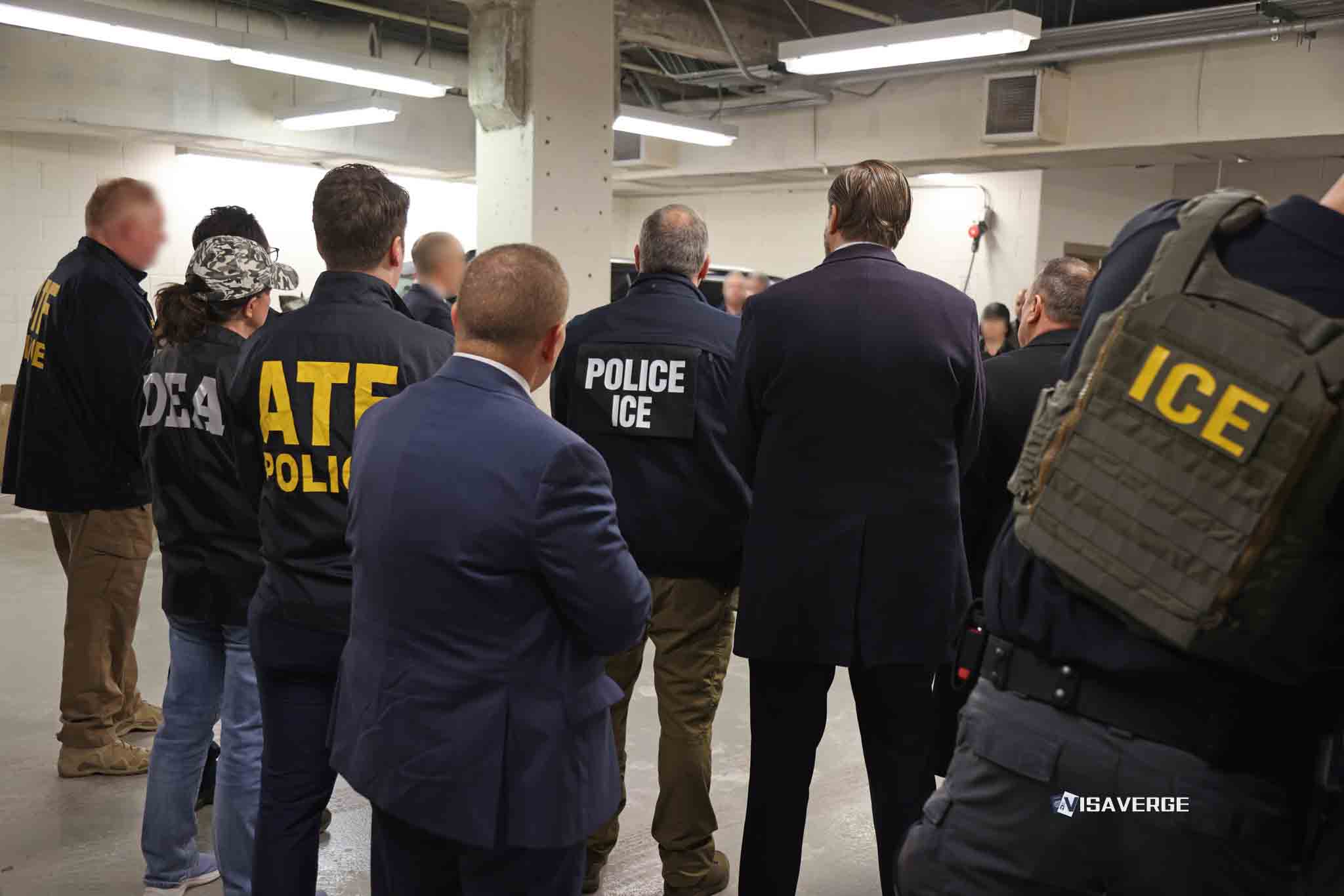
(BOSTON) Immigration and Customs Enforcement threatened to “flood” the city with agents after Mayor Michelle Wu refused to abandon Boston’s sanctuary policies, setting up a direct clash with the U.S. Department of Justice and raising fears of stepped-up arrests. The move follows a federal ultimatum that demanded the city roll back protections by August 19, a deadline that came and went without a compliance plan from City Hall.
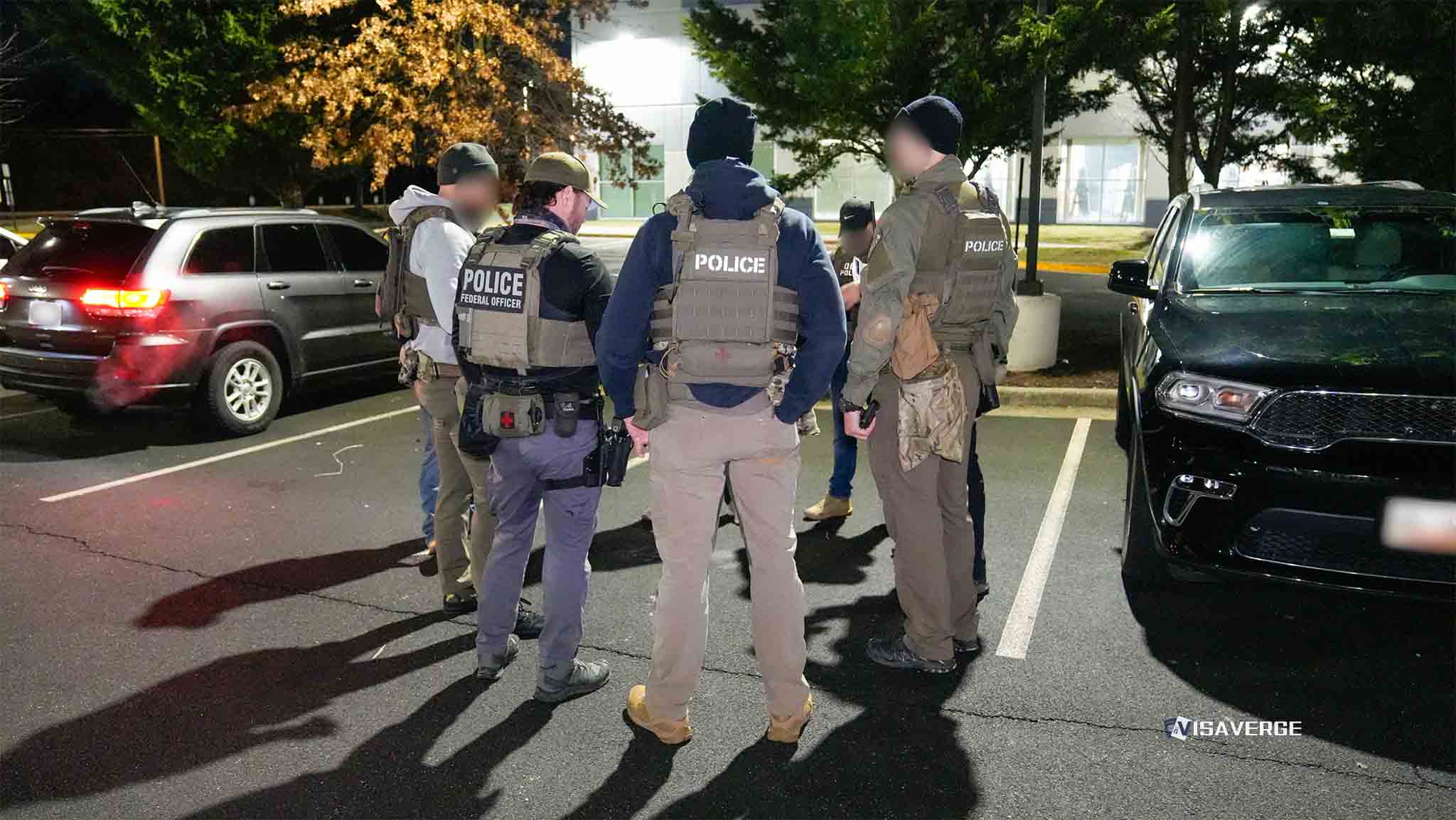
Acting ICE Enforcement and Removal Operations (ERO) Boston Field Office Director Patricia Hyde said on August 21 that ICE would intensify operations in and around the city in response to the mayor’s stance. “While Mayor Wu is up, having a press conference and talking about not working with ICE, the men and women of ICE are out working, making her community safer,” Hyde said. The agency also pointed to a month-long operation earlier this year that led to the arrest of nearly 1,500 people with criminal records.

Mayor Michelle Wu rejected the pressure campaign, saying Boston’s approach is both lawful and necessary for community trust. “Stop attacking our cities to hide your administration’s failures. Unlike the Trump administration, Boston follows the law, and Boston will not back down from who we are and what we stand for,” she said at an August 19 press conference outside City Hall. She also reiterated that Boston remains a sanctuary city under its Trust Act, which limits local police cooperation with ICE on civil immigration matters.
Free toolUSCIS Receipt Number DecoderFederal ultimatum and city response
On August 13, 2025, the Justice Department, led by Attorney General Pam Bondi, sent formal letters to 32 mayors and governors — including Mayor Wu — demanding a written pledge to comply with federal immigration law and to dismantle any sanctuary policies by August 19, 2025. The letters warned that noncompliance could trigger criminal charges against officials, lawsuits, and the loss of federal funding.
Mayor Wu did not provide the requested plan. Instead, she held a public event and submitted a letter restating Boston’s legal position and defending the city’s policy.
As of August 21, the DOJ had not announced specific punitive steps targeting Boston, but the threat of lawsuits and funding cuts remains. According to analysis by VisaVerge.com, large cities in similar standoffs often brace for long legal fights that can stretch across budget cycles, creating uncertainty for city programs while courts weigh federal authority against local policies.
The White House also escalated rhetoric. Spokesperson Abigail Jackson accused Wu of offering “safe harbor to illegal rapists and killers” and called her refusal “shameful.” City leaders pushed back, arguing that Boston’s approach promotes safety by encouraging immigrants to report crimes and serve as witnesses without fear that local police will hand them to ICE.
Enforcement plans and community impact
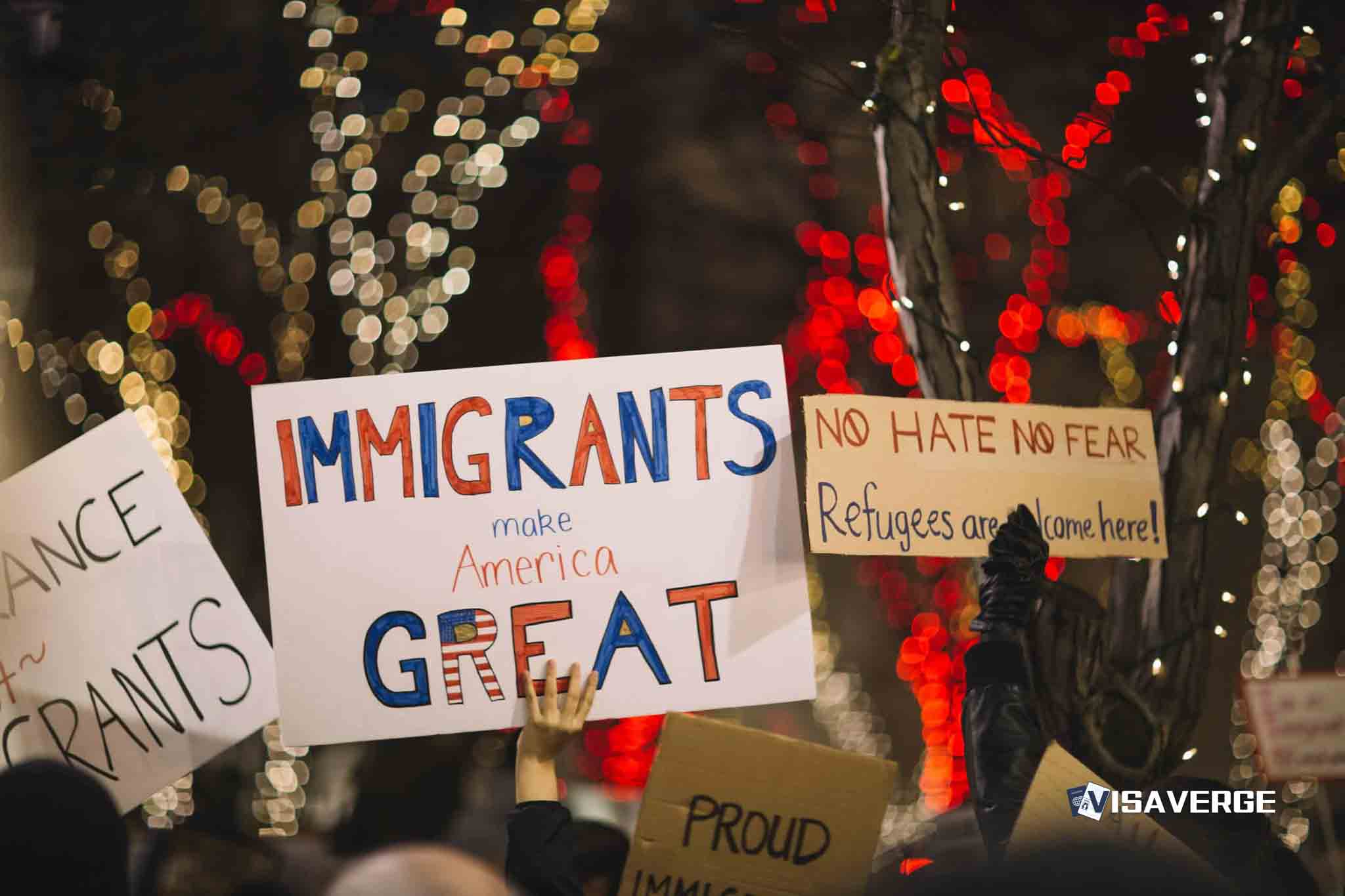
ICE’s promise to “flood” Boston with agents has put immigrant families on edge, especially mixed-status households who may avoid public spaces, clinics, or schools when they sense heightened enforcement.
Boston officials emphasize that the Trust Act does not stop federal agents from making arrests. Rather, it limits city participation in civil immigration actions — for example, by preventing police from holding someone solely on an ICE detainer, which is an administrative request, not a judge’s warrant.
Key practical points:
– Local police focus on criminal law, while ICE handles civil immigration.
– Cooperation occurs when serious crimes are involved, consistent with long-standing policy.
– City agencies do not ask residents about immigration status for everyday services.
Federal officials argue sanctuary policies “shield” people who pose risks. ICE points to arrests of individuals charged with serious offenses in Massachusetts as proof that local limits make its work harder. City leaders counter that trust-based policing helps detectives solve cases and keeps families engaged with schools, hospitals, and the courts.
Funding, legal pressure, and city responses
The DOJ’s letters raised the possibility of stripping federal grants if cities do not comply. As of August 21, no federal funds had been cut for Boston, but the threat complicates planning for programs that rely on federal dollars — including public safety, transportation, and housing.
Advocates warn that turning city police into immigration partners could push victims and witnesses underground, making neighborhoods less safe.
Boston is pushing back in multiple ways:
– Filed a Freedom of Information Act request seeking details about recent ICE activity.
– Said it may pursue court action if records are withheld.
– City lawyers argue the federal demands are vague and overreach.
Boston immigration attorney Desmond FitzGerald called the DOJ letters “vague” and “unenforceable,” while acknowledging the government may still try to penalize the city.
Important: The Trust Act restricts city cooperation in civil immigration matters but does not block federal enforcement. The distinction affects how arrests and community interactions will play out on the ground.
Legal context and what’s next
Boston’s Trust Act has been in place for years, setting local rules for how city officers interact with federal immigration enforcement. The policy draws a line around city resources and custody decisions in civil cases, but it does not prevent ICE operations.
Under President Trump, several attempts were made to punish sanctuary cities, but many efforts stalled or were limited by courts. The current push revives that fight, now backed by sharper warnings about prosecutions and funding.
The DOJ is expected to outline next steps in the coming weeks if Boston stays the course. Potential federal actions include:
1. Filing lawsuits against the city.
2. Seeking to condition or claw back grants.
3. Publicly naming noncompliant jurisdictions to build political pressure.
Meanwhile, ICE has signaled it will continue ramping up enforcement regardless of city cooperation. That could mean more:
– At-large arrests in neighborhoods.
– Workplace operations led by federal teams.
Families are already adjusting day-to-day routines in response:
– Parents changing school drop-off plans.
– Workers skipping shifts.
– Witnesses hesitating to speak to police.
City officials and community groups say they are expanding legal clinics and know-your-rights outreach to help residents navigate the heightened enforcement environment.
For residents trying to reach federal authorities or confirm if a loved one is in custody, ICE lists office contact details and detention information on its ERO page: https://www.ice.gov/contact/ero. City services remain available to all residents, regardless of status, and Boston police say they do not ask about immigration status in routine interactions.
Broader implications
The political fight is likely to intensify. Supporters of tougher federal action argue sanctuary policies violate federal law and undercut national security. Advocates counter that the Constitution allows local governments control over their own resources and that forcing city police to carry out civil immigration work would strain budgets and erode trust.
Public safety leaders in many cities have warned that merging local policing with civil immigration enforcement can silence victims — particularly in domestic violence and labor abuse cases.
What happens next in Boston will ripple beyond Massachusetts:
– If the DOJ sues, courts will again weigh the scope of federal power to compel local cooperation.
– If grants are suspended, immediate legal challenges and emergency budget talks at City Hall are likely.
– If ICE continues large operations, the real test will be whether families still feel safe reporting crimes and whether federal agents can carry out their work without local assistance.
For now, Boston remains a sanctuary city. The mayor is not backing down. ICE is preparing to add agents. And a community of immigrants — neighbors, workers, and small business owners — waits to see if politics in Washington will reach their doorstep.
This Article in a Nutshell
Boston refused a DOJ ultimatum to dismantle its Trust Act, prompting ICE threats to increase arrests. Mayor Michelle Wu defended sanctuary policies August 19, 2025, citing legal protections and community trust while federal warnings about lawsuits and funding cuts escalate tensions between city and federal authorities.