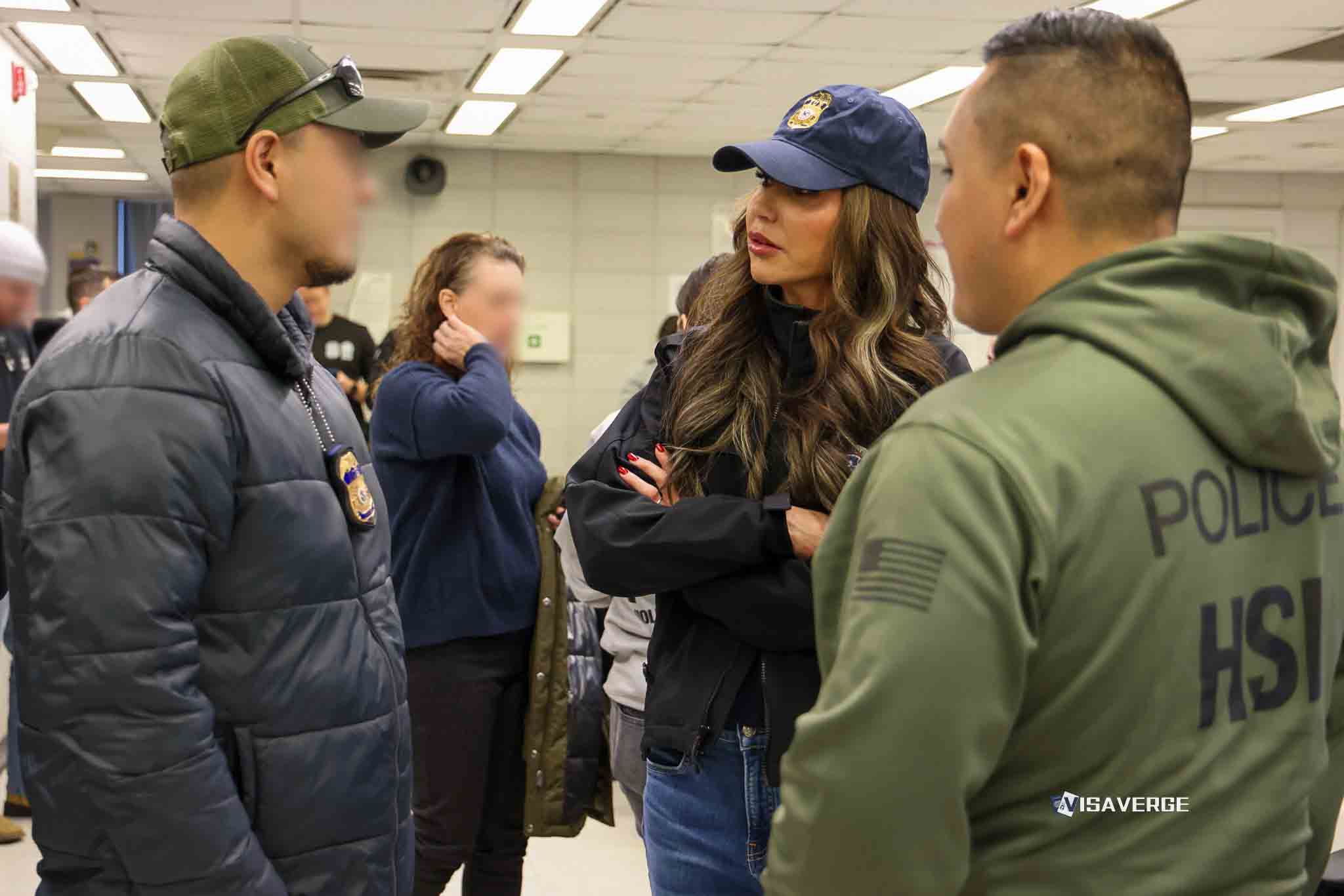
U.S. Immigration and Customs Enforcement (ICE) has begun attending and conducting in-person interviews with parents and sponsors who want to reunite with children who entered the country alone, a sharp change that took effect across federal facilities in 2025. As of early September 2025, families in the reunification process report ICE presence at verification appointments and, in some cases, interviews with children in shelters.
The Office of Refugee Resettlement (ORR), which oversees unaccompanied minors, now requires sponsors—including parents—to appear in person for identity checks, a rule that took effect on July 9, 2025. Federal notices sent to shelter operators say the interviews are part of an effort to “identify and root out potential criminal activity,” while legal advocates warn the policy deters families from coming forward and keeps children in custody longer.

What the new procedures require
Under the new approach, parents and sponsors must present themselves at designated locations for identity verification, where ICE and other law enforcement may be present.
Free toolI-94 Expiration Calculator Online- ORR says it provides advance notice that federal officers could attend and states that parents can decline to speak with ICE and that refusal is not supposed to affect release decisions.
- Advocates report sponsors sometimes were not clearly told about ICE’s role or learned of their right to decline only after objecting.
- There are reports of arrests during sponsor interviews, which can leave children in shelters with no clear path to reunification.
These changes build on earlier steps taken in February 2025, when ICE officers beyond those trained in child welfare were granted expanded access to ORR’s database of unaccompanied children. By August 8, 2025, federal law enforcement had also begun in-person interviews with some children in government custody, according to notices shared with shelter operators.
ORR argues the layered screening helps ensure young people are released to safe and stable homes. The U.S. Department of Homeland Security (DHS) points to the need for stronger vetting and monitoring of sponsor households but has not confirmed reports of arrests tied to these interviews.
How the reunification process has changed for parents
Parents who want to reunite with children now face a more complex process. Key steps and requirements include:
- Initiate the sponsor application electronically or by mail (case managers help with paperwork).
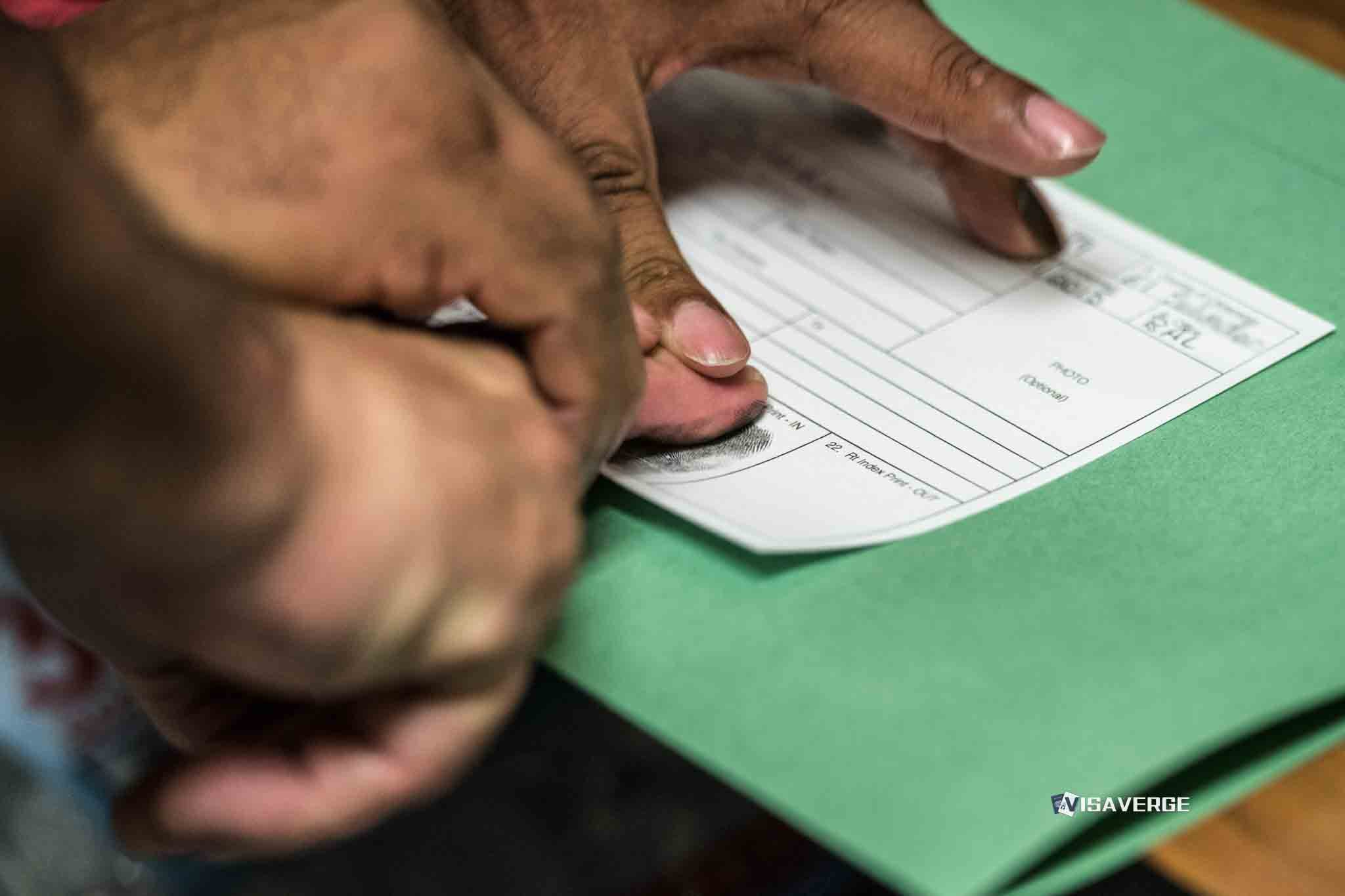
- Have all adult sponsors and household members fingerprinted.
- Attend an in-person identity verification appointment; ICE may be present and may ask about identity, family ties, or home conditions.
- Undergo ORR’s release review, which includes background checks, home studies (where needed), and participation in Legal Orientation Programs.
- Receive possible post-release services (where available), such as help with schooling, medical care, or legal appointments.
ORR says release decisions continue to be made based on child safety standards. Non-profit groups say post-release services remain limited and stretched.
Reactions and concerns from stakeholders
- ORR defends the rules as a child safety measure to better vet sponsors and prevent exploitation or trafficking.
- Legal advocacy groups (including the National Center for Youth Law and the Young Center for Immigrant Children’s Rights) say the rules blur the line between child welfare and immigration enforcement. They argue ICE presence at sponsor appointments creates a built-in chance for arrests and undermines ORR’s child welfare mission.
- Community advocates report increased fear among parents—including lawful sponsors—who worry their information could be used for enforcement rather than reunification (reported by VisaVerge.com).
- School districts have reacted: in April 2025, the Los Angeles Unified School District refused campus access to DHS officers seeking to contact children, insisting on court orders or warrants and raising concern about confusing welfare checks with immigration enforcement.
The debate echoes past policy swings. During the Trump administration, a Memorandum of Agreement allowed broader sharing of ORR data with ICE, which fueled fear that sponsoring a child could expose families to removal. The Biden administration (2021–2023) scaled back some enforcement measures and emphasized reunification, including the December 2023 settlement in Ms. L v. ICE. In 2025, federal agencies revived and expanded enforcement-oriented vetting, reopening anxieties in immigrant communities across the United States.
“The tension among three goals—speed, safety, and placement quality—means enforcement-heavy approaches can slow releases and push sponsors away, potentially harming children by prolonging stays in institutional care.”
Reported effects on families and children
Advocates say the practical effect is immediate:
- Some parents decide not to appear or delay appointments, leaving children in shelters longer.
- Caseworkers report sponsors with strong ties (parents, grandparents, relatives) have second thoughts after learning ICE may be in the room.
- It remains unclear whether children or sponsors are guaranteed lawyers during these interviews.
- Groups working with unaccompanied minors are pushing for clearer standards, more transparency, and guaranteed access to counsel when law enforcement may be present.
Attorneys emphasize that any child interview should be trauma-informed, voluntary, and supported by a guardian or legal representative, warning that immigration enforcement risks retraumatizing young people who already endured dangerous journeys.
Guidance: What parents should expect at interviews
Families preparing to reunite should expect direct, in-person steps and possible law enforcement presence. A common timeline includes:
- Sponsor application started electronically or by mail with case manager assistance.
- Fingerprinting for all adult sponsors and household members.
- An in-person identity verification appointment; ICE or other officers may attend and ask questions.
- ORR’s release review (background checks, home studies where needed, Legal Orientation Programs).
- Possible post-release services to support schooling, medical care, and legal appointments.
Practical recommendations for parents and sponsors:
- Ask the case manager whether ICE will be present and request that information in writing.
- Bring original identity documents and copies.
- Prepare proof of address (lease, utility bill) and any school enrollment plans.
- Consider having a lawyer or accredited representative present or on call.
- If you decline an ICE interview, say so clearly and ask the case manager to note it in the file.
- Keep emergency contacts ready in case an appointment is delayed or an arrest occurs.
- Request confirmation whether the location is a child welfare site or a law enforcement setting and whether the interview is voluntary.
Legal groups advise sponsors to document refusals and to confirm in writing whether refusal will affect release—ORR policy states refusal should not by itself stop reunification, though advocates warn practice may vary.
Calls for safeguards and next steps
Advocacy groups and some local officials are pressing for guardrails, including:
- Clear, advance notice to families about law enforcement presence.
- Strict limits on how sponsor data can be used.
- A bright line separating child welfare checks from immigration enforcement.
- Guaranteed access to counsel in any setting where law enforcement may be present.
- Trauma-informed interview protocols and limits on interviews of children by law enforcement.
Lawsuits and policy challenges are underway. Courts may further shape how agencies implement these procedures. Meanwhile, children in shelters may wait while parents weigh the risks of attending interviews where ICE officers could be nearby.
Practical checklist for families
- Ask the case manager to confirm in writing whether ICE will attend and what the agenda is.
- Bring original ID documents and copies; keep a list of all household members.
- Prepare proof of address (lease, utility bill) and any school enrollment plans.
- Consider asking a lawyer or accredited representative to attend or be available.
- If you decline an ICE interview, say so clearly and request that the refusal be recorded.
- Keep emergency contacts ready in case the appointment runs long or plans change.
Resources and contacts
For up-to-date rules and guidance on the reunification process, review the ORR policy guide on the Administration for Children and Families ORR Policy Guide: https://www.acf.hhs.gov/orr/policy-guidance/unaccompanied-children-program-policy-guide.
ORR’s National Call Center can be reached at (800) 203-7001 for information about children in custody and sponsor procedures.
Non-profit organizations that offer legal help and safety planning include:
- Kids in Need of Defense (KIND)
- The Young Center for Immigrant Children’s Rights
- The Women’s Refugee Commission
For parents and service providers, the central challenge remains: ensuring timely reunification while protecting children from harm. Whether in-person identity checks with possible ICE presence will produce safer placements or drive families away from the process will shape outcomes in the months ahead.
This Article in a Nutshell
In 2025 the Office of Refugee Resettlement implemented mandatory in-person identity verifications for sponsors seeking reunification with unaccompanied minors, effective July 9. The change requires fingerprinting of adult household members, electronic or mailed sponsor applications, and attendance at designated verification appointments where ICE and other federal officers may be present. Agencies say the measures aim to enhance child safety by detecting criminal activity and ensuring stable placements. Legal advocates counter that ICE presence blurs welfare and enforcement roles, deters sponsors, and has coincided with reports of arrests during interviews. These developments have complicated reunification timelines, prompted local pushback and legal challenges, and led advocates to demand clearer notices, strict data-use limits, trauma-informed interviews, and guaranteed access to counsel during any law-enforcement interactions.