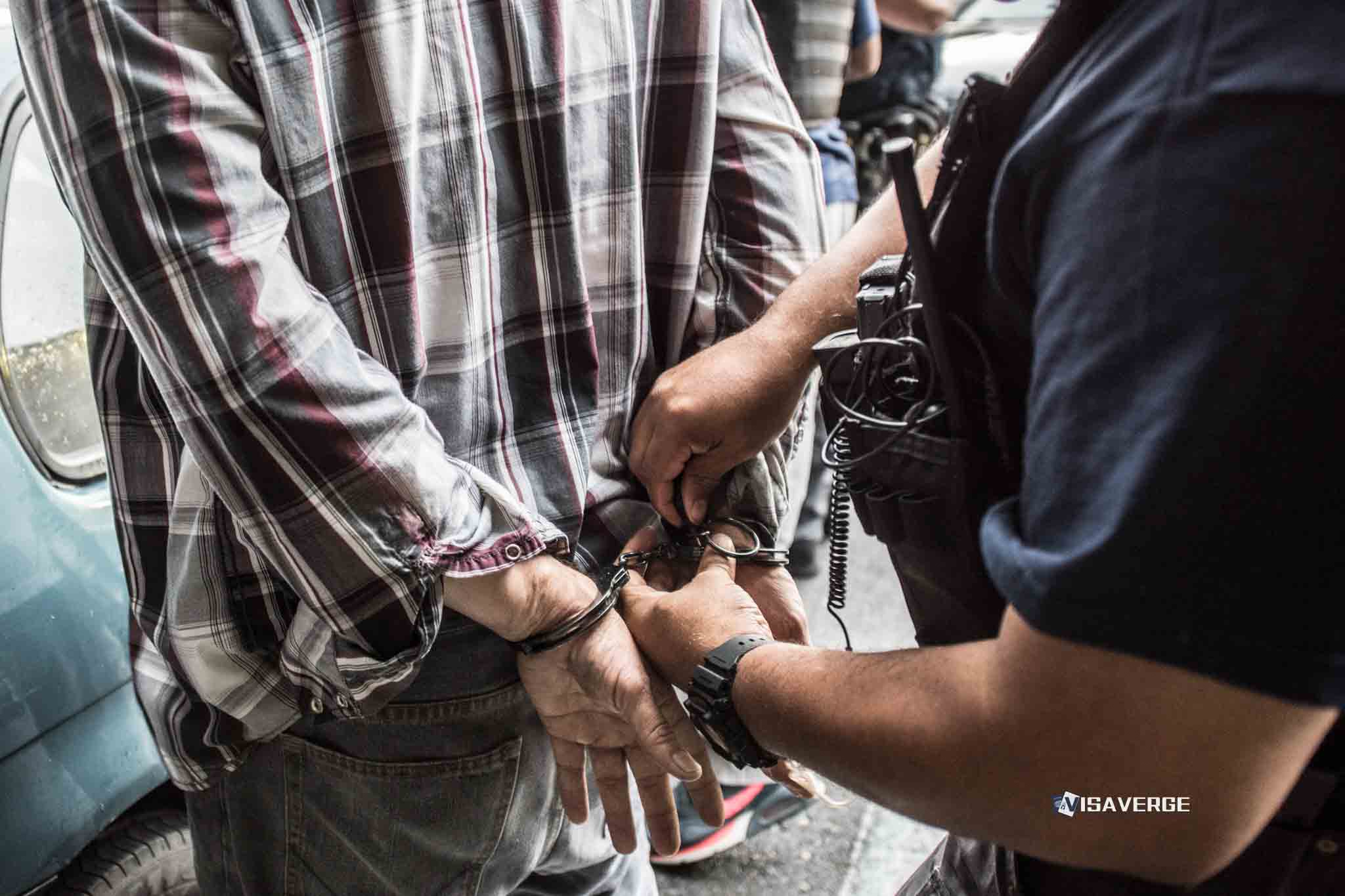
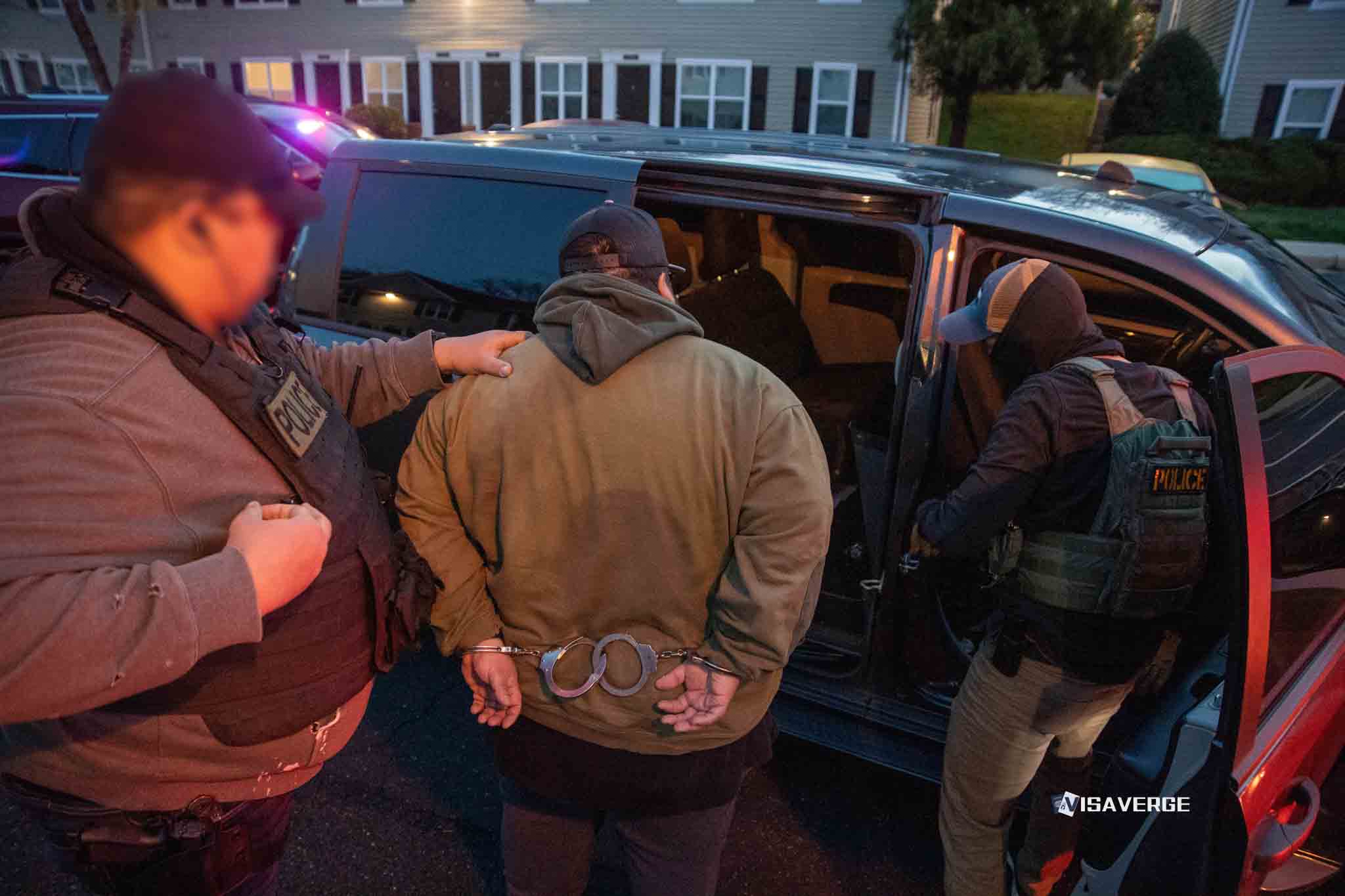
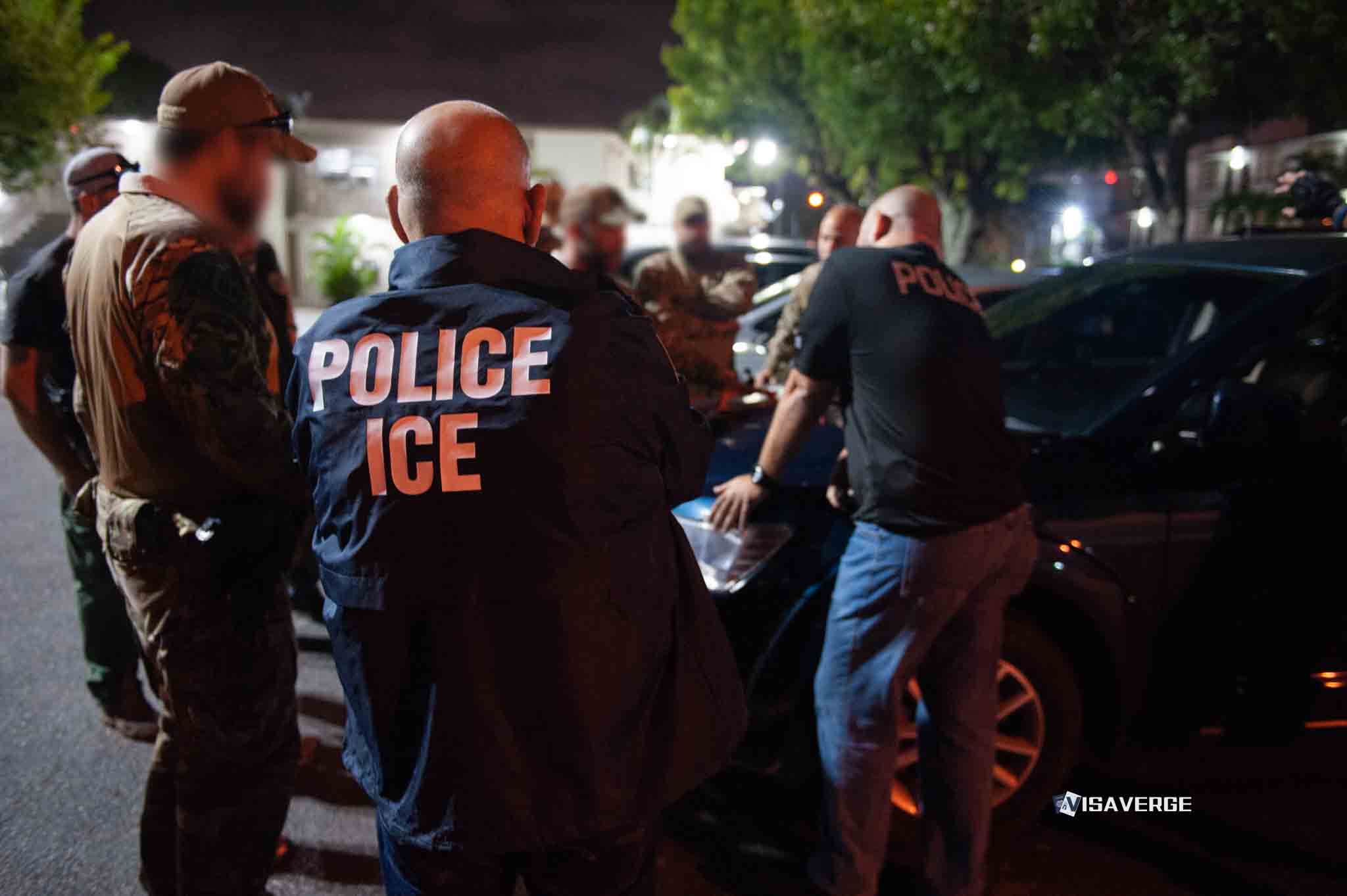
Republican lawmakers are pushing a new Halo Act that would make threats and harassment against federal immigration officers a crime that can carry prison time, marking one of the toughest recent efforts to shield ICE agents from public pressure. Under the proposal, people who threaten or harass Immigration and Customs Enforcement officers could face criminal charges and up to five years in prison, especially when their actions are seen as trying to block immigration operations or active investigations. The measure reflects growing anger inside the Republican Party over protests that target officers at work and at home across the country.
Core offense: publishing names and targeted intimidation
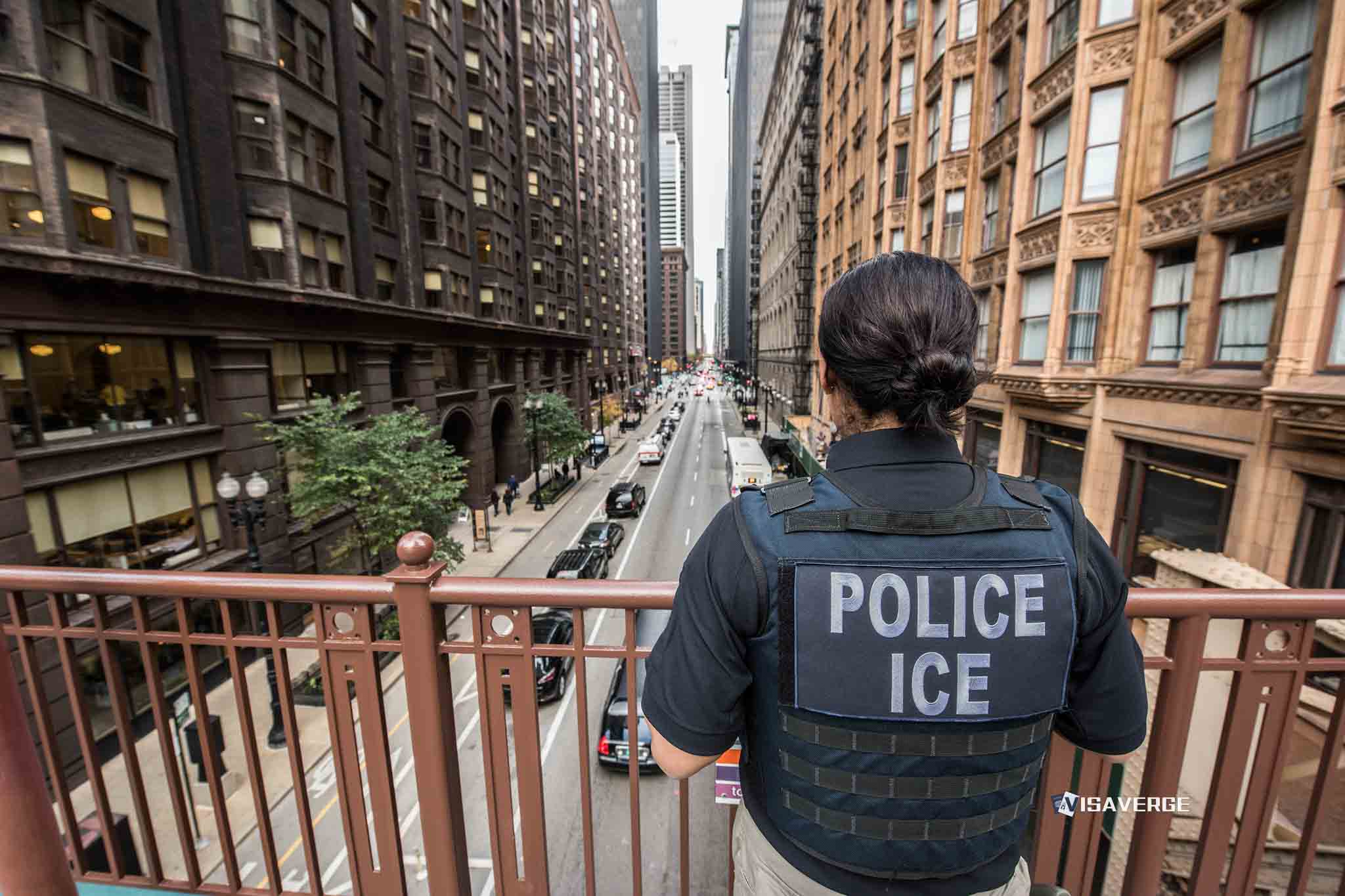
According to draft descriptions of the Halo Act, one core feature is a new offense tied to publishing the names of ICE officers and other federal agents. Posting those names with the intent to obstruct an immigration raid, detention, or investigation would be treated as a federal crime.
Supporters say this responds to online campaigns that post personal details of ICE agents, sometimes along with photos of their families, in an attempt to pressure them to stop doing their jobs. Backers argue that such tactics cross a line from political debate into direct intimidation of officers who are carrying out their duties.
Free toolUSCIS Receipt Number DecoderPenalties and legal framing
The bill would allow judges to impose prison time of up to five years for people convicted under these new provisions, placing the offense in the same territory as some federal obstruction crimes. Republicans say stiff sentences are needed to send a clear warning that attempts to undermine immigration enforcement will not be tolerated.
- Maximum prison sentence: up to 5 years
- Primary target: publishing names/identifying information with intent to obstruct
- Legal comparison: similar to some federal obstruction offenses
| Provision | What it targets | Possible penalties |
|---|---|---|
| Publishing names/identifying info with intent to obstruct | Online campaigns exposing agents to stop operations | Up to 5 years in prison |
| Refusal to obey distancing order (see below) | Failing to back up when ordered by officers | Fines (from $500), possible arrest and other charges |
Wider scope: distance orders and first responders
Beyond the focus on ICE agents, the proposal stretches to many first responders and law enforcement officers. Another part of the Halo Act would give officers the power to order bystanders to stay at least 25 feet away when requested, turning refusal into an arrestable offense.
- Required distance: 25 feet
- Initial fines for noncompliance: starting around $500
- Enforcement: refusal to obey a lawful order could lead to arrest and additional charges
Republicans backing the bill say the distance rule is meant to prevent tense scenes from getting out of control during arrests, traffic stops, or immigration operations. Critics worry it could chill public recording activity and limit oversight.
Political context and party support
Republican lawmakers say they are reacting to a rise in threats and harassment against officers that has followed years of heated debate over immigration enforcement in the ??. They point to demonstrations outside ICE offices, online calls to expose officers’ personal details, and cases where families feel targeted because of a parent’s job.
According to analysis by VisaVerge.com, these concerns have become a powerful rallying point for party activists who want stronger backing for rank‑and‑file agents. Supporters argue that, without extra protection, fewer people will be willing to work on difficult immigration cases, particularly in regions with heavy enforcement activity.
The proposal has drawn open support from high‑profile Republicans, including South Carolina Lieutenant Governor Pamela Evette and state representatives who have promoted related bills. Their backing shows how the Halo Act fits into a broader strategy, with national legislation working alongside state‑level measures that echo its themes.
- Several conservative states have already introduced or passed rules protecting police and immigration officers from harassment.
- The federal plan would sit on top of that patchwork, creating layered protections.
Practical effects for everyday situations
If passed in its current form, the law could touch many everyday situations around immigration enforcement.
- A person who stands close to officers during an arrest and refuses repeated orders to move back 25 feet could face removal from the scene, a criminal record, and fines.
- Someone who posts the name of an ICE officer online while urging others to block a scheduled raid could be accused of attempting to obstruct an operation and face prison time, even if no violence occurs.
For communities that interact often with ICE agents, the proposal would add another layer of legal risk around protests, court support, and day‑to‑day contact with officers.
- Families gathered outside an arrest scene
- Advocates accompanying clients to check‑ins
- Neighbors filming enforcement actions on their phones
All would need to listen closely if officers order them to stand back. People who speak out online against immigration enforcement would also have to be careful not to cross into conduct that prosecutors could treat as targeted harassment aimed at blocking an operation.
Key takeaway: The Halo Act reframes some protest and online activity as potential obstruction of immigration enforcement, exposing participants to criminal penalties including up to five years in prison and fines.
ICE, current protections, and proponents’ rationale
Immigration and Customs Enforcement already operates under a mix of internal safety rules and federal laws that punish direct attacks on government staff. Information on the agency’s role and structure is available from U.S. Immigration and Customs Enforcement, which describes how officers carry out arrests, detentions, and removals.
Backers of the Halo Act say that current rules do not fully answer modern forms of harassment, especially online campaigns that expose names and personal details in real time while operations are underway. Supporters view the bill as closing that gap and as basic workplace protection for agents.
How this fits into broader immigration policy
As debates over border security and migration continue into 2025, Republicans have made clear that stronger support for immigration officers is one of their central themes. The Halo Act sits alongside other proposals that call for:
- Expanded detention
- Faster removals
- Tougher rules for people who reenter after deportation
All are aligned with earlier policy goals from the Trump years and Project 2025. By placing harassment of officers in the same frame as interference with immigration enforcement, backers aim to show that they view threats — online or in person — as part of the broader struggle over enforcement at the border.
Concerns and public debate
Critics raise several concerns about the bill’s potential impacts:
- It could chill free speech and public recording of government activity.
- The 25‑foot rule might limit the ability of journalists, advocates, and bystanders to document enforcement actions.
- Broad definitions of “intent to obstruct” could sweep in nonviolent political expression.
Supporters counter that without stronger protections, personnel shortages and reluctance to carry out difficult cases could undermine enforcement efforts, especially in high‑pressure areas.
Final implications
If enacted, the Halo Act would significantly change the legal landscape around protests, online speech, and proximity during enforcement actions. For many people, the law would mean:
- Greater legal exposure for standing near operations or publishing identifying details of officers
- Potential criminal records, fines, and prison time for conduct now often treated as civil or minor offenses
- A stricter enforcement posture that aligns federal and state measures to protect law enforcement and ICE personnel
Communities, advocates, and online activists will need to weigh these new risks when deciding how to engage with immigration enforcement activity going forward.
The Halo Act, backed by Republican lawmakers, would criminalize targeted harassment of ICE and other officers, including publishing names with intent to obstruct operations. Penalties could reach five years imprisonment and fines for violating 25-foot distancing orders. Supporters claim it protects personnel and operations; critics warn it risks chilling speech, recording, and oversight. If enacted, the measure would heighten legal exposure for protesters, journalists, advocates, and community members near enforcement actions.