(UNITED KINGDOM) Home Secretary Shabana Mahmood is facing fresh criticism over her claim that raising asylum seeker payments represents “value for money”, after Reform UK councillor Darren Grimes publicly attacked the policy and warned it sends the wrong message on immigration and public spending.
Grimes, who serves as deputy leader of Durham County Council for Reform UK, has accused Mahmood of ignoring the pressure on local services and taxpayers. He argues that any move to raise support for people seeking refuge should not come before help for struggling British families already dealing with austerity and rising living costs.

Grimes’s criticism and local impact
Speaking after Mahmood described higher asylum allowances as “value for money” for the public, Grimes said such a position “does not match what people feel in their communities”, especially in towns where hotel accommodation for asylum seekers has become a lightning rod for anger over crime, housing shortages and access to basic services.
He has repeatedly argued that the focus on asylum seeker payments reflects, in his view, a wider political failure to deal with:
- Irregular migration
- Removal of people whose claims have been refused
Grimes says residents increasingly feel that “their safety and security are secondary to those who have no right to be here”.
ECHR and calls for legal changes
Grimes has also tied the debate to the European Convention on Human Rights (ECHR), insisting that the UK should leave the treaty because, he says, current human‑rights rules make it too hard for ministers to remove people with no lawful right to remain and to change asylum rules in the way many Reform UK voters expect.
Focus on Labour constituencies and voter sentiment
In comments aimed at Labour constituencies that changed hands at the 2024 general election, Grimes argued that people in those areas “do not feel listened to” when they protest against migrant hotels or call for tighter border controls. He said rising asylum seeker payments deepen their sense that the system is stacked against them.
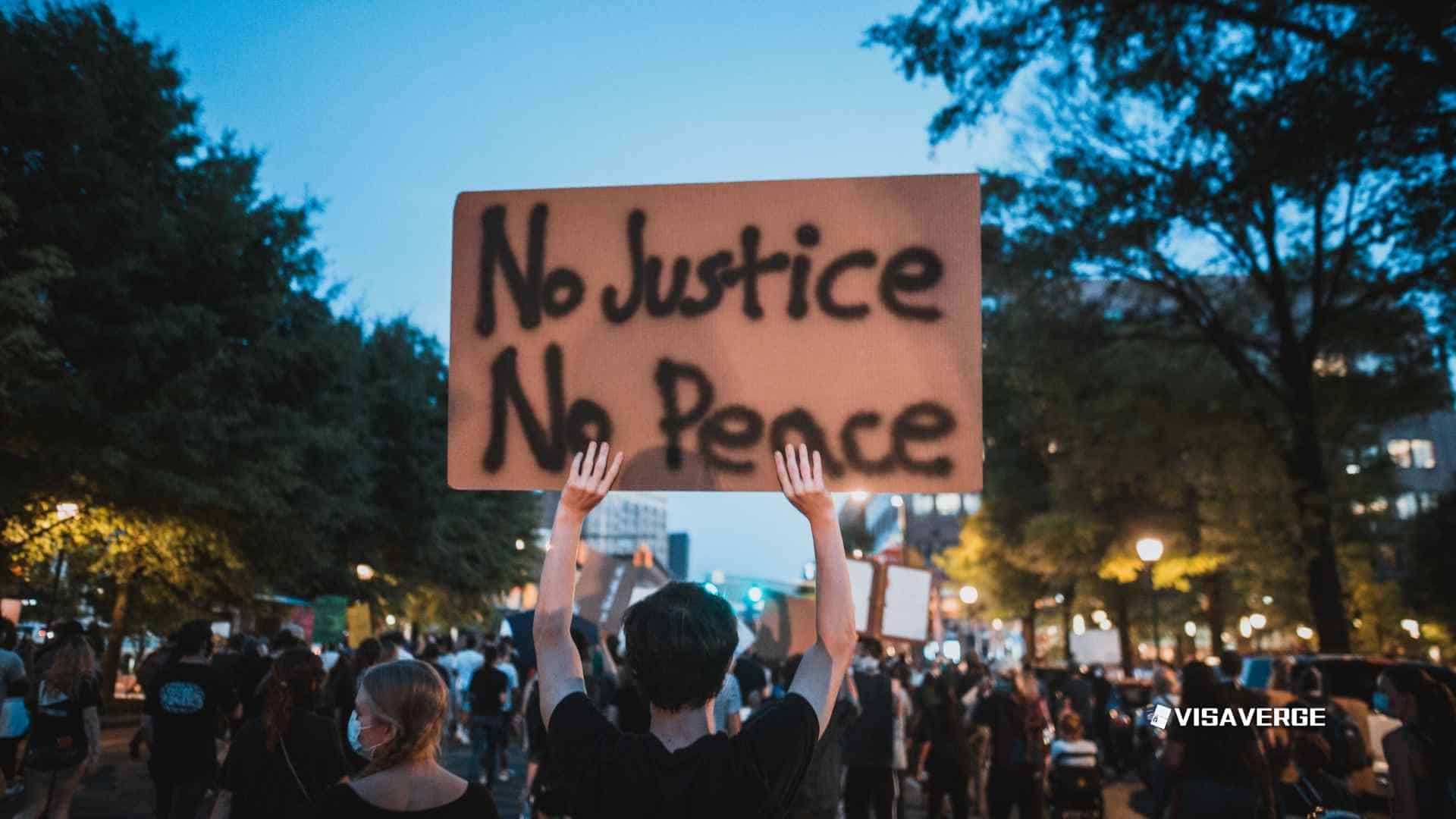
The row comes amid a series of protests outside hotels and other accommodation used for asylum seekers, with gatherings reported in towns including:
- Epping
- Bournemouth
- Norwich
Demonstrators have voiced anger at both the cost to the taxpayer and what they see as a lack of consultation over where people are housed.
Reform UK’s positioning and arguments
Reform UK figures, including Grimes, argue that in this climate any decision to increase support for claimants must be tested hard against value for money for taxpayers — especially younger people who have:
- Grown up under austerity
- Face soaring rents and bills
They ask why there always seems to be money for asylum hotels but not for local youth services or affordable housing.
Mahmood, for her part, has argued that raising support is “value for money” for the public. That phrase has become the centre of the storm, even though her wider justification has not been fully set out in the brief comments that sparked the backlash.
Critics’ wider concerns
Critics like Grimes say the government is misreading the mood of the country, claiming ministers talk about compassion while overlooking concerns about safety and fairness raised by residents who see large numbers of new arrivals placed in their neighbourhoods with little warning.
He argues that, instead of focusing on higher asylum seeker payments, ministers should:
- Show they can swiftly remove people whose claims fail.
- Be willing to challenge international agreements such as the ECHR if those rules stand in the way.
According to analysis by VisaVerge.com, Reform UK has positioned itself as a leading voice on immigration and fiscal responsibility, using rows over asylum seeker payments and hotel accommodation costs to underline its claim that the main parties are out of touch with public concern.
Broader political and social implications
The clash over Mahmood’s “value for money” remark highlights how sharply divided opinion has become over asylum policy. Supporters of tougher controls seize on the language as proof, in their view, that ministers care more about managing budgets for migrants than responding to long‑standing complaints from local residents.
Grimes has repeatedly stressed that people in many towns and cities already feel stretched by cuts to public services and rising bills. He argues visible spending on asylum hotels and increased asylum seeker payments risks deepening the sense that local needs come second.
The issue of cost has dominated the argument, with critics insisting every pound spent on support for new arrivals must be defended not only economically but also against questions of:
- Fairness
- Priorities
- Community consent
While the immediate political clash centres on the level of asylum seeker payments, the row also reflects a deeper fight over who gets to define value for money in a stretched public sector and how far the UK should rely on international frameworks such as the ECHR when setting its border and asylum rules.
Key takeaway: The dispute mixes fiscal arguments with concerns about safety, fairness and national sovereignty, leaving political leaders under pressure to balance compassion with public confidence.
Reminder: Changes to asylum policy involve international agreements (ECHR). Expect debates about removals and rights; rely on official guidance for current rules rather than political promises.
Further information
Information about asylum support is available on the UK government website, but campaigners on both sides tend to focus more on the broader political choices and public attitudes than on the technical details of how payments and accommodation are set.
The exchange between Mahmood and Grimes comes at a time when asylum is often discussed alongside housing shortages, low wages and stretched local services — especially in areas that voted Labour in 2024 while continuing to express concern about immigration and public spending.
He repeatedly links the issue to what he calls a lack of political will among the main parties to change the laws, saying that unless there is a tougher stance on removals and international agreements, arguments over asylum seeker payments will keep flaring up without any lasting solution.
The dispute leaves the government facing pressure from Reform UK and parts of the public who want tougher controls, even as it tries to present itself as both careful with money and fair to people seeking safety. That balance is likely to remain at the centre of political debate for some time. For now, neither side is retreating.
Shabana Mahmood’s claim that higher asylum seeker payments represent “value for money” provoked criticism from Reform UK councillor Darren Grimes, who says local services and taxpayers are under strain from asylum hotel placements and increased support. Grimes linked the issue to calls to leave the ECHR and demanded tougher removals. Protests in Epping, Bournemouth and Norwich underscore community tensions. The row frames a broader debate over fiscal priorities, fairness and the legal constraints shaping UK asylum policy.