Labour MPs have launched a fierce attack on the UK government’s new asylum crackdown, branding it “performative cruelty” aimed more at headlines than fair decisions. The plans, set out this week by Home Secretary Shabana Mahmood, would speed up deportations, sharply curb appeal rights, and strip back basic support such as housing and weekly allowances for many people seeking refuge. Refugee status would become temporary and subject to repeated review, even for those already found to be at risk in their home countries, marking one of the toughest shifts in Britain’s recent asylum and refugee policy in recent political history.
Main criticisms from Labour and refugee groups
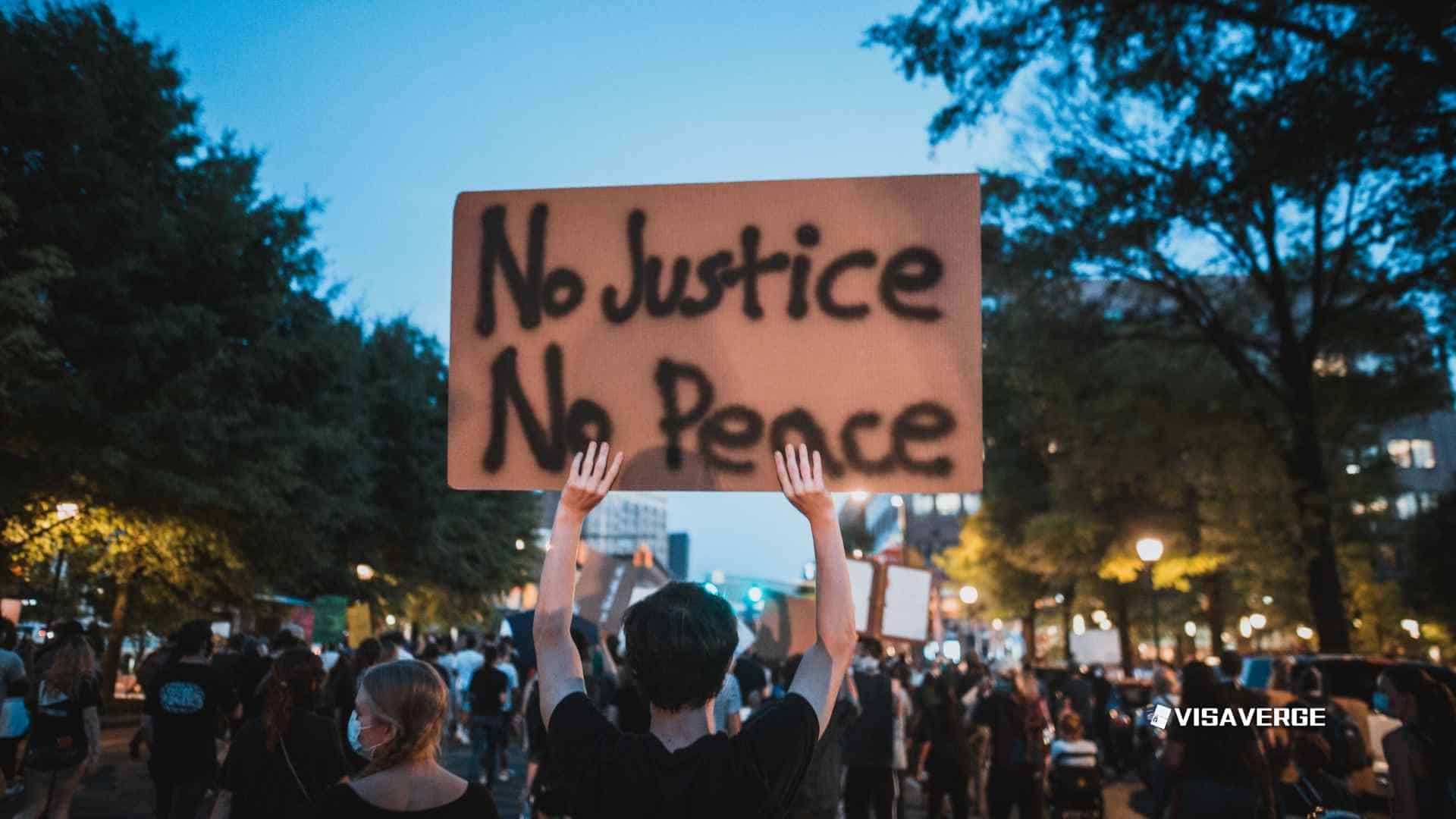
While ministers insist the overhaul is needed to restore confidence in the system, critics inside Labour say the package crosses a moral line. Several backbenchers argue the measures punish people who have already fled war, persecution, or trafficking, without fixing delays and poor decision‑making inside the Home Office.
They point to record levels of outstanding cases and warn that faster removal rules risk sending people back to danger. According to analysis by VisaVerge.com, the UK already struggles to process claims promptly, and thousands wait in limbo for months or years before receiving an initial decision under the current asylum rules.
“Performative cruelty” — a phrase used by Labour MPs to describe policies they say prioritise headlines over humane, evidence‑based decision‑making.
Key proposals in the package
The proposals contain several linked measures that together represent a major change in how asylum is handled in the UK:
- Make refugee status time‑limited and subject to regular reassessment.
- Restrict legal challenges so most refused applicants have one appeal only.
- Remove the legal duty to provide basic support, including housing and weekly allowances, for many asylum seekers.
- Introduce expedited deportation and stricter conduct tests that could affect protected people.
What the time‑limited refugee status means
- People granted protection would no longer have a clear path to permanent security.
- Status could be reassessed every few years, with the constant threat of removal if conditions in their home country are judged to have changed.
- Labour MPs warn this uncertainty will make it harder for refugees to work, study, or build family life, and will push many into poverty and poor housing across towns and cities.
Appeal restrictions
- The government describes limiting appeals as ending “multiple bites at the cherry” by preventing repeat last‑minute claims.
- Refugee charities counter that complex trauma, language barriers, and poor legal advice already cause many people to lose cases they should win.
- Restricting appeals, they argue, will trap genuine refugees in a hurried process with little chance to correct mistakes before removal.
Changes to support (housing and allowances)
- Currently, those with no other means can receive modest payments and accommodation while their claims are assessed.
- Under the new approach, far fewer would qualify, transferring the immediate burden to charities, local councils and church groups.
- Campaigners warn this could increase visible street homelessness and strain services in areas already dealing with rising rents and the cost‑of‑living crisis.
Legal and human‑rights concerns
Some of the strongest criticism has come from Labour MPs with legal backgrounds. Former immigration lawyer Tony Vaughan warned the programme risks repeating past policies later ruled unlawful by the courts.
- MPs are particularly alarmed by reports the Home Office could seek to deport some people even after granting them protection if they fail certain conduct tests.
- Critics say that would turn refugee status into a conditional favour rather than a rights‑based decision grounded in the Refugee Convention and human rights law.
Political pressure and motivations
For Home Secretary Shabana Mahmood, the stakes are high. She faces pressure from:
– Voters who tell pollsters they want fewer small‑boat crossings and quicker removals.
– Conservative critics accusing Labour of being soft.
Her allies argue firm rules, clear time limits, and credible removals are needed if the public is to accept any regular resettlement or family reunion routes. But Labour backbenchers fear the government has embraced headline‑driven policy they see as performative cruelty, risking party division in parliament this session.
Scale and context
- The changes arrive as the UK records about 111,000 asylum applications in the year to June 2025, a modern‑day high.
- Ministers say the numbers justify a tougher line; refugee groups say global crises are driving displacement and point out other European countries process more claims per head.
The government’s own official asylum guidance confirms people have the right to claim protection on arrival and to have that claim assessed individually using their history and current country information.
Local impacts and resource concerns
Migrant and refugee organisations warn the practical effect will be to push problems onto councils and charities without providing sufficient resources. They expect:
- More rough sleeping and visible homelessness.
- Greater demand on mental‑health services.
- A rise in people working illegally to survive.
Local leaders in some host areas say they were not properly consulted. There are concerns that new powers to threaten visa restrictions on nationals from three African countries that do not accept returns could damage diplomatic ties and undermine cooperation on future resettlement schemes.
The broader question
Behind the fierce argument is a deeper question about what kind of country Britain wants to be. Supporters of Home Secretary Shabana Mahmood say she is trying to balance compassion with control in a system under heavy strain. Her Labour critics counter that real control means investing in:
- Fair decisions
- Safe routes
- Faster processing
…not policies they characterise as performative cruelty aimed at short‑term headlines.
As the bill moves through parliament, refugee families, local councils, and community groups will watch closely, knowing choices made in Westminster will shape lives at the border, in hostels, and in neighbourhoods across the UK for years to come.
Quick reference table: Proposed changes and likely effects
| Proposal | Government rationale | Critic concerns / likely effects |
|---|---|---|
| Time‑limited refugee status | Provides clear time limits and review to ensure returns when safe | Creates uncertainty; hinders integration; risks poverty and unstable housing |
| One appeal only | Stops repeat last‑minute legal challenges | Traps people who lost through trauma/language/legal advice errors |
| Removal of duty to provide support | Reduces perceived pull factors, cuts costs | Shifts burden to charities/councils; increases homelessness and service demand |
| Faster deportations and conduct tests | Restores public confidence and deters abuse | Risk of returning people to danger; legal challenges likely |
If you would like, I can produce a one‑page briefing for local councils or a short explainer for community groups summarising the changes and suggested local responses.
This Article in a Nutshell
Home Secretary Shabana Mahmood announced an asylum crackdown that would make refugee status time‑limited, restrict appeals to one instance, expedite deportations, and remove duties to provide housing and weekly allowances for many asylum seekers. Labour MPs and refugee charities label the measures “performative cruelty,” warning they risk returning vulnerable people to danger, increasing homelessness, and worsening local service pressures. Ministers defend the package as necessary to restore public confidence amid record asylum claims; legal challenges and political debate are expected as the bill moves through Parliament.