- President Mahama announced free e-visas for all Africans starting May 25, 2026, coinciding with Africa Day.
- The policy removes visa fees while maintaining a mandatory digital screening process for all incoming continental travelers.
- Ghana joins a small group of African nations offering fee-free entry to support trade, tourism, and integration.
(GHANA) — President John Dramani Mahama announced that Ghana will begin a free e-visa regime for all African nationals on May 25, 2026, opening online visas at no charge in a move he tied to Africa Day and broader continental integration.
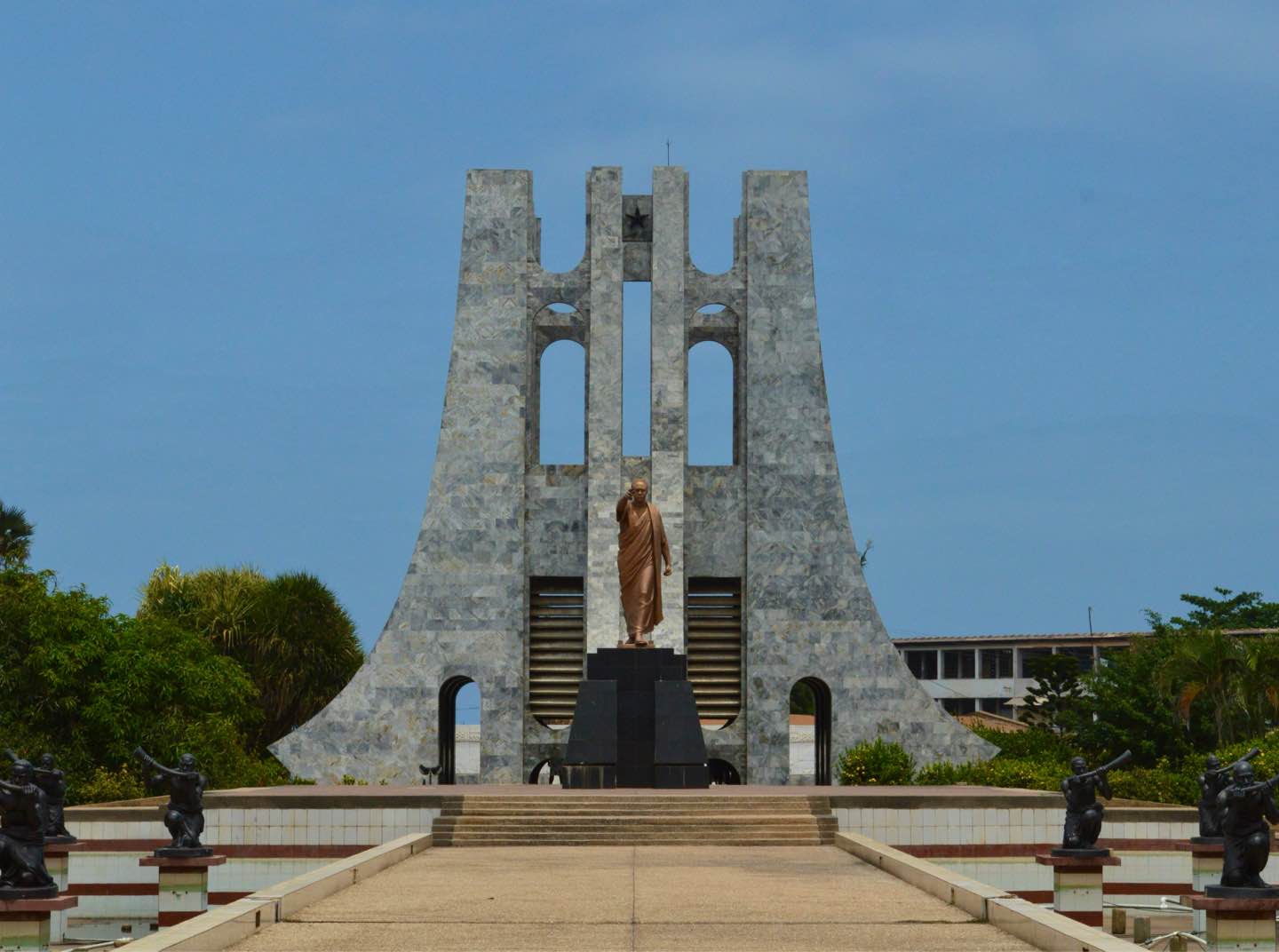
Mahama made the announcement on April 2, 2026, during bilateral talks with Zimbabwean President Emmerson Mnangagwa at the Peduase Presidential Lodge. He set out a firm launch date after an earlier visa-free plan announced in 2024 did not take effect before former President Nana Akufo-Addo left office.
“Effective 25th May 2026, when we commemorate Africa Day, Ghana will commence a free visa regime for all Africans. Africans travelling to Ghana will receive their e-visas online free of charge,” Mahama declared.
Free toolB1/B2 Tourist Visa Stay Calculator onlineThe measure removes visa fees for African travelers but keeps an electronic screening process in place before arrival. Mahama’s administration has linked the policy to a broader rollout of a modernized e-visa platform in the coming weeks, pairing easier entry with digital vetting.
That timing gives Ghana a symbolic launch on Africa Day while placing the policy inside a wider push around Pan-Africanism and the African Continental Free Trade Area. Ghana has presented the new system as both an economic opening and a managed border process.
The initiative revives and advances a 2024 pledge by Akufo-Addo, who had said Ghana would move toward full visa-free entry for Africans during the Africa Prosperity Dialogue. That earlier effort included a 50% reduction in visa fees for attendees through visa-on-arrival arrangements, but the wider plan stalled during the political transition.
Mahama’s government has now moved the proposal from pledge to policy. Since taking office in 2025, the administration has signed 23 new visa waiver agreements, part of a broader effort to expand mobility for Ghanaians abroad while opening Ghana more widely at home.
Foreign Affairs Minister Sam Okudzeto Ablakwa said the new arrangement would remove the fee burden without ending border checks. “Africans will not pay visa fees,” Ablakwa said, adding that the digital platform ensures “adequate systems. to manage the influx of visitors and safeguard national security.”
Officials have described the approach as a free e-visa system rather than a blanket abolition of entry controls. Travelers will apply online at no cost, while authorities use digital screening to filter out security threats, prohibited immigrants, and people without financial means.
That hybrid model reflects a balance Ghana has tried before on a temporary basis. During the 2024 “December in GH” campaign, the country waived pre-approval for visa-on-arrival from December 1, 2024, to January 15, 2025, testing a faster entry system during a busy travel period.
Ghana also enters a small group of African countries that have adopted continent-wide opening measures. With the new policy, Ghana becomes the sixth African country offering visa-free or fee-free entry to all African passport holders, joining Benin, Rwanda, The Gambia, Seychelles, and others that have pursued more open border policies for Africans.
Across the continent, those governments have presented mobility reform as an economic tool as much as a diplomatic one. Ghana’s move follows the same logic, with officials aligning the free e-visa plan to trade, tourism and labor mobility goals under the African Continental Free Trade Area, whose secretariat is hosted in Ghana.
Visa barriers have long been cited as a brake on intra-African movement, even as governments call for deeper economic integration. By eliminating the fee while retaining online pre-clearance, Ghana is seeking to lower one barrier without giving up advance screening.
The policy could widen access for tourists, business travelers and short-term visitors from across the continent. Under standard arrangements referenced by officials, travelers can expect 90-day stays, though valid passports remain required.
For business travelers and investors, the government has tied the change directly to AfCFTA opportunities. Easier entry, together with the 23 new visa waiver agreements signed since 2025, forms part of Ghana’s effort to position itself as a continental gateway for trade and investment.
Officials have also linked freer movement to labor mobility in sectors such as nursing, ICT and engineering. The government has framed that as part of a wider conversation about ethical mobility and retaining talent while supporting movement across African markets.
Ghana’s announcement came during talks with Mnangagwa that went beyond visas. The two sides also discussed energy, agriculture, health and defense, and agreed that a Permanent Joint Commission would meet every two years.
That broader diplomatic setting gave the visa plan added weight. Ghana and Zimbabwe already have an existing visa waiver arrangement, and officials cast the new free e-visa policy as an extension of ties that are both bilateral and continental.
The policy also builds on earlier bilateral waivers, including the 2023 Ghana-South Africa scheme. Those agreements provided precedents for reciprocal travel and helped support the case for a wider opening to African passport holders.
Ghana has rooted the decision in its own political identity as the cradle of Pan-Africanism. Mahama’s government has presented the measure as a practical expression of that history, linking easier travel to the ideals of African unity rather than treating it as a stand-alone immigration adjustment.
At the same time, the administration has stressed that security concerns remain central. Critics have raised worries about job competition, pressure on housing, and security risks at a time of broader instability and threats including terrorism across parts of the continent.
Officials have answered those concerns by emphasizing the digital screening component of the new system. Rather than waiving checks at the border, they say the online application process allows authorities to review entrants before travel while still removing visa fees.
That distinction matters for how Ghana is presenting the reform. This is not an uncontrolled opening, but a system designed to allow lawful movement with electronic oversight.
The government has also pointed to the direction of regional policy. ECOWAS nationals such as those from Nigeria and Senegal already enjoy visa exemptions, and the new measure extends Ghana’s openness beyond West Africa to the rest of the continent.
In practical terms, that means a traveler from another African country will be able to apply online for a free e-visa rather than pay a visa charge. The application will still move through a digital platform, and officials have advised applicants to prepare supporting materials such as financial proof and health documents.
For Ghanaian passport holders, the administration says the policy sits alongside an outward-facing strategy to improve mobility abroad. The 23 new visa waiver agreements signed since 2025 are meant to make travel easier for Ghanaians as well, reinforcing the message that openness should work both ways.
The economic case for the change has been central to the government’s messaging. Officials expect gains in tourism, trade and cultural exchange, with Ghana seeking to draw more visitors to sites such as Cape Coast Castle while also connecting more closely to destinations elsewhere on the continent, including Zimbabwe’s Victoria Falls.
Examples from other countries have informed that argument. Rwanda has been cited for growth in conferences and business travel after loosening entry rules, while Seychelles has used mobility to support visitor numbers and diversify its economy.
Kenya’s turn toward electronic travel authorizations has also illustrated a wider trend. African governments are increasingly turning to digital entry systems that simplify movement while preserving a pre-arrival review process.
Ghana’s plan fits squarely into that trend, but with one added element: the elimination of the visa fee for African applicants. That makes the free e-visa more than a technical upgrade. It changes the cost of entry as well as the method.
The launch date gives the policy a built-in political message. Africa Day, observed every year on May 25, marks a moment associated with continental solidarity, and Mahama chose that date to start a program aimed directly at easing movement among Africans.
That symbolism may help Ghana project itself as a front-runner on mobility within Africa. Yet the administration has also framed the policy in concrete terms, arguing that easier movement should support business deals, investment, tourism, and everyday travel for families and professionals.
Pressure will now fall on the rollout of the digital platform promised in the coming weeks. The government has said the system will carry the screening needed to handle larger numbers of visitors while protecting national security.
Ghana Immigration Service is expected to oversee the e-visa rollout and the border controls that go with it. The agency’s role places it at the center of a policy that the government sees as both a test of state capacity and a public statement about Ghana’s place in Africa.
For Mahama, the announcement also closes a political loop left open by the unfulfilled 2024 pledge. By giving the measure a start date and embedding it in a digital process, his administration has moved beyond the earlier declaration and put implementation on the calendar.
Whether judged as a trade measure, a diplomatic signal or a Pan-African gesture, the decision changes how African travelers will enter Ghana from May 25, 2026. “Africans travelling to Ghana will receive their e-visas online free of charge,” Mahama said, tying the country’s next border shift to Africa Day and a wider vision of movement across the continent.