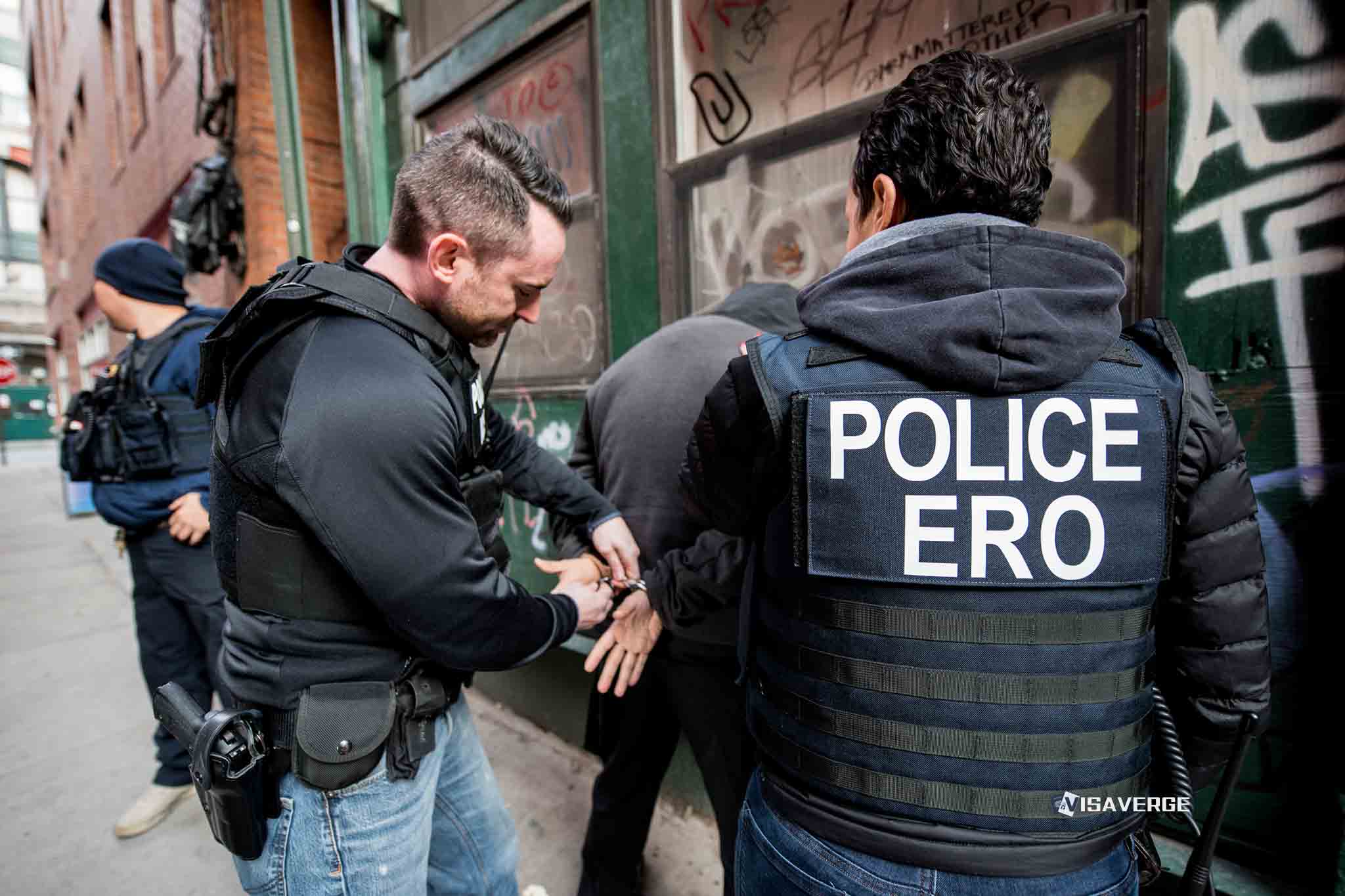
(ALABAMA) A U.S. citizen says he was arrested twice at work by immigration officers in 2025, setting up a federal battle over alleged constitutional violations in worksite raids that targeted Latino crews. The plaintiff, Leonardo Garcia Venegas, filed suit after two encounters with armed agents at Alabama construction sites where he says he showed his Real ID, declared he was a citizen, and was still detained and handcuffed before being released without charges.
What Garcia Venegas Says Happened
According to the complaint, the first incident occurred in May 2025. Garcia Venegas states:
- Armed agents entered a construction site and focused on Latino workers.
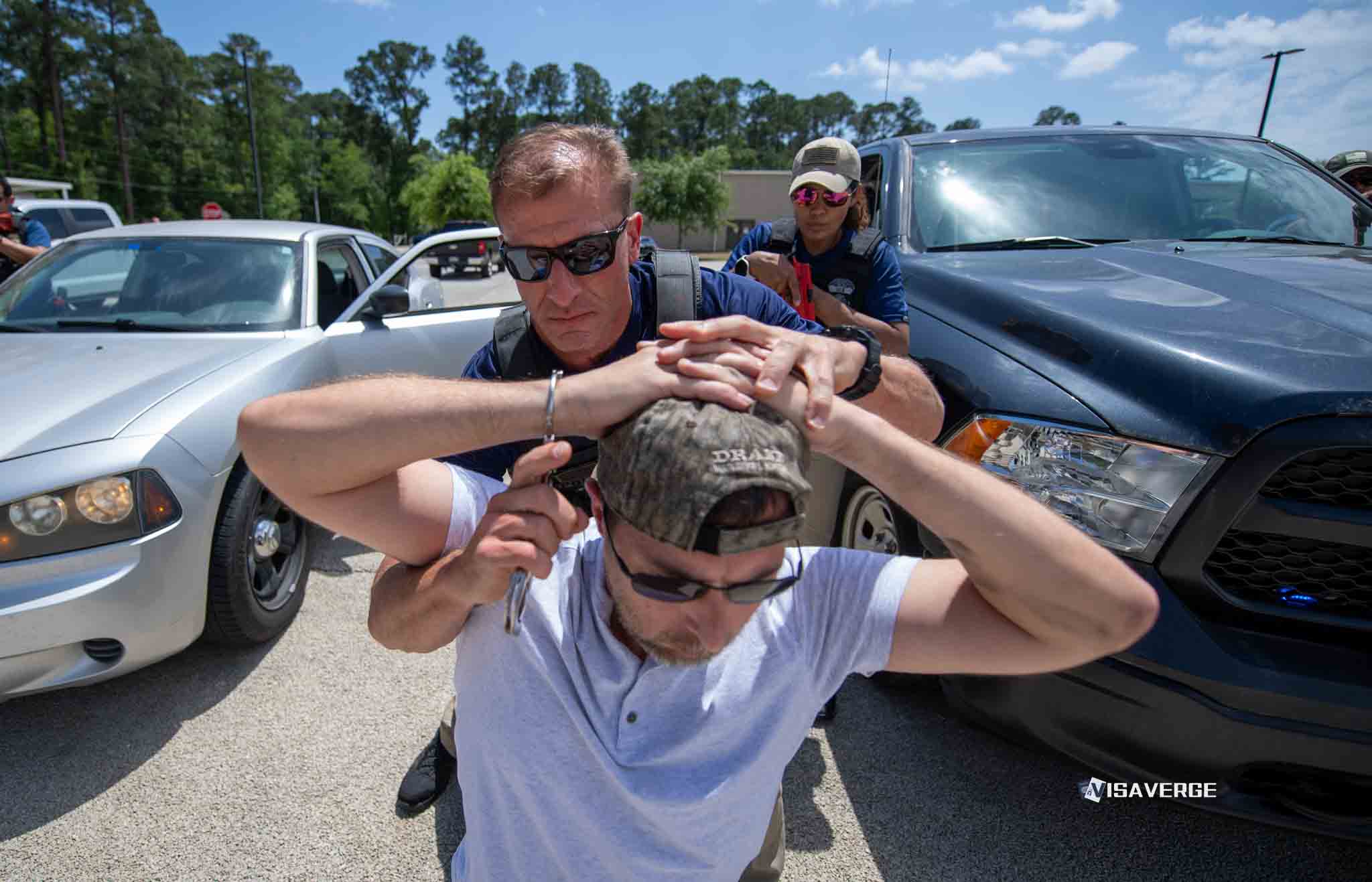
- He was violently tackled to the ground and handcuffed.
- He says officers ignored his Real ID and held him for over an hour.
- He was released only after repeatedly asserting he was a U.S. citizen.
Two weeks later, at a different site, he says:
Free toolUSCIS Receipt Number Decoder- Immigration officers forced him outside and again brushed aside his Real ID.
- He was held for about 30 minutes before being released.
- He received no apology or explanation; no charges were filed on either occasion.
Legal Claims and Representation
The suit is backed by the Institute for Justice and frames the encounters as violations of the Fourth Amendment (protection against unreasonable searches and seizures). Attorneys argue:
- The raids demonstrate a pattern of racial profiling at worksites.
- Latino workers were singled out and detained without proper cause.
- The filing asks a federal court to recognize these alleged rights violations and to limit what the lawyers describe as unconstitutional worksite tactics.
“The plaintiff’s counsel describes both arrests as warrantless detentions lacking probable cause,” the complaint states. They also say the actions chilled workers at the sites, who feared speaking up or returning to work.
Government Response
The Department of Homeland Security (DHS) disputes the plaintiff’s account:
- DHS says Garcia Venegas was detained because he allegedly interfered with the arrest of another person during the operation.
- DHS argues that field teams must make rapid decisions during enforcement actions and that brief detentions can occur to assess safety risks and sort identities.
Garcia Venegas’s attorneys reject DHS’s interference claim, asserting that:
- Video evidence and eyewitness accounts show he did not interfere.
- Immigration officers targeted him based on his appearance and location.
- They call DHS’s explanation a pretext.
The court will weigh these sharply different accounts as the case moves forward.
Central Legal Issues
The complaint highlights the central dispute:
- Did agents act lawfully in the fast-moving environment of a raid, or did they cross legal lines by detaining a U.S. citizen who had already presented a Real ID and stated his status?
- How should officers verify citizenship in the field, how quickly must they accept documentary proof, and what safeguards should apply when a citizen is detained during an immigration sweep?
Immigration attorneys say courts will focus on:
- The length of detention
- The use of force
- Whether there was reasonable suspicion or probable cause
The alleged tackling, handcuffing for more than an hour, and a second detention two weeks later—despite Real ID shown both times—are likely to be central to the Fourth Amendment analysis. Repeated detentions of the same citizen can strengthen claims of a pattern of conduct.
Broader Context and Similar Cases
Garcia Venegas’s experience fits into a broader set of cases showing risks for U.S. citizens during enforcement, especially Latino citizens at worksites. Lawyers and advocates say these are not isolated errors but part of a larger pattern that requires court oversight and stronger guardrails.
Other reported cases include:
- Carlos Rios, a U.S. citizen since 2000, detained by ICE in Washington state in 2019 despite showing his U.S. passport and asserting citizenship; he filed suit seeking accountability and policy change.
- Civil rights groups that filed lawsuits in 2025 challenging the legality of recent sweeps and worksite raids, alleging systemic violations against both citizens and non-citizens.
As of October 2025, Garcia Venegas’s lawsuit remains active. His attorneys emphasize the chilling effect on Latino workers across Alabama job sites and beyond. They say people who have every right to work in the United States ?? now fear encounters with immigration officers, even when carrying proper identification.
DHS faces rising scrutiny over how agents run worksite operations and whether procedures are strong enough to prevent wrongful detention of citizens.
Practical Takeaways for Workers and Employers
For workers:
- Carry a Real ID or a U.S. passport—it may not end a detention immediately, but it is crucial evidence.
- Calmly assert citizenship when appropriate.
- Ask if you are free to leave and request an explanation for any detention.
- If detained, request contact with counsel as soon as possible.
For employers:
- Review and update safety plans for potential raids.
- Train site leads on lawful interactions with enforcement officers.
- Establish clear processes for contacting legal counsel immediately if a citizen is detained.
Policy Debate and Next Steps
Policy advocates note a tension within large operations:
- The need for swift decision-making on busy job sites versus the duty to avoid unconstitutional detentions.
The lawsuit presses the court to set clearer limits, arguing repeated failures to accept documentary proof of citizenship cross constitutional lines. Legal scholars say the courts, not political debates, will determine where lines should be drawn for field teams during raids.
Readers seeking official complaint avenues can consult the DHS Office for Civil Rights and Civil Liberties:
This resource explains how individuals can report concerns about civil rights and civil liberties during DHS operations. Note that administrative complaints are separate from federal lawsuits, and outcomes can vary.
Ongoing Coverage
VisaVerge.com reports on related litigation nationwide and tracks how courts respond to claims from citizens and non-citizens affected by raids. For Garcia Venegas, the courtroom will decide:
- Whether immigration officers violated his rights
- Whether new limits are necessary to prevent future detentions of citizens who present a Real ID and assert their status on the spot
(REAL ID)
This Article in a Nutshell
Leonardo Garcia Venegas, a U.S. citizen, alleges he was detained twice by immigration officers at Alabama construction sites in May 2025 despite presenting a Real ID and repeatedly asserting his citizenship. The Institute for Justice filed a federal lawsuit claiming Fourth Amendment violations, excessive force, and racial profiling of Latino crews. DHS contends Garcia Venegas interfered with another arrest and defends brief safety-related detentions during operations. Attorneys for Garcia Venegas counter with video and witness accounts, calling DHS’s interference claim a pretext. The case raises core questions about on-site verification of citizenship, acceptable detention lengths, and safeguards to prevent wrongful detention of citizens during immigration sweeps.