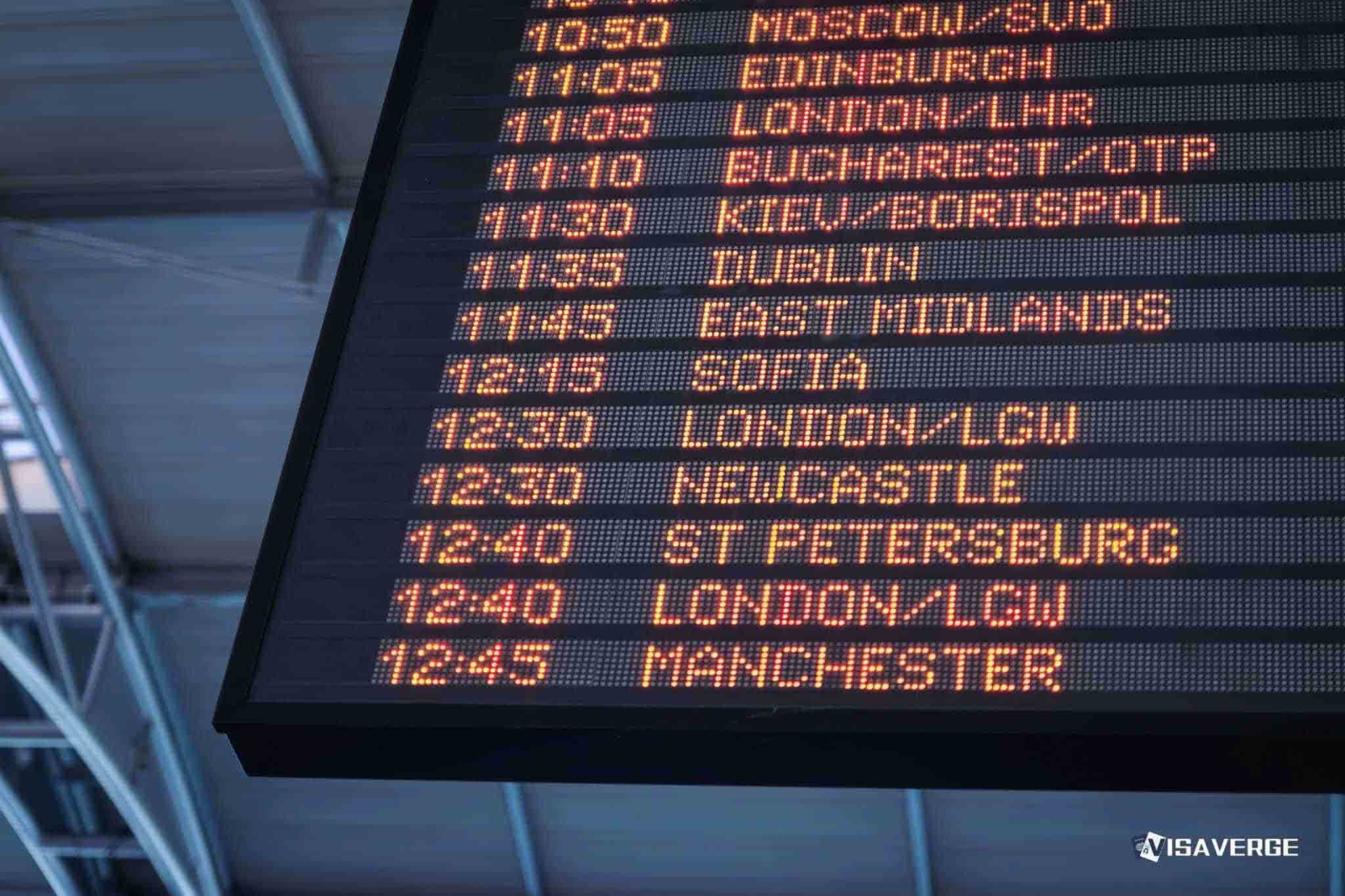
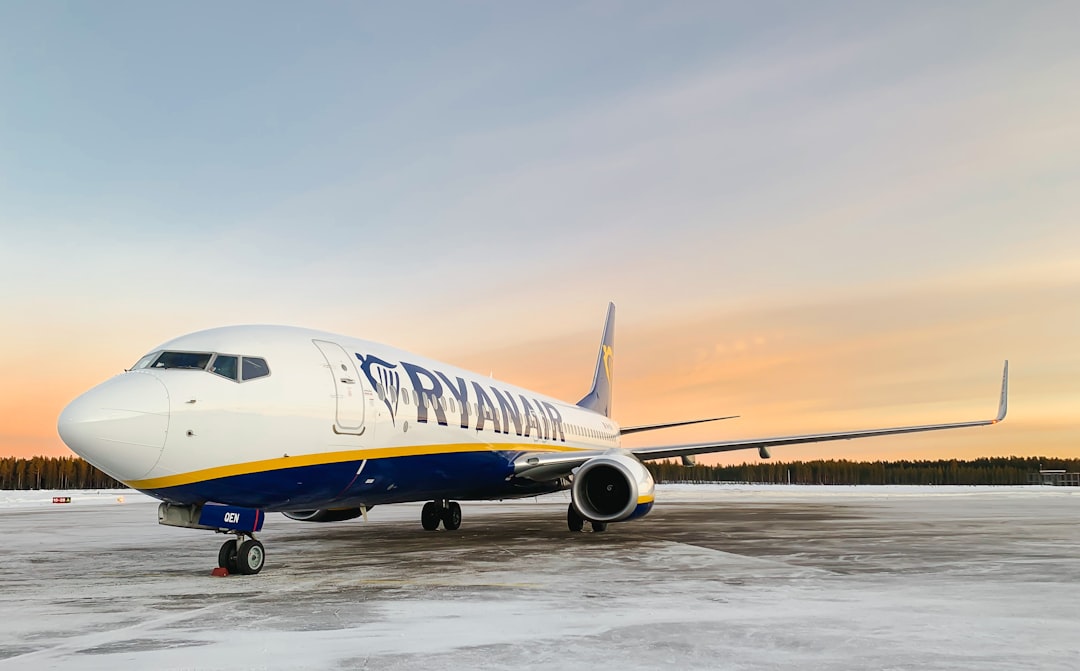
A new price comparison released this week shows flights within Europe still undercut train travel on most cross-border routes, and in some cases by extreme margins. The Greenpeace report, published on August 21, 2025, found that on 54% of cross-border routes it is cheaper to fly than to take the train, despite the EU’s climate goals and years of pledges to make rail more competitive.
The most striking example is Barcelona–London, where a train ticket priced at €389 cost 26 times more than a €15 Ryanair fare. The analysis covered 142 routes across 31 European countries, including 109 cross-border connections and 33 domestic lines under 1,500 kilometers.
Key overall findings
- 54% of cross-border routes: flying cheaper than rail.
- Domestic routes: 70% of studied routes within a single country saw trains cheaper than planes.
- Cross-border routes: trains cheaper on only 39%.
- Study scope: 142 routes (109 cross-border, 33 domestic), nine booking windows, fares in second class/economy, cheapest non-refundable options only.
“Anyone who travels by train in a climate-friendly way should always pay less than for flying, everywhere.” — Lena Donat, Greenpeace transport expert
Dramatic price gaps on marquee routes
- Barcelona–London: €389 by train vs €15 by air — 26× difference.
- London–Bratislava: €495 by train vs €21.23 by air — ~23× difference.
- London–Vienna: €266.90 by rail vs €21.11 by plane — 12.6× difference.
- Brussels–Madrid: 11-fold difference (specific ticket prices not detailed in summary).
These numbers vary by date but illustrate a persistent pattern across booking windows and borders.
Country-level contrasts
- Western & Southern Europe: flights dominate cross-border price comparisons.
- France: trains more expensive than flights on up to 95% of cross-border routes checked.
- Spain: 92%.
- UK: 90%.
- Central & Eastern Europe: rail often fares better.
- Lithuania: no cross-border routes where trains were more expensive.
- Poland: trains cheaper on 89% of routes.
- Slovenia: 80%.
Why flights are often cheaper: structural drivers
- Aviation advantages:
- Aviation fuel is untaxed across the EU.
- International flight tickets are exempt from VAT.
- Low airport fees at secondary airports and aggressive low-cost carrier pricing.
- Rail disadvantages:
- Rail operators pay full VAT, higher energy costs, and heavy infrastructure charges.
- International ticketing is fragmented—multiple platforms, carriers, and rules.
- Cross-border coordination adds operational complexity and costs.
These structural differences amplify when journeys cross national borders: scheduling, booking systems, refund policies, seat reservations and sleeper surcharges can all push travelers toward flights.
Greenpeace’s assessment and recommendations
Greenpeace characterizes the situation as a political failure and recommends:
- End aviation tax breaks and subsidies.
- Simplify international rail ticketing.
- Roll out “climate tickets” — single, low-cost passes covering public transport across a country or region.
- Invest in cross-border rail infrastructure and harmonize operations.
“Any route where flying is cheaper than the train is a political failure… train travel must become the cheapest and easiest option, not the last resort.” — Joeri Thijs, Greenpeace Belgium
Study methodology (concise)
- Routes: 142 under 1,500 km (109 cross-border, 33 domestic).
- Booking windows: nine different lead times (2 days to >3 months ahead).
- Fares: cheapest available second class/economy, no extras, non-refundable.
- Inclusion: only reasonable rail connections (under 24 hours, without excessive layovers).
- Sources: official airline and rail operator websites.
This method aims to reflect real consumer choices rather than idealized timetables or rare promotions.
Practical effects for travelers
- Financial incentive: many travelers—families, students, migrant workers—choose flights because they are significantly cheaper.
- Convenience: airlines typically sell a single ticket with through-checking; rail often requires piecing together legs across platforms.
- Booking behavior: timing matters — early booking can improve chances of competitive rail fares, but low-cost carriers often release very limited ultra-cheap seats.
Tips the report implies for travelers:
1. Book early where possible.
2. Compare total door-to-door travel time and costs.
3. Favor routes with direct trains and reasonable connections.
Policy and market dynamics
- Political reality: as of August 2025, no major EU-wide reforms have taken effect to tax aviation fuel or apply VAT to international flight tickets.
- Industry positions:
- Rail operators want lower infrastructure charges, fair energy pricing, and harmonized cross-border operations.
- Airlines argue rail should fix inefficiencies, expand capacity, and simplify booking.
- Progress: modest improvement since 2023—trains were cheaper on more connections (from 27% to 41% on comparable links)—but gains are fragile.
Official EU transport policy info: https://transport.ec.europa.eu/index_en
Examples of policy levers and obstacles
- Possible actions:
- End aviation fuel tax exemptions.
- Apply VAT to international flight tickets.
- Simplify and harmonize international rail ticketing (one search, one price, one ticket).
- Introduce interoperable climate tickets.
- Obstacles:
- Coordinated international political will required.
- Pushback from parts of the aviation industry and some governments.
- Technical and commercial complexity in harmonizing rail ticketing and fares.
Signs of progress and remaining fragility
- Reasons for recent improvement:
- Fewer ultra-cheap flights in some markets (capacity constraints, higher costs, yield management).
- Rail fares rose more slowly than air in some corridors.
- Risk: a return of aggressive low-cost pricing could erase gains without policy change.
Regional lessons and exceptions
- Lithuania, Poland, Slovenia demonstrate that targeted policies and market structures can produce rail advantages.
- These are exceptions; most of Western and Southern Europe still sees cheaper flights on cross-border routes.
Final takeaways
- The Greenpeace report quantifies a lived experience: when crossing borders, price signals favor flying.
- If governments act on recommended measures—ending aviation tax exemptions, harmonizing ticketing, investing in rail, and launching climate tickets—the next generation of travelers might see more balanced choices.
- Until then, for many cross-border trips the cheapest seat will likely be on a plane.
VisaVerge.com continues to follow fare policy debates and advises readers: check trains early, compare door-to-door times, and be realistic about budgets when planning cross-border travel this year.
This Article in a Nutshell
Greenpeace’s August 2025 analysis of 142 European routes finds flights cheaper on 54% of cross-border trips, citing tax advantages, VAT exemptions and fragmented rail ticketing; it urges fiscal reform, simplified rail ticketing and climate tickets to rebalance choices.