- Green card holders face increased deportation risks in 2026 due to stricter enforcement and travel monitoring.
- Extended absences abroad can lead to residency abandonment claims by U.S. immigration authorities.
- Minor criminal offenses like DUIs or traffic misdemeanors now trigger significant immigration consequences.
(UNITED STATES) Green card holders face tighter detention, travel, and deportation risks in 2026, and Filipino residents in particular are being pushed to watch their travel records, criminal history, and time outside the country more closely. The biggest danger is not only a court case or an arrest. It is also residency abandonment, which can strip away lawful permanent resident status after long absences from the United States ??.

Under the 2025 Immigration Rules, the enforcement climate has widened. Minor offenses that once seemed remote from immigration trouble now carry real danger for green card holders. Immigration and Customs Enforcement, or ICE, also has broader reach in places that once felt protected, including schools and hospitals.
That shift has changed daily life for immigrant families, especially Filipino households that rely on U.S. residency for work, schooling, and family unity. For lawful permanent residents, the central rule is simple: a green card is not absolute protection.
Free toolCSPA Age-Out Calculator OnlineIt allows long-term residence, but it does not block deportation, detention, or a finding that the person abandoned U.S. residence. Travel, criminal charges, and unresolved legal problems all matter, and each can trigger closer government scrutiny.
Why 2026 feels different for green card holders
The current enforcement approach places more weight on national security, criminal records, and long absences abroad. That means green card holders who once worried only about immigration paperwork now face broader exposure.
A traffic misdemeanor, for example, can draw attention that did not used to follow a permanent resident into the immigration system. The case of Mahmoud Khalil, a Palestinian resident with a green card who was detained over alleged links to Hamas, underscored how quickly lawful permanent resident status can come under pressure when authorities view a case through security concerns.
The case was not about a Filipino national, but it showed how wide the enforcement net can be. VisaVerge.com reports that these changes have created new anxiety for immigrant communities that once viewed permanent residence as a stable shield.
The practical message is plain: legal residence is durable, but it is not untouchable.
Travel abroad and the residency abandonment test
One of the most common threats to green card holders is extended time outside the United States. Long trips to the Philippines can raise questions about residency abandonment, especially when the person seems settled abroad rather than in the United States.
Caring for elderly relatives, handling family emergencies, or spending long months overseas can all create problems if the government believes U.S. residence has been left behind. Green card holders must keep strong proof that the United States remains their main home.
That includes tax records, a U.S. address, employment records, bank activity, and evidence of return plans. Without that proof, a long absence can become a border issue fast.
Travel also matters at entry. A resident returning after extended time abroad may face questioning at the airport or land border. Officers may ask about the purpose of the trip, the length of stay, and the person’s ties to the United States.
Those questions are not casual. They are part of the residency test.
Criminal charges that now draw sharper attention
The current enforcement climate puts more weight on criminal conduct, even when the offense seems minor. Traffic misdemeanors are now part of the risk conversation, and DUI or drug offenses remain especially dangerous for green card holders.
A conviction, an arrest, or even a pending case can create immigration exposure that did not exist before. Drug offenses are especially serious because they often trigger removal problems and border delays.
DUI cases also create trouble, particularly when they involve repeated incidents, injury, or other aggravating facts. Green card holders should treat any criminal case as an immigration matter from the first day.
That includes old cases. Unresolved warrants, missed court dates, and prior convictions can surface during travel or routine government screening. For many residents, the danger comes from a record that was forgotten but never fixed.
Where ICE can act now
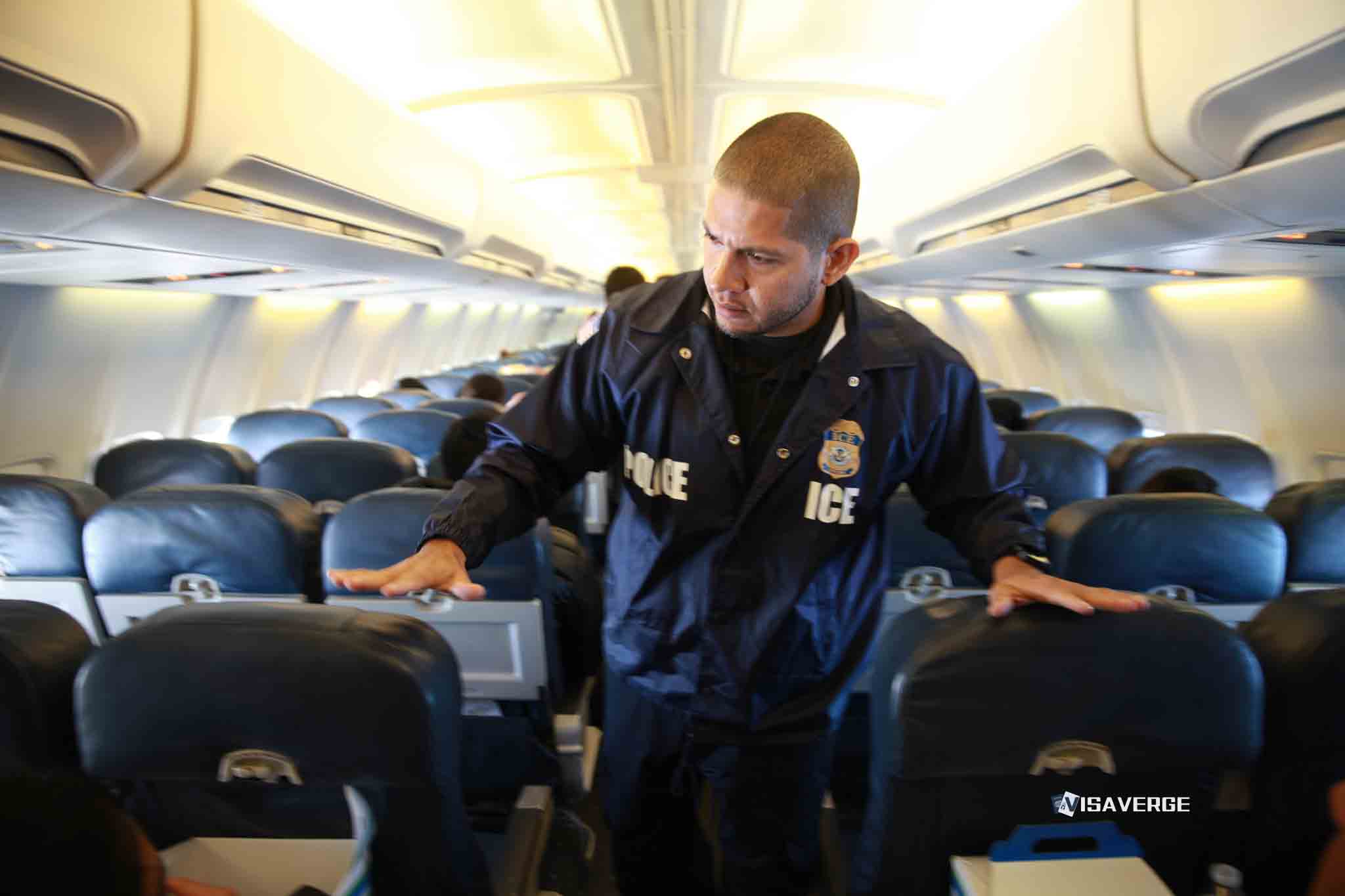
ICE has broader authority than many families once assumed. Places once viewed as safe zones, such as schools or hospitals, no longer provide the same sense of distance from enforcement.
That change has made immigrant communities more cautious in daily life. The shift does not mean every visitor or patient will face action. It does mean the old assumption of safety in those locations no longer holds.
Green card holders should not expect a place to block an immigration hold simply because it is a school, clinic, or hospital. That reality has changed how families respond to emergencies.
Parents, patients, and caregivers now think twice before assuming that a familiar public space protects them from enforcement.
What Filipino nationals should keep in mind in 2026
Filipino migration to the United States has a long history, from the period after the 1898 annexation of the Philippines to the limits imposed by the Tydings-McDuffie Act in 1934 and the wider access created by the 1965 Immigration and Nationality Act. Today, family reunification and employment-based paths remain central for Filipino green card holders.
That history helps explain why current enforcement changes feel so personal. Filipino families often depend on travel between the two countries for caregiving, weddings, funerals, and business. But repeated or extended stays in the Philippines can invite residency abandonment questions.
Filipino Ambassador Jose Manuel Romualdez warned in November 2024 that undocumented Filipinos without a legal path should consider voluntary repatriation. In early 2025, he said U.S. enforcement priorities were centered on people with criminal records or national security concerns.
Those comments were not directed solely at green card holders, but they shaped the community’s caution.
Steps that help protect permanent residence
Green card holders should treat their status as a continuing obligation, not a finished approval. The most effective protection starts with discipline and paper records.
- Keep immigration documents current. Renew cards and replace lost records on time.
- Track every trip abroad. Save boarding passes, travel dates, and return records.
- Limit long stays outside the United States. Long absences invite residency abandonment questions.
- Resolve legal problems quickly. DUI, drug cases, and traffic matters need immigration review.
- Use official government guidance. The USCIS official website provides current information on lawful permanent residence and related rules.
When a resident faces arrest, a court case, or a border inspection, the first issue is not only the criminal matter. It is whether that event threatens immigration status as well.
The human cost for Filipino families and workers
For many Filipino households, a green card holds the family together. It allows parents to work, children to study, and older relatives to remain near support networks. When deportation risk rises, the pressure spreads fast through the entire family.
The effect is also economic. Filipino green card holders are deeply present in healthcare and other essential jobs. If enforcement causes detention or removal, hospitals, elder-care facilities, and other employers feel the loss.
Staffing gaps do not stay private. They affect patients, coworkers, and local services. Family reunification is also under strain. Delays and legal fears stretch separation times for relatives waiting to join loved ones in the United States.
For many Filipino families, that means months or years of uncertainty over simple questions of home, travel, and belonging. Anyone with a green card should view criminal charges, long travel, and unresolved residency questions as matters that can move quickly from routine life into deportation proceedings.
The risk is real, and the safest record is one that shows stable U.S. residence, clean travel history, and fast response to any legal problem.