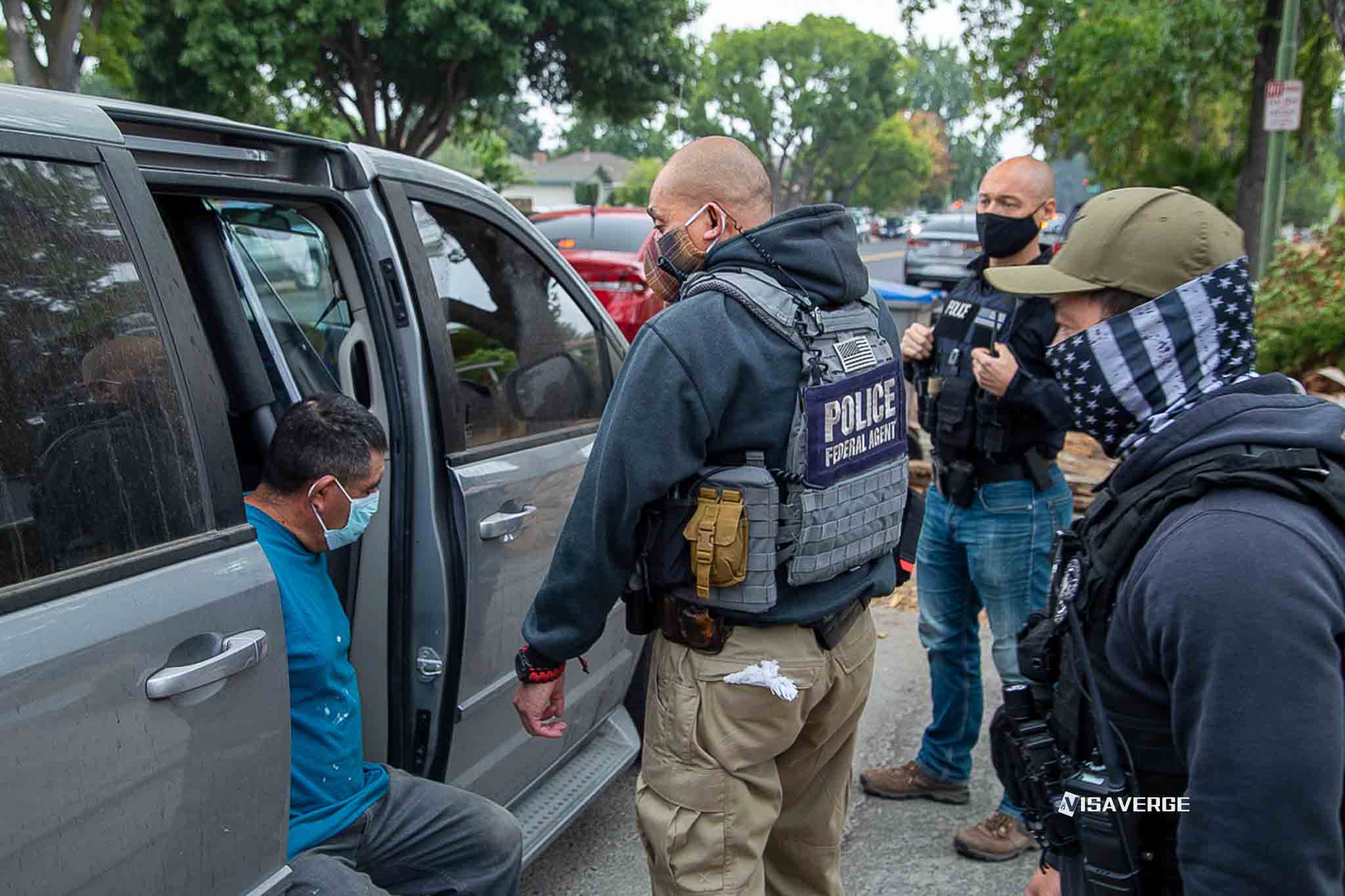
(SAN DIEGO, CALIFORNIA) On weekends that once echoed with brass bands, crowded dance floors, and long lines at church halls, many San Diego families are now quietly canceling or shrinking weddings, baptisms, and quinceañeras because of rising immigration enforcement. Community leaders say the shift has grown more visible over the past year as federal operations and the fear of deportation change how immigrant neighborhoods in San Diego ?? gather, celebrate, and even move through daily life.
Changing patterns of celebration and daily life

Residents describe a new pattern: parties postponed indefinitely, halls left empty, and major family moments marked in living rooms instead of rented venues. Parents who spent years saving for a daughter’s quinceañera are opting for small backyard meals with only close relatives, worried that a crowded event or public festival could draw attention from federal agents.
According to analysis by VisaVerge.com, similar reports have emerged across multiple border communities, but the effect is especially sharp in San Diego, where cross‑border family networks are central to social life.
Free toolUSCIS Receipt Number DecoderImpact on public festivals, churches, and schools
The impact is not limited to private parties. Community festivals tied to Mexican Independence Day and other cultural holidays, once key dates on neighborhood calendars, have been canceled or scaled down. Organizers say they can no longer promise that attendees will feel safe—especially people without legal status or with pending immigration cases.
- Some churches report fewer parishioners at weekend services.
- Religious leaders say families are openly weighing whether attending Mass or a community event is worth the risk.
The San Diego County Office of Education has taken on a quiet but important role. School officials:
- Explain what schools can and cannot share with federal authorities.
- Reassure parents that students are welcome regardless of status.
- Provide counselors and mental health support for children who express fear about parties, events, or a parent’s arrest.
Counselors note that some children fear a birthday party, church event, or school dance might lead to a parent’s arrest, and educators try to counter this with clear information and support.
Everyday precautions and new household rules
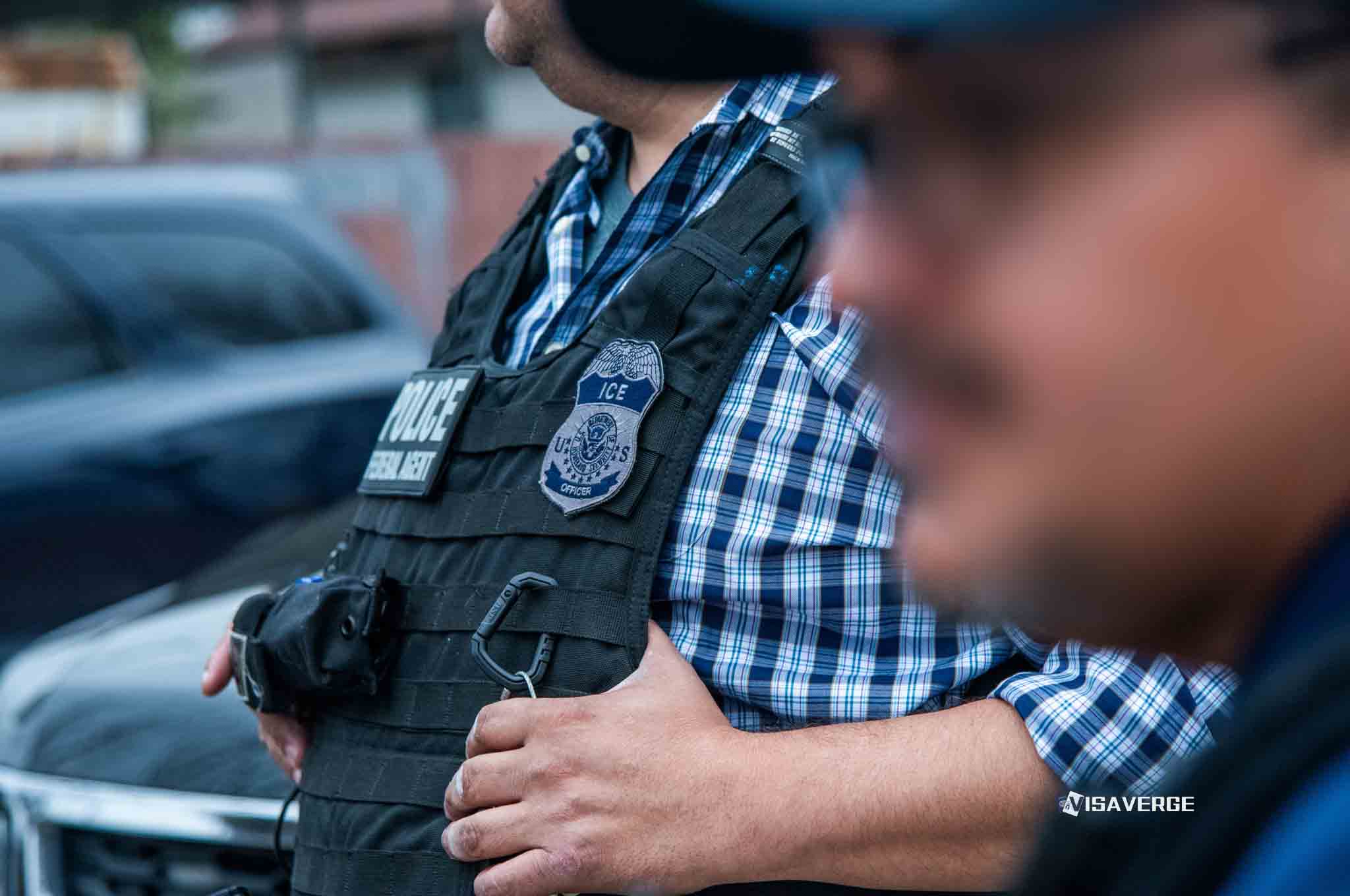
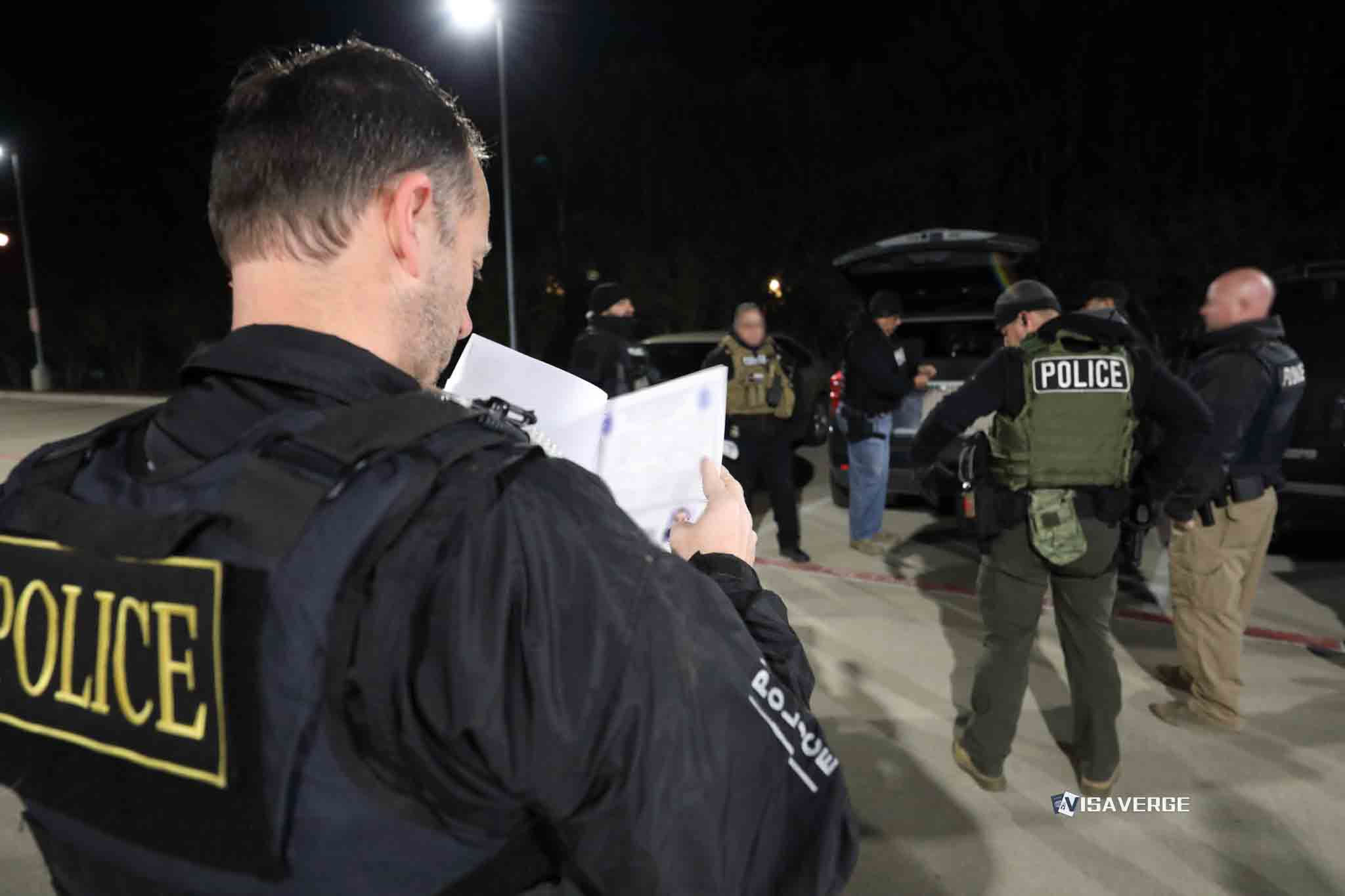
Behind these choices lies a mix of enforcement actions and memories of family separations that still haunt border communities. For mixed‑status families—where some members are U.S. citizens and others lack legal status—every large public event now carries the question of who might not make it home if there is a raid.
In conversations across central and South Bay neighborhoods, parents describe new rules:
- No unnecessary driving.
- No big gatherings.
- No events where they do not personally know most of the guests.
For San Diego celebrations, shift to small daytime gatherings with only close relatives. Keep guest lists tight, choose familiar venues, and have a simple backup plan in case raids occur nearby.
The emotional toll is evident. Community advocates say the constant threat of immigration enforcement has turned everyday decisions into sources of anxiety. Parents who once took pride in hosting large celebrations now feel guilt or fear at the idea of inviting loved ones.
How celebrations have changed
Even when celebrations move forward, they look different.
- Instead of hiring DJs and booking banquet halls, many families choose small daytime gatherings behind closed doors.
- Guest lists that once included dozens of cousins, coworkers, and neighbors are now cut to a tight circle of immediate family.
- Photographers and caterers report last‑minute cancellations as rumors of raids spread through group chats and social media.
The joy that usually surrounds quinceañeras and weddings often competes with whispered questions about who has legal status and what to do if agents appear.
Community and institutional responses
Community groups throughout San Diego have stepped in to support residents caught between tradition and safety. Examples of support include:
- Know‑your‑rights workshops
- Legal clinics
- Emergency planning sessions to:
- Create custody arrangements in case a parent is detained
- Gather key documents in one place
- Decide how to respond if officers come to a home or workplace
Utilize school and community resources: learn what information schools can share, and lean on counselors who offer support and know-your-rights guidance to ease fear among immigrant families.
Organizers say they would rather see families equipped and informed than isolated and fearful.
On the streets, activism has grown more visible. Local organizers have assembled volunteer networks to watch for immigration enforcement activity near known gathering spots and to share real‑time alerts through hotlines and messaging apps. These informal patrols:
- Do not interfere with officers
- Aim to give families time to avoid areas where operations may be underway
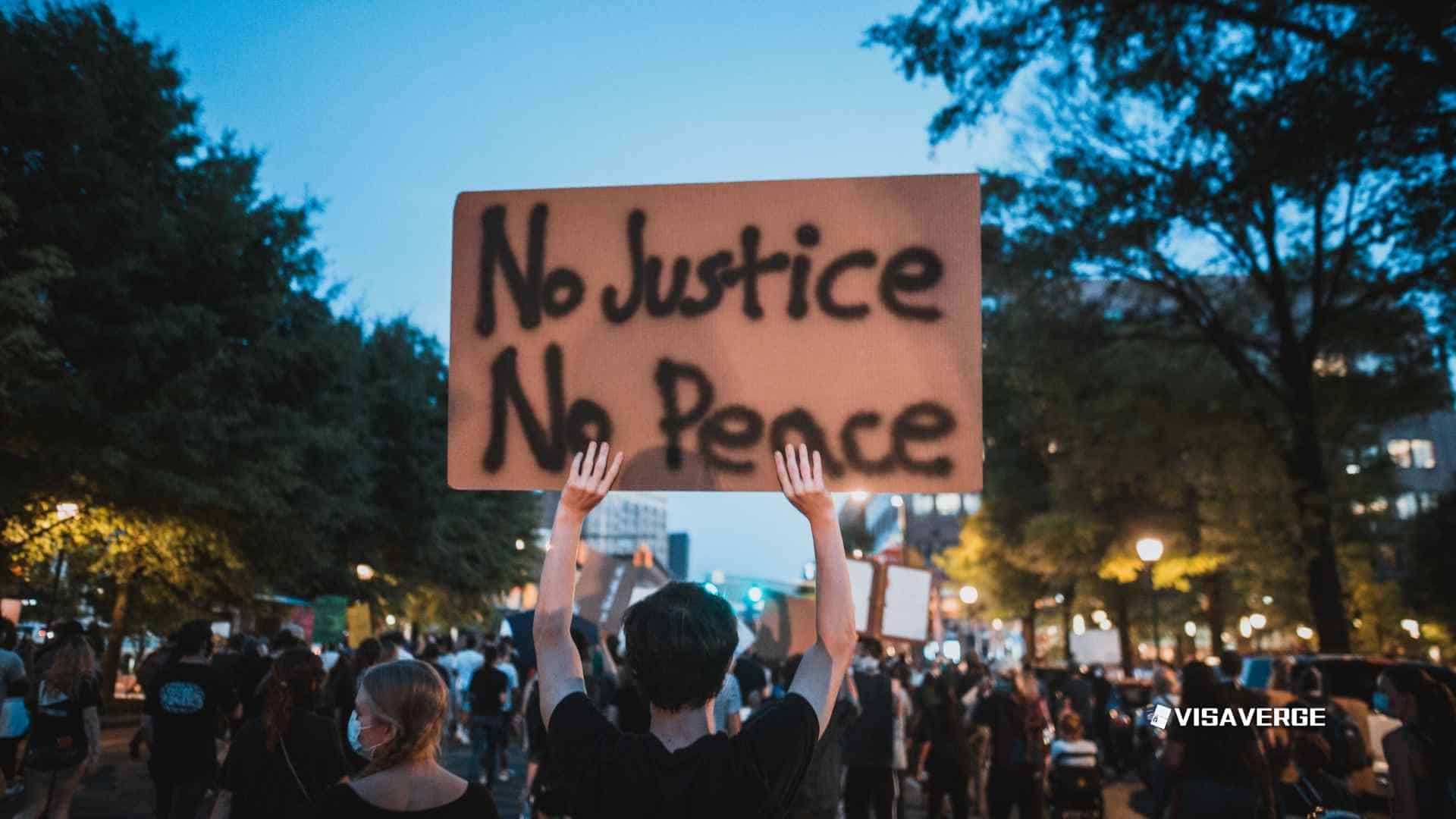
Protest marches in downtown San Diego and at federal buildings have carried banners denouncing large‑scale raids and calling for an end to aggressive tactics that, in the words of Mayor Todd Gloria, “undermine community trust and create fear.”
Local policies and political responses
City and county leaders have tried to draw a line between local services and federal operations. Building on California’s SB 54, the California Values Act, the San Diego County Board of Supervisors has backed policies to limit cooperation with ICE. These efforts aim to make clear that local law enforcement and county agencies will not act as extensions of federal immigration authorities except in specific, narrow cases.
- Supporters say this helps keep immigrant families in contact with police, schools, and health services.
- City officials argue that when families are too afraid to attend public meetings, visit clinics, or report crimes, everyone’s safety suffers.
Mayor Gloria has repeatedly criticized high‑profile raids and surprise operations in residential areas, stressing that all San Diegans, regardless of status, should be treated with respect and dignity.
Federal stance and the disconnect on the ground
Federal officials maintain that immigration enforcement remains a core part of national policy. The Department of Homeland Security describes its enforcement and removal work, including priorities and legal framework, on its official site at the U.S. Department of Homeland Security.
While those documents outline categories such as recent border crossers or people with certain criminal histories, families on the ground often struggle to match those abstract priorities with what they see in their own streets and workplaces.
Broader national ripple effects
Across the United States ??, similar stories echo from cities like Chicago and New Orleans, where immigrant neighborhoods report drops in business on weekends once filled with music and crowds.
- Restaurant owners and party‑supply shops describe fewer bookings and smaller orders.
- Economists warn this shift can ripple beyond immigrant communities, affecting local vendors, event planners, and musicians who depend on seasonal spikes around graduations, holidays, and cultural celebrations.
Legislators at both state and federal levels have responded with proposals to change how enforcement looks on the ground. Some bills seek greater transparency and accountability, including:
- Requirements for body cameras on immigration agents
- Clear rules on the use of force
- Limits on enforcement near sensitive places such as schools, churches, and hospitals
Advocates argue these steps could reduce fear at community events where many U.S. citizen children gather.
How families adapt: plans, precautions, and persistence
In San Diego’s immigrant corridors, policy language often feels far away from the daily choice to host a party or stay home. Families rarely cite statute numbers; instead, they recount stories heard from relatives or neighbors—someone detained while driving to a baby shower, or a cousin who skipped a quinceañera to avoid a checkpoint on the way.
Some families now design celebrations with contingency plans:
- Discuss where guests might safely leave if officers appear
- Decide how to protect children from panic
- Keep curtains closed and music low
- Ask guests not to post live videos that reveal an address or large gatherings
Create a simple emergency plan: designate where guests will go if needed, keep key documents in one folder, and remind attendees not to post live updates or reveal addresses on social media.
These steps, once unthinkable at joyful events, have become part of the planning checklist in parts of San Diego.
“The constant threat of immigration enforcement has turned everyday decisions into sources of anxiety,” community advocates say. Families still hold milestones, but the mental calculus behind each invitation and drive across town has changed.
Outlook and lasting concerns
Despite the fear, residents and advocates stress that community life has not disappeared. Smaller gatherings still take place, and some families decide milestones are too important to delay.
What has changed is the context: many worry that if current trends in immigration enforcement continue, a generation of children will grow up knowing more about canceled parties than about the full, open celebrations their parents once enjoyed.
In San Diego, increased federal immigration enforcement has led many immigrant families to cancel or downsize major celebrations like quinceañeras and weddings, fearing exposure and detention. Public festivals and church attendance have declined, affecting local businesses. Schools and community groups provide support through counseling, legal clinics, and know‑your‑rights workshops. Local officials and activists push policies to limit cooperation with federal agents and increase transparency, while families adopt precautions and contingency plans to protect children and relatives.