Key Takeaways
• Delhi High Court seeks Central government’s stance on Rahul Gandhi’s alleged British citizenship; next hearing set for January 13, 2025.
• Claims cite 2005-2006 UK corporate records listing Gandhi as a British national, potentially breaching Indian Constitution’s Article 9.
• Allahabad High Court directs government decision by December 19, 2024, on parallel petition alleging false disclosure during 2024 elections.
The Delhi High Court has recently sought an update from the Central government on a representation made by BJP leader Subramanian Swamy regarding Congress leader Rahul Gandhi’s citizenship status. This latest development sheds light on an ongoing controversy, raising questions about citizenship laws and their connection to Gandhi’s alleged British citizenship.
On February 19, 2025, a division bench of the Delhi High Court, led by Acting Chief Justice Vibhu Bakhru and Justice Tushar Rao Gedela, asked the Centre to clarify its position on this matter before further legal action is taken. Swamy claims that Gandhi “voluntarily disclosed” British citizenship in official documents, potentially breaching Article 9 of the Indian Constitution, which prohibits dual citizenship.
Claims of British Citizenship
Swamy’s petition, presented through advocate Satya Sabharwal, bases its claims on corporate records from Backops Limited, a company registered in the United Kingdom??. These documents, dated 2005 and 2006, allegedly show Gandhi listed as both a director and a British national. According to Swamy, this disclosure to British authorities suggests Gandhi might have voluntarily adopted British citizenship, which would disqualify him from retaining Indian citizenship.
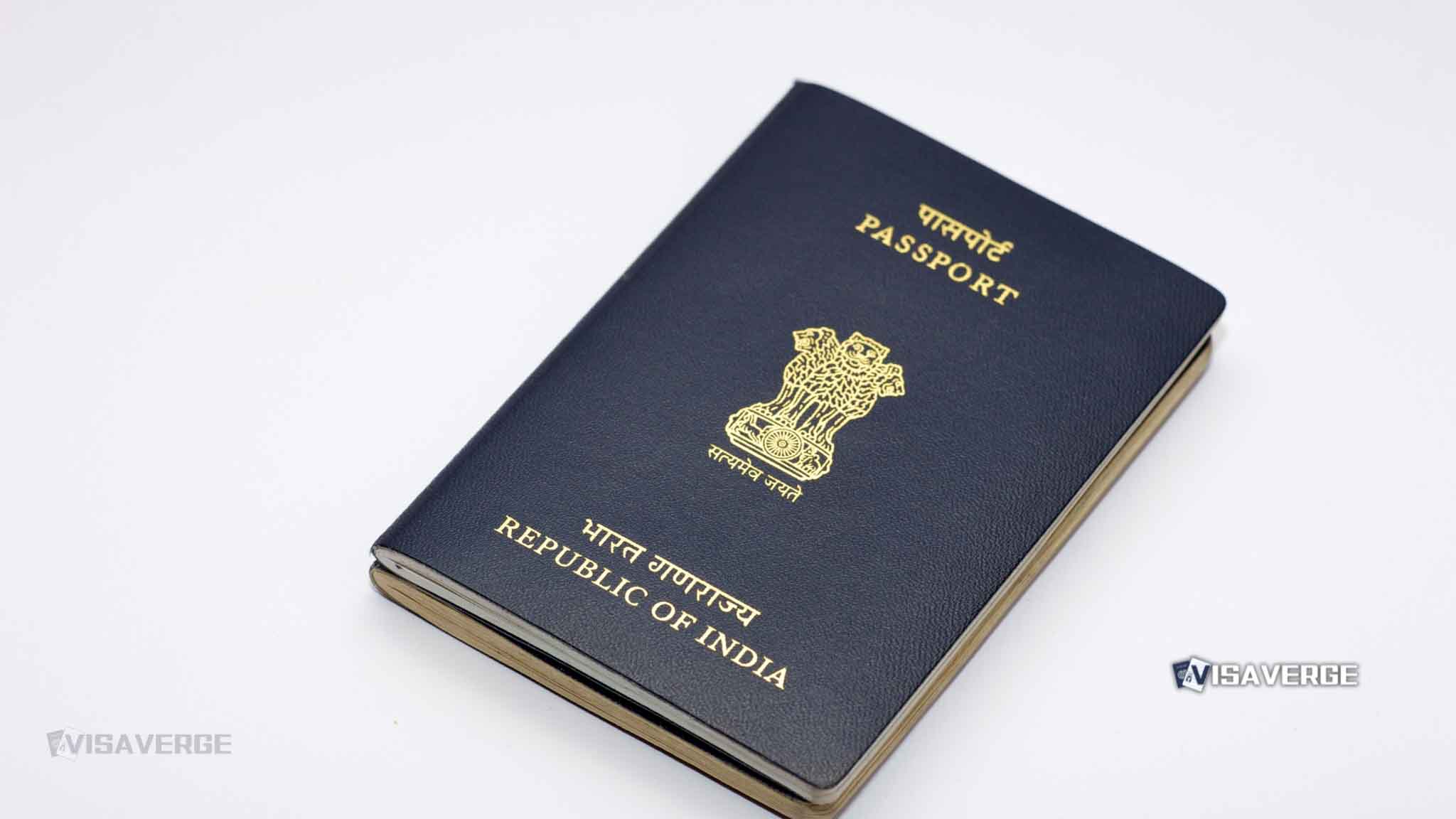
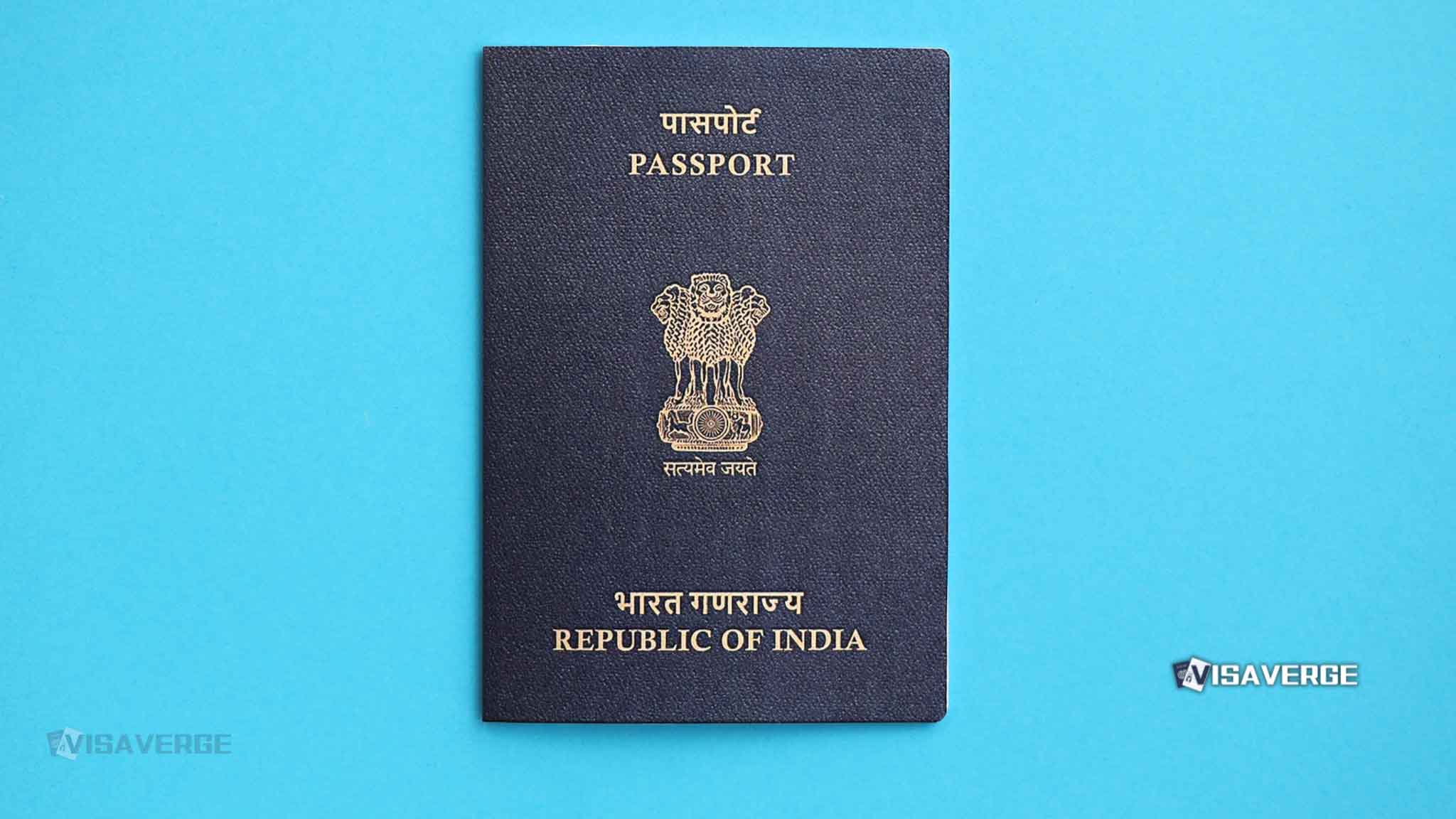
The issue, however, goes deeper. Indian law is unequivocal about the prohibition of dual citizenship. If an Indian citizen voluntarily acquires citizenship of another country, they automatically lose their Indian citizenship. This principle is at the heart of Swamy’s claims. Swamy has further stated he has made several representations to the Ministry of Home Affairs over the years, beginning on August 6, 2019. However, no official response has been received to date.
Government Representation and Court Proceedings
During the February hearing, the court was informed that the government’s previous lawyer on the case had been elevated to the status of a senior advocate. As a result, the Centre’s legal team requested more time to appoint a new representative. The court, acknowledging the situation, has postponed the hearing to January 13, 2025.
Parallel to this, Swamy voiced concerns over the government’s inaction. According to him, the lack of an official stance has resulted in delays, further complicating the matter. The Delhi High Court has instructed the government to provide clear instructions before the upcoming hearing, in an attempt to push the case forward.
Related Proceedings in Allahabad High Court
Interestingly, Gandhi’s citizenship status has also been challenged in separate proceedings. BJP member S. Vignesh Shishir filed a petition in the Allahabad High Court, calling for a Central Bureau of Investigation (CBI) probe into Gandhi’s citizenship. On November 28, 2024, the Allahabad High Court directed the Central government to decide on Shishir’s petition by December 19, 2024.
Shishir alleges that Gandhi withheld information about his supposed British citizenship while contesting elections earlier in 2024 from the Raebareli constituency in Uttar Pradesh??. His petition claims to have documentary evidence from the British government to support these allegations. If proven, these claims could have significant implications for Gandhi’s political eligibility, including his current and future parliamentary membership.
Swamy vs. Shishir: Parallel Cases
While Swamy and Shishir both focus on Rahul Gandhi’s alleged British citizenship, there are notable differences in their petitions. Swamy has framed his case around citizenship laws, seeking a determination on Gandhi’s status under the Constitution. By contrast, Shishir’s petition targets the criminal aspect, accusing Gandhi of concealing vital information when filing election nominations.
The varying focuses of these petitions have raised concerns about “parallel proceedings.” On November 6, 2024, Shishir’s lawyer brought up this issue in the Delhi High Court, asking the bench to consider the potential for conflicting outcomes. The court acknowledged the concerns but noted that Swamy’s case leaned toward constitutional interpretation, while Shishir’s sought criminal action.
Legal and Political Implications
The controversy touches on India’s firm legal stance against dual citizenship. While programs like the Overseas Citizenship of India (OCI) card allow certain rights to individuals of Indian origin living abroad, these cardholders are not considered full citizens. They cannot run for political office, vote, or hold constitutional positions such as President or Vice-President. The distinction is critical in this case because, under Indian law, retaining citizenship of another country while being an Indian citizen is viewed as a violation.
Rahul Gandhi’s case also has precedent in India’s legal system. In 2019, the Supreme Court dismissed a plea seeking to bar Gandhi from contesting elections over similar allegations. The court observed that while documents indicated British citizenship, they were not definitive proof that Gandhi had formally acquired it. Critics, however, argue that the lack of definitive action leaves room for ambiguity.
Broader Context and Next Steps
The allegations surrounding Gandhi’s citizenship serve as a test case for how Indian citizenship laws are implemented and how political controversies are addressed in courtrooms. With the next High Court hearing set for January 2025, the Centre’s response will be critical. It could either resolve the ambiguity around Gandhi’s status or escalate the situation further, potentially affecting both his political career and the broader interpretation of citizenship laws.
The case has, unsurprisingly, drawn significant public and political attention. The potential disqualification of Gandhi, a prominent opposition leader, has sparked debates about the political motivations behind such efforts. However, others see it as an essential step toward ensuring that citizenship laws are respected without exception, particularly by lawmakers.
Swamy has remained steadfast in his claims. During previous hearings, he argued that the documents, which list Gandhi as a British citizen, are irrefutable evidence of dual citizenship. He commented, “He cannot be a citizen of two countries; we have proved it through the documents where he claims to be a citizen of Britain as well as of India.”
Conclusion
The Delhi High Court’s request for clarity from the Central government marks a significant moment in the long-running debate over Rahul Gandhi’s citizenship. As January approaches, all eyes will be on the court’s proceedings and the government’s response to Swamy’s representation. Should the court decide in Swamy’s favor, the ruling may set a precedent for how citizenship disputes are handled under Indian law.
Beyond this, the broader issue of dual citizenship—and the accusations against public officials—will remain a critical topic. For now, the legal community and public alike await the Centre’s response, which could shape the next phase of this contentious matter. As reported by VisaVerge.com, the citizenship controversy surrounding Gandhi reveals the complexities of applying India’s strict citizenship laws to high-profile political figures.
For further details on Indian citizenship laws, visit the Ministry of Home Affairs’ official citizenship page.
Learn Today
Dual Citizenship → Owning citizenship of two different countries simultaneously, which is prohibited under Indian law.
Article 9 → A provision in the Indian Constitution disallowing Indian citizenship to individuals voluntarily acquiring another country’s citizenship.
Overseas Citizenship of India (OCI) → A status allowing certain rights to foreign nationals of Indian origin but not equivalent to full Indian citizenship.
Constitutional Interpretation → The process of interpreting provisions of the Constitution to resolve legal or political disputes, often by courts.
Election Nominations → Official documents filed by candidates to run for elections, requiring accurate disclosure of personal and legal details.
This Article in a Nutshell
The Delhi High Court has sought clarity from the Centre on BJP leader Subramanian Swamy’s claims about Rahul Gandhi’s alleged British citizenship. With Indian law prohibiting dual citizenship, this case underscores legal intricacies and potential political implications. January’s hearing could redefine Gandhi’s future, sparking debates about accountability and constitutional adherence.
— By VisaVerge.com
Read more:
• Delhi Police Crack Down on Illegal Immigration and Fake Aadhar Racket
• Delhi High Court Rejects Tan France Visa Plea
• Indian Woman Dies on Flight from Melbourne to Delhi
• Biometric Immigration E-Gates Launch at Delhi Airport
• Delhi Man Linked to International Fake Immigration Racket Arrested