Key Takeaways
- The Delhi High Court declined to direct MHA on Tan France’s delayed visa, highlighting biases in India’s visa system.
- LGBTQ+ advocates argue the case shows discrimination, despite India’s 2018 decriminalization of homosexuality under Section 377.
- The case emphasizes global calls for India’s visa policy reform to ensure non-discrimination for LGBTQ+ travelers.
The recent decision by the Delhi High Court has drawn attention to some important issues surrounding visa processing for LGBTQ+ individuals in India ??. The court declined to issue a directive to the Ministry of Home Affairs (MHA) regarding the delay in processing the tourist visa application of Tan France, a well-known LGBTQ+ figure. This case raises questions about the potential biases and challenges within Indian visa processing systems.
Tan France, known widely as a fashion expert on Netflix’s “Queer Eye,” is a British-American designer and television personality. Born to Pakistani parents in England, France has been a notable advocate for LGBTQ+ rights, breaking barriers as one of the first openly gay Muslim men on Western television. Over the years, his influence has grown, not only through his television work but also via his memoir, “Naturally Tan,” where he discusses personal experiences with racism and cultural identity.
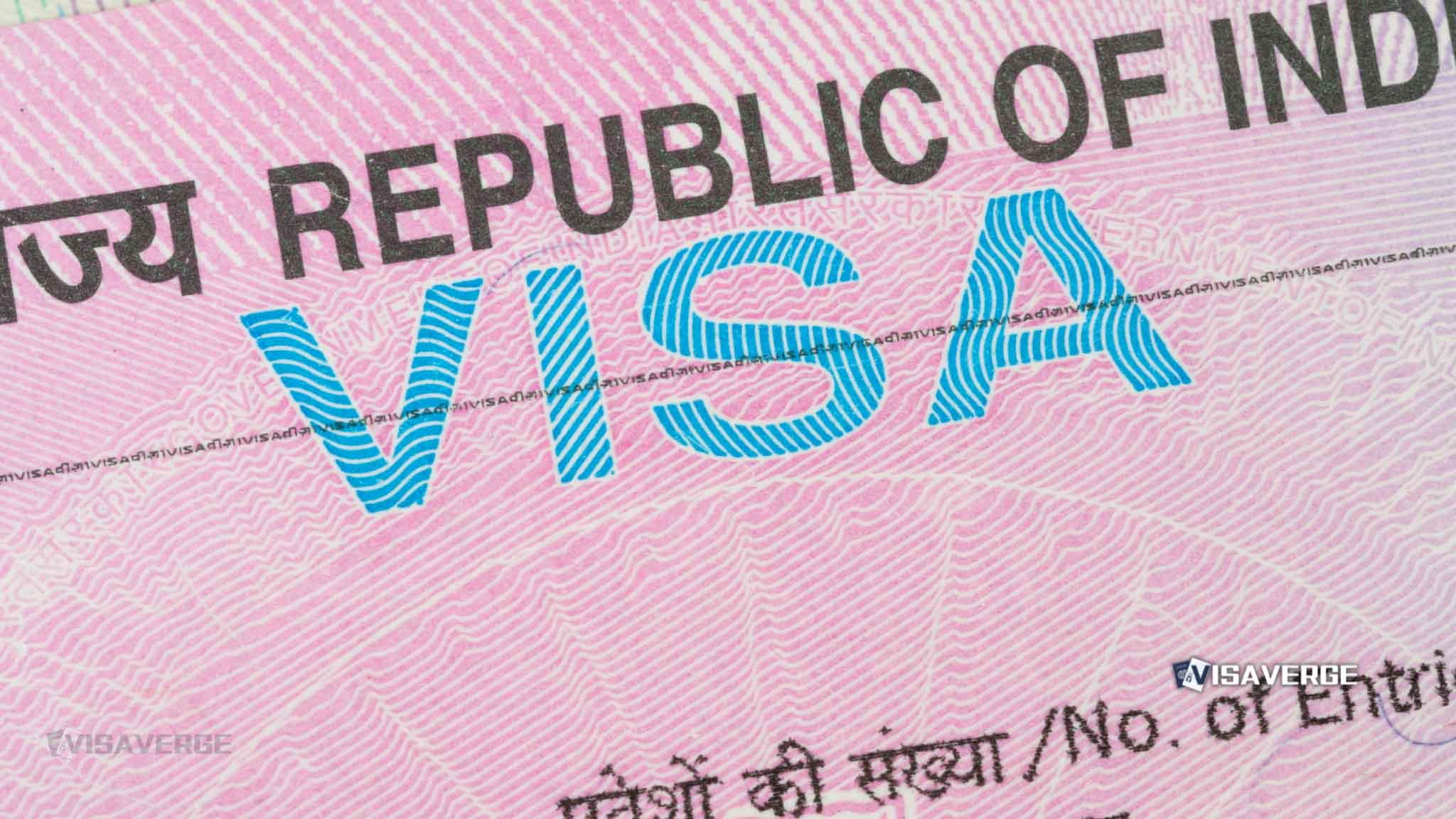
France’s visa troubles in India began when he faced delays in obtaining a tourist visa. He approached the Delhi High Court, emphasizing that these delays might be linked to his identity as a queer figure. His legal representatives argued that systemic weaknesses in India’s visa framework could disproportionately impact LGBTQ+ individuals. Despite these arguments, the Delhi High Court ruled that visa issues generally lie within the administrative duties of the MHA, invoking judicial interference only if mala fide intentions or procedural misuse are evident.
The court’s action highlights the persistent challenges LGBTQ+ individuals encounter when traveling to India. Although India decriminalized homosexuality under Section 377 of the Indian Penal Code in 2018, the societal prejudice toward LGBTQ+ communities can still be a barrier. The present situation with Tan France suggests potential discrimination or inconsistencies in visa processing that current laws may not fully address.
India’s visa system, like many worldwide, has seen increased strains, particularly after the pandemic. Visa applications surged beyond pre-pandemic levels in early 2024, stretching the capabilities of existing processes. Countries such as the United States have responded to similar challenges by expanding visa appointment availability. However, India struggles with the rising demand. Though delays affect all travelers, they can be particularly daunting for marginalized groups, including LGBTQ+ individuals, escalating fears of discrimination when seeking entry to India.
In contrast, several other countries have established clear anti-discrimination policies in their immigration processes, offering protection for applicants irrespective of sexual orientation or gender identity. Many European nations, for example, have better streamlined procedures for LGBTQ+ individuals, particularly those seeking asylum or residence due to threats of persecution.
The global fallout from the Tan France situation underscores the need for India to consider adopting more inclusive measures aligned with international human rights practices. LGBTQ+ rights organizations and numerous legal experts express disappointment over the court’s decision. They call for policy reform, maintaining that while the legal system’s approach in France’s case is technically sound, it fails to recognize broader societal implications for marginalized groups.
This development could be pivotal. Advocacy groups are likely to increase their pressure on the Indian government to incorporate explicit anti-discrimination provisions within visa processes. The need for a global approach to standardize immigration policies concerning LGBTQ+ travelers is rising, particularly as travel rates rebound post-pandemic. It is vital that everyone, regardless of their identity, can move freely without experiencing unfair practices.
Public reactions to the court’s decision have been mixed. Many LGBTQ+ rights advocates have vocalized their concerns over the refusal to address what is perceived as systemic discrimination. Though Tan France has not extensively commented on the decision, he is likely to continue using his influence to advance discussions on equality and diversity.
In summarizing the impact of this case, it’s essential to recognize it as both a challenge and an opportunity for change. By addressing these issues, India can show a stronger commitment to inclusion and human rights on a global stage. Engaging in international dialogue and reform can help set a precedent for fair treatment of all travelers, ensuring unbiased access to global movement.
For individuals navigating similar issues, seeking expert legal advice can be instrumental in understanding specific rights and potential recourse. For further official information regarding Indian visa processes, readers can refer to the Government of India’s official visa page.
As reported by VisaVerge.com, the outcome of Tan France’s case highlights the need for stronger advocacy and policy improvement in visa processes. While the current legal landscape may pose challenges, it also opens pathways for advocacy and reform, ensuring a more equitable future.
Learn Today
Visa Processing: Procedures and administrative steps needed to review and approve an individual’s application for entry into a country.
LGBTQ+ Rights: Legal protections and equal opportunities for lesbian, gay, bisexual, transgender, queer, and other minority sexual or gender identities.
Systemic Weaknesses: Fundamental issues within a system that prevent it from functioning effectively or equitably for all individuals.
Judicial Interference: The involvement of courts in administrative matters, usually when there is evidence of bias or procedural errors.
Anti-Discrimination Policies: Regulations designed to prevent unfair treatment based on characteristics such as race, gender, or sexual orientation.
This Article in a Nutshell
India’s recent visa dispute involving Tan France underscores urgent calls for reform. The Delhi High Court’s stance on LGBTQ+ visa processing delays highlights systemic deficiencies. Advocacy groups push for anti-discrimination policies. Addressing these biases could enhance India’s global human rights reputation, ensuring fair access for all travelers, regardless of identity.
— By VisaVerge.com
Read more:
• Tragic Incident: Indian Woman Dies on Flight from Melbourne to Delhi
• Biometric Immigration E-Gates Launched at Delhi Airport
• Delhi Man Arrested in Connection with International Fake Immigration Racket
• Digi Yatra Expansion: Delhi Airport’s Solution to Biometric System Security Breaches
• Enforcement Directorate Raids Uncover Illegal Immigration Racket in Gujarat and Delhi