Key Takeaways
- India plans to implement biometric-based immigration systems in 2024 to enhance border security and efficiency.
- Successful implementation requires robust data protection laws and infrastructure, addressing privacy and security concerns.
- Biometric systems aim to boost tourism by streamlining entry processes, though initial setup costs are significant.
India ?? is set to start testing biometric-based immigration systems next year, marking a big change in how the country manages its borders. This move is influenced by advancements in technology and the need for better security and efficiency at entry points.
Technological Factors
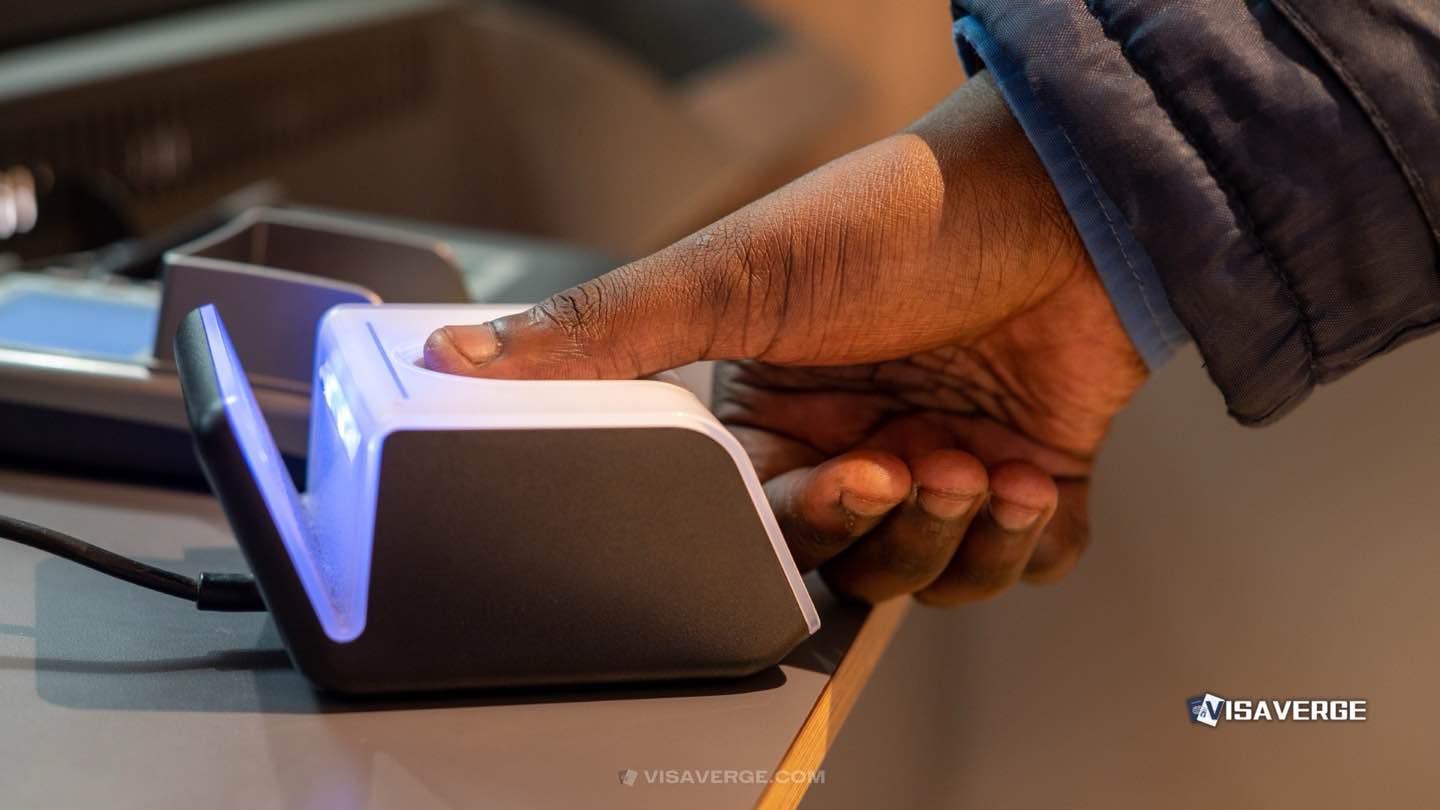
Biometric systems use fingerprints, facial recognition, and iris scans to verify people’s identities. These systems help speed up immigration by reducing wait times and making identity checks more accurate. One example is the Digi Yatra initiative, which aims to provide a smooth travel experience by using biometric data to check identities quickly. This can make traveling less of a hassle while also improving security checks.
Regulatory and Infrastructure Considerations
For biometric systems to work well, strong rules are needed to protect people’s personal information. India has had some challenges with its Aadhaar biometric ID program, mainly about how data is kept safe from misuse. This shows the need for strict laws to ensure personal data is handled carefully.
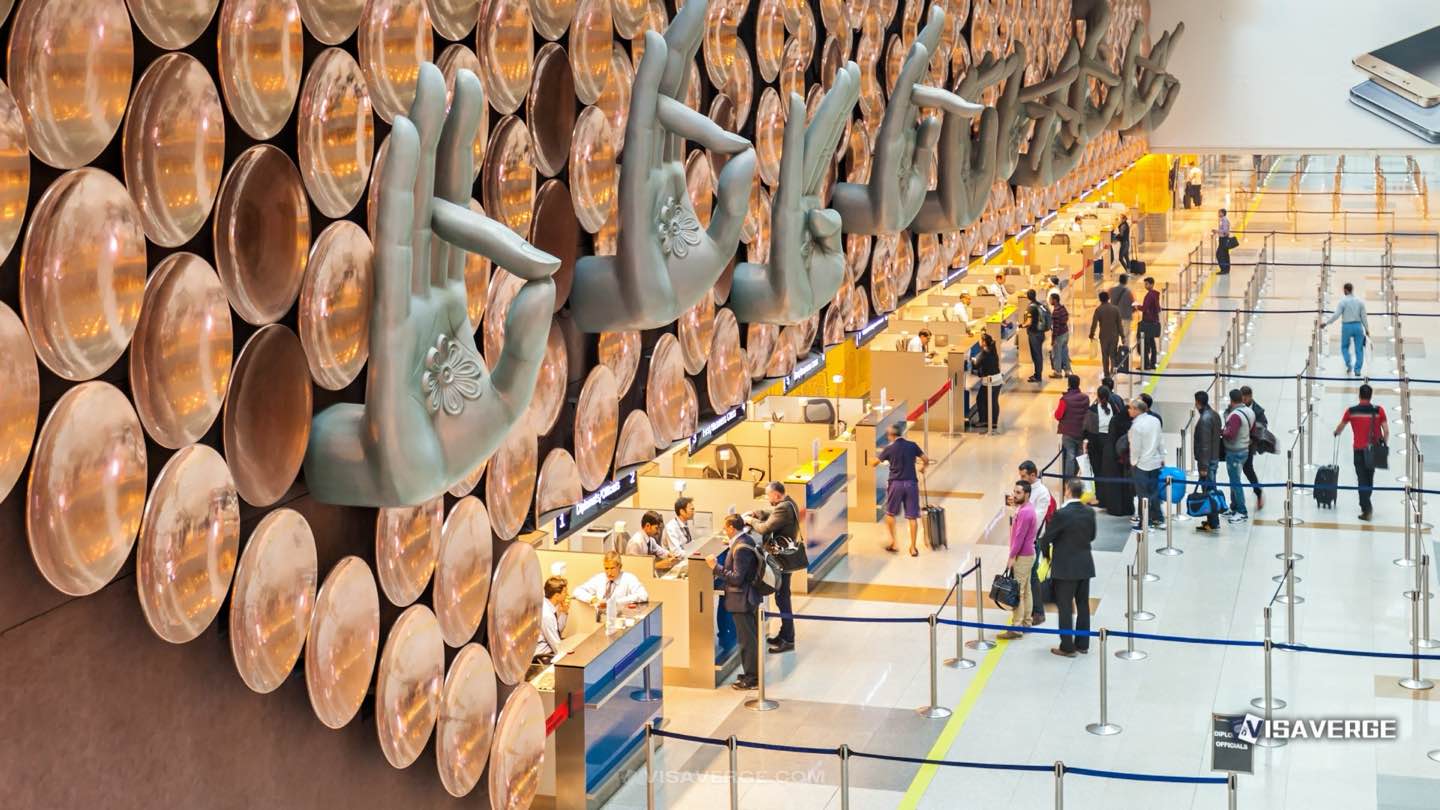
Setting up the biometric systems also involves practical challenges. Airports need to have special kiosks where people can register their biometric information. Major airports like Delhi, Mumbai, and Bengaluru are likely to be the first to see these changes. These are important steps to make sure that the new systems work smoothly with existing immigration processes.
Operational and Economic Impacts
For immigration officials, biometric systems can improve operations by reducing the need for manual checks. This means they can manage resources better and travelers can enjoy a faster experience at airports. However, getting these systems up and running requires a big initial investment in technology and new setups.
From an economic viewpoint, quicker processing can increase tourism by making the travel experience more convenient. Better security measures can also help by reducing illegal immigration and preventing fraud, which can save money in the long run.
Societal Dimensions
For people traveling, biometric systems mean a faster move through airport security. But there are concerns about how this information is stored and used. Transparent measures need to be in place to assure travelers that their data is safe.
Immigration staff may benefit from less manual work but will need training to use the new technology. On the national security side, accurate identity checks can help in tracking movements better, adding an extra layer of security.
Global Context and Lessons Learned
Many countries around the world, like the United States ?? and the United Kingdom ??, have implemented similar biometric systems with varying success. Key lessons from these efforts include the need for strong data protection laws and raising public awareness to address concerns about privacy.
As reported by VisaVerge.com, India’s move fits a global trend towards digital solutions in public service. However, it’s crucial to address ethical issues concerning privacy and potential discrimination. For more detailed information, readers can explore resources from the Ministry of Home Affairs, India.
In conclusion, India’s move to test biometric-based immigration systems is a step towards modernizing its entry processes. The success of this initiative depends on finding the right balance between efficient processing and protecting people’s personal data. Addressing privacy worries will be key to making sure that travelers feel secure about how their information is managed.
Learn Today
Biometric Systems: Technology using physical characteristics like fingerprints and facial recognition to identify individuals for security purposes.
Aadhaar: India’s biometric ID program, using digital identification systems to improve national identity verification processes and services.
Digi Yatra: Initiative aimed at providing seamless airport travel by utilizing biometric data for quick and efficient identity verification.
Privacy Concerns: Issues related to the protection and misuse of individuals’ personal data within technological systems and infrastructures.
Data Protection Laws: Legal frameworks intended to safeguard personal information from unauthorized access, ensuring privacy rights for individuals.
This Article in a Nutshell
India’s upcoming biometric immigration system promises efficiency and bolstered security. Leveraging fingerprints, facial recognition, and iris scans, travelers can expect swifter, safer passage. Yet, the initiative hinges on robust privacy safeguards to protect personal data. As global travel evolves, India’s balanced approach could set an international precedent, marrying convenience with security.
— By VisaVerge.com
Read more:
• US Opens 250,000 Visa Appointments for Indian Travelers
• Australia Offers 1000 Work and Holiday Visas to Indians
• Riya Barde Arrested for Fake Indian Passport Fraud
• Urgent Visa Slots at Indian Visa Centres in Bangladesh
• India’s Brain Drain: Causes, Trends, and Future Outlook