Key Takeaways
- West Oso ISD issued a letter on February 6, 2025, outlining ICE protocols and safeguarding students in school settings.
- ICE agents must present valid IDs and legal warrants before acting on school grounds, per outlined district procedures.
- Other districts in Coastal Bend lack formal policies as of February 10, 2025, but may adopt similar measures soon.
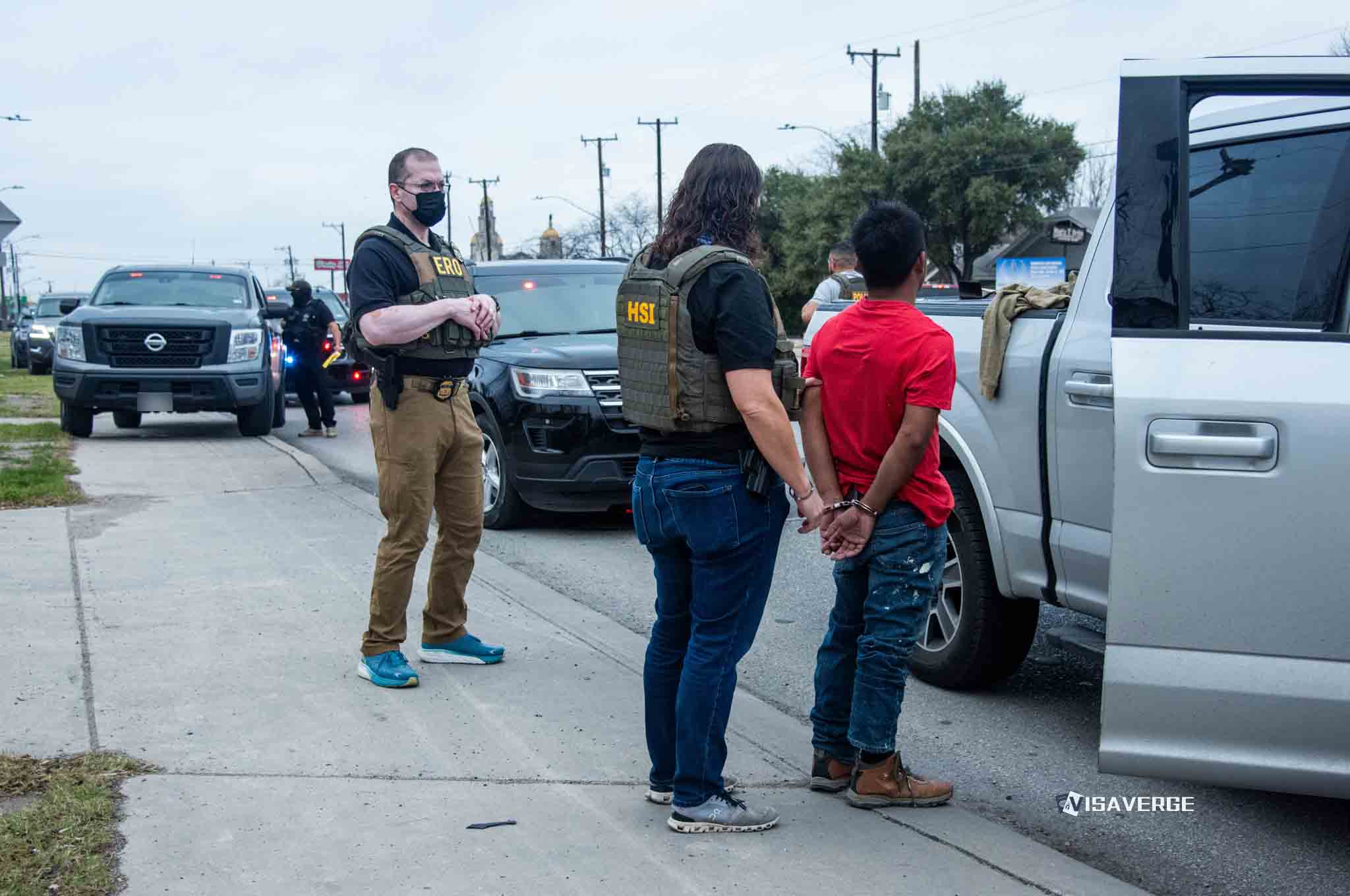
Recent updates in federal immigration enforcement have triggered growing concerns in the Coastal Bend region of Texas ??, particularly among families with school-aged children. Schools in the area have found themselves at the forefront of addressing these challenges, with West Oso Independent School District (ISD) taking a proactive approach to protect its students and inform the community. The district’s efforts underscore the urgency created by heightened immigration enforcement actions and the need for schools to serve as safe havens for students amidst uncertainty.
West Oso ISD’s Leading Role

On February 6, 2025, West Oso ISD issued a letter detailing Immigration and Customs Enforcement (ICE) protocols and the limits of their authority within school premises. The letter seeks to address heightened anxiety among families who fear potential ICE activity at schools, churches, and hospitals. Superintendent Kimberly Moore described this initiative as essential to supporting the community, saying, “You can’t turn a blind eye to what’s going on.” She emphasized the emotional and mental toll these circumstances have on children and families, making it clear the district would take every step to ensure students’ safety.
The letter reassures families by outlining specific conditions ICE agents must meet before acting on school grounds. For instance, the letter states that ICE officers must present valid identification and properly notify parents if a legal warrant is issued. In explaining the district’s approach, Moore remarked, “We wanted to reassure our families that we are prioritizing their safety. In a family, you take care of each other.” This mindset, which she referred to as part of the “West Oso family,” reflects a commitment to not only students but also the wider community.
The urgent need for these measures is already apparent in classrooms. Rick Martinez, a West Oso resident, shared his son’s reaction to his classmates’ absences, saying, “Yesterday, I picked up my son and he said, ‘Yeah, a lot of kids are gone. They’re not there anymore.’” Such accounts highlight the growing impact of ICE activities on community life, with children witnessing the disruption firsthand. Superintendent Moore warned of lasting psychological harm, pointing out, “There’s a lot of potential trauma that can happen.” These observations underline the critical role schools play in addressing emotional well-being alongside educational responsibilities.
Regional Responses
While West Oso ISD has taken bold steps, the broader response among other school districts in Coastal Bend remains varied. As of February 10, 2025, KRIS 6 News noted that many schools in the area had not yet developed formal policies but were carefully observing the situation as it evolved. This mixed approach indicates that some districts may eventually adopt measures similar to those of West Oso. However, their current silence may also reflect internal deliberations or a lack of clarity in how to proceed.
| India | China | ROW | |
|---|---|---|---|
| EB-1 | Feb 01, 2023 | Aug 01, 2023 ▲31d | Current |
| EB-2 | Nov 01, 2013 | Oct 01, 2021 | Apr 01, 2025 ▲90d |
| EB-3 | Jan 22, 2014 ▲21d | Jan 22, 2022 ▲14d | Jun 15, 2024 ▲31d |
| F-1 | Jan 22, 2021 ▲366d | Jan 22, 2021 ▲366d | Jan 22, 2021 ▲366d |
| F-2A | Oct 22, 2026 ▲30d | Oct 22, 2026 ▲30d | Oct 22, 2026 ▲30d |
The federal government’s recent changes have raised additional challenges for these schools. Previously, ICE agents generally avoided locations like schools, hospitals, and religious institutions. However, altered policy enforcement now permits actions in these traditionally off-limits spaces, creating new uncertainties. This shift has forced districts to explore their legal standing and develop clear processes that balance fidelity to the law with their duty to provide safe learning environments.
One of the most pressing aspects of school responses lies in their ability to communicate effectively with families. Community trust is essential, particularly when discussing sensitive matters such as immigration. This is why West Oso ISD’s transparent and detailed letter might serve as a template for other districts. In fact, statewide recommendations advise schools to consult legal experts to ensure their protocols align with current laws.
Best Practices for Schools Preparing for ICE Activity
Although there is little detailed information about specific policies other Coastal Bend schools may use, the response from Region 1 schools offers instructive guidelines. Preparing for possible ICE enforcement includes several core elements:
- Clear Communication with Parents: Schools must create straightforward, accessible channels to keep families informed about their rights and any policy updates affecting their children’s schooling.
-
Establishing Procedures for Staff: This includes detailing how to handle ICE agents entering school grounds, determining how to verify their documents, and ensuring that legal safeguards for students are upheld.
-
Training Staff: Educators and administrators need sufficient guidance on how to follow protocols while also offering compassionate support to affected students.
-
Counseling Services: Schools should provide counseling to address stress and anxiety among children who may feel the brunt of immigration-related fears.
-
Community Workshops: Collaborating with legal providers or local organizations can strengthen outreach efforts, enabling parents to understand and prepare for potential scenarios.
West Oso ISD seems to exemplify these principles, creating an actionable framework that other schools may replicate as regional policies develop further.
The Role of the Coastal Bend Detention Center
The presence of ICE’s Coastal Bend Detention Center, located near Robstown, Texas ??, puts the area at the heart of immigration enforcement activity. The facility operates between the hours of 8 a.m. and 5 p.m., and its stated aim includes providing detainees with accommodations for disabilities. Although these details are tangential to school preparations, the detention center’s proximity has heightened tensions. It serves as a reminder of the enforcement infrastructure that drives fear among local communities.
The detention center is one of many factors contributing to the unease that educators, students, and parents experience. Schools, as spaces of learning and safety, are now adjusting to a reality where that safety feels fragile—a sobering shift from long-held assumptions about educational institutions being protected spaces.
Community Impact and Moving Forward
As reported by VisaVerge.com, the trauma associated with immigration enforcement activity doesn’t just affect students but ripples across families and communities. The Coastal Bend area is home to a diverse population, many of whom maintain close ties with loved ones at risk for detention or deportation. These connections foster a shared sense of vulnerability but also solidarity, as communities navigate the implications of enforcement policies.
West Oso ISD’s efforts have set a standard for community-focused leadership. By transparently engaging families and prioritizing mental well-being, the district demonstrates its understanding of a school’s role as more than just a place for academic learning—it is a pillar of support for everyone it serves. However, the responsibility doesn’t fall solely on schools. State and federal governments must ensure guidelines are clear, fair, and transparent, allowing educators to focus on their primary mission: educating and nurturing young minds.
Conclusion
As Coastal Bend schools face the challenges posed by evolving immigration enforcement policies, the actions of West Oso ISD stand out as a leading example. With its clear communication, proactive planning, and dedication to the emotional well-being of students, the district has shown how schools can protect their communities in times of uncertainty. While other schools in the region remain in varying stages of response, the need for comprehensive strategies is clear. The stakes are high—not just for students’ safety, but for their mental health, their ability to succeed academically, and their right to a stable learning environment. By following the blueprint laid out by West Oso ISD, districts across Coastal Bend can ensure they are well-prepared to support families and meet this crucial moment with strength and compassion.
For official details on ICE policies and their procedures, visit the U.S. Immigration and Customs Enforcement website.
Learn Today
Immigration and Customs Enforcement (ICE) → U.S. government agency enforcing immigration laws, including detention and removal of individuals without legal authorization.
Warrant → Legal document authorizing law enforcement to take specific actions, such as searching property or arresting individuals.
Trauma → Emotional and psychological harm resulting from distressing or life-altering experiences, often affecting mental health and behavior.
Protocol → Established procedures or guidelines that dictate how specific situations or activities should be conducted or managed.
Detention Center → Designated facility where individuals awaiting trial or deportation, particularly for immigration violations, are held in custody.
This Article in a Nutshell
Facing fears of heightened immigration enforcement, West Oso ISD, Texas, leads boldly by prioritizing student safety. Transparent policies reassure families, detailing ICE’s limited authority on school grounds. Amid growing uncertainties, their proactive approach highlights schools’ vital role as safe havens, blending legal compliance with compassion to protect children’s stability and emotional well-being.
— By VisaVerge.com
Read more:
• ICE Arrests at Fairmont Gardens Raise Fear Among Immigrant Families
• Trump Immigration Shift Stirs Fear, Keeps Families From Schools, Hospitals
• ICE Arrests Migrants Without Criminal Records, Leaving Families in Fear
• Fake Emails to North Carolina Families Stir Fear of ICE Raids
• Trump’s Crackdown: Haryana Families Fear for Illegal Migrants in US