(CHARLOTTE) The Hispanic Heritage Festival of the Carolinas has been canceled for 2025, with organizers citing immigration concerns and fears of ICE deportation actions as the deciding factors. The announcement came in mid‑August 2025, just weeks before the festival was set to take place at Truist Field in uptown Charlotte, ending months of preparation for one of the city’s most visible cultural gatherings.
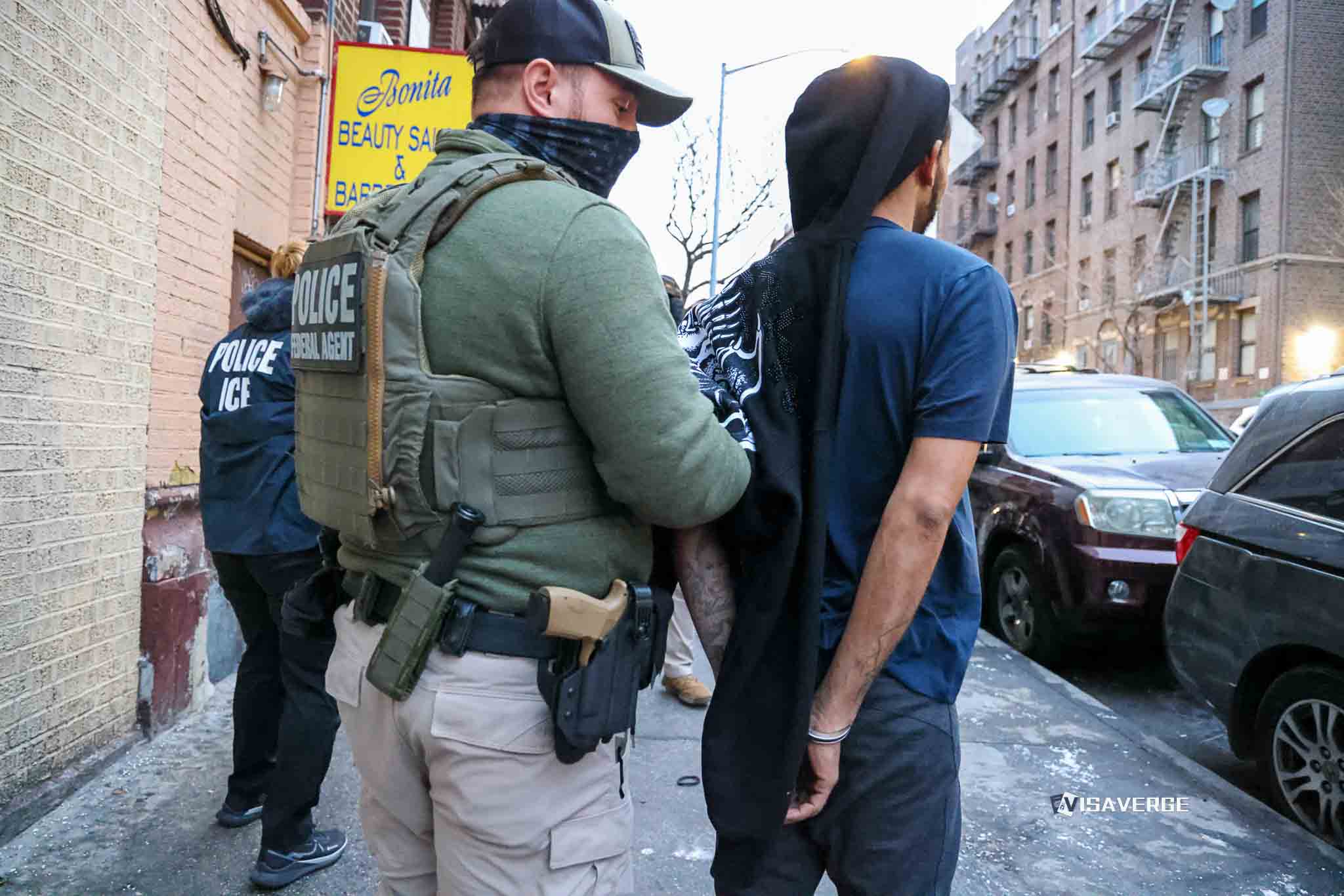
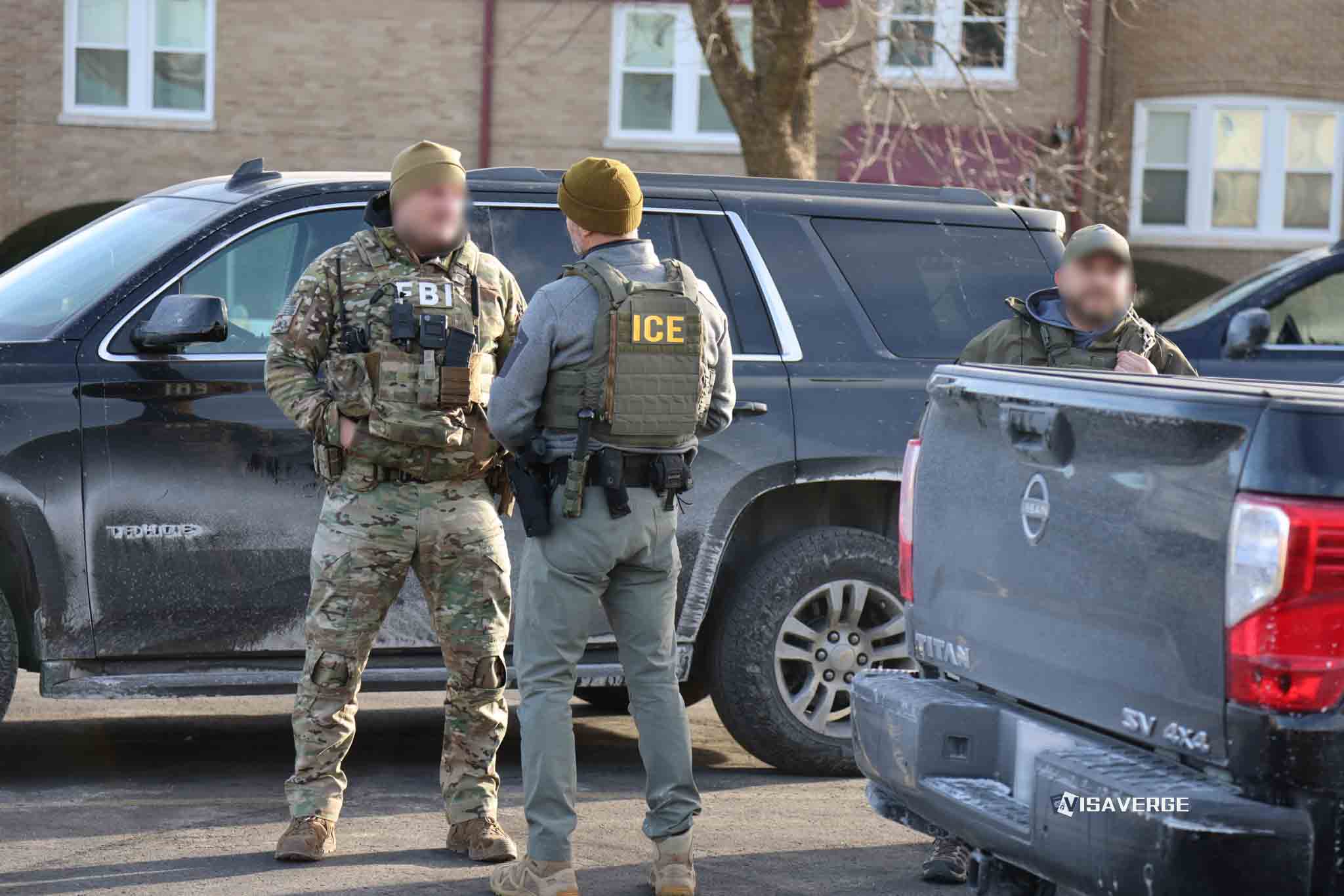
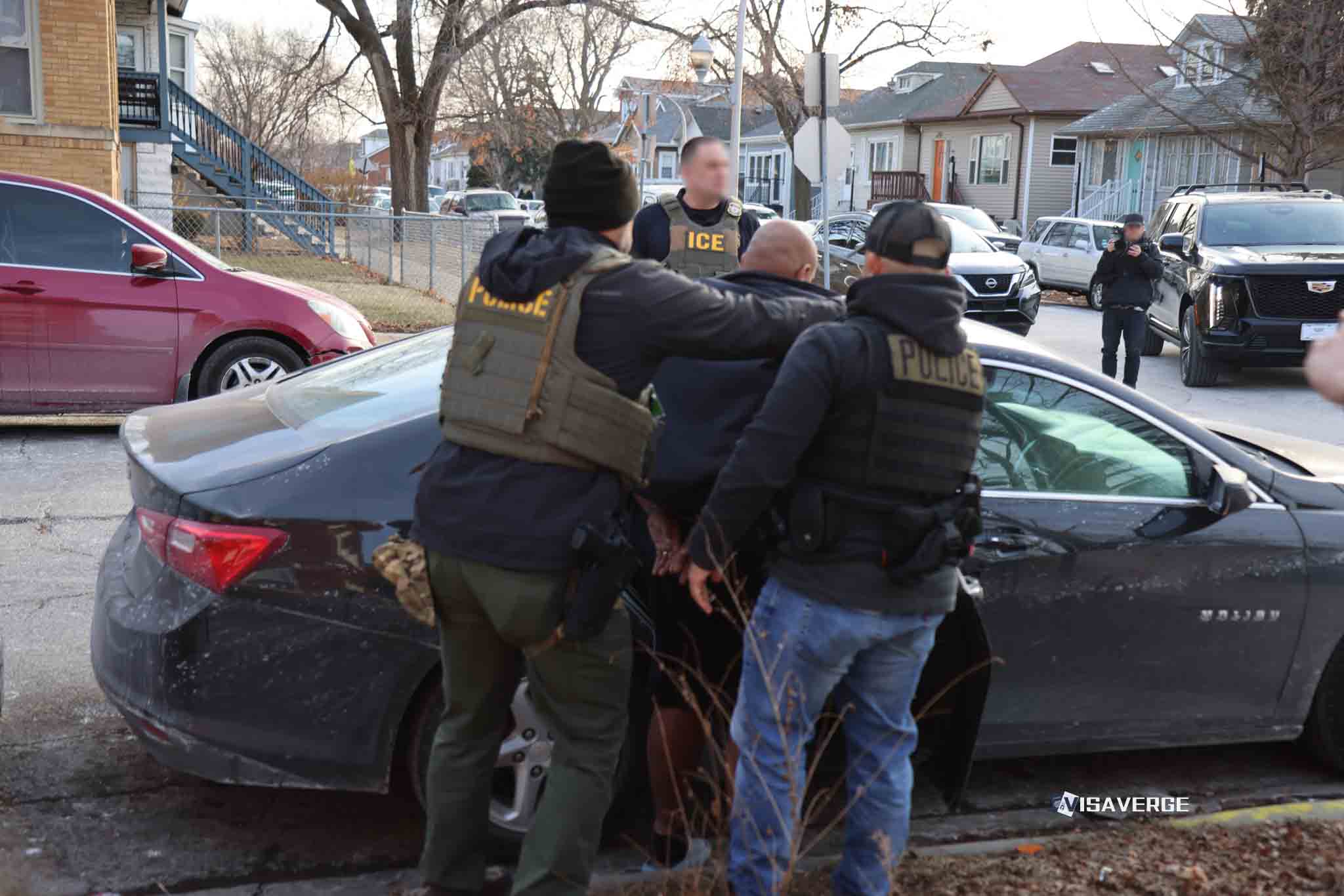
Organizers said they reached the decision after meeting with community leaders and listening to families who worried about possible immigration enforcement at large public events. They pointed to “ongoing immigration concerns and heightened fears,” adding that a growing number of potential attendees had decided to stay home rather than risk public exposure. While the organizers did not detail any specific enforcement threats tied to this event, they said the climate of fear itself made it unsafe to proceed.

The group behind the Hispanic Heritage Festival stressed that community safety guided every step. They said they assessed recent enforcement trends and weighed whether families—especially those with mixed‑status members—would feel comfortable entering a crowded venue. In the end, they concluded that canceling was the most responsible option even though it would disappoint thousands and hurt local vendors who count on the festival’s foot traffic.
Free toolUSCIS Receipt Number DecoderLocal advocacy groups expressed sharp disappointment. They described the festival as a trusted space where Charlotte’s Hispanic community comes together to celebrate culture, music, food, and achievements. For many, the festival had become a tradition that allowed children to share heritage with grandparents, neighbors, and classmates in a joyful setting. Advocates said the cancellation shows how immigration fears now shape everyday choices far beyond courthouses or workplaces.
City officials, reacting to the decision, called for stronger assurances from federal authorities to help prevent similar cancellations. Several officials highlighted the festival’s place in Charlotte’s cultural calendar and noted its role in bringing residents together across neighborhoods and languages. They said the city will continue to support events that lift up immigrant communities while pressing for clarity that could reduce anxiety around public gatherings.
Community Reaction and Economic Fallout
Families and individuals who once filled the stands at Truist Field now say they avoid large public spaces because they fear ICE presence or surveillance. Organizers reported fewer RSVPs and sponsor inquiries compared with prior years, matching what they described as declining participation in 2024.
According to analysis by VisaVerge.com, fear of enforcement often leads people to skip big public events, a pattern that tracks with what Charlotte’s organizers have seen heading into late summer 2025.
Small businesses and food vendors, who plan months in advance to cover inventory, staffing, and permits, now face real losses. For some, the Hispanic Heritage Festival weekend brings in a large share of yearly revenue, helping them get through slower months. Without the festival crowds, vendors said they will struggle to sell prepared goods and may cut staff hours.
- Economic ripple effects include:
- Nearby restaurants losing foot traffic
- Rideshare drivers missing surge demand
- Craft sellers and performers losing income
- Nonprofits missing outreach opportunities
Performers and community groups also lose an important stage. Dance troupes and musicians who spend weeks rehearsing will have to wait for another chance to perform for a large audience. Nonprofits that use the festival to share information about health services, schools, and legal aid lose a once‑a‑year opportunity to meet families in person.
Parents who hoped to introduce their children to regional foods and traditions at Truist Field are postponing those plans or looking for smaller gatherings.
People with questions about immigration enforcement have begun reaching out to local organizations for guidance. Advocates stress that everyone should know their rights at public events and when interacting with any law enforcement agency. They also encourage families to keep documents in a safe place and stay in touch with trusted community groups. While emotions are running high, legal service providers say calm planning helps reduce stress and confusion.
Key immediate actions recommended by advocates:
– Contact local legal advocacy groups for accurate, private guidance on your situation.
– Follow the festival’s official channels and the City of Charlotte’s events page for updates.
– Vendors should communicate with organizers about refund options, alternate events, and rescheduling.
– Families can consider smaller, local cultural activities while organizers explore safer formats.
– Keep important phone numbers handy, including trusted attorneys and community hotlines.
Policy Context and Next Steps
Immigration policy experts say the cancellation reflects broader national trends where fear of enforcement limits civic participation. Community leaders warn that backing out of public life can deepen isolation and reduce trust between immigrant neighborhoods and authorities.
Some law enforcement officials have said ICE does not set out to target cultural events; still, many residents remain unconvinced because of past incidents and the lasting stress those memories carry.
For official information on federal enforcement guidance near “protected areas,” readers can review the Department of Homeland Security’s public materials here: https://www.dhs.gov/guidelines-enforcement-actions-or-near-protected-areas. That page describes how DHS approaches enforcement actions in or near certain locations. Community advocates note that, whatever the policy says, fear can still discourage attendance when people do not feel safe in large crowds.
Looking ahead, organizers are weighing alternative formats for future celebrations, including:
- Virtual events to allow participation without physical exposure.
- Smaller, dispersed gatherings in neighborhood settings that may feel safer for families.
- Clearer, earlier communication about safety measures and enforcement expectations.
Advocacy groups are also seeking public commitments from local and federal officials to keep cultural events open and welcoming to all residents, regardless of status. Discussions include how to share clear, timely information before major events so families have enough confidence to attend.
Broader Impact and Community Outlook
The Hispanic Heritage Festival has long served as a highlight of Charlotte’s fall calendar, drawing wide participation from across the Carolinas. In earlier years, crowds were strong and the mood celebratory. But rising anxiety tied to immigration enforcement, and reports of high‑profile operations in North Carolina in recent years, have shifted the atmosphere.
Organizers say attendance dipped in 2024 and sponsor interest softened as families voiced caution about being seen in large public spaces. This year’s decision to cancel marks a painful turning point for a festival built on unity and pride.
- Community concerns include:
- Older residents seeing the cancellation as a step back from public celebration.
- Younger residents receiving a message that public spaces may not feel safe, with lasting effects even after policy changes.
- The possibility that caution spreads to school functions, parades, and other events once considered welcoming.
Residents looking for updates can check the festival’s official channels and the City of Charlotte’s events page. For legal guidance or support, local organizations such as the Latin American Coalition (Charlotte), Charlotte Center for Legal Advocacy, and the North Carolina Justice Center stand ready to help families make informed choices about attendance and safety.
Community groups say they will keep working to rebuild trust around public events while asking elected leaders to address the fears that led to the cancellation.
The organizers’ decision, announced only weeks before the planned return to Truist Field, underlines how policy and perception shape daily life for immigrants in the United States ??. As Charlotte weighs options for future festivals, the community conversation is turning toward practical steps that reduce risk, clear communication from officials about event safety, and lasting policy reforms that allow families to celebrate in public without fear.
This Article in a Nutshell
Charlotte’s Hispanic Heritage Festival canceled for 2025 amid immigration fears. Organizers cited mid‑August 2025 decision after declining attendance since 2024. Vendors, performers and families lose critical income, exposure, and celebration. Organizers explore virtual events, smaller neighborhood gatherings, and demand clearer federal assurances to restore community trust and safety.