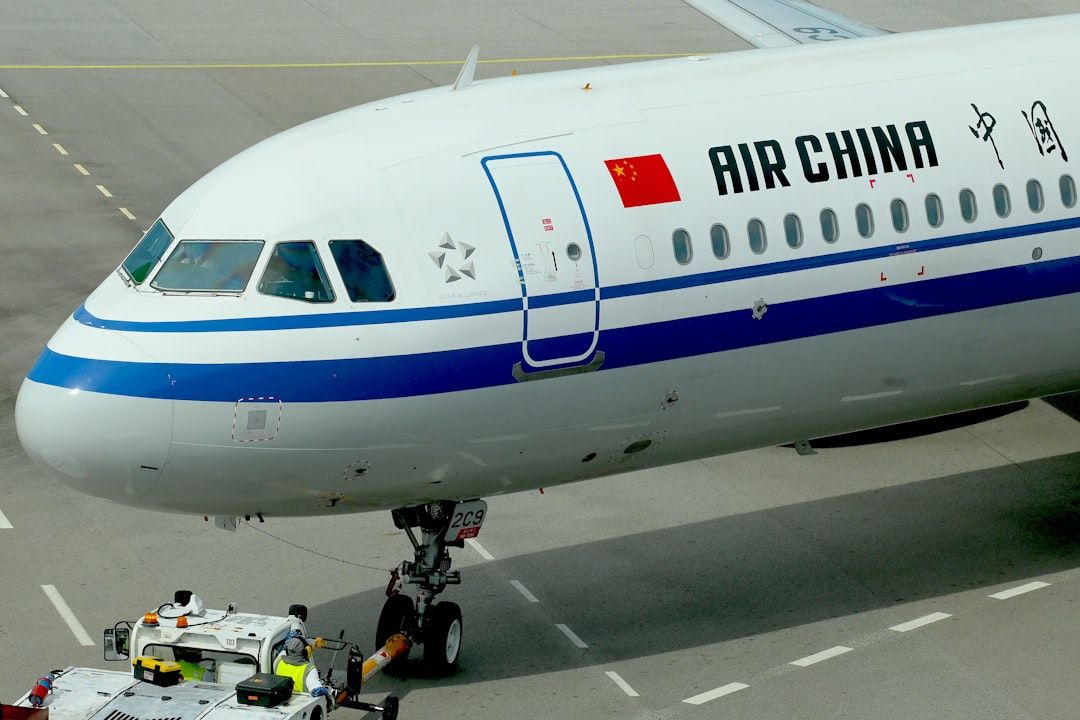
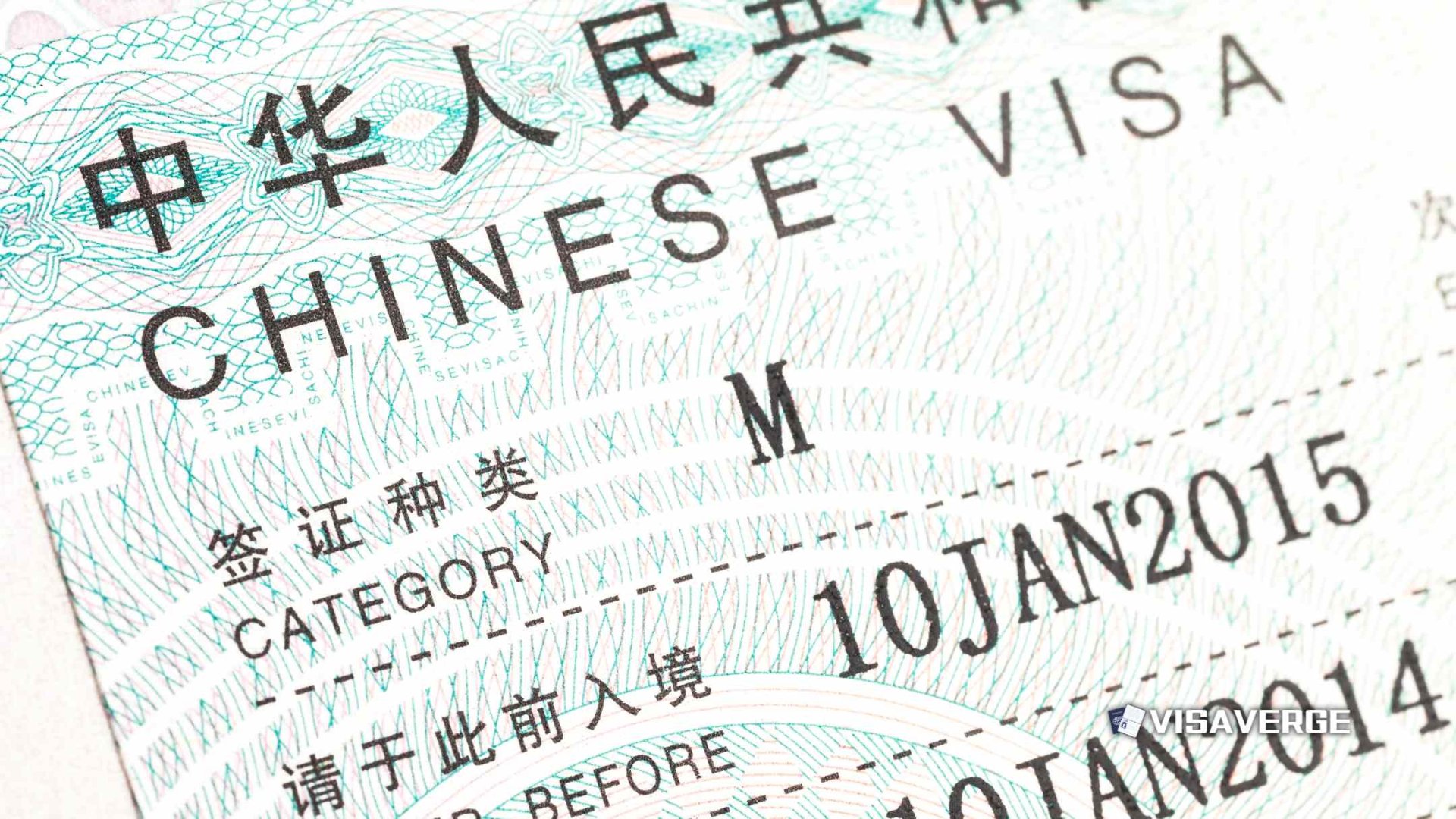
Brazil’s visa-free entry for holders of ordinary Chinese passports took effect on May 11, 2026, formalizing the reciprocal travel arrangement between the two countries. The temporary waiver runs through December 31, 2026 and covers short stays of up to 30 days per visit for tourism, business, transit, family visits, cultural events, exchanges, and certain short-term technical activities.
- The policy applies to holders of ordinary Chinese passports and was published in Brazil’s Official Gazette through an inter-ministerial ordinance.
- Permitted travel includes tourism, business meetings and conferences, airport transit, family visits, cultural events, exchanges, and non-remunerated artistic or sporting activities.
- Each entry is limited to 30 days, with a cumulative cap of 90 days within any 12-month period.
- The waiver is a reciprocal response to China’s visa-free policy for Brazilian ordinary passport holders, which began on June 1, 2025 and was extended through December 31, 2026.
New Horizons in Sino-Brazilian Relations: A Step Towards Simplified Visa Processes
In an era where diplomatic ties can bolster economic prosperity, China and Brazil are paving the way for a brighter future with their latest collaboration. The recent visit of Chinese Foreign Minister Wang Yi to Brasília has produced a mutual visa deal that promises to rejuvenate interactions to levels observed before the global health crisis.
Free toolUSCIS Receipt Number Decoder
The Beginning of a Strategic Year
Wang Yi’s first trip of the year traditionally would include stops in Africa, but this time Brazil and Jamaica were added, highlighting their significance in China’s foreign policy. During his visit to Brasília, Wang and Brazilian Foreign Minister Mauro Vieira agreed to reignite coordination mechanisms in various sectors.
“China has always given priority to its relations with Brazil in its overall diplomacy and its diplomacy with Latin America … and hope to strengthen coordination of the developmental strategies and extend cooperation in new areas,” Wang stated.
This commitment marked the first Foreign Ministerial-Level Comprehensive Strategic Dialogue since 2019, indicating a significant revitalization of the Sino-Brazilian strategic partnership.
Enhanced Visa Convenience
With the objective to encourage travel, business, and tourism, the Brazil-China visa deal will result in visas that are valid for up to a decade, in comparison with the current five-year maximum. The agreement will:
- Streamline visa application processes
- Make it more convenient for both businesses and tourists to plan long-term interactions
- Expedite the establishment of a new Brazilian consulate in Chengdu
President Lula’s Vision with China
President Luiz Inacio Lula da Silva and his adviser Celso Amorim have outlined the nation’s intent to deepen trade ties, lure more Chinese investments, and discuss the implications of the conflict in Ukraine. China, as Brazil’s largest commerce partner, acquires essential commodities such as iron ore, soybeans, and oil, while expanding collaborative ventures in renewable energy, 5G technology, and the automobile industry.
The consensus reached during Lula’s meeting with Chinese President Xi Jinping in Beijing just this April reflects the booming partnership. Together, the two have inked numerous trade agreements and have maintained a united front in international affairs, particularly following the Ukraine conflict’s outbreak roughly two years ago and the crises in the Israel-Gaza situation.
“We look forward to seeing China supporting Brazil in hosting multilateral conferences … and joining hands [with China] to improve global governance and raise the collective strength and international discourse power of developing countries,” said Lula.
Bilateral Growth and Global Impact
As members of the influential BRICS group, which anticipates growing from five to nine members this year, China and Brazil are in a strategic position to respond to global challenges. The interactions between Wang and Vieira signify a restored high-level coordination mechanism, which is a testament to the increased emphasis China places on South America.
According to Niu Haibin, the director of the Institute for Foreign Policy Studies at the Shanghai Institutes for International Studies:
“As the BRICS countries are playing an increasingly important role on issues of globalisation, security, economic governance, and climate change, coordination between China and Brazil is very important.”
While there is consensus that aspects such as Brazilian protectionism and tariffs could see improvement, these have not posed major obstacles in strengthening the burgeoning relationship.
Looking Ahead
The Brazil-China visa deal and the reinforced Sino-Brazilian strategic partnership are not just pivotal for the two nations but also set a precedent for global partnerships in emerging markets. As both countries maneuver through a transformative era, their unity and collaboration are essential to shaping a world where economic governance, security, and sustainability are paramount.
For those interested in detailed information on visa application processes, it is advised to consult the official consular resources of China and Brazil to stay updated on the latest requirements and procedures.
China Consulate
Brazil Ministry of Foreign Affairs
As we usher in this new chapter of international relations, one can anticipate a surge in exchanges, tourism, and business opportunities that will further solidify the bonds between these two powerhouse nations.
So there you have it, folks! The Sino-Brazilian visa deal is a game-changer in boosting travel, business, and tourism between these dynamic nations. With visas now valid for up to a decade, it’s never been easier to explore the lands of samba and tea ceremonies. And if you want to dive deeper into the world of visas and discover more fascinating insights, head over to visaverge.com. Trust me, you won’t be disappointed!
This Article in a Nutshell:
China and Brazil have agreed to simplify visa processes, allowing visas to be valid for up to ten years instead of five. The deal aims to boost travel, business, and tourism between the two countries and expedite the establishment of a Brazilian consulate in Chengdu. This partnership sets a precedent for global collaborations in emerging markets.