Key Takeaways
- The Biden administration reinstated a pivotal immigration program for nationals of Cuba, Haiti, Nicaragua, and Venezuela after fraud suspension.
- Enhanced vetting measures address fraud concerns, with rigorous sponsor screening and cross-referencing to ensure application integrity.
- Program facilitated legal entry for 520,000 individuals, significantly decreasing illegal crossings while sparking debate on its broader impact.
The Biden administration has reinitiated a pivotal immigration program, targeting nationals of Cuba ??, Haiti ??, Nicaragua ??, and Venezuela ?? (CHNV), after a temporary suspension had been enforced due to fraud alarms. This program stands as a keystone of the current administration’s immigration policy, offering these nationals the chance to apply for legal entry and temporary work permits in the United States. With the reinstatement, U.S. officials have introduced enhanced vetting procedures for U.S.-based sponsors, directly addressing the fraud concerns that previously led to its suspension.
This initiative is aimed at fortifying the integrity of the application process while ensuring the program continues to provide safe, legal migration pathways and effectively reduces irregular border crossings. Central to the reinstatement are the enhanced vetting measures, under the oversight of the Department of Homeland Security (DHS). These measures include rigorous screening, such as detailed scrutiny of sponsors’ financial capabilities and verification of their identities and addresses. Moreover, sponsors’ information is now cross-referenced across various databases to detect any indications of fraud, with stricter limits imposed on the number of beneficiaries each sponsor can support.

Since its launch in January 2023, the CHNV program has had a profound impact. Over 520,000 individuals from these countries have availed themselves of this legal pathway to enter the United States. The program facilitates the legal entry of up to 30,000 individuals per month. This controlled approach has also notably decreased arrests for illegal border crossings from these nations. For instance, Cuban nationals experienced a significant drop in arrests—from over 42,000 in November 2022 to only 5,065 in the first half of 2023. Similarly, Haitian nationals saw arrests tumble from nearly 18,000 in September 2021 to just 304 over the same six months.
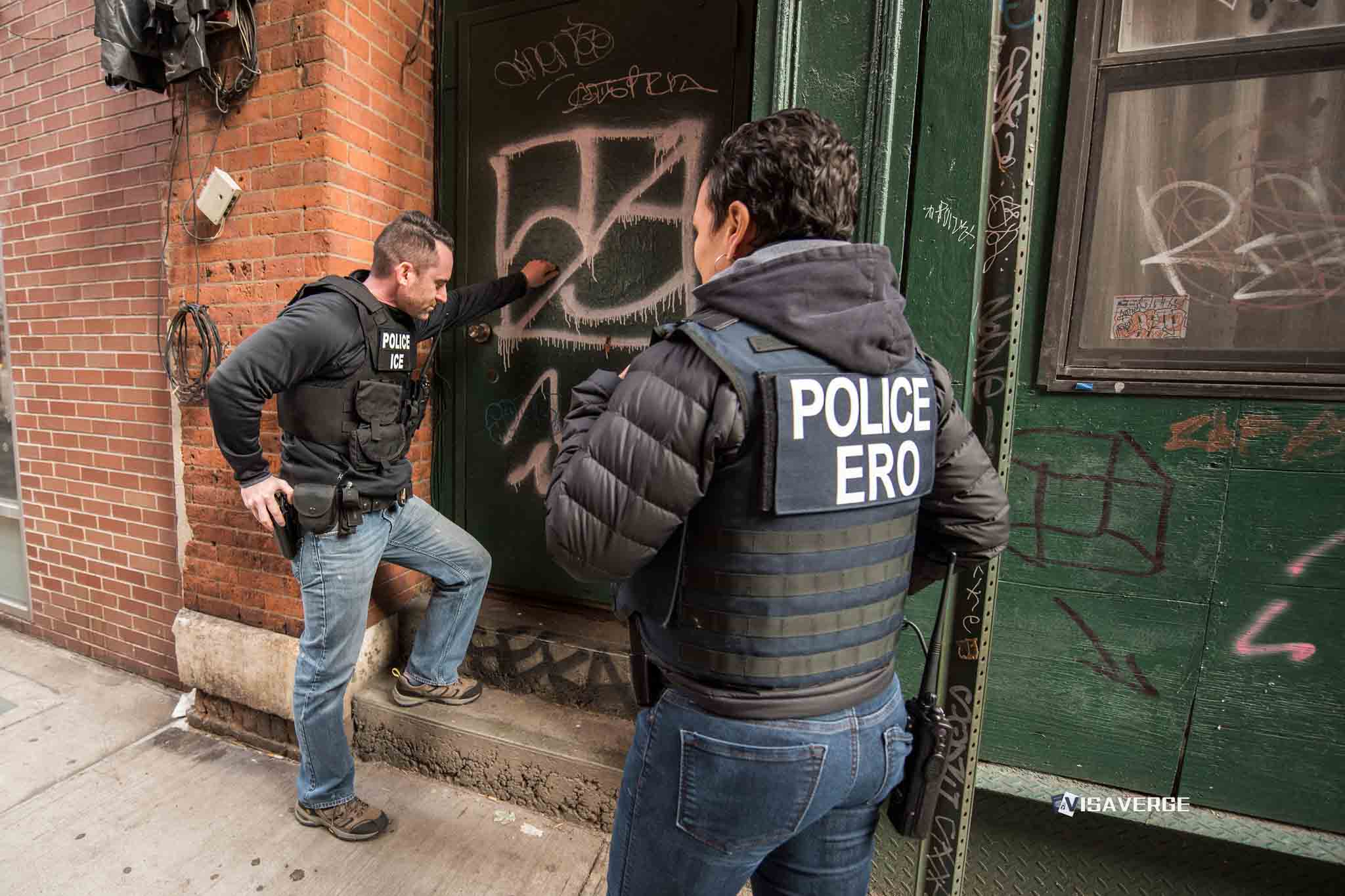
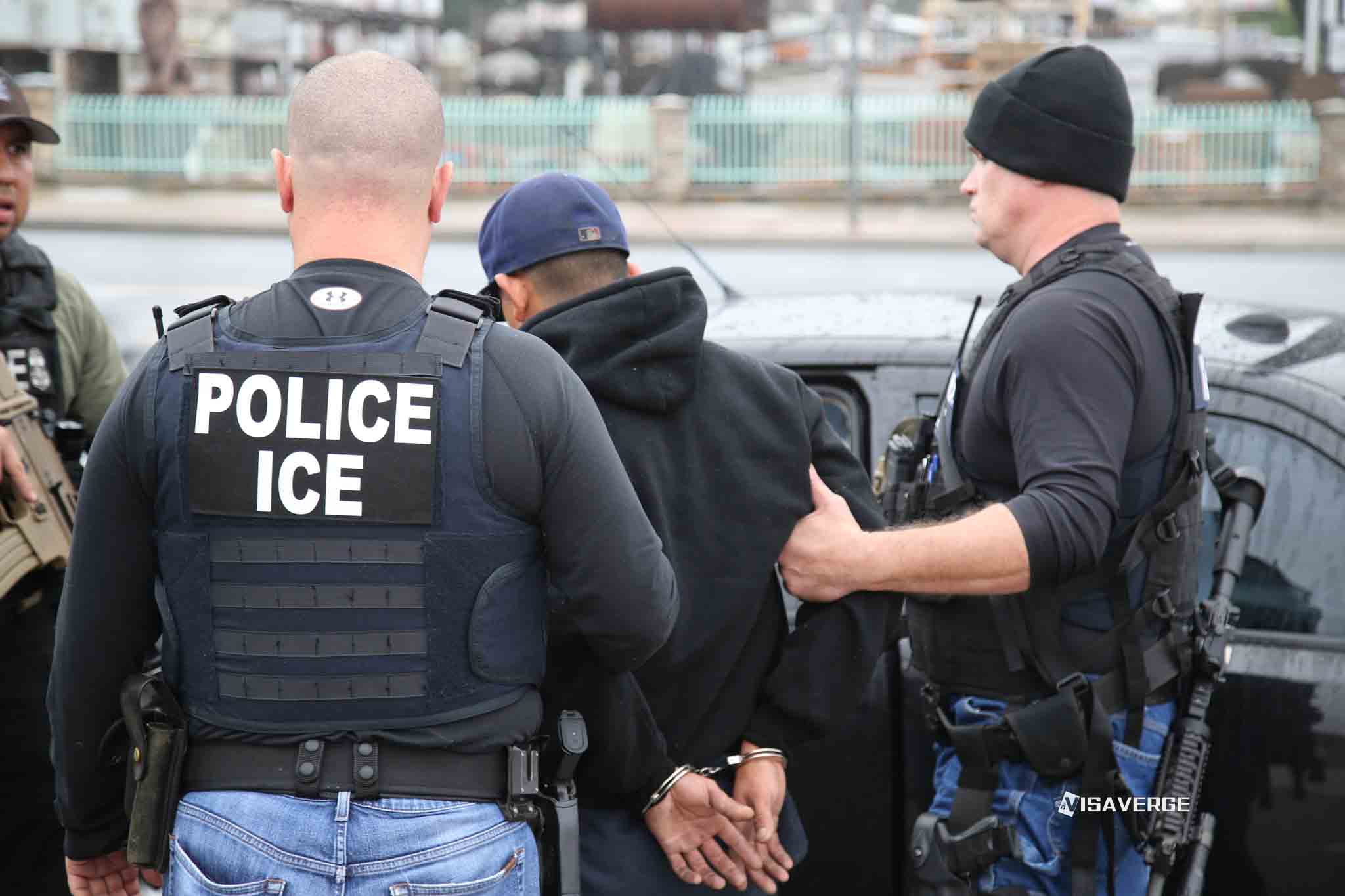
Free toolUSCIS Receipt Number DecoderFraud concerns, however, prompted the program’s initial suspension, as highlighted by an internal report. The report indicated issues such as 101,000 applications being submitted by just 3,218 “serial sponsors,” raising red flags with repeated use of identical addresses, IP addresses, and phone numbers, and even instances of using Social Security numbers of deceased persons. To counter these issues, the program now includes batch processing of applications, referrals of suspicious cases to specialized fraud detection units, and collaboration between U.S. Citizenship and Immigration Services (USCIS) and Immigration and Customs Enforcement (ICE) for thorough investigative procedures.
The reactivation of this program reflects broader migration dynamics, marked by record levels of global displacement and increasing regional geopolitical instability driving northward migration. The program is considered a shift in U.S. immigration policy, emphasizing structured and legal pathways rather than focusing solely on deterrence. This approach aligns with regional efforts to manage migration collaboratively, as seen in initiatives like the Los Angeles Declaration on Migration and Protection.
While the program is praised for its role in reducing irregular migrations, critics voice concerns that it might inadvertently motivate further migration from these countries. Questions about the effectiveness of the enhanced vetting process, which might slow down application processing, and the potential perception of inequity in focusing on just four nations also persist. Analysis from VisaVerge.com suggests that this selective focus might generate dissatisfaction among other nations undergoing similar challenges.
As the program unfolds, it is critical to monitor areas such as the impact of enhanced vetting on processing times and approval rates. There is also speculation about potential program expansion to include other nations or adjustments in the numbers allowed monthly. Long-term effects on migration trends and U.S. diplomatic relations with these countries warrant close attention. Furthermore, congressional reactions and possible legislative responses regarding broader immigration reforms might significantly influence the program’s trajectory.
The Biden Immigration Program’s reinstatement, paired with enhanced vetting measures, marks a significant development in U.S. immigration policy. It encapsulates the delicate balance between addressing humanitarian concerns, safeguarding national security, and the complexities of global migration. This initiative comes at a time when managing immigration effectively is crucial for maintaining both domestic welfare and international relations. Close observation and assessment are imperative as the situation continues to unfold, ensuring that the program’s ambitions align with its outcomes and broader implications for immigration policies in the United States.
For more comprehensive details about migration processes and regulatory updates, the U.S Citizenship and Immigration Services website remains a pivotal resource.
Learn Today
CHNV program: A U.S. immigration initiative offering legal entry and temporary work permits to nationals of Cuba, Haiti, Nicaragua, and Venezuela.
Enhanced vetting: Rigorous screening procedures for assessing U.S.-based sponsors, including financial capability and identity verification, to prevent fraud.
Serial sponsors: Individuals repeatedly submitting multiple applications, raising concerns due to similarities in contact and identity details.
Fraud detection units: Specialized teams responsible for identifying and investigating suspicious activities within immigration application processes.
Los Angeles Declaration on Migration and Protection: A regional agreement focused on collaborative efforts to manage and protect migrants effectively.
This Article in a Nutshell
The Biden administration’s reactivated immigration program offers nationals from Cuba, Haiti, Nicaragua, and Venezuela legal entry opportunities. Enhanced vetting tackles fraud concerns, ensuring secure pathways while trimming unauthorized crossings. The initiative underscores a shift towards structured migration, balancing humanitarian needs with security imperatives, amid rising global displacement challenges.
— By VisaVerge.com
Read more:
• Biden Considers Restarting Migrant Application Program in Home Countries
• Texas Judge Blocks Biden’s Policy for Undocumented Spouses
• Biden’s Program: Parole in Place for Undocumented Spouses
• Biden Administration Pauses Parole Program Due to Fraud Concerns
• Explained: Biden’s New D-3 Waiver Guidance