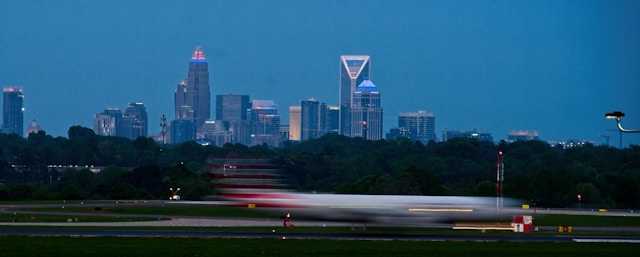
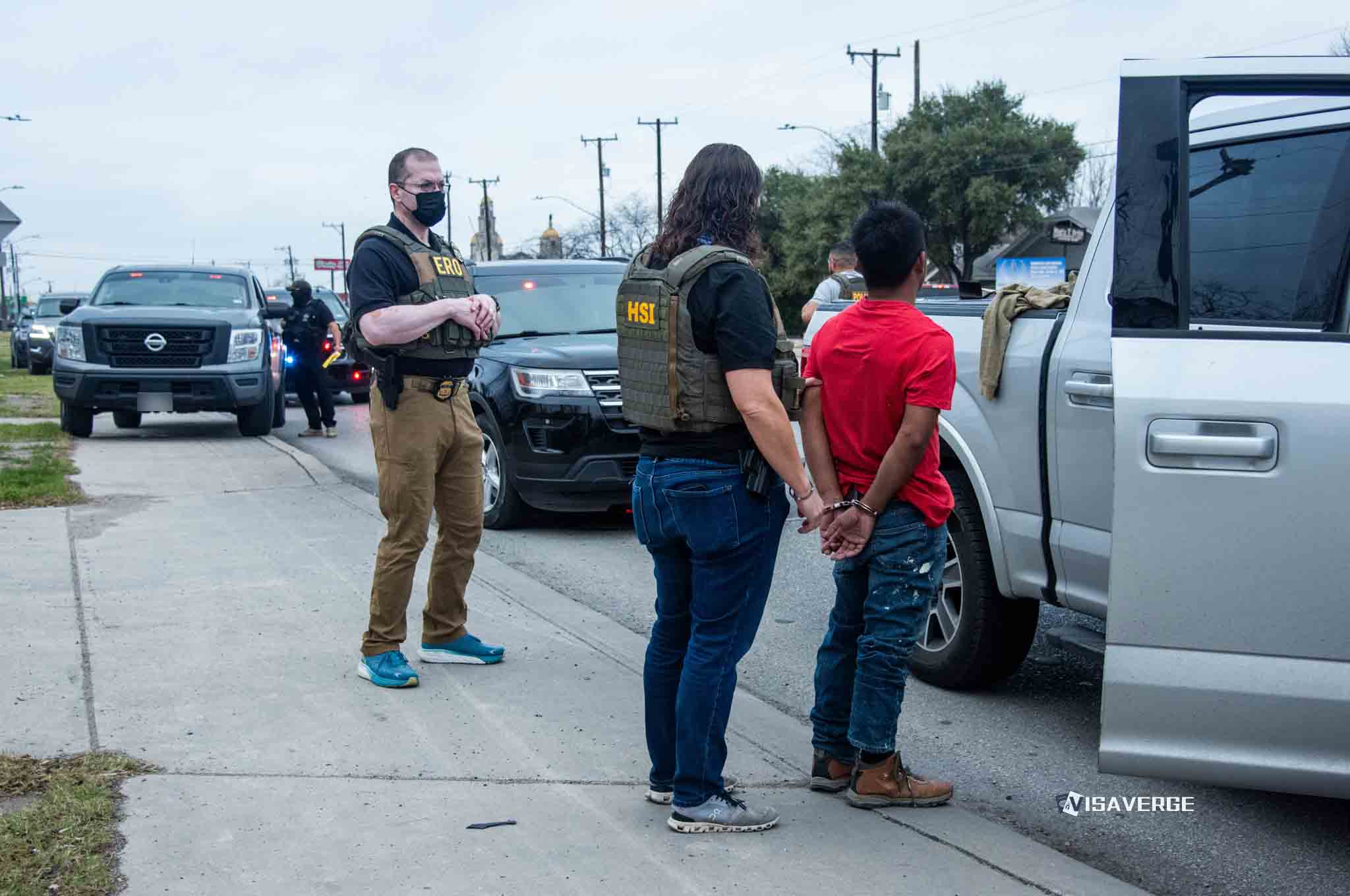
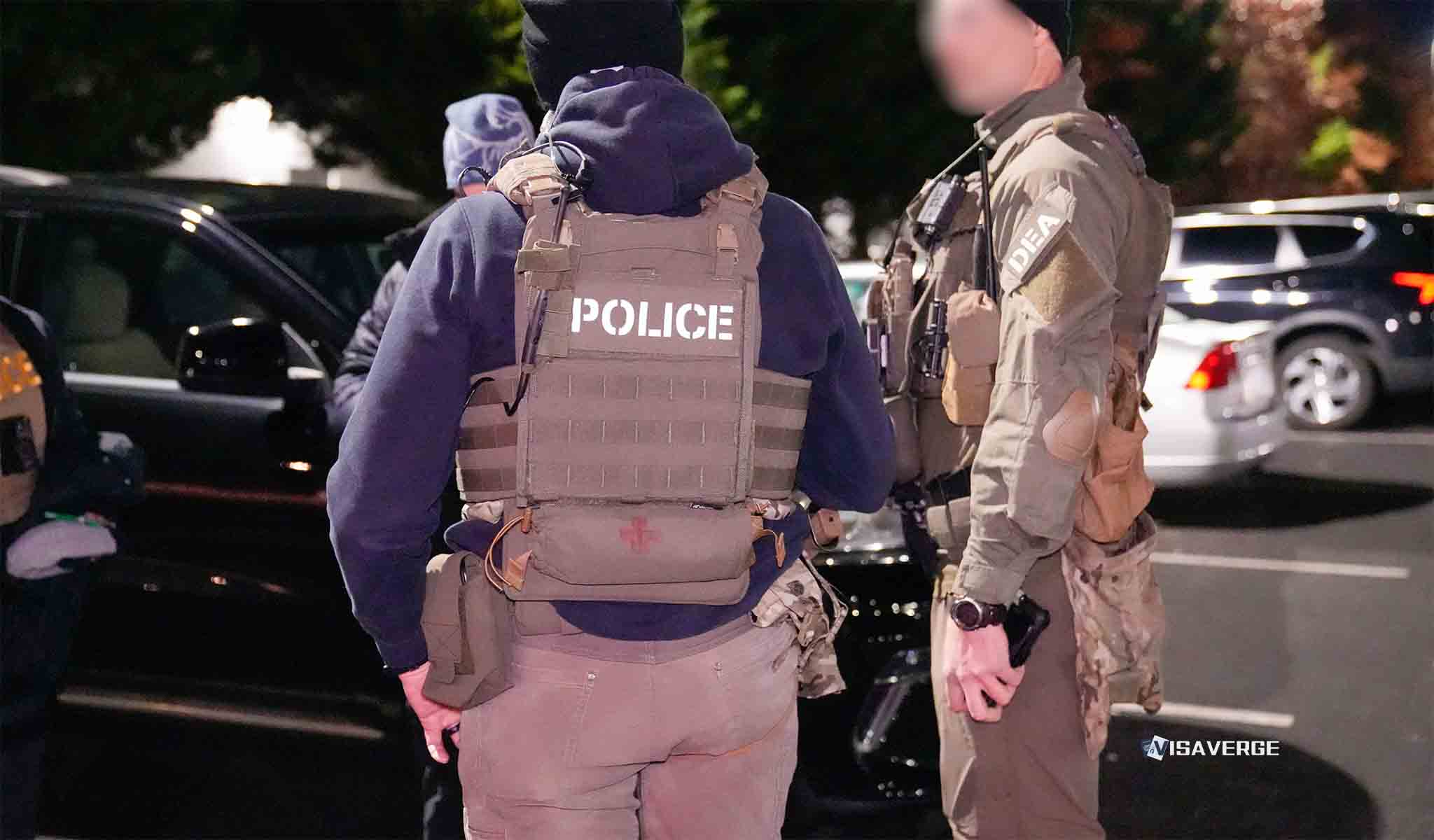
(ASHEVILLE, NORTH CAROLINA) Hundreds of protesters filled downtown Asheville this month after federal immigration raids across North Carolina, fearing Border Patrol will soon reach their city. The rallies, held on November 16 and November 20, 2025, followed a large-scale operation in Charlotte known as “Operation Charlotte’s Web,” where federal agents arrested at least 81 people over a single weekend.
The demonstrations and local reaction

Marchers, led by local activists and groups such as the Party for Socialism and Liberation, moved through Asheville’s city center, chanting against U.S. Customs and Border Protection (CBP) and Immigration and Customs Enforcement (ICE). Demonstrators gathered at landmarks including the Montford Avenue bridge and Pack Square Park, carrying signs that called Border Patrol a “terrorizing presence” and urged the city to stand with immigrant families.
Many said what happened in Charlotte felt uncomfortably close, and they worried Asheville could be next. Their fears were sharpened by a public warning from Asheville Mayor Esther Manheimer, who said on November 14 that the city “may be a targeted city” for Border Patrol operations. That remark spread quickly through immigrant communities, churches, and WhatsApp groups, according to organizers.
- Some families kept children home from activities and avoided public places.
- Organizers reported calls from parents asking if it was still safe to drive.
- “People are scared to go to the grocery store, scared to go to church,” one organizer said at the rally.
Federal posture and the Charlotte operation
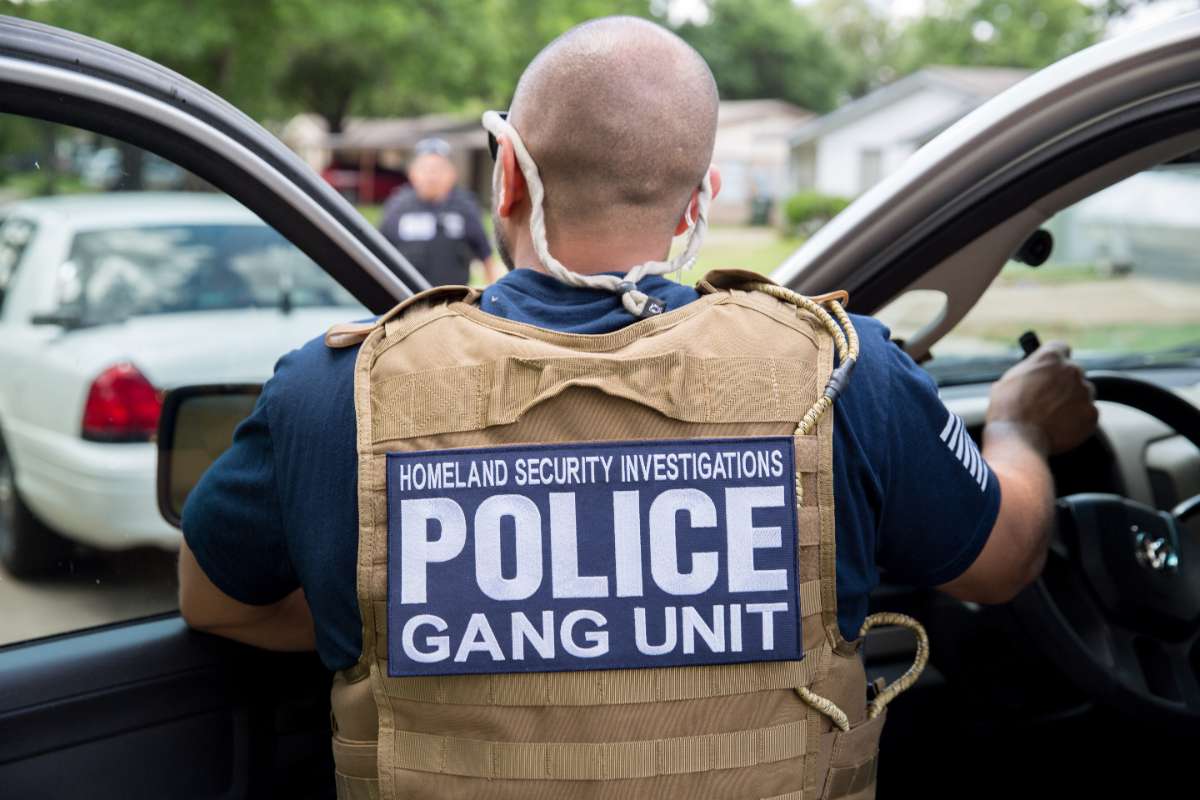
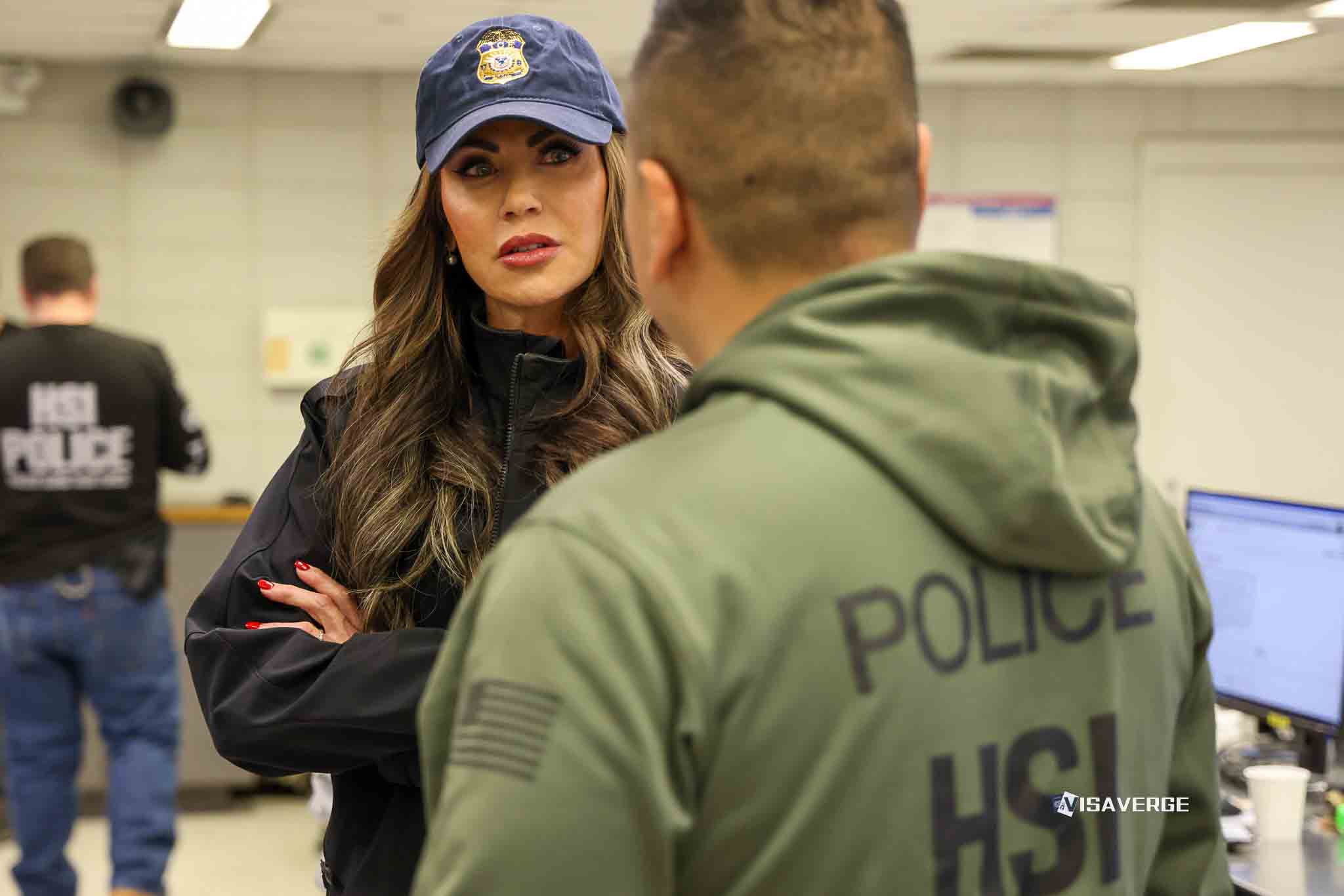
Federal officials have not publicly confirmed any planned operation in Asheville, but the Department of Homeland Security (DHS) has said the enforcement push in North Carolina will continue. After the Charlotte crackdown, DHS officials said the actions were part of ongoing efforts and were “not ending soon.”
Key points about the Charlotte operation:
– Began around November 15.
– Led by CBP commander Greg Bovino.
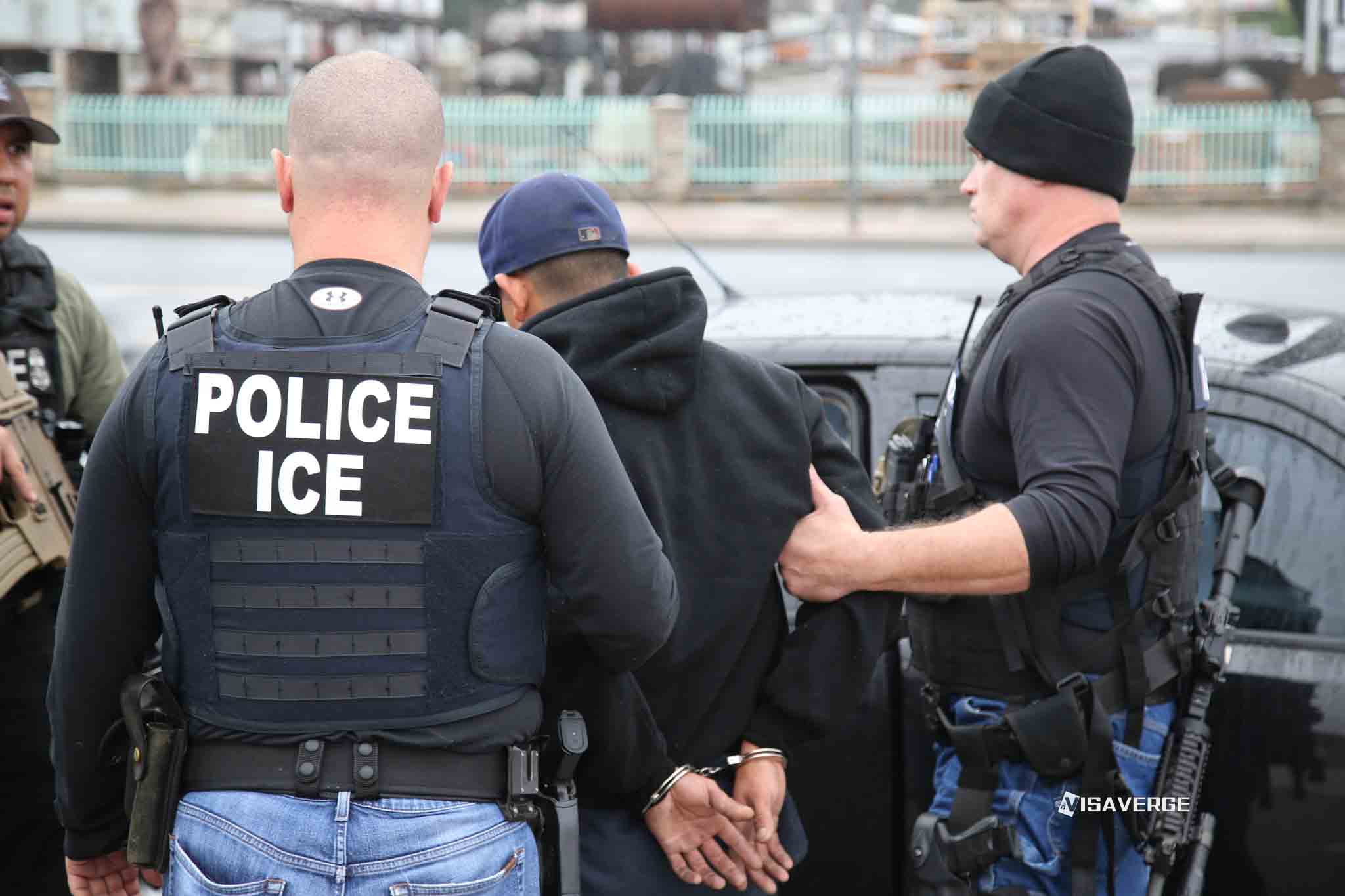
– Involved arrests at homes and workplaces.
– Local advocates say many detained had long ties to the area and were picked up during routine daily activities.
| India | China | ROW | |
|---|---|---|---|
| EB-1 | Feb 01, 2023 | Aug 01, 2023 ▲31d | Current |
| EB-2 | Nov 01, 2013 | Oct 01, 2021 | Apr 01, 2025 ▲90d |
| EB-3 | Jan 22, 2014 ▲21d | Jan 22, 2022 ▲14d | Jun 15, 2024 ▲31d |
| F-1 | Jan 22, 2021 ▲366d | Jan 22, 2021 ▲366d | Jan 22, 2021 ▲366d |
| F-2A | Oct 22, 2026 ▲30d | Oct 22, 2026 ▲30d | Oct 22, 2026 ▲30d |
Local law enforcement and limits to intervention
Local authorities have tried to calm some of the panic. The Buncombe County Sheriff’s Office and the Asheville Police Department have both stated they have not been contacted by federal immigration agencies about any upcoming raids.
They also emphasized:
- Their cooperation with federal immigration enforcement is limited, especially if operations appear to target people for civil immigration violations rather than violent crime.
- This stance reflects a wider debate over so‑called “sanctuary” policies, although Asheville and Buncombe County do not formally use that label.
At the same time, city and county officials have few legal tools to stop federal officers if DHS decides to expand activity west from Charlotte. Under federal law, CBP and ICE have independent authority to operate across the United States ??, including interior cities far from the southern border.
DHS describes these actions as part of its responsibility to enforce immigration law and remove people with outstanding deportation orders. Its policy statements, including those available on the official DHS website at dhs.gov, argue that such enforcement protects public safety and border security — a claim many Asheville protesters strongly reject.
Community impact and responses
Analysis by VisaVerge.com and local organizers highlights broader consequences of stepped-up interior enforcement, especially in smaller cities like Asheville:
- Families that include both citizens and noncitizens may change routines overnight.
- People may stop attending medical appointments, school events, or legal check-ins out of fear.
- Workers have stayed away from jobs at nearby construction sites and restaurants.
Organizers and speakers at the rallies connected Asheville’s situation to other cities such as Chicago and Los Angeles, where communities have mounted pushback through:
- Rapid-response networks
- Legal hotlines
- Public demonstrations
Speakers urged Asheville residents to build similar systems, including:
- Ride support for families of detainees
- Volunteers ready to document any federal operation in real time
- Legal hotlines and rapid-response teams
“What we’re seeing in Charlotte is a test,” one speaker told the crowd. “If they can do it there without a response, they’ll feel free to do it here, and in every other town like Asheville.”
Confusion, fear, and community education
For many longtime residents, the sight of Border Patrol vehicles in North Carolina has been jarring. Advocates say some people confuse CBP with state or local police, not realizing officers in green uniforms report directly to Washington. That confusion can make encounters even more frightening, especially for people who speak limited English or come from countries where uniformed officers are seen as a serious threat.
Local faith leaders in Asheville have responded by offering “know your rights” sessions that explain:
- People generally have the right to remain silent.
- People can ask to speak to a lawyer if approached by federal immigration agents at home or work.
Institutional preparations and employer concerns
There are signs of coordinated response among local institutions:
- School staff have discussed support for children whose parents might be detained, including counseling resources and emergency contact plans.
- Some employers, particularly in the service and construction sectors, have quietly sought legal advice about their obligations and rights if CBP or ICE appears at a job site.
Legal guidance summarized:
– Employers must follow federal law.
– Employers are not required to give agents more access than a valid warrant demands.
– Few employers want to engage in direct confrontation with federal officers.
Information gaps and community uncertainty
DHS defends operations like “Operation Charlotte’s Web” as focused on individuals with prior immigration violations, including removal orders. Community groups counter that sweeps often catch people whose only records are civil immigration issues.
- Federal agencies rarely release full details (names or prior records), making independent verification difficult.
- That information gap has fed rumors across western North Carolina, with residents sharing unconfirmed sightings and arrest stories that local law enforcement cannot always verify.
What Asheville represents now
As Asheville waits to see whether federal agents will arrive, the city has become a symbol of how interior communities far from the border are reacting to the current phase of immigration enforcement. On weekend afternoons, families stroll through Pack Square Park, passing the same corners that filled with protest chants just days earlier.
- Some residents want to keep the city’s reputation as a welcoming place, even as national policy shifts.
- Others, including some who support stricter immigration rules, question the human cost of surprise raids in neighborhoods unaccustomed to this federal presence.
For now, the only certainty — according to DHS — is that the enforcement push in North Carolina is continuing, and Asheville is watching closely.
Protests erupted in Asheville after federal raids in Charlotte that netted at least 81 arrests, and a mayoral warning that Asheville could be targeted. Local police and the county sheriff said they had not been notified and stressed limited cooperation on civil immigration matters. Community groups advocated rapid-response networks, legal hotlines and documentation teams. DHS maintains that enforcement in North Carolina will continue, leaving residents and institutions preparing for potential interior operations.