(Belfast) — airbus has revised its A320-family de-icing checklist to warn crews that leaving the guarded DITCHING pushbutton selected after ground de-icing will prevent cabin pressurisation and trigger cabin-altitude alerts in flight.
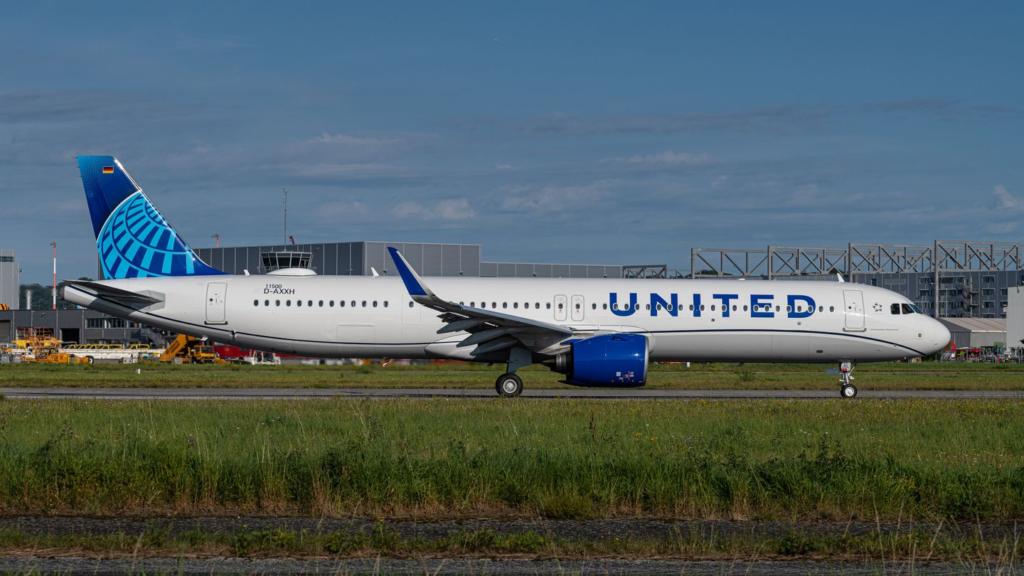
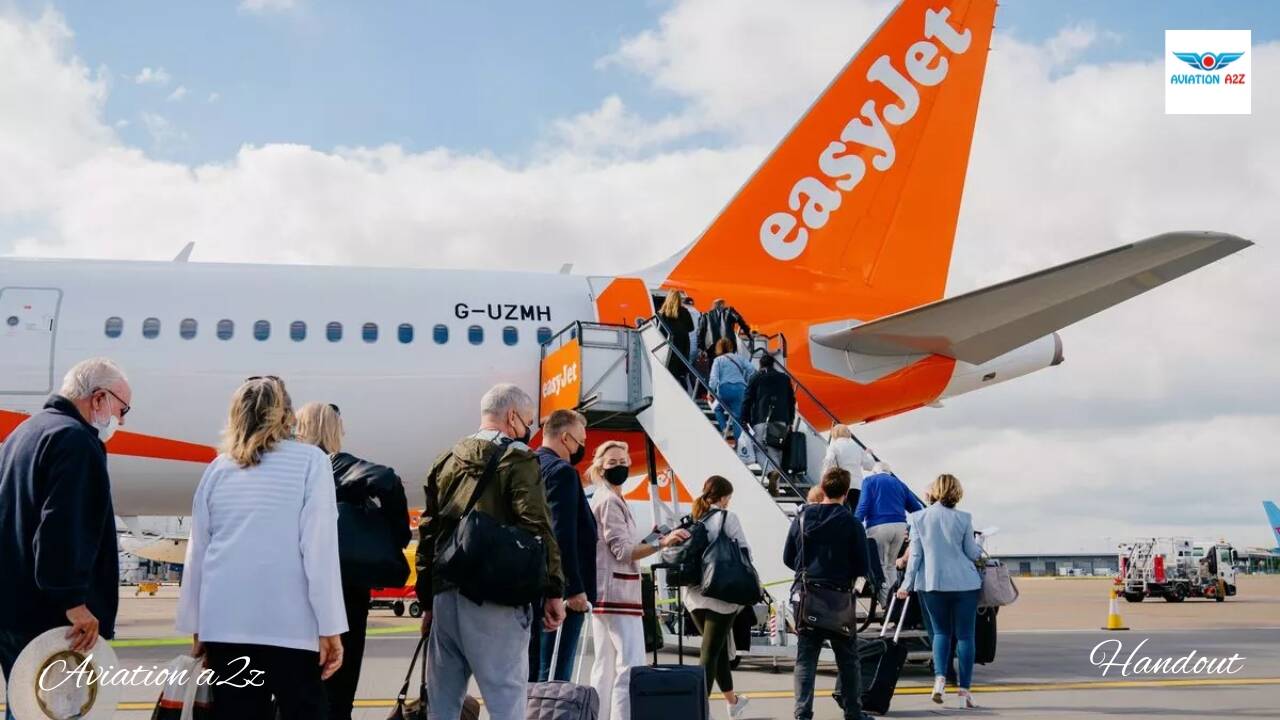
The UK air accidents investigation branch disclosed the change in its investigation of an easyjet airbus a320-251N, registered G-UZEF, after a Belfast–Palma flight on 20 April 2025 suffered a loss of pressurisation during climb.
Investigators linked the incident to a crew omission after preparing the aircraft for possible de-icing, a configuration change that involved turning off bleed-air sources and selecting the DITCHING pushbutton to avoid cabin ingestion of de-icing fluid.
The AAIB said the captain had anticipated de-icing, which was new to the first officer under line training. De-icing later proved unnecessary, and the crew began reconfiguring the aircraft using the checklist.
During that reconfiguration, the crew
“omitted” to return the ditching pushbutton…to ‘off’ even though it is guarded.
The aircraft then departed without pressurising properly, with cabin altitude slowly climbing during climb and cruise.
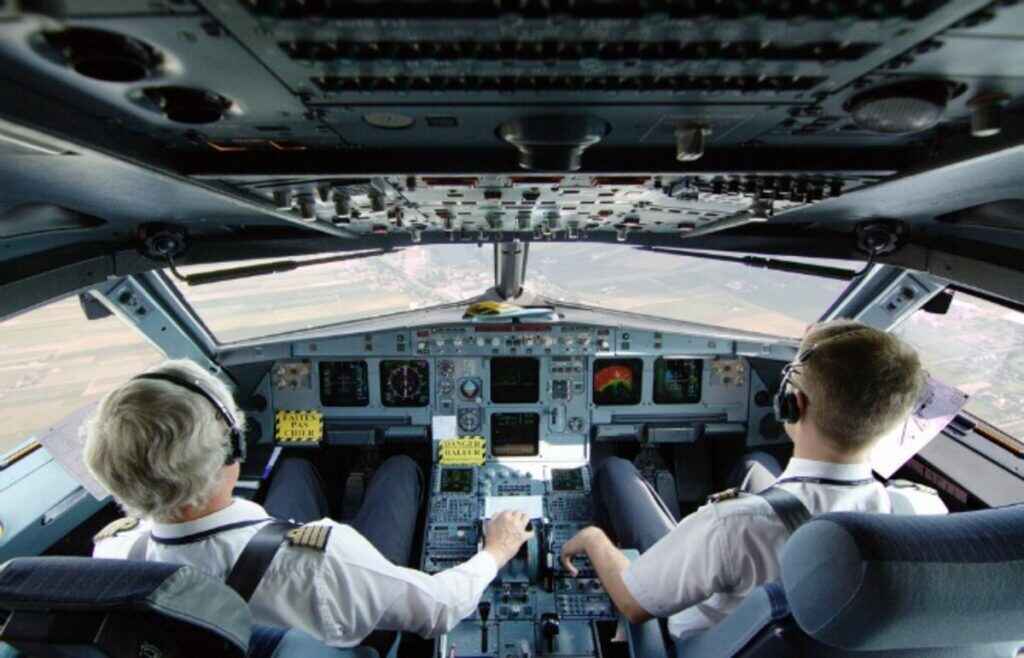
After takeoff, the aircraft climbed to FL390. About 25 minutes after departure, cabin altitude passed 9,000 ft, prompting the captain to notice the packs were off, don oxygen masks, declare an emergency, and start a descent to 10,000 ft.
During the descent, the captain realised the DITCHING pushbutton was still selected. Once deselected, pressurisation returned to normal, the jet levelled at FL200, and the flight later continued uneventfully to Palma de Mallorca at FL370.
The AAIB said there were no injuries among the 183 occupants.
Airbus amended its de-icing checklist after a pattern of similar events, the AAIB said, with multiple cases linked to crews leaving the DITCHING pushbutton engaged after ground operations intended to protect the cabin from de-icing fluid.
In the easyjet case, the initial plan to de-ice led the crew to configure the aircraft for de-icing protection, including turning off bleed-air sources and selecting the DITCHING pushbutton. The eventual decision not to de-ice still required a full restoration of normal configuration before takeoff.
The incident unfolded in a way investigators said can be hard to detect until the aircraft is climbing and the cabin altitude rises. With the DITCHING pushbutton still selected, the aircraft did not pressurise, and the cabin altitude gradually climbed until it prompted crew action.
The AAIB described the event as rooted in an omission involving a guarded control. While Airbus procedures require cross-checking guarded controls in flight before operating them, investigators said there was no equivalent explicit cross-check requirement for ground operations, such as post-de-icing reconfiguration.
That gap mattered because post-de-icing reconfiguration takes place during a busy phase on the ground, when crews may be handling multiple tasks and transitioning from special procedures back to standard departure preparation.
The presence of a line-training first officer also featured in the AAIB’s account. Investigators said the de-icing configuration was unfamiliar to that pilot, increasing vulnerability to checklist omissions.
Airbus’ revised de-icing checklist now explicitly draws attention to the consequence of leaving the DITCHING pushbutton engaged. The change is intended to make clear that an overlooked selection can prevent pressurisation and lead to a cabin-altitude warning.
The AAIB summarised the wider response by saying,
“The operator and the manufacturer have taken safety action to raise awareness of the event and to amend the de-icing checklist.”
easyJet’s own review identified 19 additional ditching-pushbutton events between 2015 and the Belfast–Palma occurrence, all on the ground and related to APU bleed or external air use with the button still selected.
Those easyJet events were not described as in-flight pressurisation losses in the AAIB’s account, but they added to the picture of how a guarded switch selection could be carried forward when crews moved between different phases and sources of air.
Airbus separately told investigators it was aware of six previous in-flight events with excess cabin-altitude alerts where the DITCHING pushbutton was ON. Investigators said at least four of those followed de-icing where the button was left selected.
The AAIB’s description of the easyJet incident focused on the procedural chain that made the problem possible: configuring the aircraft for de-icing, not needing the de-icing after all, then using the checklist to return systems to normal while inadvertently leaving the DITCHING pushbutton engaged.
In that chain, the DITCHING pushbutton selection interacted with bleed-air and pack settings in a way that prevented normal pressurisation. The result was a cabin altitude that climbed slowly, rather than an abrupt event that would be instantly obvious.
By the time the cabin altitude passed 9,000 ft, the captain responded by donning oxygen masks, declaring an emergency and descending toward 10,000 ft. Pressurisation then returned once the DITCHING pushbutton was deselected, and the aircraft continued after levelling at FL200.
The incident ended without injuries among all 183 occupants, and the flight later continued to Palma de Mallorca at FL370, the AAIB said.
Investigators used the case to highlight how checklist discipline and cross-checking of guarded controls on the ground can matter as much as in-flight checks, especially when crews temporarily depart from standard configuration for winter operations.
Airbus’ amendment to the A320-family de-icing checklist is aimed at making the risk explicit in the checklist flow, by drawing attention to the consequence for pressurisation if the DITCHING pushbutton remains selected after ground de-icing preparations.
The AAIB framed the safety action as a response to both the easyJet occurrence and the broader pattern of events identified by the operator and manufacturer, with cabin altitude warnings in flight tied in several cases to de-icing-related configuration changes and an overlooked return of the DITCHING pushbutton to OFF.
Airbus revised its de-icing protocols after an easyJet A320 flight experienced a pressurization failure because the DITCHING pushbutton remained engaged. The crew had prepared for de-icing that never occurred but failed to reset the guarded switch during reconfiguration. The aircraft climbed to FL390 before cabin altitude alerts forced an emergency descent. The updated checklist now explicitly warns that leaving the button selected prevents pressurization.