In the face of a looming housing crisis, Canada is at a crossroads, requiring innovative solutions to foster growth and sustainability. The recent recommendations from economists at the Royal Bank of Canada (RBC) shed light on a new path forward, emphasizing the necessity of prioritizing construction skills in immigrants. This strategic approach, paired with embracing innovative building designs and techniques, forms a comprehensive strategy to address the Canada housing crisis with efficacy and foresight.
Why Is There a Construction Worker Shortage in Canada?
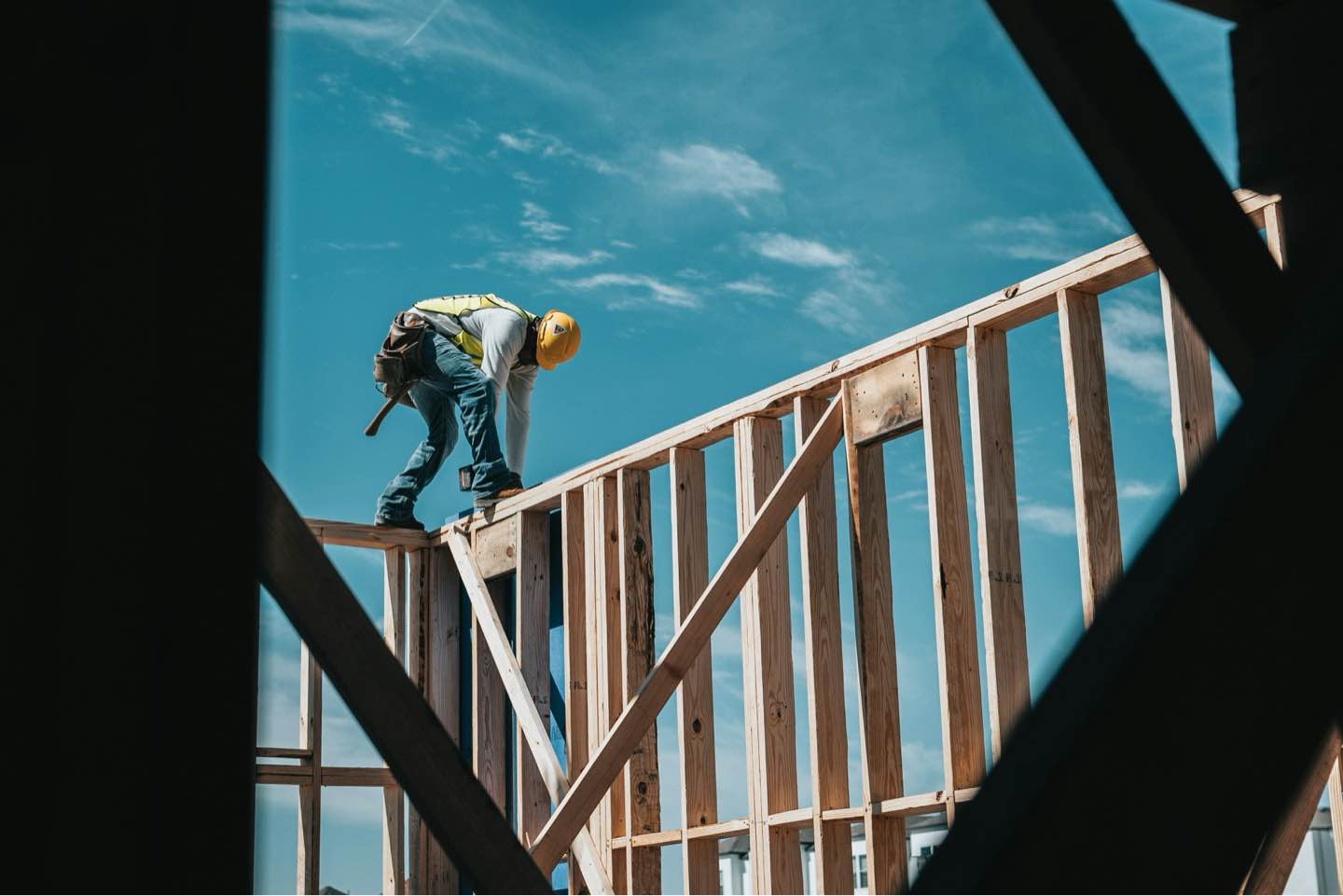
RBC’s findings underscore a critical gap in the Canadian housing market—the dire need for construction workers. With an estimated requirement of more than 500,000 additional construction workers to build the necessary housing by 2030, Canada faces a significant challenge. This shortfall is not only a barrier to meeting housing demands but also hampers efforts to tackle greenhouse gas (GHG) emissions targets effectively.
Free toolCanada Express Entry Points CalculatorHow Can Immigration Address the Construction Skills Gap?
Tapping into the pool of skilled workers globally, the report suggests an expansion of the Federal Skilled Trades Program. By assigning additional points to candidates who meet the labor needs and urging provinces to adopt similar strategies, Canada can address the construction skills shortage head-on. This initiative calls for a cultivated dialogue between immigration authorities and the construction industry to ensure a targeted effort in alleviating the skills gap.
What Role Do Immigrants Play in the Construction Industry?
Despite the proven potential of immigrants to earn above-average wages and integrate swiftly into Canadian society, their representation in the construction sector has significantly declined from 9.6% in the 1980s to only 2.4% from 2016 to 2021. This stark decrease underscores the necessity of realigning Canada’s immigration system to focus more on skilled trades, particularly those relevant to the housing and construction sector.
How Can Innovative Building Techniques Help?
The traditional methods of home building are becoming obsolete in the face of modern demands and environmental targets. RBC advocates for a fundamental shift toward more innovative building techniques, such as the adoption of prefabricated housing. This method not only boosts efficiency but also shortens construction timelines and offers cost predictability. Yet, Canada falls behind countries like Sweden, where 84% of detached homes feature prefabricated elements, showcasing a significant area for growth.
What Are the Benefits of Pre-Approved Building Designs?
Another potent solution proposed is the creation of a catalog of pre-approved building designs. This approach can streamline the homebuilding process, making it faster and more efficient—particularly for affordable housing projects. By expediting approvals for projects using these designs, Canada can increase its stock of environmentally friendly homes and respond more swiftly to housing demands.
What Is the Federal Government Doing?
In December, Federal Housing Minister Sean Fraser revealed plans to create a catalog of pre-approved home designs, echoing strategies from post-war housing initiatives for rapid construction. Aimed at diversifying the available housing types, including multiplexes and accommodations for seniors and students, this program represents a bold step toward innovative housing solutions.
How Can We Ensure Housing Affordability?
While addressing the construction worker shortage and adopting new building techniques are crucial, RBC maintains that housing affordability remains a pressing concern. If current affordability levels persist, an estimated 455,000 new social housing units must be created by 2030, which parallels the total rental units built in Canada since 2018. This daunting task underlines the urgency of implementing the RBC recommendations promptly.
The Path Forward
As Canada grapples with its housing crisis, the recommendations from RBC offer a roadmap to sustainability and growth. By prioritizing construction skills immigration and innovating in building techniques, Canada can address both its labor shortage and environmental goals. The call to action now lies with government authorities, industry stakeholders, and the global community of skilled workers to collaborate in realizing these aims.
For those seeking more information or considering contributing their skills to Canada’s construction industry, exploring the Federal Skilled Trades Program is a crucial first step. For authoritative guidance and the latest updates on this program, visit Canada’s official immigration website.
In adapting to the evolving demands of the housing market and environmental targets, the union of skilled immigration and innovative construction practices presents a promising avenue. As a nation, Canada’s commitment to these strategies will not only shape the landscape of its housing sector but also pave the way for a sustainable and inclusive future.
This Article In A Nutshell:
Canada’s housing crisis prompts RBC’s call for construction skills in immigrants and innovative building methods to bridge the labour gap and meet environmental targets. Strategic immigration reforms, prefabricated housing, and pre-approved designs are key. Government initiatives and global cooperation are vital for sustainable housing solutions in the evolving market.
— By VisaVerge.com