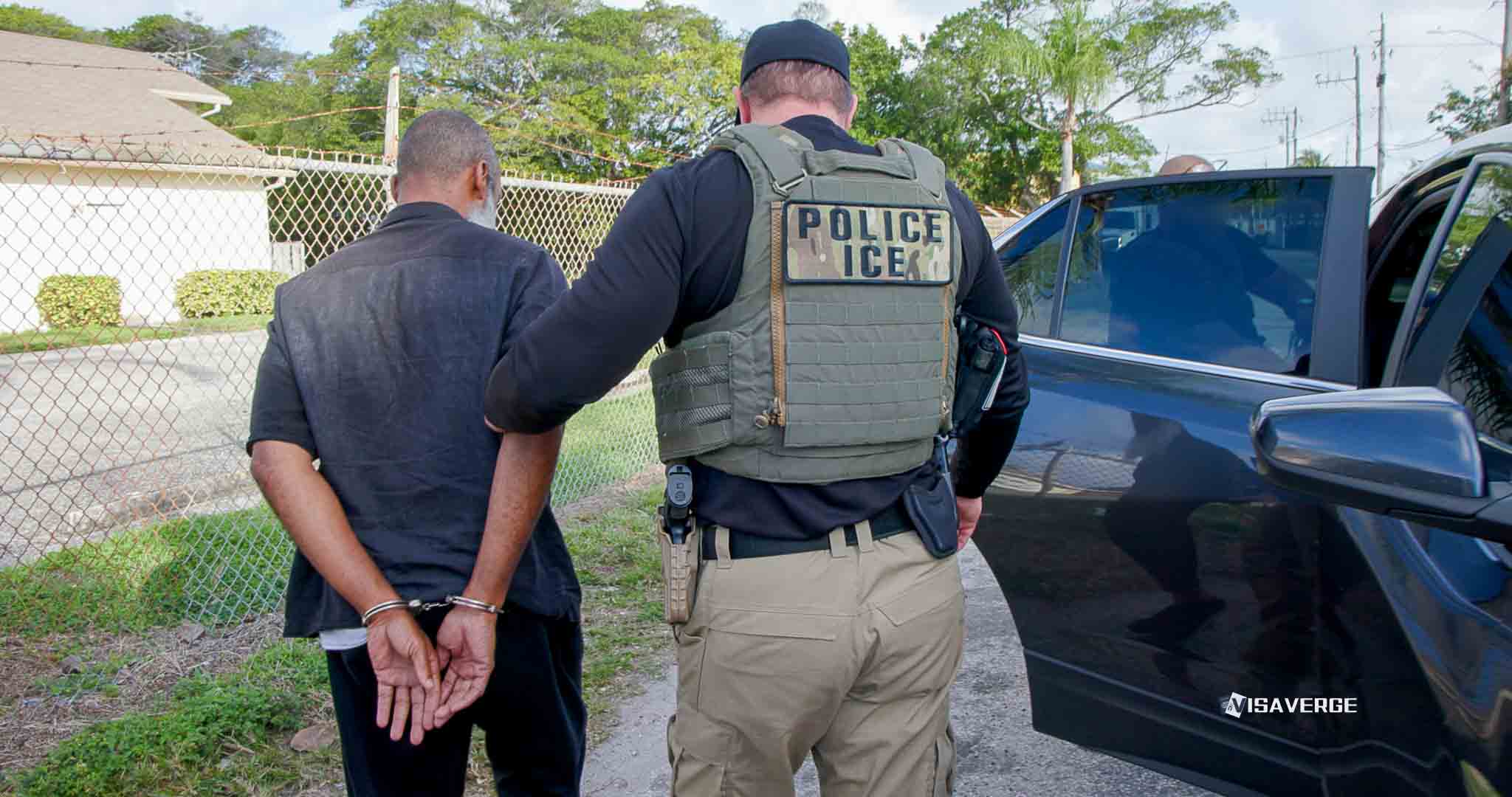
(HEBER CITY, UTAH) The ACLU is suing federal immigration authorities over the detention of an immigrant living in Utah, alleging illegal and discriminatory actions tied to a series of home raids in Heber City. The complaint, filed in the U.S. District Court for the District of Utah, names agents from ICE and the U.S. Marshals Service, and claims they executed SWAT-style operations without warrants or probable cause, used excessive force, and relied on racial profiling.
The case, rooted in raids that began in 2017 and led to a suit filed in 2018, has drawn renewed attention in 2025 as the ACLU presses the courts to hold agents accountable.

Facts alleged in the complaint
According to the filing by the ACLU of Utah, supported by the national ACLU Immigrants’ Rights Project and Covington & Burling LLP:
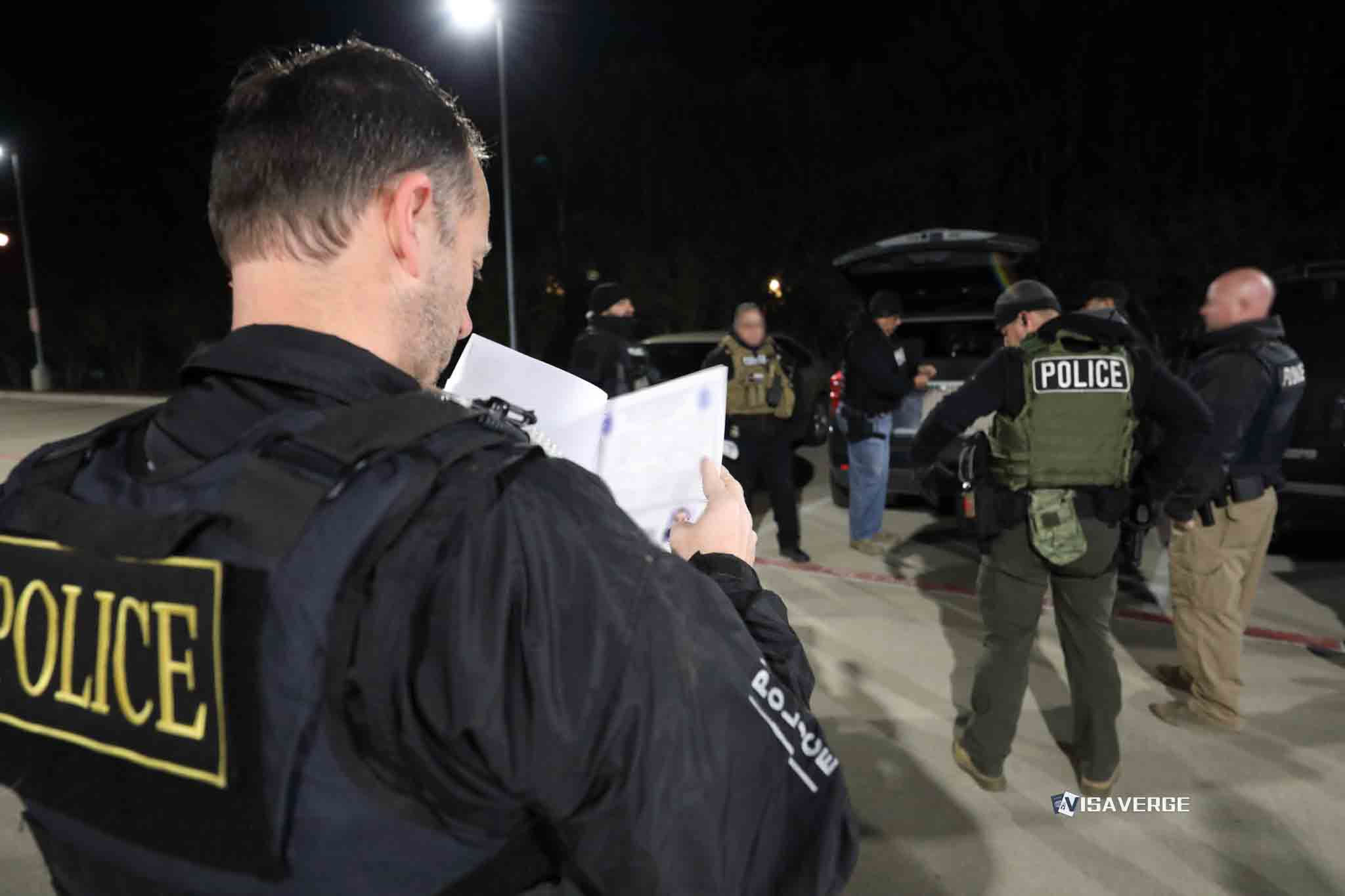
Free toolUSCIS Receipt Number Decoder- At least 10 federal agents in military-style gear twice entered the family’s Heber City home without permission or a warrant.
- Agents allegedly ransacked rooms, threatened to take children into state custody, and arrested the children’s grandmother despite no evidence of a crime.
- Family members say they were separated, forced outside in cold weather, and intimidated when they asked for legal authority for the search.
Legal allegations and claims
The complaint asserts violations of the Fourth Amendment (protection against unreasonable searches and seizures). Specific allegations include:
- Unlawful entry and search: Agents allegedly entered twice without a warrant or consent.
- Excessive force and intimidation: Children were separated from family and threatened.
- Retaliatory arrest: A relative was arrested after refusing to provide information, despite no criminal record.
- Racial profiling: The ACLU contends agents acted on discriminatory assumptions about immigration status.
The ACLU’s legal team seeks accountability for individual agents and their agencies, arguing federal officers are not exempt from constitutional limits when they enter a private home. The lawsuit characterizes the operations as part of a broader pattern of heavy-handed enforcement in Utah and across the United States. It asks the court to reaffirm that even in civil immigration matters, officers must respect core constitutional rules—especially in people’s homes.
The complaint stresses that a home is entitled to the strongest privacy protections, and that officers typically need a judicial warrant—signed by a judge—to enter without consent.
Community impact and 2025 context
Although the underlying events began years earlier, the ACLU says similar complaints persist in 2025, creating ongoing fear among Utah families about renewed home enforcement actions. Immigration attorneys and community advocates report:
- Increased anxiety among both undocumented and lawful residents.
- Worry that routine visits or mistaken identity could lead to detention.
- Hesitation to answer the door, take children to school events, or visit public offices because of fear of encounters with armed agents.
Community leaders emphasize that these incidents have real, lasting effects on families and children.
Legal process ahead
Officials have not publicly discussed specific facts in this case. The lawsuit will test government defenses in federal court and may include:
- Motions on whether agents have qualified immunity.
- Discovery on the planning and execution of the raids.
- Factual hearings on consent, probable cause, and use of force.
No timeline has been set in the filing referenced by the ACLU. The organization says it will pursue both courtroom litigation and public advocacy to address what it calls a pattern of rights violations.
Broader legal and social context
Utah-based lawyers note these disputes happen amid shrinking legal pathways for families seeking to regularize status. They report:
- More barriers in family and employment cases.
- Longer waits and rising fees.
- Increased vulnerability when enforcement actions occur.
VisaVerge.com reports that high-profile court battles over home raids often influence how local communities view federal enforcement and can shape agency training and field guidance over time.
Practical responses by families and community groups
For families in Heber City, the alleged threats and forced separations are not abstract — children remember these moments. Parents report taking steps such as:
- Keeping important documents by the front door.
- Rehearsing how to ask for a judicial warrant.
- Teaching children not to open the door to strangers.
Community groups have held “know your rights” briefings explaining:
- You can ask officers to slide any warrant under the door.
- A civil immigration document, like an administrative warrant, usually does not allow entry without consent.
- You can ask for names, badge numbers, and request a business card.
- You can remain silent and ask to speak with a lawyer.
People who believe their rights were violated can consider filing a complaint with the Department of Homeland Security Office for Civil Rights and Civil Liberties: https://www.dhs.gov/office-civil-rights-and-civil-liberties. Advocates also recommend documenting events promptly—write down times and statements—and seeking legal advice from reputable counsel or nonprofit organizations.
Key legal themes raised by the suit
- Distinction between criminal and civil authority: The ACLU emphasizes that civil immigration enforcement does not erase constitutional rules at the doorstep.
- Warrant standards: The suit challenges the use of administrative documents in place of judicial warrants and argues officers generally cannot force entry into a home without a judge-signed warrant.
- Coercive tactics: The complaint criticizes threats to involve child services without grounds and arrests tied to refusal to answer questions inside one’s home.
The ACLU argues that arrests based on silence or refusal to share information raise constitutional concerns, because people may lawfully decline to answer questions inside their own homes.
Potential outcomes and implications
Community leaders warn that aggressive home enforcement can push victims and witnesses away from schools, clinics, and courts. In mixed-status communities like Heber City, even a single raid can have multi-year reverberations, shaping children’s perceptions of police and government.
According to analysis by VisaVerge.com, litigation that clarifies standards for home entry and warrants often leads to:
- Updated training materials for field officers.
- Clearer guidelines on approaching residences.
The Utah case could contribute to that record if the court issues rulings on consent, force, and the use of administrative versus judicial warrants. The ACLU maintains such clarity is essential to avoid further confrontations at family doorsteps.
Conclusion
As the case proceeds, the ACLU says it will continue both legal and public campaigns to limit what it calls unconstitutional entries and searches. For the family at the center of the suit—and for others across Utah—the courtroom battle is not only about damages. It is about the basic rule that a person’s home, whether in Heber City or elsewhere, should remain a place where rights are protected and force is a last resort, not a first step.
This Article in a Nutshell
The ACLU of Utah, joined by the national Immigrants’ Rights Project and Covington & Burling LLP, sued ICE and U.S. Marshals in federal court over alleged warrantless, SWAT-style home raids in Heber City that began in 2017 and prompted litigation in 2018. The complaint alleges at least ten agents entered the family’s home twice without judicial warrants or consent, ransacked rooms, separated family members in cold conditions, threatened to take children into custody, and arrested a grandmother despite no evidence of a crime. Legal claims include violations of the Fourth Amendment, excessive force, retaliatory arrest, and racial profiling. The ACLU seeks accountability for individual agents and agencies, clarity about the use of administrative versus judicial warrants, and rulings on qualified immunity, discovery into the raids’ planning, and factual hearings on consent and force. Community advocates report ongoing fear among both undocumented and lawful residents in 2025, underscoring broader social impacts. The case could influence training, field guidance, and legal standards for home entry if courts issue definitive rulings. The ACLU plans continued litigation and public advocacy to protect home privacy and constitutional protections.