- The ACLU filed a class-action lawsuit challenging suspicionless stops and racial profiling in Minneapolis.
- Operation Metro Surge has deployed 2,000 agents and introduced controversial neighborhood investigations for naturalization applicants.
- ICE detention numbers rose 78% while the agency hired 12,000 new employees within a single year.
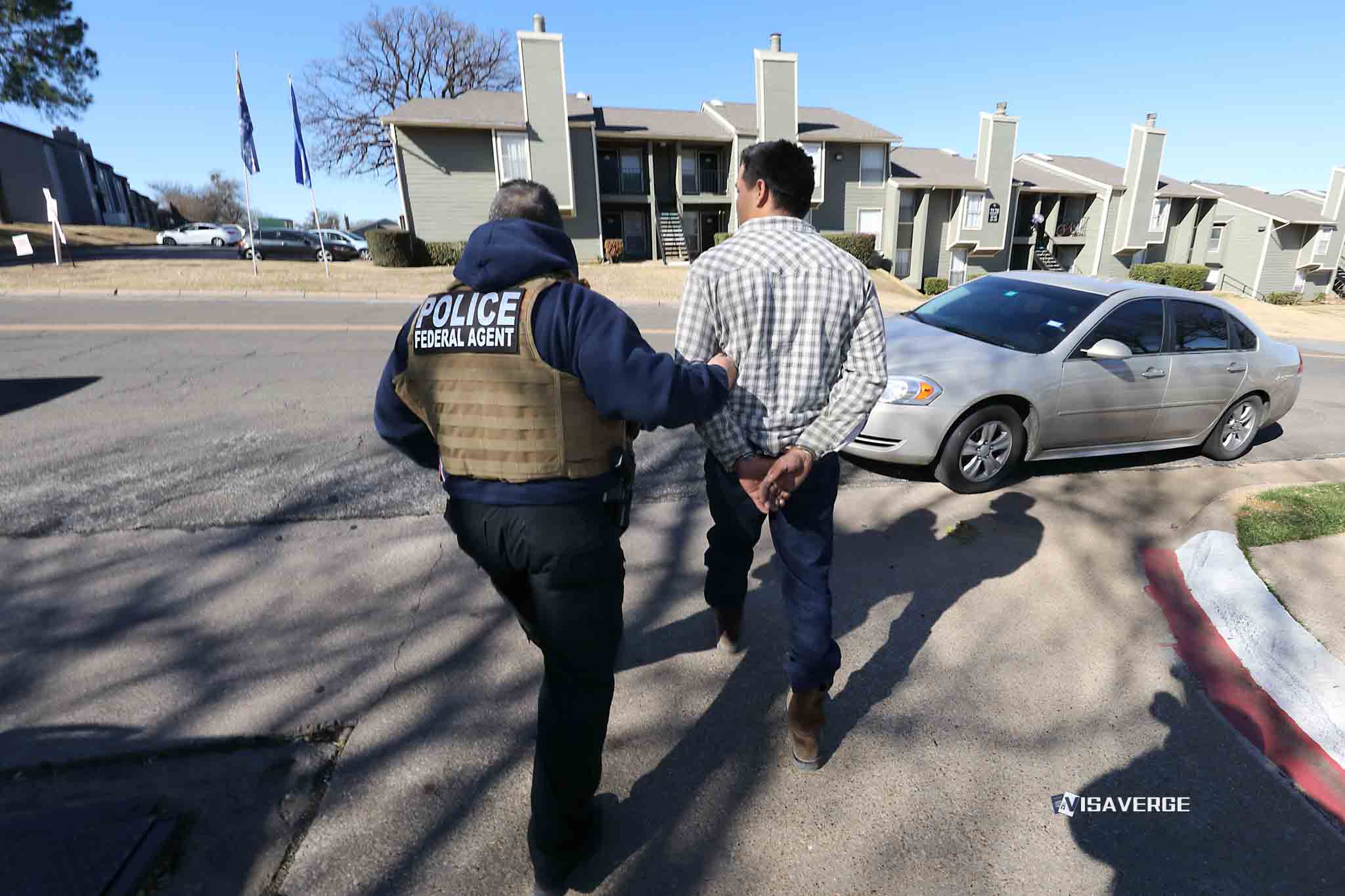
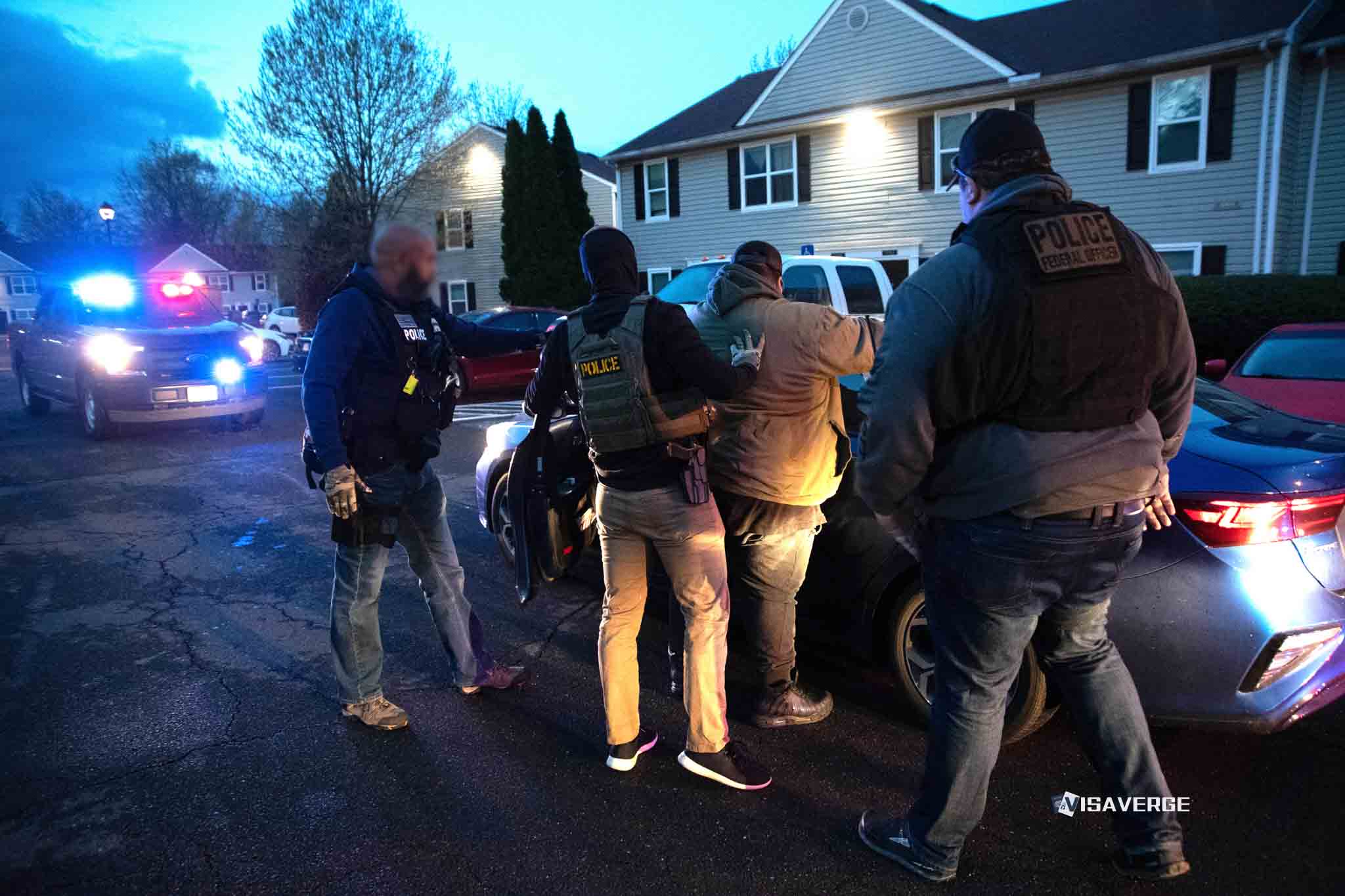
(MINNEAPOLIS, MINNESOTA) — A new ACLU class-action lawsuit filed Thursday is challenging what it calls “suspicionless stops” and racial profiling tied to Operation Metro Surge, a large federal enforcement push that has also swept U.S. citizens into street encounters and vehicle stops in Minneapolis and nearby suburbs.
The case, Hussen v. Noem (filed Jan. 15, 2026), comes as DHS and USCIS defend an “enforcement-first” posture that now includes USCIS-led “neighborhood investigations” for naturalization applicants—an approach that civil liberties groups say blurs the line between benefits adjudication and policing.
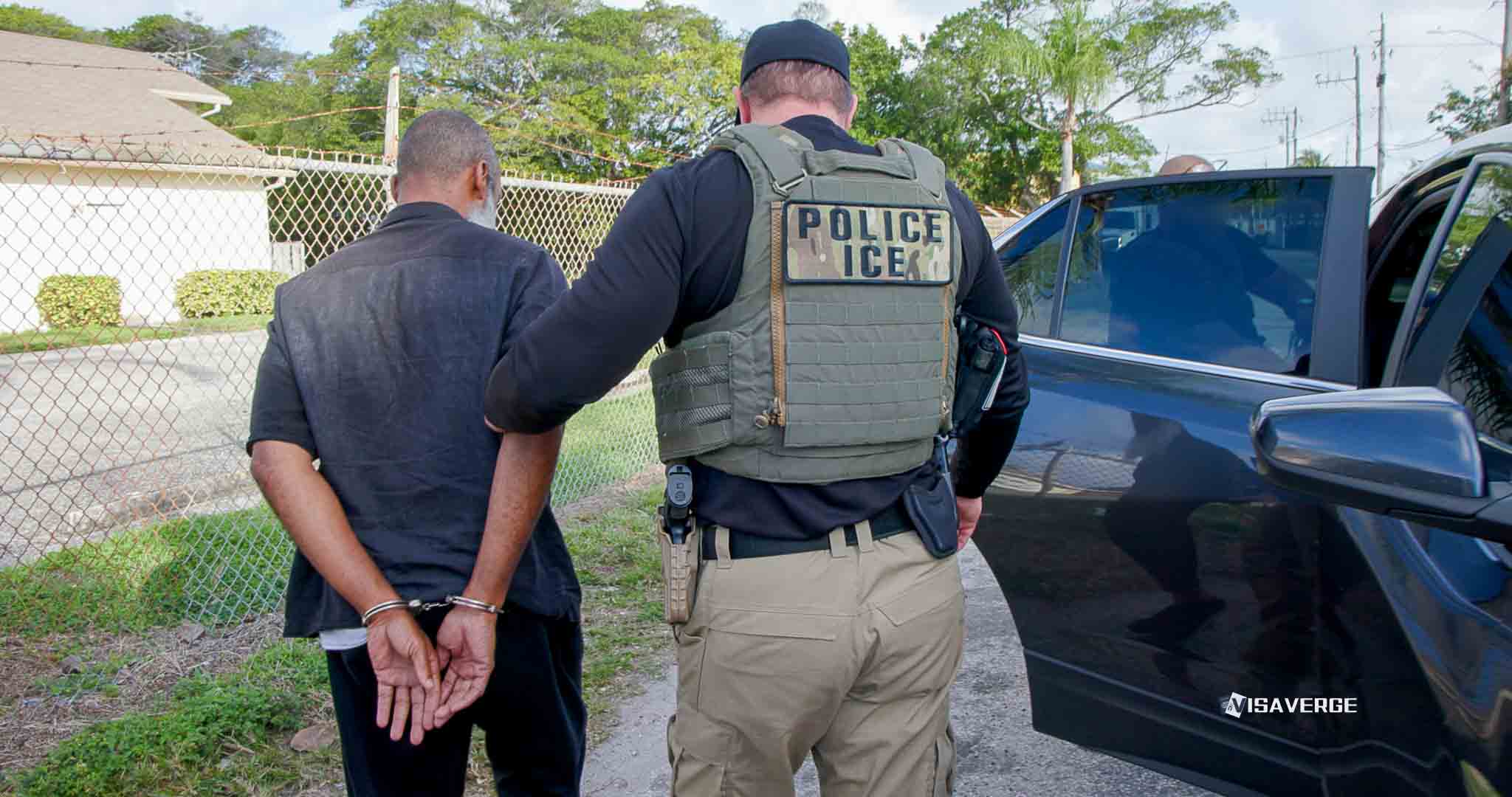
DHS has not publicly detailed how agents are instructed to distinguish citizens from noncitizens during fast-moving operations, but the new lawsuit puts the Fourth Amendment front and center.
Operation Metro Surge and USCIS “neighborhood investigations”
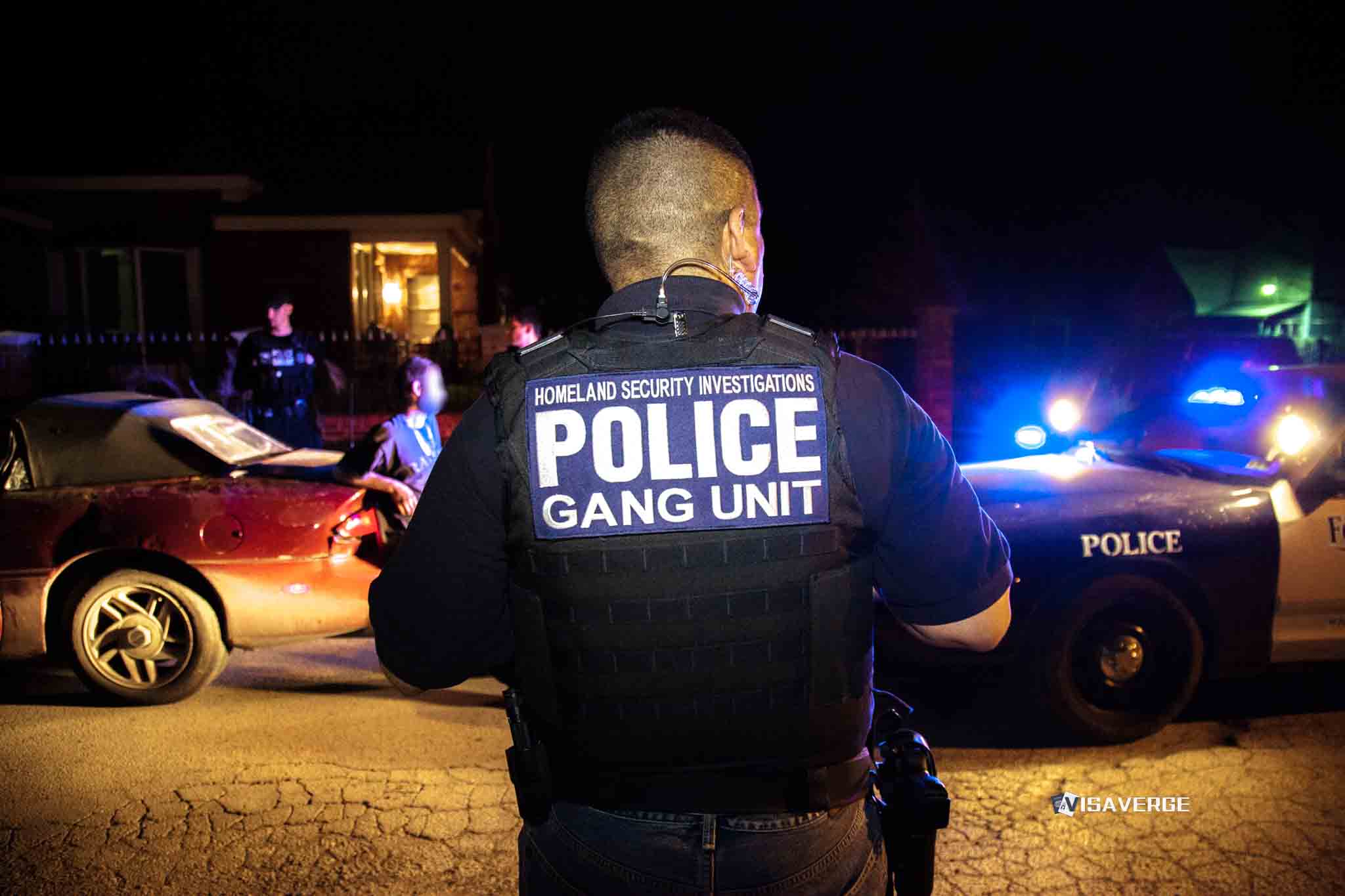
Operation Metro Surge, according to multiple published accounts and agency briefings, involves roughly 2,000 agents deployed across several cities, including Minneapolis, Chicago, and Portland. The initiative has paired high-visibility arrests with increased screening activity tied to immigration benefits.
USCIS, in an end-of-year review posted to its newsroom on Dec. 22, 2025, described a new tool: “neighborhood investigations.” The agency said their purpose is to verify “aliens’ eligibility for naturalization” by reviewing residency, good moral character, and “loyalty to the U.S. Constitution,” among other factors.
USCIS stated it began conducting neighborhood investigations in November 2025. Although naturalization is governed by INA § 316 and implementing regulations, USCIS has broad authority to examine eligibility and credibility, including through interviews and field inquiries.
Critics argue that door-to-door style checks can invite mistakes and intimidation when paired with enforcement operations.
If federal agents ask to enter your home, you typically have the right to refuse entry unless they have a judicial warrant signed by a judge. Ask to see it and read the address and scope.
Official statements, use-of-force narratives, and the new posture
DHS has publicly framed recent encounters as necessary for officer safety and effective arrests. In a widely reported statement about a Minneapolis incident involving Aliya Rahman, a U.S. citizen allegedly pulled from her vehicle, a DHS spokesperson described her as an “agitator who was obstructing ICE agents conducting arrests in the area,” according to the Washington Post (Jan. 16, 2026).
In another Minneapolis incident that turned fatal, DHS stated agents confronted a “weaponized vehicle” and “fired when the driver of the vehicle tried to run them over,” as reported by The Guardian (Jan. 7, 2026). DHS has also cited what it describes as an “8,000% increase in threats” against officers to justify enhanced security measures, including more protective tactics at arrest scenes.
Acting ICE Director Todd Lyons, in an interview circulated by ICE public affairs and cited by the Brennan Center, said in November that the agency would scrutinize protest activity and “track the money” behind “ringleaders,” describing some protesters as “professional agitators.”
Policy details: fraud probes, detention numbers, and rapid hiring
Several policy moves have intensified anxiety for immigrants and their families. USCIS fraud initiatives—Operation PARRIS and Twin Shield—were announced as reexaminations of thousands of refugee cases and applications.
The initiatives reportedly rely on a “Homeland Defenders” team with delegated law enforcement authorities from DHS Secretary Kristi Noem.
Detention trends have also drawn scrutiny. As of mid-December 2025, ICE held 68,440 people in detention, representing a 78% year-over-year increase, according to reporting that cited publicly tracked detention data. Deaths in custody were reported to have reached 32 in 2025.
ICE also announced on Jan. 3, 2026, that it had hired more than 12,000 new officers and employees in less than a year. DHS has cast these staffing levels as necessary to meet enforcement goals.
If you or a loved one is detained, request the A-number immediately and seek counsel fast. Many immigration court and custody deadlines move in days, not weeks.
The legal fault line: Fourth Amendment limits in immigration operations
The new litigation focuses on constitutional limits that apply even when immigration enforcement is involved. The Fourth Amendment generally requires that seizures be reasonable.
In practice, that often means agents need at least reasonable suspicion for a brief stop, and probable cause for an arrest. Distinct standards can apply at the border and its “functional equivalent,” but Minneapolis and other interior cities are not border checkpoints.
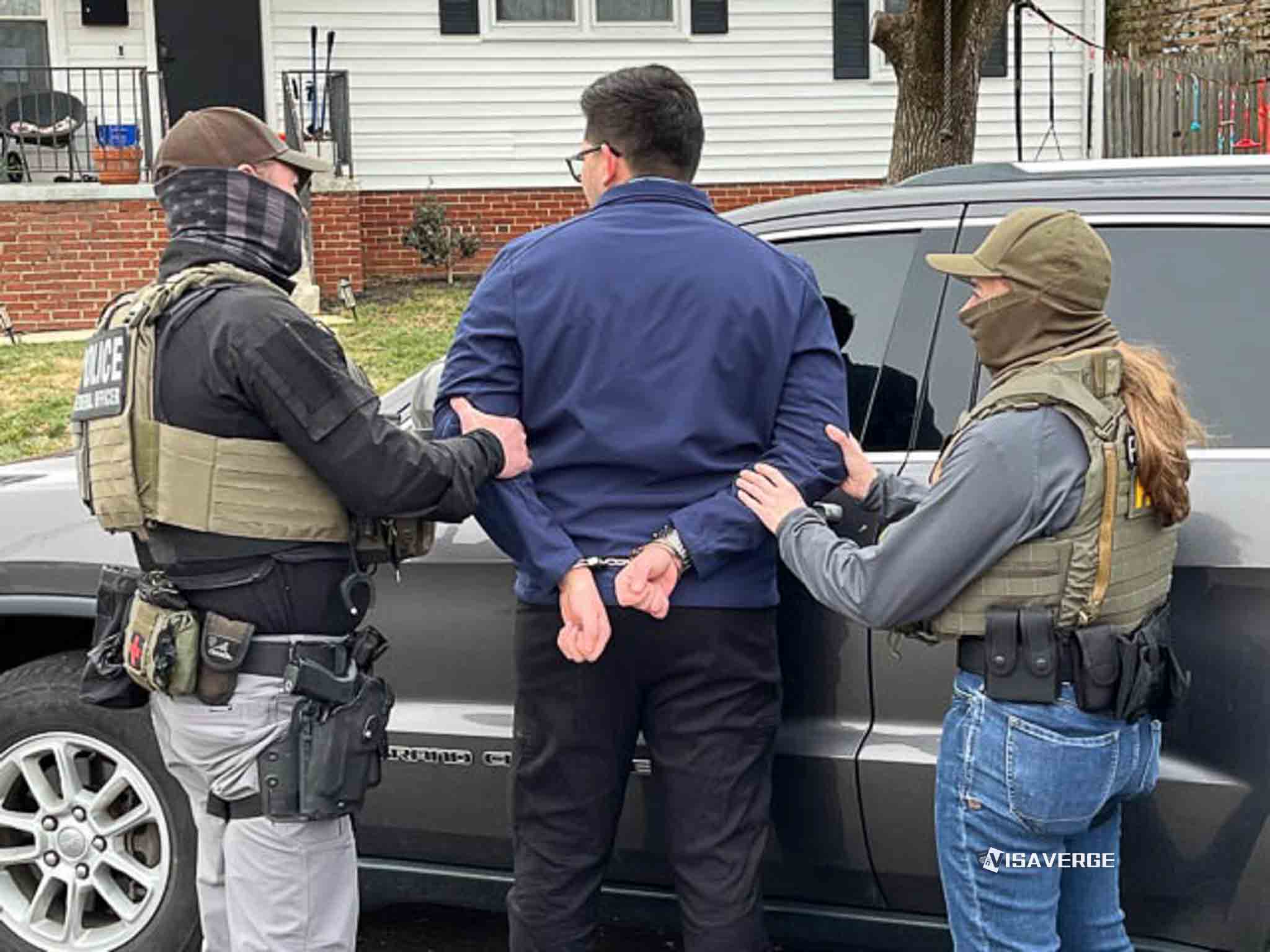
The ACLU suit alleges masked agents stopped individuals without individualized suspicion, used warrantless arrests, and relied on racial profiling. One named plaintiff, Mubashir Khalif Hussen, a 20-year-old U.S. citizen, alleges he was stopped while walking to lunch.
These claims also intersect with long-standing disputes over ICE “administrative warrants.” An ICE administrative warrant is not the same as a judicial warrant. It may authorize certain immigration actions, but it does not automatically permit entry into a home without consent.
Warning: You can ask, “Am I free to go?” If the answer is no, you are being detained. You can also say you want to remain silent and ask for a lawyer.
Oversight fight: congressional access to detention facilities
Congressional oversight has become its own battleground. In January 2026, Secretary Noem reinstated a policy requiring lawmakers to provide seven days’ notice before visiting detention facilities.
Democratic members of Congress have argued the notice rule undermines real-time oversight of conditions. Litigation or further administrative changes may follow, but no court ruling has yet resolved the dispute.
What affected communities should do now
For immigrants in affected cities, attorneys say the immediate focus should be on documentation and risk assessment. Lawful permanent residents and naturalization applicants should keep records organized, including proof of residence, tax filings, and any criminal disposition paperwork.
Naturalization applicants should also prepare for the possibility of field verification tied to neighborhood investigations, while remembering that USCIS interviews remain a formal process with notice requirements.
U.S. citizens who are stopped during operations should document badge numbers, vehicles, and the location if safe to do so. People who believe they were unlawfully stopped may want to consult civil rights counsel in addition to immigration counsel.
Official updates are typically posted at the USCIS Newsroom, DHS News Releases, and the ICE Newsroom.
Legal Disclaimer: This article provides general information about immigration law and is not legal advice. Consult a qualified immigration attorney for advice about your specific situation.
Resources
- AILA Lawyer Referral